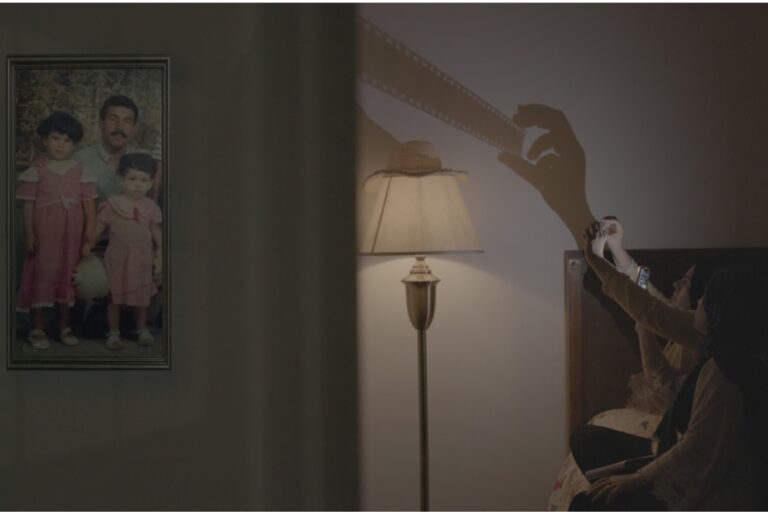



The cinematic landscape is poised for a gripping exploration of Portugal’s tumultuous 1980s with the world premiere of Ivo M. Ferreira’s highly anticipated thriller, "Projecto Global." Debuting in the prestigious Big Screen Competition of the International Film Festival Rotterdam (IFFR), the film promises an unflinching look at a nation grappling with the complex aftermath of revolution, as evidenced by its recently released trailer. This premiere marks a significant moment for Portuguese cinema, offering an international audience a window into a pivotal, often overlooked, period of modern European history.
Securing its global reach, the renowned German sales agent The Match Factory has acquired the world sales rights for "Projecto Global." Known for its discerning taste in high-quality, author-driven cinema, The Match Factory’s involvement signals the film’s potential for critical acclaim and widespread distribution, positioning it as a significant contender on the international festival circuit and beyond. Their expertise in bringing challenging and thought-provoking narratives to global audiences aligns perfectly with the film’s ambitious scope and thematic depth.
"Projecto Global" transports viewers to Lisbon in the 1980s, a decade that followed the euphoric initial wave of the 1974 Carnation Revolution. While the revolution had heralded Portugal’s dramatic transition from nearly five decades of authoritarian dictatorship to democracy, the ensuing years were far from serene. The film vividly captures this turbulent era, portraying a country in the throes of profound social and economic upheaval. The initial promise of a liberated, egalitarian society had begun to curdle, replaced by widespread disillusionment. Factories, once symbols of industrial might and employment, were shuttering their doors, leaving thousands without livelihoods and fueling a palpable sense of grievance. Workers, desperate and disenfranchised, erected barricades in the streets, their protests a stark manifestation of a nation struggling to reconcile its revolutionary ideals with harsh economic realities. Political discourse permeated every corner of daily life, creating a charged atmosphere where ideological divides ran deep and tensions simmered just beneath the surface.
Against this volatile backdrop, "Projecto Global" delves into the emergence of FP25, a far-left armed group that believed the revolution’s true spirit had been betrayed. The Forças Populares 25 de Abril, or Popular Forces 25th of April, was a real and deeply controversial organization in Portugal during this period. Named after the date of the Carnation Revolution itself, the group emerged from a segment of the radical left that felt the democratic transition had been incomplete, abandoning the socialist and anti-imperialist goals they believed the revolution embodied. They saw the burgeoning capitalist democracy as a betrayal of the working class and sought to reignite revolutionary fervor through direct action.
The film portrays the members of FP25 embarking on a perilous "path of no return," choosing to live clandestine lives defined by an unyielding commitment to their cause. Their existence is a constant tightrope walk, built upon a foundation of bank robberies and targeted attacks aimed at financing their operations and destabilizing the state they opposed. But beyond the acts of violence and political radicalism, Ferreira’s narrative promises a deeply humanistic exploration of the lives led by these individuals. It probes the intricate web of friendship, family, and love that binds them together in their underground world. These relationships, forged in the crucible of shared ideology and extreme danger, become both their greatest strength and their most vulnerable point. The narrative confronts the perpetual threat of imprisonment or death that looms over every decision, every interaction, every breath they take.
As the members of FP25 progressively sever ties with their former lives, abandoning everything and everyone outside their immediate circle, the film explores the profound psychological toll this isolation takes. They begin to lose their own identities, their individual selves gradually subsumed by the collective cause and the necessity of their clandestine roles. This transformation raises poignant questions about sacrifice, personal dissolution, and the cost of unwavering ideological commitment. Simultaneously, the narrative introduces an officer relentlessly pursuing the group, a figure who is not merely an antagonist but one grappling with his own profound moral dilemma. This parallel storyline promises to inject layers of ethical complexity, challenging simplistic notions of good and evil and inviting audiences to consider the multifaceted nature of justice and conviction in times of political turmoil. The film thus paints a nuanced picture, not just of a political struggle, but of the human beings caught within its currents, on both sides of the divide.
Director Ivo M. Ferreira offers a profound insight into the core themes of "Projecto Global," articulating the film’s emotional and intellectual underpinnings. He comments, "’Projecto Global’ speaks of a dream of equality from which one is forced to awaken, and of the difficulty of accepting defeat when ideas collide with reality – made up of compromises, interests, pettiness, and renunciations. We swing between the euphoria of wanting to change the world and creeping despair.” This statement encapsulates the film’s ambitious scope, aiming to dissect the disillusionment that often follows grand revolutionary ideals. It speaks to the universal human experience of confronting the messy, imperfect reality that inevitably challenges even the most noble aspirations. Ferreira’s words suggest a narrative rich in emotional resonance, exploring the psychological journey from youthful optimism and the fervent desire for societal transformation to the bitter taste of compromise and the slow erosion of hope. This exploration of ideological clash with reality, and the subsequent "creeping despair," is a hallmark of compelling, character-driven drama, particularly pertinent to a women-focused audience interested in stories of resilience, moral conflict, and the human condition under duress.
The ensemble cast tasked with bringing this intense narrative to life is led by Jani Zhao, Rodrigo Tomás, and José Pimentão. Jani Zhao, a prominent figure in Portuguese cinema and television, is poised to deliver a powerful performance, likely embodying the complex experiences of women caught within the FP25 movement or impacted by its activities. Her presence suggests a strong female perspective within the narrative, exploring themes of agency, sacrifice, and survival in a male-dominated, politically charged environment. Rodrigo Tomás and José Pimentão, both respected actors, will undoubtedly contribute to the film’s authenticity and emotional depth, whether portraying members of the armed group, the pursuing authorities, or individuals caught in the crossfire. Their collective talent promises to lend significant weight to the film’s exploration of its challenging themes.
Behind the camera, the screenplay for "Projecto Global" was penned by Ivo M. Ferreira himself, alongside Hélder Beja, ensuring a vision deeply rooted in the director’s artistic sensibility. The film boasts a strong producing team comprising Luísa Urbano, Sandro Aguilar, and Donato Rotunno. Luísa Urbano and Sandro Aguilar are associated with O Som E A Fúria, the lead production company, a powerhouse in Portuguese independent cinema known for its commitment to artistic integrity and groundbreaking narratives. Co-produced by Tarantula, a Belgian production company, the film benefits from an international collaboration that further enhances its reach and production quality. This partnership underscores the growing trend of European co-productions, allowing filmmakers to tap into diverse resources and broader audiences.
Ivo M. Ferreira’s "Projecto Global" is the latest addition to a distinguished filmography marked by a consistent engagement with Portuguese history, identity, and the complexities of human experience. His career trajectory showcases a filmmaker with a keen eye for social commentary and a refined storytelling craft. His journey began with the short film "O que foi," released in 1998, followed by his feature debut, "Em Volta," in 2002. A significant turning point in his development came in 2006 when he received a prestigious scholarship from the Calouste Gulbenkian Foundation, enabling him to attend a screenplay writing course at the London International Film School. This foundational experience directly led to the writing and directing of "Águas Mil," which garnered attention on the festival circuit in 2009.
Ferreira continued his prolific output, releasing "The Foreigner" and "Vai com o Vento" in 2010. However, it was his 2016 film, "Letters From War" (Cartas da Guerra), that truly solidified his international standing. This poignant feature, based on the acclaimed book by one of Portugal’s most revered authors, António Lobo Antunes, premiered in competition at the Berlinale – one of the world’s most prestigious film festivals. "Letters From War" offered a deeply personal and evocative portrayal of the Portuguese Colonial War through the intimate correspondence of a young doctor serving in Angola. This film established Ferreira as a director capable of tackling profound historical trauma with sensitivity and artistic vision, a thematic thread that clearly resonates in "Projecto Global." Both films grapple with the aftermath of significant national events, exploring their human cost and the disillusionment that often follows conflict and revolution. His most recent work before "Projecto Global" was "Empire Hotel," released in 2018, a film shot in Macau, further demonstrating his versatility and willingness to explore diverse settings and cultural narratives.
The choice of the International Film Festival Rotterdam for the world premiere of "Projecto Global" is particularly fitting. IFFR has long been celebrated as a vital platform for innovative, independent, and challenging cinema from around the globe. Known for its adventurous programming and its commitment to fostering new talent and bold artistic visions, Rotterdam offers a dynamic environment for films that push boundaries and provoke thought. The Big Screen Competition, in which "Projecto Global" will contend, specifically highlights films that are both accessible to a wider audience and possess strong artistic merit. This competition seeks films that resonate broadly while maintaining their unique creative voice, making it an ideal launchpad for a film that combines the visceral intensity of a thriller with deep historical and psychological insights.
As "Projecto Global" prepares for its debut, it arrives as a compelling cinematic offering that transcends its specific historical setting to speak to universal themes of idealism, disillusionment, and the complex interplay between personal conviction and political reality. Ivo M. Ferreira’s latest work promises to be a powerful and timely reminder of the enduring human struggle to reconcile dreams with the often-harsh realities of a changing world, delivered through the intense lens of a period that indelibly shaped modern Portugal.