



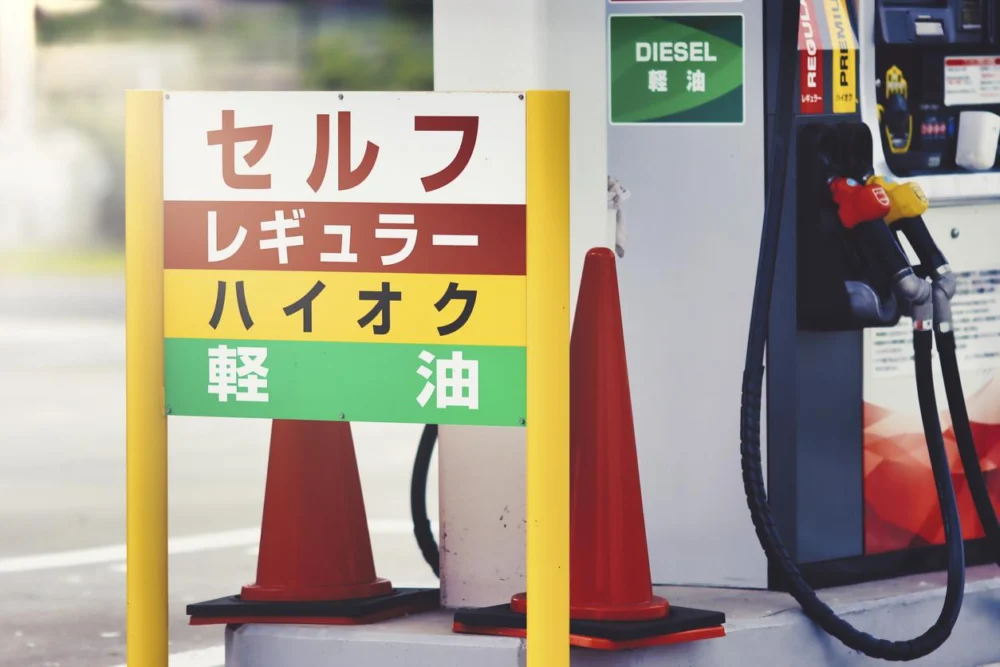
Japan has officially phased out its provisional gasoline tax, a levy that has been in place for over fifty years, marking a significant shift in fiscal policy aimed at providing much-needed relief to households grappling with escalating living costs. The decision to abolish the 25.10 yen per liter tax, effective at the close of the year, comes as the nation navigates a complex economic landscape characterized by inflation and the persistent challenge of national debt.
The move to eliminate this long-standing tax was cemented by a cross-party agreement, formalized in November, following the appointment of Sanae Takaichi as Prime Minister. Takaichi, known for her more fiscally conservative stance, has been instrumental in pushing for measures to alleviate the financial strain on citizens. However, the abolition, while welcomed by consumers, raises crucial questions about how Japan, a nation burdened by substantial debt, will compensate for the anticipated annual shortfall of approximately 1.5 trillion yen. This figure is expected to grow when another tax rate on diesel fuel is also scrapped in April, further compounding the fiscal challenge.
Consumers are unlikely to witness immediate, dramatic price reductions at the pump, despite the cessation of the provisional tax that was originally introduced in 1974 with the intention of funding infrastructure development. This is largely attributed to the simultaneous conclusion of a government subsidy program. This stopgap measure, which mirrored the exact amount of the provisional tax at 25.10 yen per liter, was implemented to cushion the impact of rising fuel prices. With both the tax and the subsidy now gone, the net effect on consumer prices is expected to be more nuanced, with the base tax rate of 28.70 yen per liter remaining in place, bringing the total levy to 53.80 yen per liter before the provisional tax was scrapped.
The timing of this tax elimination is particularly noteworthy, coinciding with the New Year holiday period. This is a time when travel demand traditionally surges, as individuals return to their hometowns for family reunions or embark on much-anticipated vacations. The increased mobility during this period often leads to higher fuel consumption, making the tax relief a welcome, albeit potentially temporary, respite for travelers. Officials within the oil industry have acknowledged the potential for increased inquiries from consumers and stakeholders as the implications of the tax change unfold into the new year. “We may have to respond to inquiries going into the new year,” stated an official from an oil industry body, indicating a period of adjustment and clarification.
Taxation policies have historically been a politically sensitive area in Japan. While the public generally expresses strong support for any reduction in their tax burdens, politicians often face the dual challenge of addressing consumer sentiment while simultaneously ensuring the availability of funds for essential government spending. The enduring presence of the provisional gasoline tax for several decades underscores the difficulty successive governments have faced in identifying alternative revenue streams to offset its removal. This prolonged existence speaks to a broader struggle to balance fiscal prudence with the demand for public services and infrastructure improvements.
The ruling coalition, comprising Prime Minister Takaichi’s Liberal Democratic Party (LDP) and the Japan Innovation Party, has committed to ongoing discussions to address the fiscal implications of these tax changes. Their aim is to secure sufficient funding to compensate for the revenue shortfall and to reach a sustainable agreement by the end of 2026. This timeline suggests a period of careful deliberation and negotiation as the government seeks to balance its fiscal obligations with its economic growth objectives.
Japan’s fiscal health is a subject of significant international concern, with the nation’s debt-to-GDP ratio being the highest among advanced economies. Despite these challenges, Prime Minister Takaichi has consistently emphasized the imperative to increase government spending as a catalyst for stimulating growth in the world’s fourth-largest economy. This approach reflects a belief that strategic investment can overcome structural economic headwinds and foster a more robust economic future.
In anticipation of the revenue gaps created by the gasoline tax reduction and other fiscal adjustments, Japan is set to implement a series of tax increases. These include hikes in corporate and tobacco taxes, scheduled to take effect in April. Furthermore, an income tax increase is planned for January 2027. These measures are intended, in part, to finance a substantial increase in defense spending. This strategic bolstering of the nation’s defense capabilities is a direct response to evolving regional security threats and a commitment to enhancing Japan’s national security posture.
The abolition of the provisional gasoline tax represents a delicate balancing act for the Japanese government. On one hand, it offers immediate relief to households struggling with the cost of living, a move that is politically popular and economically pragmatic in the short term. On the other hand, it presents a significant fiscal challenge that requires careful planning and the implementation of alternative revenue-generating strategies. The success of this policy shift will depend on the government’s ability to navigate these complexities and ensure long-term fiscal stability while simultaneously fostering economic growth and addressing security concerns. The coming years will be critical in determining the effectiveness of these measures and their impact on Japan’s economic trajectory and the daily lives of its citizens.
The decision to remove the provisional gasoline tax also signals a potential shift in the government’s long-term fiscal strategy. For decades, the tax served as a consistent, albeit temporary, source of revenue for infrastructure projects. Its elimination, coupled with the planned tax increases in other areas, suggests a broader reassessment of how the nation funds its public services and investments. The commitment to finding alternative revenue sources by 2026 indicates a recognition of the need for a more sustainable and diversified approach to public finance. This could involve a combination of spending cuts, efficiency improvements in government operations, and the exploration of new tax bases or revenue-generating mechanisms.
The impact of these fiscal adjustments is likely to be felt across various sectors of the Japanese economy. While consumers may benefit from lower fuel costs in the short term, the subsequent tax increases could lead to higher prices for goods and services. Businesses, particularly those with significant transportation costs, may see some relief from reduced fuel expenses, but they will also need to contend with higher corporate taxes. The planned income tax hike for 2027 could affect household disposable income, potentially influencing consumer spending patterns.
Furthermore, the substantial increase in defense spending is a significant policy development that reflects the evolving geopolitical landscape. As Japan seeks to enhance its security capabilities in response to regional tensions, the allocation of resources towards defense will undoubtedly have implications for other areas of government spending. The challenge for the administration will be to ensure that these increased defense expenditures are managed efficiently and do not unduly strain the nation’s already precarious fiscal situation.
The political dimension of these tax policies cannot be overstated. The government’s ability to implement these changes effectively will depend on its capacity to maintain public trust and secure political consensus. The cross-party agreement that facilitated the abolition of the gasoline tax is a positive sign, demonstrating a willingness to cooperate on key economic issues. However, the ongoing debates about securing alternative funding sources highlight the potential for future disagreements and political challenges. The coming years will likely see intense discussions and negotiations as the government strives to balance competing interests and ensure the long-term sustainability of its fiscal policies.
In conclusion, the end of Japan’s provisional gasoline tax is a landmark event with far-reaching implications. It represents a proactive effort to alleviate the financial burdens on households and stimulate economic activity. However, it also presents a complex set of fiscal challenges that will require careful management and strategic decision-making. The nation’s ability to navigate these challenges will be a key determinant of its economic future and its capacity to maintain stability and prosperity in an increasingly uncertain global environment. The government’s commitment to finding sustainable revenue solutions and its approach to managing defense spending will be closely watched by both domestic and international observers.
© KYODO