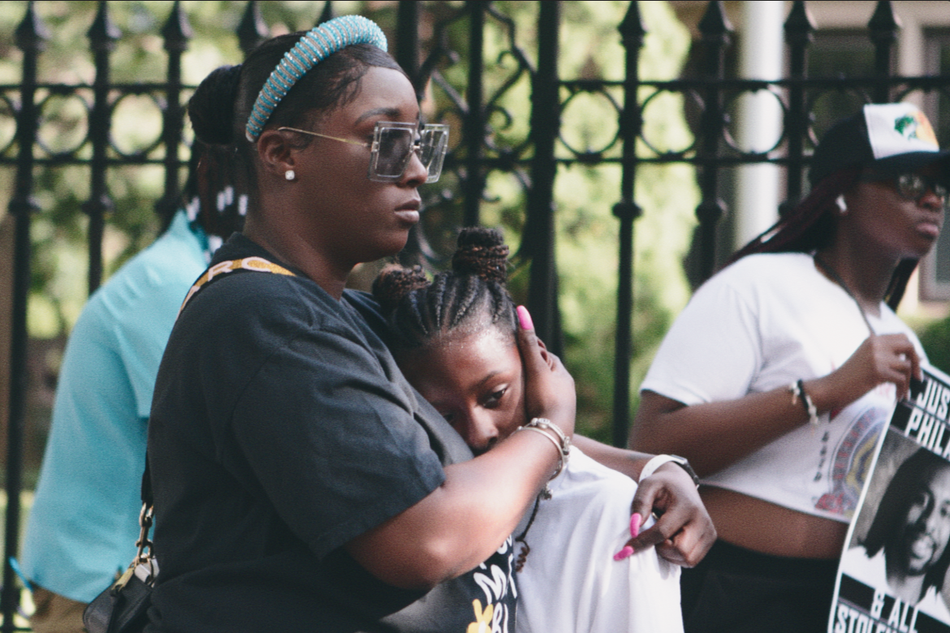
Around the globe, from the wind-swept plains of climate-vulnerable regions to the high-stakes corridors of international diplomacy, women human rights defenders (WHRDs) are the primary architects of a more just world. They are the grassroots organizers who mobilize communities against corporate land grabs, the journalists who risk everything to expose state-sanctioned corruption, and the legal experts who draft the frameworks for gender-based equality. These women do more than just advocate for change; they embody it, pushing the boundaries of what is possible in the realms of democracy, peacebuilding, and environmental justice. Their leadership is not a luxury—it is the very engine of inclusive social progress. Yet, as their influence grows, so too does the coordinated effort to silence them.
The modern landscape for activism is increasingly treacherous. While the contributions of WHRDs are more visible than ever, they are being met with a “pushback” that is as sophisticated as it is brutal. We are currently witnessing a global phenomenon where the progress made over decades is being systematically eroded by rising authoritarianism, shrinking civic spaces, and a targeted campaign against those who dare to challenge the status quo. To understand the gravity of the situation, one must look at the alarming data: 57 per cent of organizations surveyed globally report that the risks facing women activists are on a steep upward trajectory. This is not merely a statistic; it is a warning that the infrastructure of global human rights is under siege.
The human cost of this resistance is devastating. In 2024 alone, the Office of the United Nations High Commissioner for Human Rights (OHCHR) documented the killings of 56 women human rights defenders, journalists, and trade unionists within conflict-affected nations. It is a chilling figure, yet experts warn that it represents only the tip of the iceberg. Many deaths go unrecorded, categorized as common crimes or “accidents” to avoid international scrutiny. In conflict zones, where the rule of law is often a memory, WHRDs are uniquely vulnerable. They are targeted not only for what they do but for who they are. Their presence in public life challenges traditional power structures, making them prime targets for those who seek to maintain control through fear and intimidation.
This hostility is not limited to physical violence in war-torn regions. In many stable democracies, the assault on WHRDs takes the form of “lawfare”—the use of legal systems to harass, delegitimize, and criminalize activism. Governments are increasingly adopting restrictive laws that categorize human rights work as “foreign interference” or “threats to national security.” By labeling these women as criminals or subversives, states can effectively freeze their bank accounts, restrict their travel, and drain their resources through endless litigation. This systematic delegitimization creates a climate of fear that ripples through entire movements, discouraging the next generation of leaders from stepping forward.
Furthermore, the digital age has introduced a new and virulent frontier of abuse. Online platforms, once seen as tools for liberation and connectivity, have been weaponized against WHRDs. Gender-based threats in the digital sphere—including doxxing, deep-fake pornography, and coordinated character assassination—are rampant. These attacks are designed to shame women into silence and to drive them out of the public square. When a woman speaks out on a global platform, she often faces a barrage of vitriol that her male counterparts rarely experience. This digital violence is not a separate issue from physical safety; it is frequently the precursor to offline harm, providing a roadmap for those who wish to do physical violence to activists.
Compounding these threats is a dire financial crisis. At a time when the world needs the expertise of WHRDs most, the funding they rely on is being slashed. Deep cuts to international aid and domestic budgets are starving feminist organizations of the resources required to operate. Many of these groups are running on fumes, with staff working voluntarily while facing immense personal risk. The lack of flexible, multi-year funding means that organizations spend more time fighting for survival than fighting for justice. When funding is tied to rigid, short-term projects, it fails to account for the long-term, systemic work that human rights defense requires.
Despite this harrowing reality, the evidence of their impact is undeniable. Research consistently shows that women human rights defenders are the single most effective drivers of gender equality. A landmark study on the civic origins of progressive policy change revealed that the presence of strong, autonomous feminist movements is the most important factor in the adoption of policies to combat violence against women—more significant than a country’s wealth, the political leaning of its government, or the number of women in parliament. From the grassroots level to the halls of power, these movements have been the catalyst for every major advancement in women’s rights over the last half-century. They are the ones who turned the “private” issue of domestic violence into a global human rights priority and who ensured that climate policy recognized the disproportionate impact of environmental degradation on women and girls.
The resilience of these defenders is nothing short of heroic. Even as nearly one in four countries reports a significant backlash against women’s rights, WHRDs refuse to waver. They continue to organize in the shadows of authoritarian regimes, they continue to document abuses in the heat of conflict, and they continue to demand a seat at the table where their futures are decided. Their courage is a Clarion Call to the international community—a reminder that human rights are not self-sustaining; they must be defended by people who are willing to stand in the gap.
In response to this crisis, the international community must move beyond rhetoric and toward radical accountability. It is no longer enough to praise the “bravery” of women activists in annual reports while standing by as their civic space is dismantled. There must be a collective moral responsibility to protect those who protect our rights. This starts with Member States adopting and enforcing laws that specifically safeguard WHRDs. These legal frameworks must recognize the gendered nature of the threats they face and provide robust mechanisms for protection, including emergency relocation and legal defense funds.
Accountability is also paramount. Those who target, harass, or harm WHRDs—whether they are state actors, paramilitary groups, or private individuals—must face consequences. Impunity only breeds further violence. When a woman defender is killed or disappeared, the international response must be swift and decisive, signaling that the world will not tolerate the assassination of its moral leaders.
Moreover, the financial architecture of the human rights world needs a total overhaul. We must move away from restrictive, bureaucratic funding models and toward direct, flexible support for WHRDs and their organizations. This means trusting women to know where their resources are most needed and providing the long-term stability they need to plan for the future. Investment in WHRDs is not just an act of charity; it is the most strategic investment we can make in global peace and security.
As we look toward the 30th anniversary of the Beijing Declaration and Platform for Action, the stakes could not be higher. The promises made three decades ago are currently being tested by a world in flux. If we allow the voices of women human rights defenders to be extinguished, we are not just losing individuals; we are losing the very possibility of a fair and equitable future. UN Women, alongside its partners across the UN system and civil society, remains steadfast in its support of these defenders. The message is clear: the progress of humanity is inextricably linked to the safety and agency of the women who defend it. Without them, the march toward justice falters. With them, it is unstoppable. We must stand with them, not just in spirit, but in action, policy, and resource. The time for the world to defend the defenders is now.