



Japan Considers Mandatory Language and Social Integration Programs for Foreign Residents, Alongside Land Acquisition Scrutiny
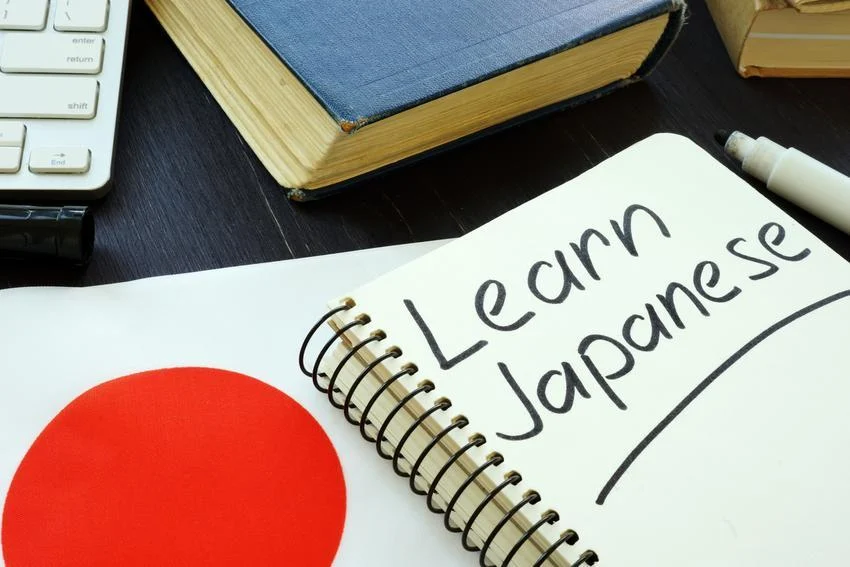
In a significant move towards fostering a more integrated society, an expert panel has proposed that the Japanese government establish comprehensive and mandatory programs for foreign residents to learn the Japanese language and understand the nation’s social norms. The recommendations, aimed at facilitating smoother integration for those planning to stay in Japan for medium to long-term periods, were formally presented to Kimi Onoda, the minister responsible for policies concerning foreign nationals, signaling a potential shift in the country’s approach to immigration and residency.
The panel’s report, compiled after several meetings since its inception late last year, also highlighted the need for a national security perspective when considering land acquisition and management by foreign individuals and entities. However, it stressed that any regulations in this area must be carefully calibrated. The experts urged a thorough examination of the scope and necessity of such rules to ensure they do not impose undue or excessive restrictions on the fundamental rights of private property ownership, a cornerstone of a free and open society. The government is expected to develop concrete policy measures based on this report as early as this month, underscoring the urgency and importance attached to these recommendations.
A key observation from the panel was the current lack of structured support for foreign residents seeking to acclimate to Japanese life. While many other developed nations offer robust, systematic programs encompassing language acquisition, cultural understanding, and familiarization with social customs, Japan, according to the report, has historically fallen short in providing such a cohesive framework. This deficiency, the panel noted, has created barriers for some foreign nationals, making it challenging for them to navigate daily life and fully participate in Japanese society. The proposed solution is to create structured programs that offer essential knowledge about Japan’s systems and societal expectations, ideally delivered either before individuals arrive in the country or immediately upon their arrival.
The rationale behind these proposed mandatory programs stems from a recognition of the mutual benefits of successful integration. For foreign residents, it offers a clearer pathway to understanding and adapting to a new environment, reducing potential misunderstandings and fostering a sense of belonging. For Japan, it promises a more engaged and contributing foreign population, enriching the social fabric and economic landscape. The emphasis on “well-ordered and harmonious coexistence” as the guiding principle for the panel’s deliberations suggests a proactive approach to addressing potential friction points and building a society where diversity is not just tolerated, but actively embraced and managed for the collective good.
The discussion around land acquisition by foreigners introduces a layer of complexity, reflecting a global trend where nations are increasingly scrutinizing foreign ownership of critical assets, particularly land. The panel’s cautious approach, however, is crucial. It acknowledges that while national security concerns are legitimate and require attention, they must be balanced against the principles of free markets and private property rights. The recommendation to clarify security concerns and scrutinize legislative grounds is a call for evidence-based policymaking. It suggests that any proposed restrictions should be grounded in a clear and demonstrable threat, rather than broad generalizations or xenophobic sentiments. Furthermore, the panel rightly points out the necessity of a deeper public understanding of the implications of property ownership by foreign nationals and a greater awareness of the existing and potential regulatory frameworks. This emphasis on public discourse and education is vital for ensuring that any new policies are well-received and understood by the broader population, fostering trust and transparency.
The establishment of the panel itself, “The Panel on Promoting a Society of Well-Ordered and Harmonious Coexistence with Foreign Nationals,” late last year, signifies a governmental commitment to addressing the evolving demographics of Japan. As the nation grapples with a declining birthrate and an aging population, the role of foreign residents in maintaining its economic vitality and social dynamism is becoming increasingly pronounced. The panel’s focused work, culminating in this comprehensive report, indicates a strategic pivot towards a more intentional and structured management of foreign residency, moving beyond ad-hoc measures to a more holistic and forward-looking policy framework. The two meetings held since November suggest a dedicated and expedited process, underscoring the perceived importance of these issues by the current administration.
The implications of mandatory language and cultural programs are far-reaching. For individuals seeking employment, access to services, or simply to build relationships within their communities, a grasp of Japanese is often a prerequisite. Beyond basic communication, understanding social norms – from punctuality and gift-giving etiquette to workplace conduct and community engagement – can prevent misunderstandings and foster mutual respect. These programs could potentially encompass a range of learning formats, from intensive in-person courses to online modules, catering to different learning styles and schedules. The “before entry or immediately after arrival” timing is particularly strategic, aiming to equip individuals with the foundational knowledge necessary to start their lives in Japan on a more solid footing, thereby reducing the likelihood of early integration challenges.
Regarding land acquisition, the panel’s call for clarity on security concerns is paramount. This could involve defining specific geographical areas deemed strategically sensitive, or identifying types of land or infrastructure that warrant particular scrutiny. It also raises questions about the definition of “foreign” ownership – does it include companies incorporated in Japan but with foreign majority shareholding? How will such regulations interact with existing foreign investment laws? The panel’s emphasis on avoiding “excessive restrictions on private property” suggests a desire to strike a balance that protects national interests without stifling legitimate foreign investment or the rights of individuals who have chosen to make Japan their home and invest in its real estate market. The complexity of this issue requires careful legal and economic analysis, ensuring that any measures are both effective and proportionate.
The broader context for these proposals is Japan’s ongoing demographic transformation. With a shrinking native workforce, attracting and retaining skilled foreign talent has become a critical economic imperative. However, successful retention is intrinsically linked to integration. Foreign residents who feel welcomed, understood, and equipped to participate fully in society are more likely to remain in Japan long-term, contribute to its economy, and raise families. Conversely, a lack of integration can lead to social isolation, underemployment, and a higher rate of return migration, negating the benefits of attracting foreign talent in the first place.
The proposed policies, therefore, represent a dual approach: one focused on human capital development and social cohesion, and the other on national security and economic oversight. The success of the former hinges on effective program design, accessibility, and a genuine commitment to supporting foreign residents. The success of the latter will depend on careful, nuanced policymaking that balances legitimate security concerns with the principles of economic openness and individual property rights. The coming months will be crucial in observing how these expert recommendations are translated into actionable government policies, setting the stage for Japan’s evolving relationship with its growing foreign population.
© KYODO