

In a powerful convergence of satire and solemn protest, the entertainment world recently placed the contentious operations of U.S. immigration enforcement agencies squarely in the spotlight, just as public outrage simmered over recent fatalities. The latest episode of Saturday Night Live, a perennial barometer of the American zeitgeist, offered pointed, albeit lightly delivered, critiques of Immigration and Customs Enforcement (ICE) during its iconic "Weekend Update" segment. This came mere hours after news broke of a 37-year-old Minneapolis intensive care nurse tragically killed by Border Patrol agents, adding a somber weight to the comedic jabs. Concurrently, at the prestigious Sundance Film Festival, actress Natalie Portman leveraged her platform to passionately denounce ICE, underscoring a growing chorus of voices demanding an immediate cessation to what she termed its "brutality."
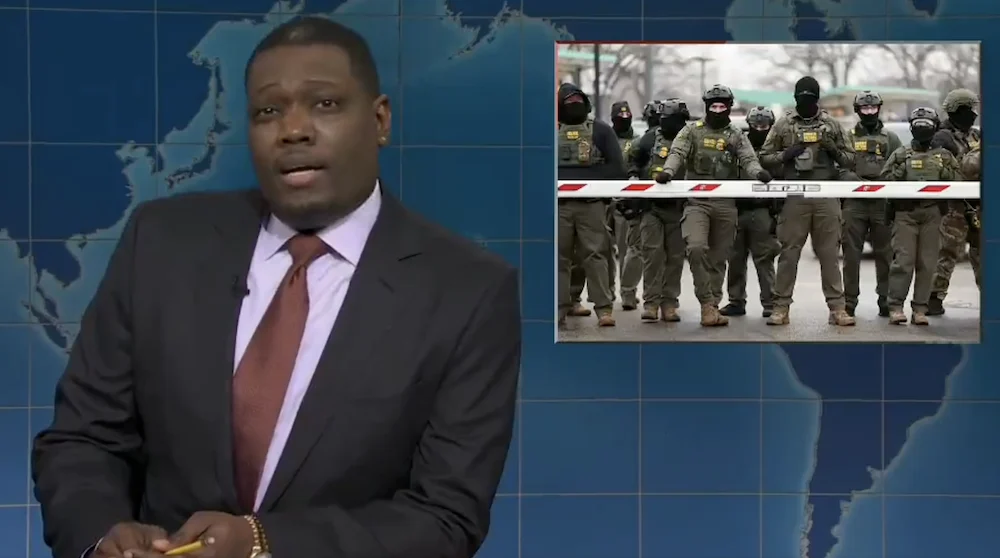
The January 24th broadcast of Saturday Night Live found its comedic anchors, Michael Che and Colin Jost, navigating the delicate line between humor and humanitarian crisis. During "Weekend Update," a segment known for its sharp political commentary, Michael Che wasted no time in addressing the escalating tensions surrounding ICE. He began by referencing Vice President J.D. Vance’s recent remarks, in which Vance had reportedly criticized protesters confronting ICE officers, suggesting they should instead channel their grievances into op-eds or social media debates.
Che seized on this, drawing a stark and satirical parallel: "You know, just like these young scholars did on January 6th," he quipped, as a photo of the chaotic 2021 Capitol attack flashed across the screen. The comparison was a thinly veiled indictment of perceived hypocrisy, highlighting the disparity in how different forms of protest and civil unrest are often framed and policed within the political landscape. Vance’s call for measured, online discourse from anti-ICE protesters, when contrasted with the violent actions of those who stormed the Capitol, underscored a perceived double standard that Che deftly exploited for comedic effect, yet with a deeply serious undercurrent. The joke resonated with many who feel that criticisms of protest methods are often selectively applied, depending on the cause and the demographic of the protesters.
Che didn’t stop there. He followed up with a more direct and morally probing question aimed squarely at the agents themselves, reflecting a widespread public sentiment. "I get that ICE agents are people, allegedly, and they have a job to do," he began, adopting a tone of mock understanding. But then, his voice hardened slightly as he continued, "But at some point while you’re pepper-spraying old ladies or shooting at a nurse, do you ever stop to ask yourself, ‘Are we dicks?’" This blunt query cut through the institutional justifications often invoked for aggressive enforcement actions, forcing a moment of self-reflection on the human cost of such policies. It encapsulated the moral dilemma faced by agents tasked with duties that often involve confrontational and, at times, violent encounters with civilians, particularly in the context of immigration enforcement, which has increasingly become a flashpoint for human rights debates. The mention of "shooting at a nurse" was a direct, searing reference to the tragic incident that had just unfolded, elevating the segment from mere political commentary to an immediate response to a national tragedy.
The killing of the 37-year-old Minneapolis intensive care nurse by Border Patrol agents had sent shockwaves across the nation. While details surrounding the incident remained sparse in the immediate aftermath, the very premise of a healthcare professional, dedicated to saving lives, losing her own at the hands of federal agents tasked with border security, sparked widespread outrage and grief. This incident joined a growing list of controversial encounters involving immigration enforcement agencies, fueling calls for greater accountability, transparency, and a reevaluation of their operational protocols. The gravity of such an event, impacting a frontline worker, served as a grim backdrop against which SNL’s satire landed with particular weight, even in its "light" approach.
Beyond "Weekend Update," the broader Saturday Night Live episode also found a way to weave in commentary on ICE, albeit through a different comedic lens. The cold open, a signature segment known for its topical spoofs, was primarily directed at former President Donald Trump. This particular cold open took the form of a satirical awards show, a familiar comedic trope for the show, featuring various public figures. A notable return was Michael Myers, reprising his role as the eccentric billionaire Elon Musk. In character, Musk delivered a line that, despite its comedic packaging, subtly reinforced the night’s underlying critique of immigration enforcement: "After what all my little freaks and psychos in ICE have been doing, I need more distractions." This throwaway line, delivered with Myers’ characteristic deadpan absurdity, served as another subtle yet potent jab, linking the controversial actions of ICE to a broader sense of societal chaos and the need for diversion—a darkly humorous reflection of how such serious issues permeate even the most detached segments of the public consciousness.
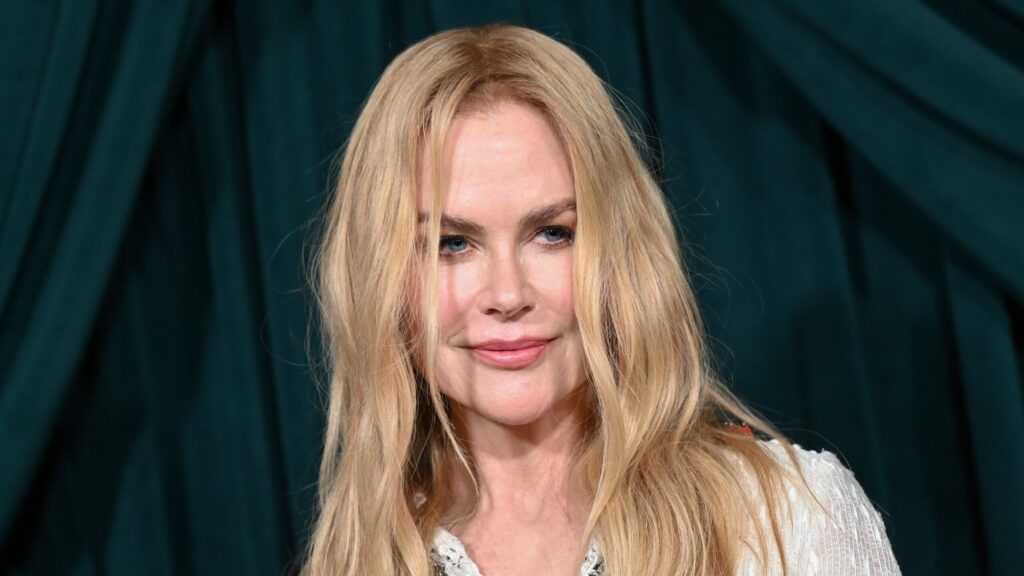
The convergence of entertainment and activism reached another prominent stage at the Sundance Film Festival, where acclaimed actress Natalie Portman delivered a powerful condemnation of ICE. Sundance, known not only for showcasing independent cinema but also as a significant platform for social and political advocacy, provided an ideal backdrop for Portman’s impassioned statement. Attending Variety‘s Sundance Studio, Portman made a visual statement through her choice of accessories, wearing "ICE Out" and "Be Good" pins. The "ICE Out" pin was a clear and unequivocal call for the dismantling or significant reform of the agency, reflecting a sentiment shared by many human rights organizations and progressive activists. The "Be Good" pin, however, carried a more poignant and specific weight, referencing Renée Good, a woman who had been killed by ICE earlier that month in a separate but equally tragic incident, further highlighting the pattern of fatalities linked to the agency’s operations.
Portman’s verbal address was equally direct and heartfelt. "We’re also at a moment in our country’s history that is quite devastating," she stated, her voice reflecting a profound sense of urgency. She continued, articulating the impossibility of ignoring the current climate: "It’s really impossible not to talk about what is happening right now and the brutality of ICE and how it has to stop immediately." Her words resonated with the widespread concern over reports of aggressive tactics, family separations, and conditions in detention centers that have drawn international condemnation. Portman’s use of the term "brutality" was not accidental; it mirrored the language used by human rights advocates who have documented alleged abuses by the agency.
Yet, Portman also offered a note of hope and resilience, recognizing the collective human spirit in the face of adversity. She balanced her critique with an acknowledgment of the positive responses emerging from communities. "But also, there’s a beautiful community that Americans are showing right now. They’re showing up for each other, protecting each other and fighting for their freedom," she observed. This dual perspective—acknowledging the pain while celebrating communal strength—underscored the complex emotional landscape of the moment. She concluded by framing the occasion as "a bittersweet moment to celebrate something we’re so proud of on the backdrop of our nation in pain," encapsulating the profound tension between artistic achievement and urgent social justice.
The confluence of these events—SNL’s biting satire and Natalie Portman’s earnest advocacy—underscores a pivotal moment in American discourse. It reflects how cultural institutions and public figures are increasingly engaging with, and often challenging, governmental actions, particularly those with significant human rights implications. The ability of a late-night comedy show to quickly respond to breaking news, and for a major celebrity to use a high-profile platform for activism, signals a deepening expectation for public figures to address pressing social issues. These voices not only echo existing public sentiment but also play a crucial role in shaping public opinion, keeping these critical conversations alive, and demanding greater transparency and accountability from the agencies involved in immigration enforcement. The "light" touch of comedy, juxtaposed with the stark reality of human suffering, creates a powerful narrative that resonates far beyond the confines of a television screen or a film festival stage, contributing to a broader national dialogue about justice, humanity, and the role of enforcement in a democratic society.