


**China’s Cinematic Surge: ‘Zootopia 2’ Leads a Robust Box Office as 2026 Kicks Off with Remarkable Growth**
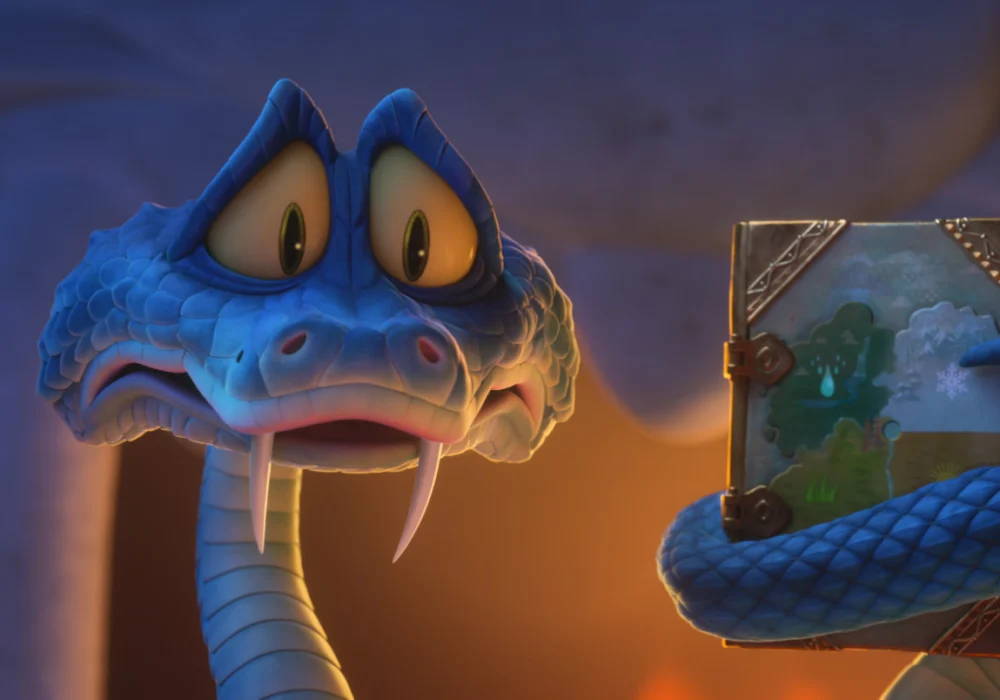
The nascent year of 2026 has unfurled a vibrant tapestry of cinematic success in China, signaling a powerful rebound and sustained growth for one of the world’s most critical film markets. Leading the charge and reclaiming its throne atop the box office for the January 2-4 frame was Disney’s animated powerhouse, “Zootopia 2,” a testament to its enduring charm and widespread appeal. The film, a dazzling sequel that continues the adventures in its richly imagined world, garnered an impressive RMB 121.5 million (approximately $17.1 million) over the weekend. This resurgence propelled its cumulative total to a staggering RMB 4.25 billion, or roughly $598 million, according to data compiled by Artisan Gateway, firmly establishing its dominance and delighting audiences across the nation.
The performance of “Zootopia 2” is not merely a fleeting triumph but a significant indicator of several trends shaping the modern entertainment landscape. Disney’s animated features, renowned for their intricate storytelling, captivating visuals, and universally resonant themes, consistently find a devoted following in China. The original “Zootopia,” released in 2016, captivated audiences globally with its poignant narrative on diversity, prejudice, and ambition, wrapped in the delightful guise of anthropomorphic animals. Its sequel, building upon this foundation, demonstrates the powerful longevity of well-crafted animation and the immense value audiences place on stories that entertain and subtly inspire. For many families, particularly those where women often make key entertainment decisions, films like “Zootopia 2” offer a wholesome, engaging, and thought-provoking experience, making its return to the summit a logical reflection of its sustained popularity and excellent word-of-mouth. Its success underscores Disney’s strategic presence in the Chinese market, adapting its global content to resonate with local sensibilities while maintaining its distinctive brand of magic.
Hot on the heels of the animated champion, James Cameron’s highly anticipated “Avatar: Fire and Ash” maintained a formidable presence, securing the second spot despite a slight dip. The threequel, a marvel of visual storytelling and technological innovation, added a robust $15.8 million to its coffers during the weekend. Since its grand debut on December 19, the film has quickly amassed an impressive $136.3 million in China, a testament to the enduring allure of Cameron’s visionary world-building and the franchise’s reputation for pushing cinematic boundaries. The “Avatar” saga has always been a significant draw in China, with its breathtaking visuals and immersive narratives perfectly suited for the country’s state-of-the-art cinemas. Cameron’s meticulous attention to detail and his commitment to crafting unparalleled sensory experiences ensure that his films remain a must-see event, particularly for audiences eager for a spectacle that transcends the ordinary. The film’s robust hold in the market, even after its initial opening fervor, speaks volumes about its ability to captivate and retain audience engagement, drawing viewers back for repeat viewings to fully absorb its intricate world and stunning effects.
Further enriching the diverse offerings at the Chinese box office, Maoyan Movie’s homegrown crime thriller, “The Fire Raven,” secured a commendable third place. The film, which has been steadily building momentum, added $11.7 million to its gross, pushing its cumulative total to $30.3 million. Directed and penned by the talented Sam Quah, “The Fire Raven” delves into the intricate and often dark underbelly of society. It stars a compelling ensemble cast including Peng Yuchang, Alan Aruna, and Chang Ning, who bring to life a gripping narrative centered around the re-examination of a long-dormant murder case. As the investigation unfolds, it meticulously uncovers a wider, insidious network of corruption and revenge, captivating audiences with its suspenseful plot and intricate character dynamics. Chinese crime thrillers have witnessed a significant surge in popularity, often praised for their sophisticated narratives, intricate plotting, and willingness to explore complex moral dilemmas. “The Fire Raven” fits squarely into this burgeoning genre, appealing to viewers who appreciate intelligent storytelling and edge-of-the-seat suspense. Its success reflects a growing appetite for local productions that can rival international blockbusters in terms of quality and audience engagement.
Making a notable entry in fourth place was Huace Film & TV’s “Back to the Past,” which opened with a respectable $11.1 million, bringing its early cumulative total to $24.1 million. This feature film adaptation holds a special place in the hearts of many, as it breathes new life into Hong Kong broadcaster TVB’s iconic 2001 historical sci-fi series, “A Step Into the Past.” The project is a labor of love produced by Louis Koo’s esteemed One Cool Film Production, with Koo himself taking on the dual role of producer and star. What makes “Back to the Past” particularly compelling is its remarkable reunion of the principal cast from the original television series, bringing them together on screen 24 years after they first graced the airwaves. This nostalgic element is a powerful draw, appealing to a generation of fans who grew up with the beloved series and are eager to revisit its characters and narrative.
Louis Koo, a stalwart of Hong Kong cinema, continues to demonstrate his immense influence not only as an actor but also as a visionary producer committed to preserving and evolving the region’s rich cinematic legacy. His dedication to reuniting the original stars—Raymond Lam, Jessica Hsuan, Sonija Kwok, Joyce Tang, and Michelle Saram—all reprising their iconic roles, speaks volumes about the project’s authenticity and reverence for its source material. The film also introduces a fresh dynamic with new cast members, including the versatile Bai Baihe, the veteran Michael Miu, and the charismatic Louis Cheung, who seamlessly integrate into the established universe. This blend of familiar faces and new talent ensures that “Back to the Past” appeals to both loyal fans and a new generation of viewers.
Poignantly, “Back to the Past” also marks the final screen appearance of the late, revered actor Dick Liu Kai-chi. His presence in the film serves as a heartfelt tribute to his illustrious career and significant contributions to Hong Kong cinema, adding an emotional depth to the film’s release. The feature’s narrative, weaving together elements of time travel, historical drama, and science fiction, taps into universal themes of destiny, choice, and consequence, making it a compelling watch for those who appreciate intricate plotting alongside nostalgic charm. The success of “Back to the Past” highlights the enduring power of intellectual property, especially when handled with care and respect for its original essence, showcasing how cultural touchstones can be reimagined for contemporary audiences while honoring their roots.
Rounding out the top five, Paramount’s animated family offering, “The SpongeBob Movie,” made its debut with a respectable $2.1 million, bringing its early total to $4 million. This entry into the Chinese market demonstrates the global reach of the beloved underwater character and the continued demand for lighthearted, family-friendly entertainment. SpongeBob SquarePants, an iconic figure known for his boundless optimism and quirky adventures, holds a special place in popular culture worldwide, transcending linguistic and cultural barriers to entertain audiences of all ages. Its performance, while modest compared to the top contenders, signifies the brand’s potential to carve out a niche in the competitive Chinese animation market, appealing to younger audiences and those seeking a dose of nostalgic cheer.
Collectively, the China box office demonstrated remarkable strength over the weekend, generating a total of $63.8 million. This impressive figure contributes significantly to the burgeoning 2026 year-to-date gross, which now stands at a robust $111.4 million. More strikingly, this performance represents a substantial 32.9% increase compared to the same period last year, indicating a powerful resurgence and sustained growth in the Chinese film industry. This significant year-over-year jump is a strong indicator of renewed consumer confidence and a vibrant appetite for cinematic experiences among the Chinese populace. It underscores the critical role the film industry plays not only as an entertainment provider but also as a bellwether for broader economic and cultural trends.
The robust start to 2026 for the Chinese box office suggests a promising outlook for the year ahead. The diverse slate of films, ranging from Disney’s animation to James Cameron’s sci-fi epic, homegrown thrillers, and nostalgic Hong Kong adaptations, reflects a sophisticated and varied audience palate. This blend of international blockbusters and compelling domestic productions ensures a dynamic and competitive market, fostering innovation and quality across the board. For an industry that has navigated significant challenges in recent years, this strong performance is a testament to its resilience, adaptability, and the enduring magic of the big screen. As the year progresses, all eyes will remain on China, watching how this momentum translates into further milestones and continues to shape the global cinematic landscape. The success stories emerging from this market serve as an inspiration, showcasing the power of storytelling to unite, entertain, and reflect the evolving aspirations of a vast and engaged audience.