

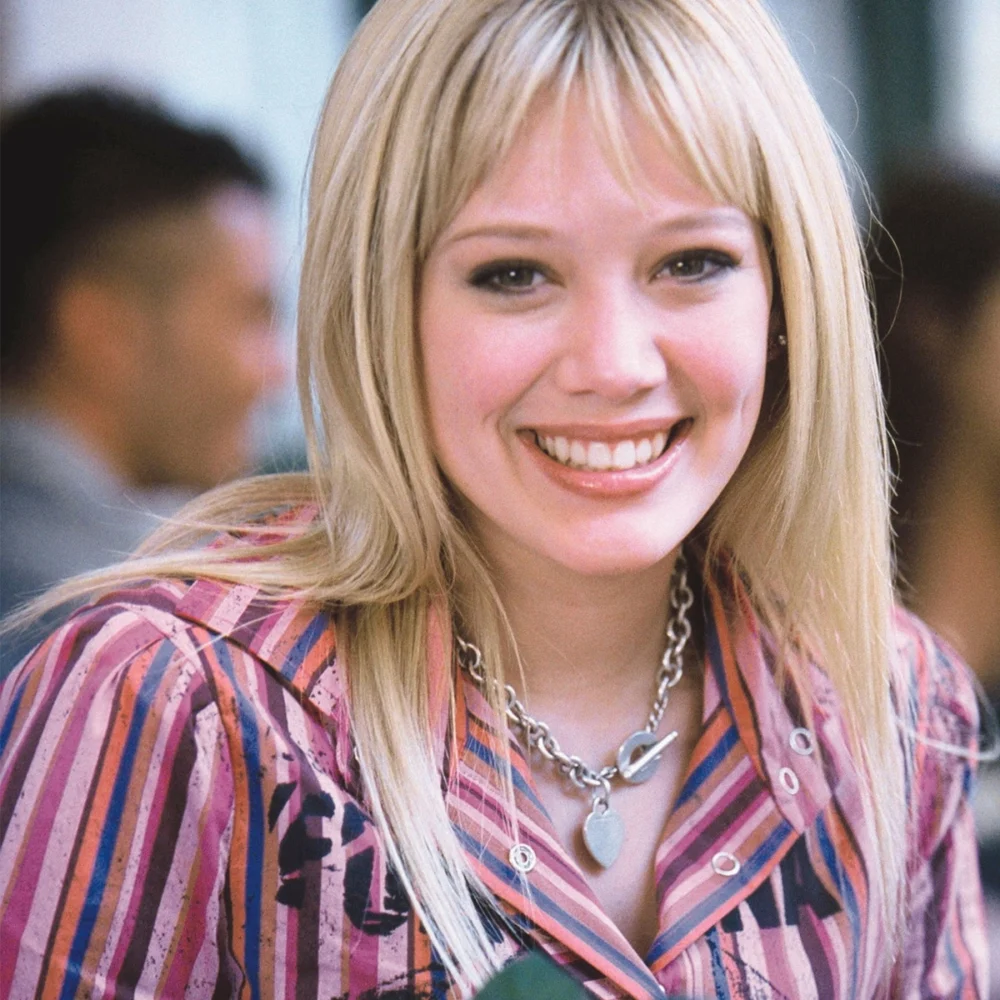
For a generation of women who came of age in the early 2000s, Lizzie McGuire was more than just a television character; she was a digital confidante who navigated the treacherous waters of junior high alongside us. When Disney+ announced a revival in 2019, the excitement was palpable. Fans were ready to see how Lizzie had handled her twenties and what her life looked like as a thirty-year-old woman. However, the project was famously scrapped in 2020 due to "creative differences," leaving a void of "what ifs" that has lingered for years. Recently, the veil of mystery surrounding that canceled reboot has finally been lifted, revealing a narrative that was far more mature, dramatic, and perhaps "NSFW" than the House of Mouse was prepared to handle.
Writer Jonathan Hurwitz, who was part of the creative team for the revival, recently took to social media to share the specific plot points that would have defined Lizzie’s return. The story would have found Lizzie living a seemingly curated life in New York City, working as an interior designer. In a departure from her teenage clumsiness, this version of Lizzie was sophisticated and dating a "very, very handsome chef." However, the quintessential McGuire drama remained. The inciting incident of the series would have seen Lizzie discovering that her partner was cheating on her with her best friend.
This betrayal prompts a mid-life crisis of sorts, leading Lizzie to abandon her New York life and return to her childhood home in California. It is there that she would have reunited with her family—parents Jo and Sam and her brother Matt—and, most importantly, her animated alter ego. But the homecoming wasn’t just about family; it was about the two men who defined her youth: David "Gordo" Gordon and Ethan Craft.
The revelation regarding Gordo, played by Adam Lamberg, was perhaps the most polarizing for long-term shippers. While the 2003 Lizzie McGuire Movie ended with a romantic rooftop kiss in Rome, the reboot would have grounded that fantasy in the harsh reality of growing up. In the second episode of the revival, Lizzie was set to learn that Gordo was not only in a committed relationship but was engaged and expecting a child with his fiancée. Hilary Duff herself has since reflected on this creative choice, suggesting that while it might be devastating for fans, it felt authentic. She noted in a recent podcast appearance that the pair likely had an "almost-thing" after their cinematic kiss, but ultimately, they were destined to be the "one that got away."
If Gordo represented the stable, emotional past, Ethan Craft represented the uninhibited, impulsive present. Hurwitz revealed a scene that likely contributed to Disney’s hesitation to move forward with the project. In the second episode, Lizzie would have woken up in Ethan’s bed, wearing his water polo T-shirt. Her animated self would have appeared with a literal "to-do" list, checking off Ethan’s name with the suggestive remark, "Well, checked that box. Twice." This lean into Lizzie’s sexuality and the realities of modern dating was a far cry from the G-rated antics of the Disney Channel, but it was exactly the kind of "adulting" narrative Duff and the creators felt the character deserved.
The cancellation of the reboot in 2020 was a mourning period for fans, but it also served as a reminder of the complex history of the franchise. The original series, which premiered 25 years ago, was itself a product of happy accidents and bold choices. Originally titled What’s Lizzie Thinking?, the show was pitched without the iconic animated segments, featuring only a standard voiceover. It wasn’t until later in development that the "Animated Lizzie" was born, giving the show its unique psychological depth.
The casting process for the titular role was a high-stakes search that nearly went in a very different direction. Future teen star Lindsay Lohan was among the finalists for the part, as were Sarah Paxton and Hailee Hirsh. Hilary Duff, who eventually became synonymous with the role, actually believed she had blown her audition. She later admitted she hadn’t properly prepared her lines and was ready to quit acting entirely before creator Terri Minsky saw a spark of relatability in her that the other actresses lacked.
Duff’s fashion sense also played a pivotal role in her casting. Disney executives recalled calling her back four times, not because of her acting notes, but because they were fascinated by her outfits. Duff intentionally used her eclectic, colorful wardrobe to stand out from the hundreds of other girls in the waiting room, unintentionally creating a style blueprint for an entire decade of middle schoolers.
The original run of Lizzie McGuire was also more subversive than many remember. One of the series’ most famous episodes involved Lizzie and Miranda’s quest to buy their first bra. At the time, Disney Channel executives were terrified of the subject matter, arguing that it was too mature for their audience. Producer Stan Rogow recalled the pushback, noting that the network thought the writers "couldn’t do that." However, the episode became a cultural touchstone for young girls, validating a universal experience that was often ignored by mainstream media.
Despite its massive success—at its peak, the show generated an estimated $100 million in merchandise and averaged 2 million viewers per episode—the original franchise came to a screeching halt due to behind-the-scenes friction. After the 2003 film grossed over $50 million, plans were in motion for a sequel and a high school-themed spin-off on ABC. However, negotiations between Disney and Hilary Duff’s team, led by her mother Susan Duff, turned sour. The Duffs felt the network was "strong-arming" them and not offering a fee commensurate with Hilary’s status as a global brand. The fallout was so severe that Disney walked away from the franchise entirely, and Hilary moved on to a flourishing film and music career.
In the vacuum left by Lizzie, Disney attempted to capture lightning in a bottle twice. They developed a pilot for a spin-off titled Stevie, starring a young Selena Gomez as the sister of Lizzie’s best friend, Miranda. The show would have utilized the same animated-inner-monologue format. However, the network ultimately passed on Stevie in favor of another project: Hannah Montana. While Gomez missed out on the McGuire universe, she eventually found her own path to stardom through The Wizards of Waverly Place.
The legacy of Lizzie McGuire remains potent, even reaching the highest echelons of pop culture. Cardi B has famously cited The Lizzie McGuire Movie as a source of inspiration, noting that she plays "What Dreams Are Made Of" in her head whenever she attends high-profile fashion events like Paris Fashion Week. This enduring connection is why the cancellation of the revival felt like such a personal loss to so many.
For Hilary Duff, the journey with Lizzie has been one of reconciliation. In the years following the show’s end, she admitted that being known only as Lizzie McGuire was "torturous" and "annoying." She took a hiatus from the industry to find her own identity away from the spotlight, fearing that she would never be seen as anything else. Today, however, her perspective has shifted. She has embraced the character’s impact, which is why she fought so hard for a revival that felt honest.
The "creative differences" that killed the Disney+ reboot were essentially a clash between nostalgia and reality. Disney wanted the Lizzie they remembered from 2001—safe, wholesome, and perpetually teen-coded. Duff and her writers wanted the Lizzie that we had all become—someone who deals with heartbreak, professional setbacks, and complicated sexual dynamics. While we may never see that "checked the box twice" scene on our screens, knowing the direction the show was headed provides a bittersweet closure. Lizzie McGuire grew up, even if the network wasn’t ready to let her. She remains a symbol of that transition from girlhood to womanhood, a character who, even in her unproduced scripts, continues to tell the truth about what it means to find yourself.