
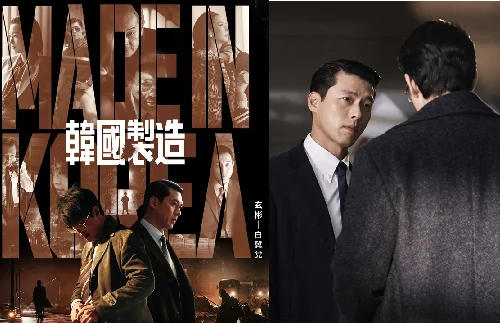
The gripping narrative of Disney+’s original Korean drama, Made in Korea, has reached its dramatic conclusion with the broadcast of its final episode, leaving audiences captivated by its potent blend of suspense and character-driven storytelling. Spearheaded by a transformative performance from its leading man, the series has cemented its status as a must-watch, particularly for its unflinching portrayal of ambition and its stark exploration of power dynamics in a pivotal era. At the heart of this success lies the unforgettable character of Baek Gi-tae, brought to life with chilling intensity by acclaimed actor Hyun Bin.
Hyun Bin’s Dazzling Evolution: From Romantic Lead to Ruthless Antagonist
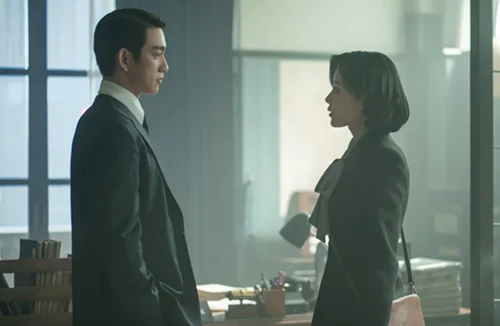
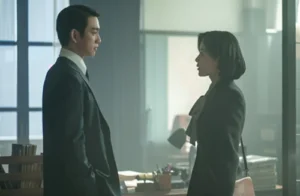
Made in Korea transports viewers to the tumultuous landscape of 1970s South Korea, a period marked by significant political and economic shifts. The series masterfully chronicles the high-stakes confrontation between Baek Gi-tae, portrayed by Hyun Bin, a man consumed by an insatiable hunger for wealth and influence, and the tenacious prosecutor Jang Geon-young, played by the formidable Jung Woo-sung. Hyun Bin sheds his established persona of the charming, romantic hero, stepping into the complex shoes of a Central Intelligence Agency section chief who skillfully manipulates the desires and vulnerabilities of those around him to ascend to greater power. This bold departure from his previous roles has been met with widespread critical acclaim, demonstrating a remarkable expansion of his acting prowess and a willingness to embrace darker, more morally ambiguous characters. His portrayal of Baek Gi-tae is not merely villainous; it’s a nuanced exploration of the corrupting nature of power and the psychological toll of unchecked ambition. The actor’s ability to convey a subtle menace beneath a veneer of calculated charm has been particularly lauded, creating a character that is as magnetic as he is terrifying.

The fervent online discourse following the finale underscored the profound impact of the series. Viewers enthusiastically shared their admiration, with comments frequently highlighting the exceptional quality of the production. "The director’s storytelling and visuals are on another level," proclaimed one viewer, echoing a sentiment of awe at the series’ artistic direction. The refined Korean noir aesthetic was a recurring theme, with many praising its sophisticated execution: "Absolutely mesmerised by the refined Korean noir style." The emotional resonance of the drama was also a significant talking point. "I rarely leave reviews, but this is the best series I’ve watched in a long time," shared a particularly moved fan, indicating the profound connection forged with the narrative and its characters. The ensemble cast received universal praise, but Hyun Bin’s performance was singled out for its transformative nature. "The actors’ performances are outstanding," noted one user, followed by the emphatic statement, "I’ve discovered Hyun Bin all over again." This sentiment was amplified by further accolades: "Congratulations to Hyun Bin for creating yet another career-defining role." The overall production value was consistently recognized, with viewers commenting on the high caliber of every aspect: "The overall quality of this production is incredibly high." The anticipation for future installments was palpable, with fans already speculating about the direction of the next season: "I can’t wait to see which chapter of history Season 2 will open with." The desire for immediate re-engagement with the series was also evident, with one fan enthusiastically stating, "Time for an immediate rewatch—I’ll be looping this until Season 2 arrives."
Beyond critical acclaim and audience adoration, Made in Korea‘s commercial success has been equally impressive, as evidenced by its strong performance on streaming platforms. According to FlixPatrol, the series dominated the Disney+ Korea TV series chart for an unprecedented 21 consecutive days, a testament to its widespread appeal within its home market. Its popularity extended beyond South Korea, securing the No. 1 spot in Taiwan and achieving top rankings across numerous Asian markets, including Japan, Hong Kong, and Singapore. This robust international performance solidified Made in Korea‘s position as a global phenomenon. Furthermore, the drama set a new benchmark for domestic viewership, becoming the most-watched Korean original series released on Disney+ in 2025. This significant achievement underscores the growing global appetite for high-quality Korean content and the platform’s strategic investment in expanding its K-drama offerings.
Hyun Bin’s compelling portrayal of Baek Gi-tae is poised to be a watershed moment in his illustrious career. By delving into the complexities of a villain who defies simple categorization, he has offered a performance that transcends the conventional good-versus-evil dichotomy. This nuanced approach to a morally ambiguous character has not only showcased his acting depth but also redefined audience perceptions of his capabilities as a performer. The character’s intricate motivations, his strategic maneuvering, and his capacity for both ruthlessness and a certain charismatic allure have resonated deeply with viewers, sparking discussions about the nature of power and corruption. His performance is a masterclass in understated intensity, revealing the internal struggles and calculating mind of a man who believes he is destined for greatness, regardless of the cost to others. This exploration of a flawed yet fascinating antagonist has undoubtedly broadened Hyun Bin’s appeal and cemented his reputation as a versatile and formidable talent.
The confirmation of a second season of Made in Korea has sent waves of excitement through the fanbase, with production already underway. The first season meticulously laid the groundwork for Baek Gi-tae’s compelling saga, establishing his formidable presence and the intricate web of alliances and betrayals that define his world. As audiences eagerly anticipate the next chapter, the success of the inaugural season suggests that the subsequent installment will likely delve deeper into the consequences of Baek Gi-tae’s actions and the broader implications of his rise to power within the socio-political landscape of 1970s Korea. The creative team has demonstrated a remarkable ability to craft a narrative that is both historically resonant and universally engaging, hinting at further compelling storylines and character developments in Season 2. The anticipation is not just for a continuation of the plot, but for a further exploration of the thematic elements that made the first season so impactful: the intoxicating allure of power, the moral compromises it demands, and the enduring struggle for justice in a world often defined by inequity. The global success of the series has set a high bar, and fans are eager to see how the story will unfold and what new challenges and revelations await them in the highly anticipated return of Made in Korea. The series’ ability to blend historical context with universal themes of ambition, loyalty, and betrayal has struck a chord with audiences worldwide, making its return a subject of considerable excitement.
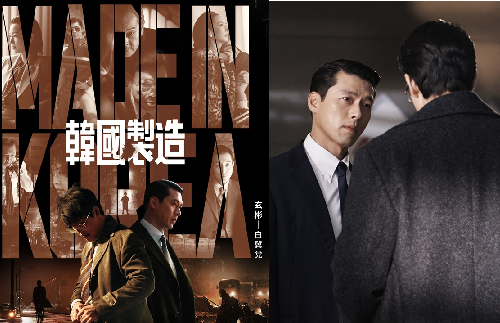
The success of Made in Korea can also be attributed to its meticulous attention to detail in recreating the atmosphere and social fabric of 1970s South Korea. The production design, costume choices, and musical score all contribute to an immersive experience, transporting viewers back in time and providing a rich backdrop for the unfolding drama. The series doesn’t shy away from depicting the political climate of the era, the pervasive corruption, and the social stratification that fueled the characters’ ambitions. This historical grounding adds a layer of authenticity and gravitas to the narrative, elevating it beyond a mere crime thriller. The tension between tradition and modernization, the burgeoning economic development juxtaposed with political authoritarianism, creates a fertile ground for the complex moral dilemmas faced by the characters. Baek Gi-tae, in particular, embodies the drive for progress and prosperity that characterized South Korea during this period, but his methods highlight the dark underbelly of such ambition.
The partnership between Hyun Bin and Jung Woo-sung also proved to be a masterstroke. Their on-screen chemistry, characterized by a palpable tension and intellectual sparring, forms the dramatic core of the series. As prosecutor Jang Geon-young, Jung Woo-sung embodies the unwavering pursuit of justice, serving as the moral compass against which Baek Gi-tae’s machinations are measured. Their confrontations are not just physical; they are ideological battles, representing the clash between the law and the lawless, between righteousness and ruthless pragmatism. The nuanced performances of both actors ensure that their characters are not one-dimensional adversaries but complex individuals with their own motivations and vulnerabilities, making their conflict all the more compelling. The dynamic between these two powerhouse actors is a significant draw, adding a layer of gravitas and dramatic weight to every scene they share.
Furthermore, the series’ exploration of the intelligence apparatus and its role in shaping political and economic destinies offers a fascinating glimpse into a lesser-discussed aspect of Korean history. Baek Gi-tae’s position within the CIA allows the narrative to delve into clandestine operations, power plays within secretive organizations, and the ethical compromises inherent in such a system. This provides a unique angle on the Korean noir genre, infusing it with political intrigue and a broader commentary on the forces that shape a nation. The series masterfully weaves together personal ambition with national stakes, demonstrating how the pursuit of individual power can have far-reaching consequences for society as a whole. This intricate layering of personal drama with larger socio-political commentary is a hallmark of sophisticated storytelling.
The visual language of Made in Korea is another element that has garnered significant praise. The cinematography is often stark and atmospheric, employing shadows and dramatic lighting to enhance the mood of suspense and moral ambiguity. The meticulous framing and composition of shots contribute to the overall aesthetic, creating a visual experience that is as compelling as the narrative itself. The series embraces the conventions of noir filmmaking while injecting them with a distinctly Korean sensibility, resulting in a visual style that is both familiar and refreshingly original. The use of period-appropriate settings, from opulent corporate offices to gritty back alleys, further immerses the viewer in the world of the story, making the visual storytelling a crucial component of its success.
The widespread acclaim and commercial success of Made in Korea signal a growing trend of audiences seeking out more mature and complex narratives within the K-drama landscape. While romantic comedies and historical dramas have long been popular, series like Made in Korea demonstrate a burgeoning appetite for gritty thrillers, character-driven dramas, and explorations of darker themes. This evolution in audience preference bodes well for the future of Korean storytelling, encouraging creators to push boundaries and experiment with new genres and narrative approaches. Hyun Bin’s willingness to take on such a challenging role is a testament to this shift, proving that established stars can continue to reinvent themselves and captivate audiences with their versatility. The success of Made in Korea serves as a powerful indicator that Korean cinema and television are capable of producing world-class content that rivals, and in many cases surpasses, international productions. The anticipation for Season 2 is not merely a desire for more of the same, but a hope that the series will continue to build upon its already impressive foundations, delivering further depth, intrigue, and unforgettable performances. The journey of Baek Gi-tae, and the intricate world he inhabits, has clearly struck a chord with a global audience eager for sophisticated and compelling storytelling.