

IDOL I’s Latest Episodes Unpack Industry Cruelty and Unexpected Heartbreak
The compelling narrative of “IDOL I” continues to captivate audiences, proving why it has remained a must-watch drama since its impactful premiere. Episodes 9 and 10 delve deeper into the cutthroat world of K-pop, masterfully intertwining moments of stark cruelty with profound emotional revelations. The series unflinchingly critiques the entertainment industry’s darker underbelly, from manipulative corporate tactics to the predatory nature of tabloid journalism, while simultaneously exploring the resilience and humanity of its characters. This balance of the bitter and the sweet keeps viewers thoroughly invested, particularly in the unfolding journeys of Do Ra Ik (Kim Jae Yeong) and Maeng Se Na (Girls’ Generation’s Sooyoung). As the plot thickens, these latest installments deliver two particularly egregious acts of manipulation and two incredibly touching instances of connection that resonate deeply with the show’s core themes.
Warning: Significant plot details from episodes 9-10 are discussed below.
The Unscrupulous Underbelly: Two Acts of Industry Malice
The Orchestrated Downfall: Laich Entertainment’s Vicious Frame-Up of Woo Seung
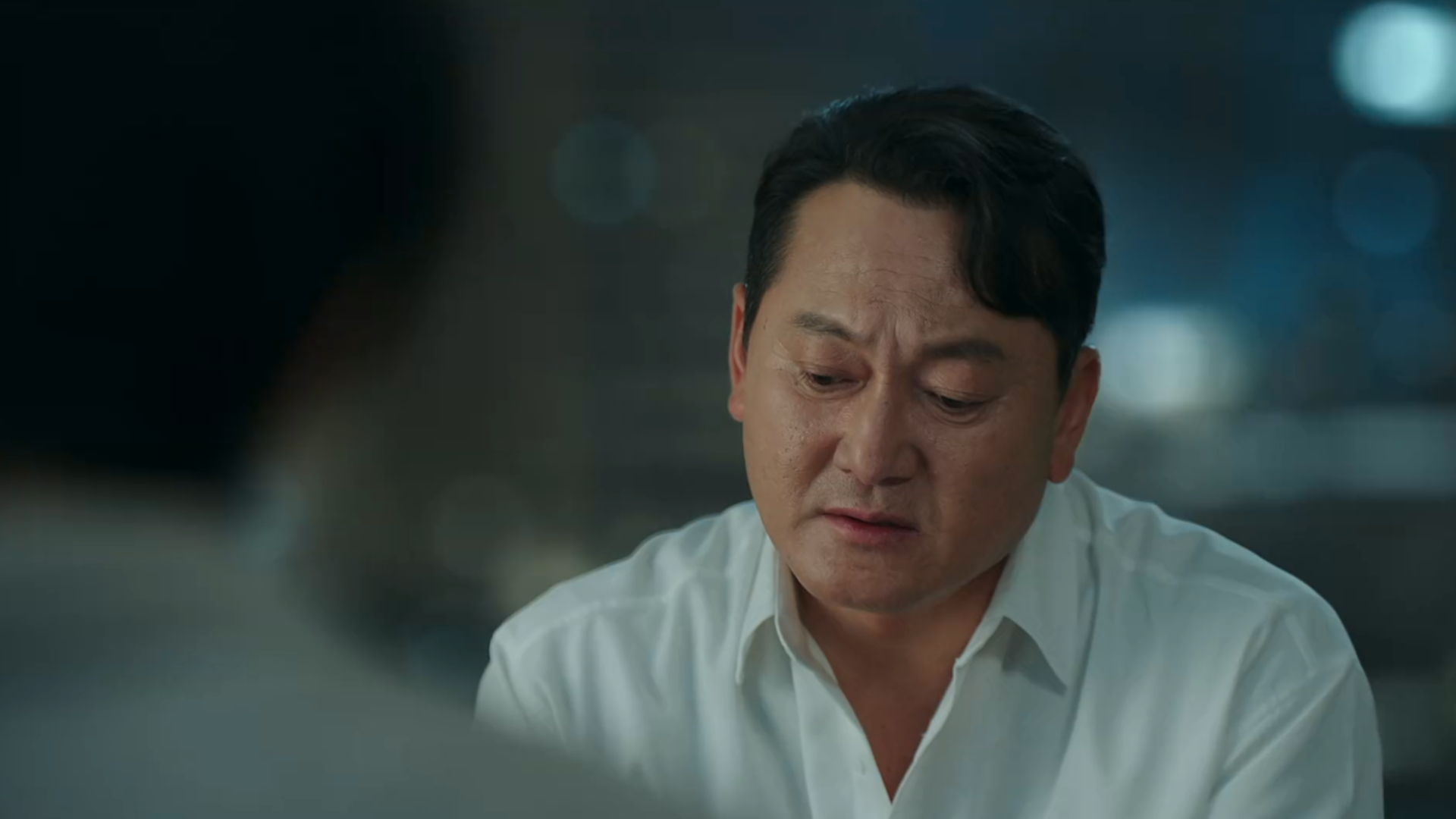
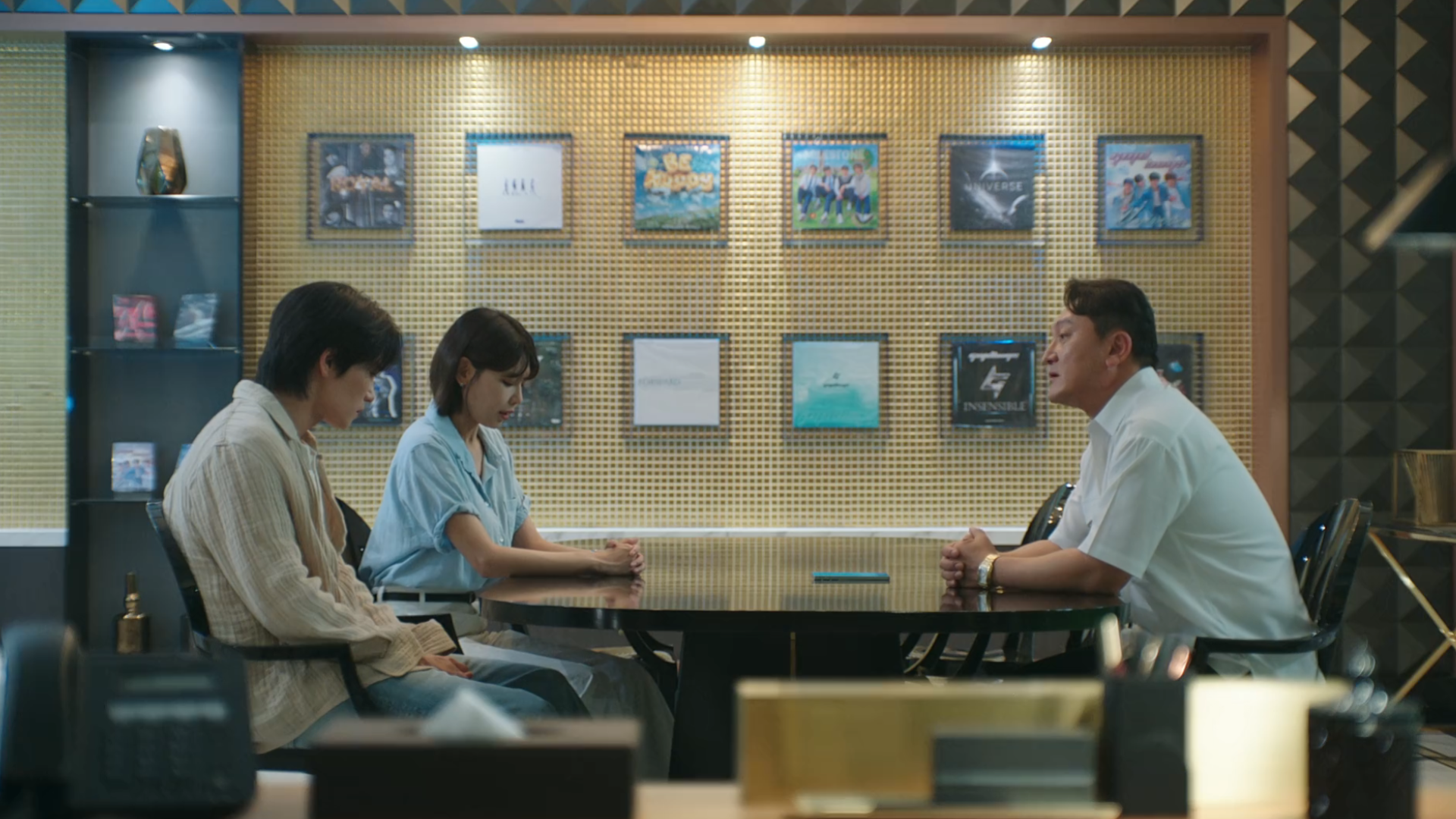
From its very inception, “IDOL I” has maintained a relentless pace of shocking revelations, and the latest episodes are no exception. A lingering mystery from earlier in the series was the confirmation that Woo Seung (Ahn Woo Yeon) had secretly engaged with Laich Entertainment on behalf of Do Ra Ik. This seemingly unforgivable act of betrayal, initially painted as opportunistic jealousy, is finally given its heartbreaking context through a flashback narrated by the CEO of Goldie Entertainment.
The truth, as revealed, is far more tragic than simple envy. Woo Seung’s clandestine negotiations were not born of malice but of sheer desperation. Gold Boys, his group, was struggling, and their current CEO at Goldie Entertainment had categorically refused to grant them another album release. Woo Seung, witnessing his group’s dreams slowly fade, saw an alliance with Laich Entertainment as the only viable path to secure one last opportunity for his bandmates. His motivation was rooted in loyalty and a profound desire to save their collective future, even if it meant risking his own standing.
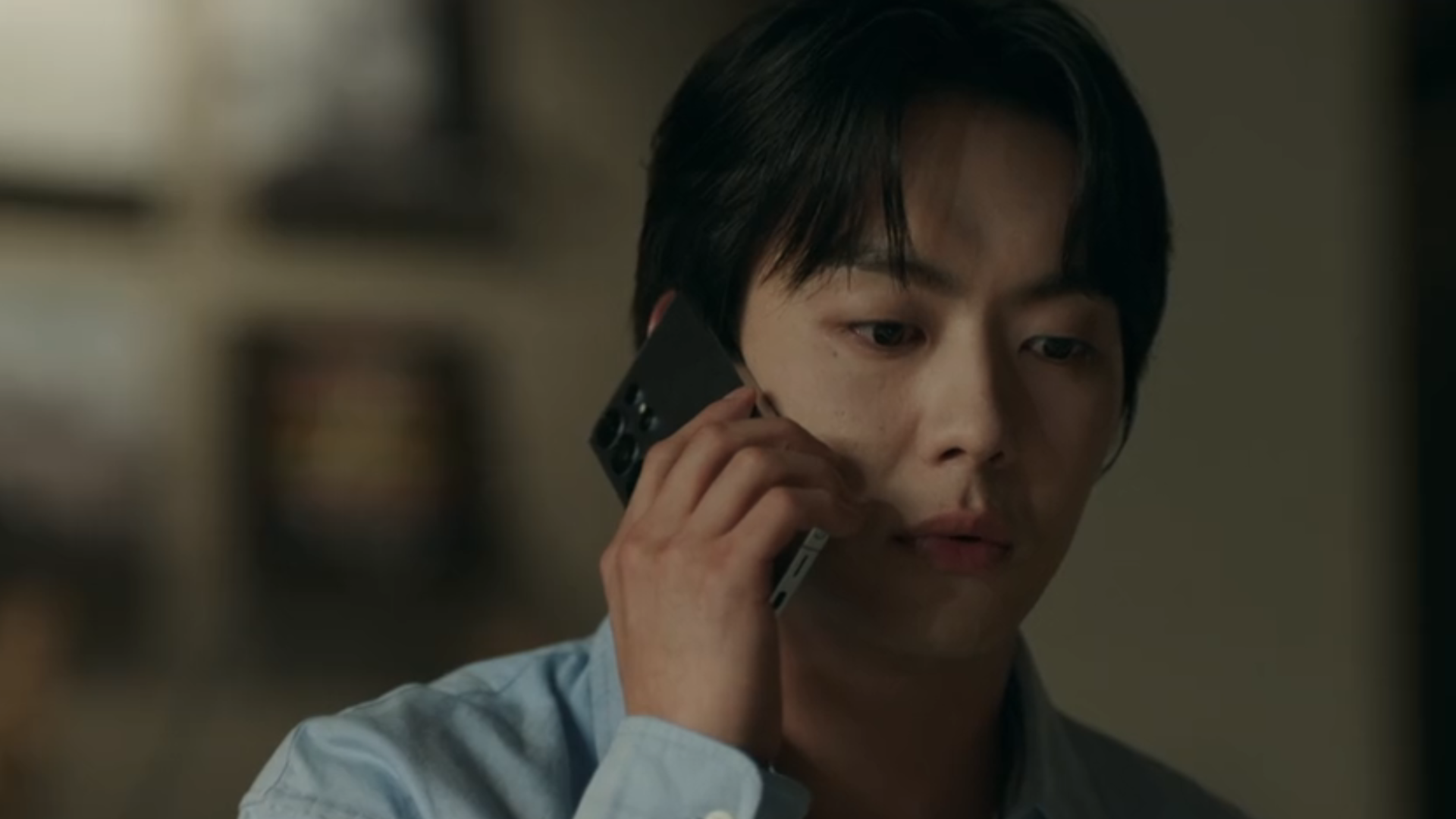
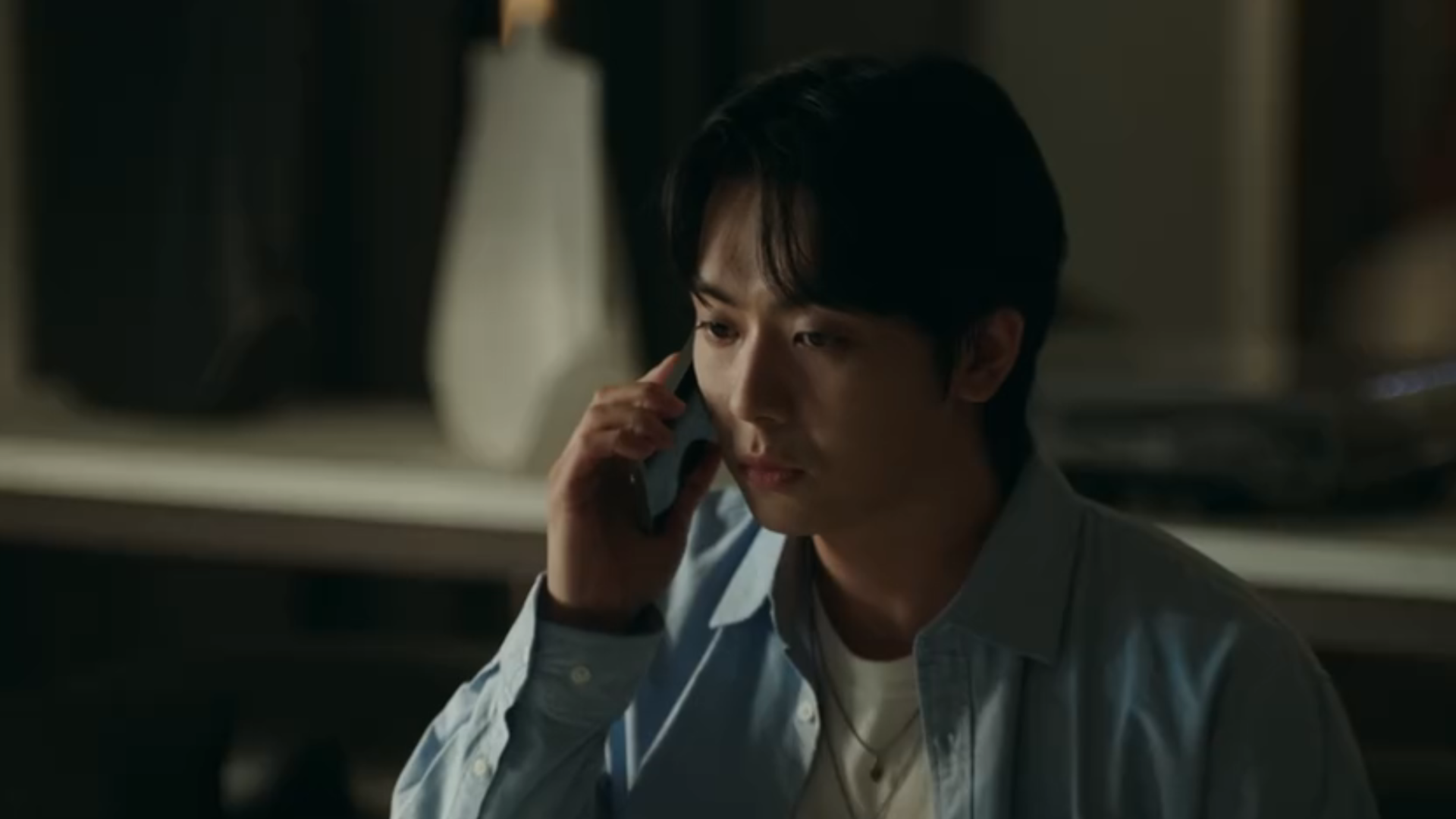
The true villainy lies in Laich Entertainment’s calculated treachery. Woo Seung, in his earnest attempts, never actually breached the terms of Gold Boys’ exclusive contract. Instead, Laich Entertainment meticulously recorded fragments of his conversations, then expertly manipulated and selectively edited them to construct an entirely false narrative. They twisted his sincere efforts into a tale of disloyalty, painting him as a traitor for their own corporate gain. In this devastating turn, Woo Seung is revealed not as the betrayer, but as yet another casualty of an industry that thrives on cunning and exploitation.
This storyline serves as a chilling testament to one of “IDOL I’s” most poignant and unsettling messages: even individuals who strive to uphold their integrity and adhere to the rules can be easily ensnared by powerful, unscrupulous forces. The system, as depicted, is inherently designed to favor power over principles, leaving earnest individuals like Woo Seung utterly defenseless once their story has been hijacked and distorted for public consumption. His plight underscores the precarious existence of idols, where one misstep, or even an innocent act, can be weaponized against them.
Gossip Facts: The Corrosive Business of Fabricated Narratives

The steady erosion of credibility in modern journalism, particularly within the sensationalist realm of tabloids, is a well-documented phenomenon. Media outlets, increasingly driven by the insatiable demand for clicks and virality, often abandon journalistic ethics in favor of profit. “IDOL I” boldly confronts this grim reality, yet watching these unethical practices unfold on screen, directly impacting characters viewers have come to empathize with over five weeks, evokes a visceral blend of surrealism and profound indignation.
In episodes 9 and 10, the spotlight falls on a writer from the fictional tabloid site, Gossip Facts. This individual is depicted openly brainstorming strategies to maximize web traffic, explicitly prioritizing sensationalism over truth, even if it means deliberately inflicting harm upon Maeng Se Na. Nursing a grudge after being compelled to retract a previous article concerning Do Ra Ik, the writer unleashes a barrage of malicious content. The first piece slyly suggests that Do Ra Ik and Maeng Se Na are cohabiting, leveraging her role as his legal representative to frame the situation as a deeply unethical professional conflict. Not content with this, the writer then escalates the attack, publishing a second, even more damning article that cruelly exposes Maeng Se Na as the daughter of a convicted murderer, delving into her deeply personal and painful past.
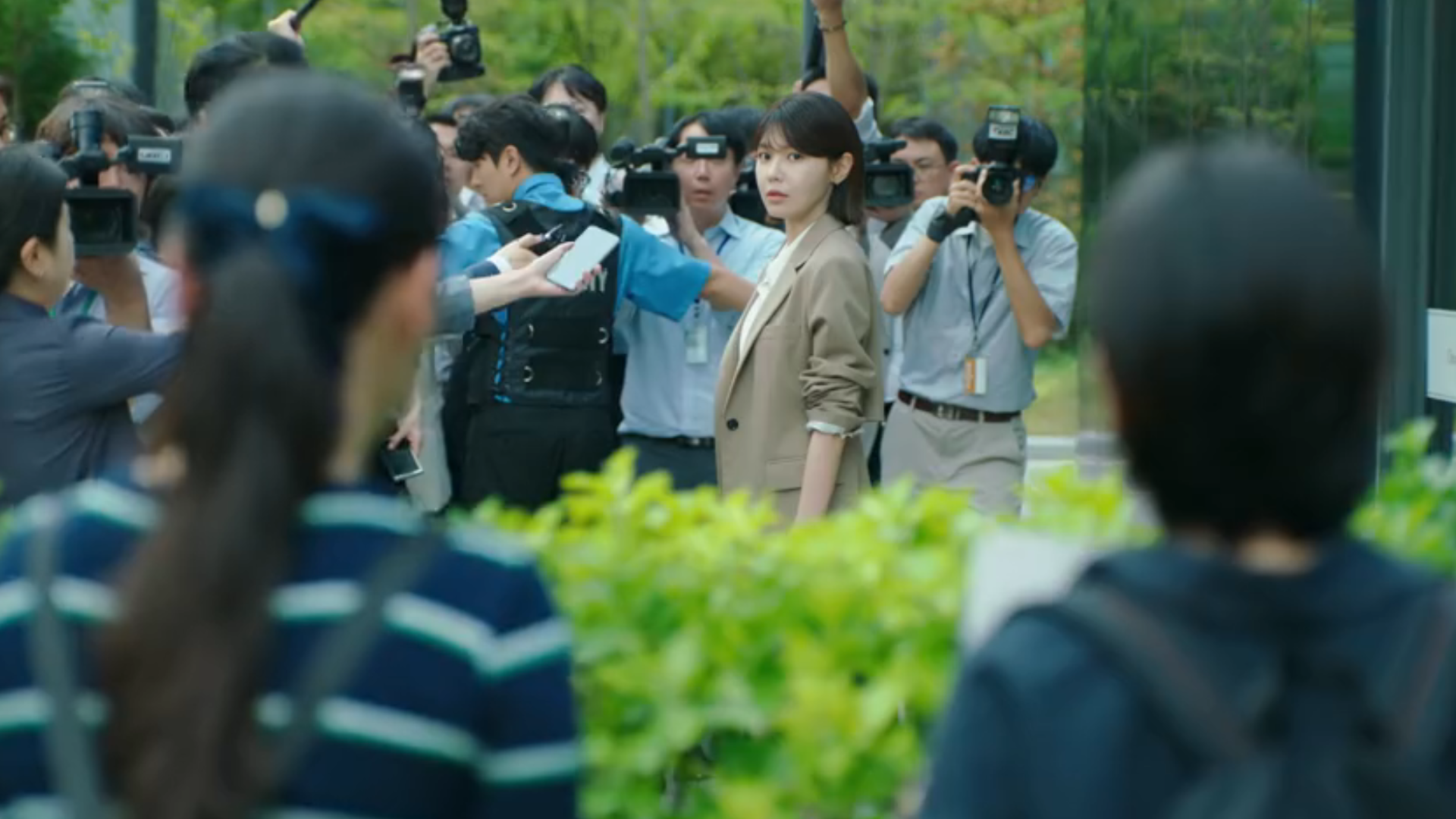
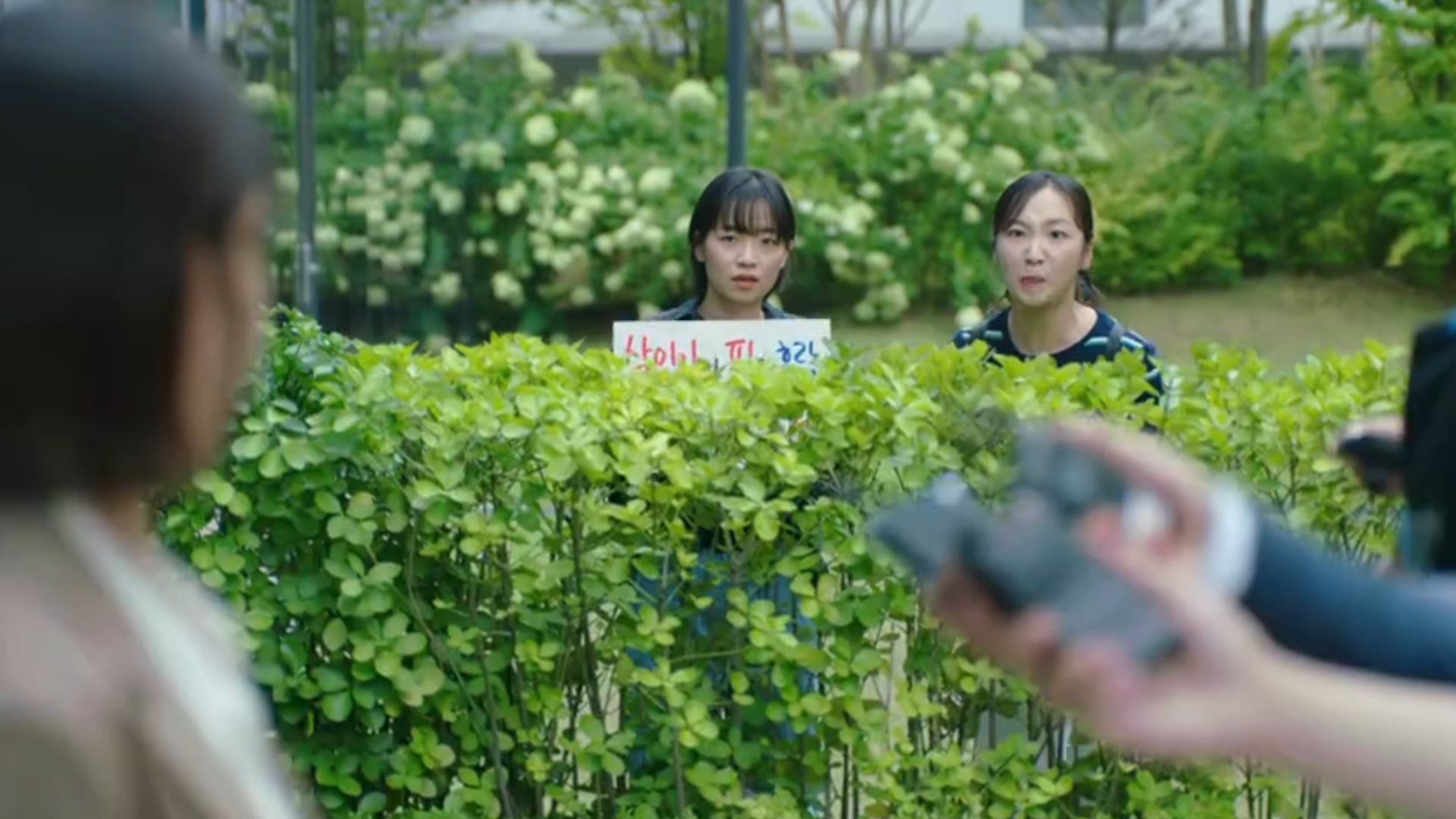
While the journalist is undeniably culpable for manufacturing and disseminating unverified, deeply invasive, and profoundly damaging information, “IDOL I” cleverly extends its critique to the complicity of the public. The drama compels viewers to confront their own role in this ecosystem: without a voracious demand for such content, the supply would cease to exist. If fans did not actively seek out, consume, and feverishly circulate these sensationalized and often fabricated narratives, the pervasive and destructive tabloid culture would simply not flourish to the extent that it does.
This painful truth is driven home in a gut-wrenching scene where enraged fans, fueled by the inflammatory articles, descend upon Maeng Se Na’s office. They hurl their light sticks at her, symbols of their former adoration now weaponized as projectiles of scorn. This difficult-to-watch moment serves as a chilling and unforgettable reminder of the fragility of public opinion, illustrating how swiftly admiration can morph into vitriolic cruelty when manipulated by external forces. It’s a powerful commentary on the parasocial relationships inherent in idol culture and the devastating consequences when those relationships are poisoned by misinformation.
Moments of Connection: Two Heartfelt Turns
Do Ra Ik’s Unflinching Honesty: Beyond Gratitude

If these latest episodes solidify one truth about Do Ra Ik, it is that his unwavering clarity of intention is arguably his most compelling trait. Following Jae Hee’s (Park Jeong Woo) hospitalization, Maeng Se Na arrives with a thoughtful gesture of fried chicken and cola, aiming to lift his spirits. Their quiet meal is unexpectedly joined by Chung Jae (Kim Hyun Jin), creating a subtly tense atmosphere around the table.
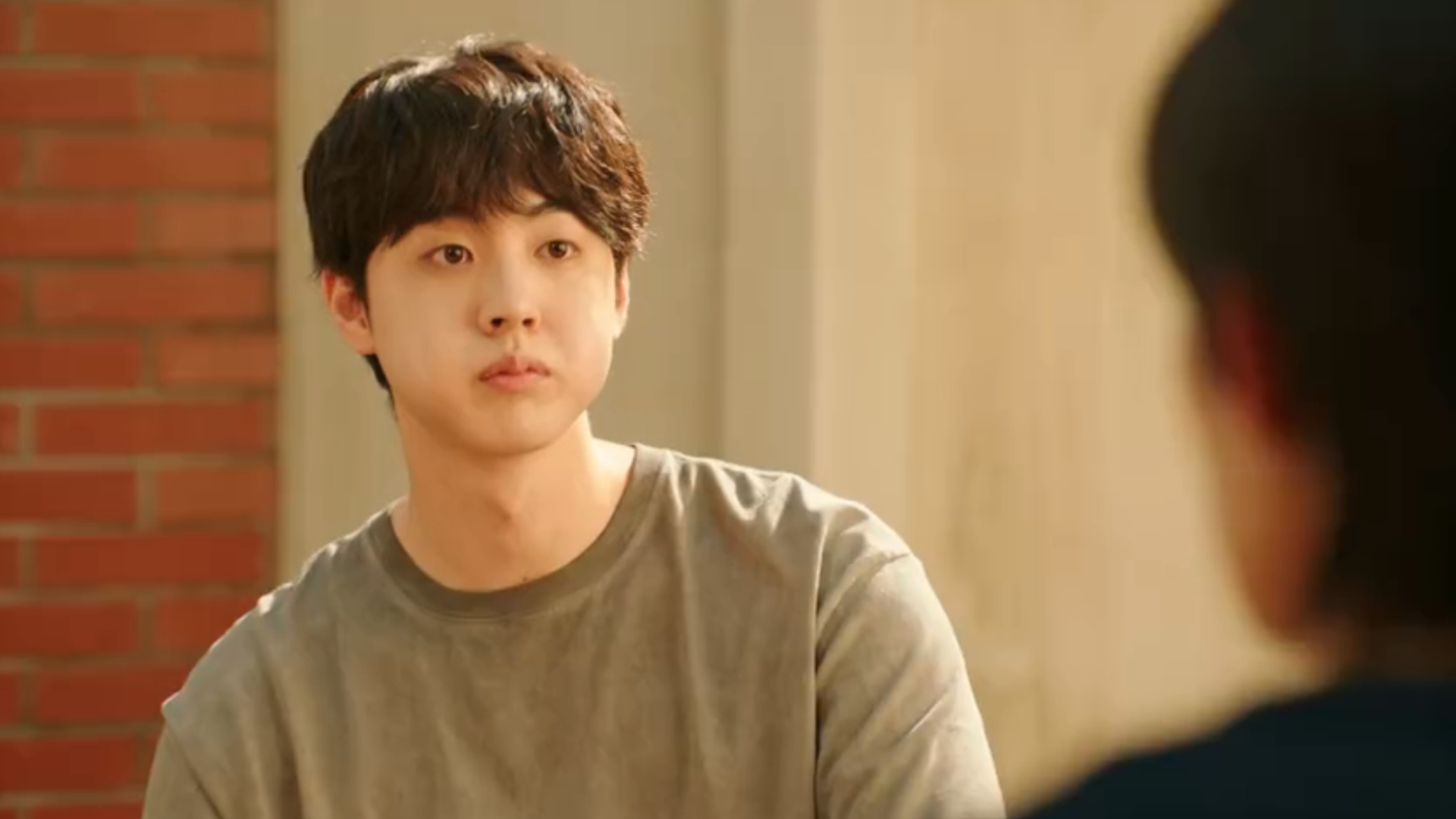
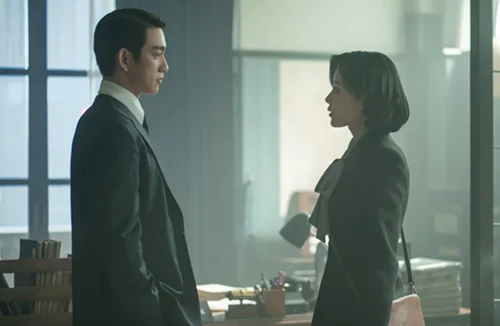
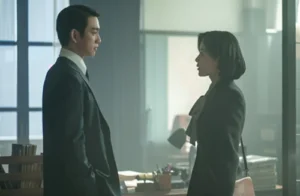
When Maeng Se Na briefly excuses herself, Chung Jae seizes the opportunity for a private word with Do Ra Ik. Under the guise of brotherly concern, he cautions Do Ra Ik, asserting that Maeng Se Na is merely a kind-hearted individual who enjoys helping others, and he should not misinterpret her altruism for romantic interest. While framed as a benevolent warning, Chung Jae’s words are laced with a palpable undertone of his own unspoken feelings and a desperate, perhaps subconscious, attempt to protect his own hope. On some level, he undoubtedly perceives the burgeoning connection between Do Ra Ik and Maeng Se Na, yet he cannot resist making one last, poignant effort to define their relationship on his own terms.
Do Ra Ik, however, meets this thinly veiled challenge with resolute honesty. He makes it unequivocally clear that he cannot—and will not—reduce his profound feelings for Maeng Se Na to mere gratitude or professional appreciation. His desire extends far beyond that, and with a quiet strength, he articulates his true intentions aloud. This scene, though understated, is remarkably powerful. It showcases Do Ra Ik’s growth, his emotional maturity, and his courage to pursue genuine connection in a world rife with superficiality. To say it is one of Do Ra Ik’s most attractive and defining moments would be an understatement; it’s a declaration of authentic self-awareness and romantic resolve.
An Unforgettable Day: Fish Cake Broth, an Aquarium, and a True Date

With the series hurtling towards its climactic conclusion in just two episodes, “IDOL I” grants its devoted viewers some of its most exquisitely tender and heartwarming moments to date. Though explicitly unlabelled as such, Do Ra Ik and Maeng Se Na embark on what is, in essence, a deeply intimate and genuine date—a much-needed balm amidst the pervasive tension and drama.
The excursion begins with Maeng Se Na posing a poignant question to Do Ra Ik: what would he choose to do if granted just one day to live as an ordinary passerby? His response is both telling and profoundly moving: he takes her to his middle school. This unassuming location represents a time when he was simply a normal child, unburdened by the immense pressures of idol training and the public eye. The emotional weight of this choice lies in the powerful implication that this might be the very first time Do Ra Ik has ever truly opened up and invited someone into such a deeply personal and vulnerable facet of his past, a testament to the growing trust and affection between them.
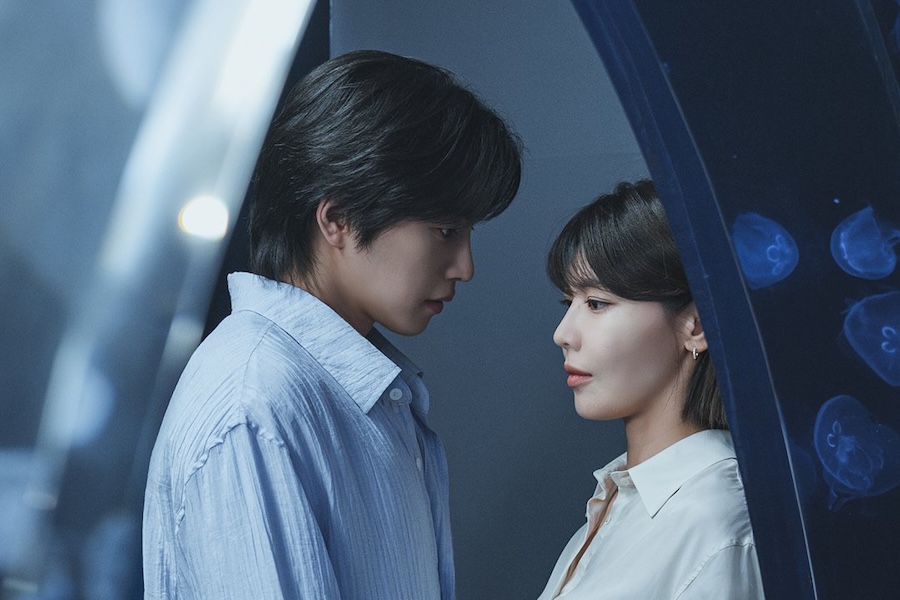
Their unofficial date continues at an aquarium, a place Do Ra Ik has never visited before. Watching him as he gazes at the vibrant marine life, his face alight with a childlike wonder and awe, is profoundly affecting. His entire childhood, as depicted throughout the drama, was relentlessly consumed by rigorous training regimes, leaving him no space for the simple joys and explorations that define a normal youth. To witness him experiencing such pure, unadulterated joy, even if fleetingly, as he marvels at the underwater world, elevates this moment into an unforgettable highlight. It’s a powerful visual metaphor for the life he was denied and the quiet happiness he is now beginning to discover with Maeng Se Na.
The Darkening Path of Kwak Byeong Gyun
Meanwhile, the trajectory of Kwak Byeong Gyun (Jung Jae Kwang) takes an increasingly sinister turn. If there was ever an opportunity for him to choose a different, more ethical path, that chance has now irrevocably passed. Initially, Byeong Gyun showed discernible discomfort with the manipulative tactics of selecting a target and systematically constructing a case around them. However, he has now fully embraced this insidious approach, demonstrating a chilling descent into moral depravity. His latest scheme—to merge Woo Seung’s and Jae Hee’s cases and orchestrate a frame-up implicating Do Ra Ik as a murderer—underscores just how far he has fallen. As “IDOL I”
You May Also Like


More From Author

Fiona Dourif Navigates the Mind’s Labyrinth in "Psychonaut," Set to Electrify European Film Market with Fizz-e-Motion