



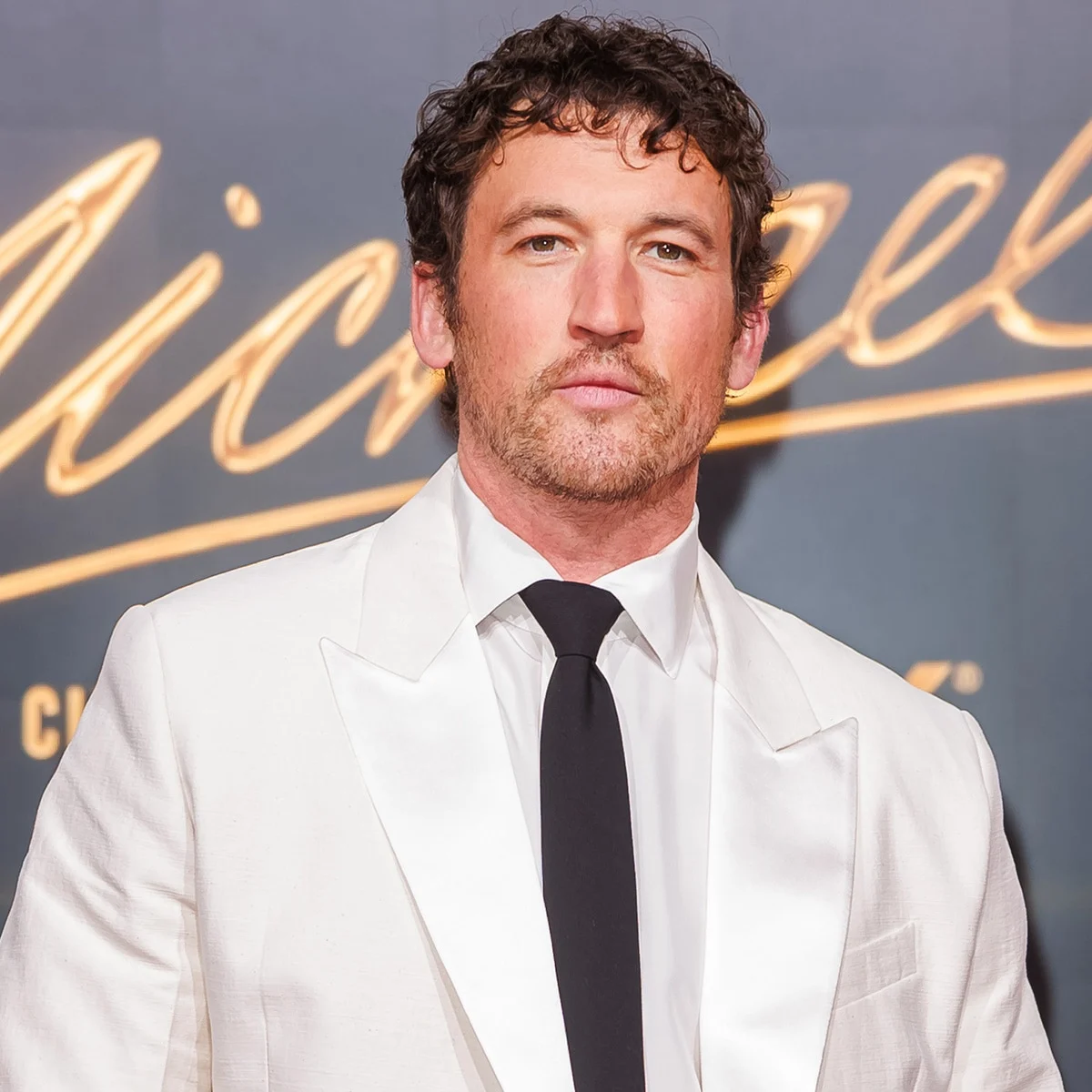
While many know Miles Teller for his high-octane roles in blockbusters like Top Gun: Maverick or his intense, breakout performance in Whiplash, the 39-year-old actor has quietly been building a business empire far away from the film sets of Los Angeles. That venture recently reached a staggering milestone. The Long Drink Company, a Finnish-inspired beverage brand in which Teller has been a long-term investor, was recently acquired by The Mark Anthony Group of Companies—the powerhouse behind the White Claw phenomenon—in a deal reportedly valued at $325 million.
For Teller, the acquisition represents more than just a windfall; it is the culmination of seven years of brand building. Speaking with The Hollywood Reporter in mid-April, the actor expressed a deep sense of pride in the company’s evolution. He noted that he wasn’t just a face for the brand but a deeply involved advocate who believed in the product long before it became a household name in the United States. While early reports labeled Teller as a minority stakeholder, other industry analyses suggest he significantly increased his ownership over the years, joining a high-profile investor roster that includes Jay-Z’s Marcy Venture Partners.
Despite the massive payout, Teller remains traditionally discreet about the specific digits hitting his bank account, citing a classic upbringing that taught him talking about money is "not in good taste." However, he was quick to clarify that this financial victory doesn’t mean he is walking away from his craft. He playfully dismissed any rumors of retirement, noting that while the payout is significant, it isn’t enough to make him hang up his acting shoes. Instead, Teller views this liquidity as a tool for his creative future. He intends to use his newfound financial leverage to produce and fund "underdog stories," trusting his instincts to bring projects to life that might otherwise struggle to find traditional studio backing.
This professional high comes on the heels of a deeply challenging period for Teller and his wife, Keleigh Sperry Teller. In January 2025, the couple was among the many residents devastated by the Los Angeles wildfires, which claimed their home and nearly all their personal belongings. The tragedy sparked a flurry of internet rumors, including a viral TikTok claim that the couple had recently dropped $17.8 million on a new Pacific Palisades mansion. Keleigh, ever protective of their privacy, challenged the report’s accuracy, questioning where such specific information originated.
Beyond the real estate gossip, the fire took a sentimental toll, destroying Keleigh’s original Monique Lhuillier wedding dress from their 2019 nuptials. In a gesture that blended romance with resilience, Miles surprised his wife this past Christmas by having the intricate gown remade from scratch. Keleigh shared the emotional moment on social media, expressing her joy at having a piece of their history restored. The couple has also been buoyed by the support of their Hollywood circle; Miles, a self-proclaimed "Deadhead," noted that friends have been reaching out with everything from emotional support to Grateful Dead t-shirts to help him rebuild his wardrobe.
The Tellers’ mix of financial transparency and protective privacy highlights a larger trend in the entertainment industry. While some stars treat their contracts like state secrets, an increasing number of celebrities are pulling back the curtain on the often-confusing world of Hollywood compensation.
In the realm of reality television, the numbers are often lower than the glitz suggests. Joe Giudice recently revealed that during the debut season of The Real Housewives of New Jersey, he and his then-wife Teresa were paid a mere $25,000. When factoring in the $150,000 Joe spent hosting parties to maintain the show’s lavish image, the couple actually ended the season in the red. Similarly, Jenna Johnson of Dancing With the Stars clarified that winning the Mirrorball trophy doesn’t come with a million-dollar check. While finalists receive bonuses and veteran pros earn more based on seniority, the real reward is often the "cute trophy" and the professional exposure, rather than a life-changing cash prize.
For A-list film stars, the conversation often centers on the persistent gender pay gap. Jennifer Lawrence famously earned $25 million for the Netflix hit Don’t Look Up, yet she remained $5 million behind her co-star Leonardo DiCaprio. Lawrence has been vocal about the discomfort of negotiating for equal pay, noting that even when women question disparities, they are often met with vague excuses rather than equity. This advocacy was born from her experience with 2013’s American Hustle, where a studio hack revealed she was being paid significantly less than her male counterparts, sparking a global conversation about workplace fairness.
Taraji P. Henson has shared similar frustrations regarding her Oscar-nominated turn in The Curious Case of Benjamin Button. Despite her critical contribution to the film, she was paid $150,000—a figure that dwindled to roughly $40,000 after taxes, commissions, and team fees. Henson’s breakdown of "the math" served as a reality check for fans who assume every big-budget role results in a permanent fortune.
On the other side of the spectrum are the actors who intentionally take the "minimum" for the sake of the art. Jonah Hill famously accepted just $60,000 to work with Martin Scorsese on The Wolf of Wall Street, a role that earned him an Oscar nomination. For Hill, the opportunity was worth more than any salary. George Clooney took this philosophy even further for Good Night, and Good Luck, taking a salary of just one dollar for writing, directing, and acting to ensure the film could be made. More recently, Adrien Brody accepted $250,000 for his acclaimed role in The Brutalist, joking that after pouring his soul into the independent project, he now needs a "studio movie" to fund his home renovations.
The history of Hollywood is littered with such stories of "starving" for a breakout. Jennifer Lopez became the first Latina actress to break the million-dollar barrier with Selena in 1997, a milestone that paved the way for her current status as a mogul who often produces her own projects for free. Conversely, Jon Heder was paid only $1,000 for the cult classic Napoleon Dynamite, and Jamie Lee Curtis took home just $8,000 for the original Halloween. Even the massive Lord of the Rings trilogy didn’t initially enrich its cast; Orlando Bloom reportedly earned $175,000 for all three films, while Cate Blanchett joked that her compensation mostly consisted of "free sandwiches" and her prosthetic elf ears.
The advent of the streaming era has added a new layer of complexity to these financial narratives. Lauren Graham, the face of the beloved Gilmore Girls, recently noted that despite the show’s massive success on Netflix, the lack of traditional residuals means she is paid in "love and appreciation" rather than checks. This lack of backend compensation was a primary driver of the 2023 SAG-AFTRA strike. Tommy Dorfman highlighted this issue by revealing she earned less than $30,000 for the entire first season of 13 Reasons Why, a show that garnered nearly half a billion view hours in its first month.
Whether it is Miles Teller’s savvy investment in the beverage industry or Ellen Pompeo’s hard-fought battle to be paid what she is worth on Grey’s Anatomy, the message from Hollywood’s elite is becoming clearer: the "glamour" of the industry is often a business of high risks, calculated sacrifices, and the occasional, spectacular payday. For Teller, the $325 million deal isn’t an exit strategy—it’s the fuel for his next act.