

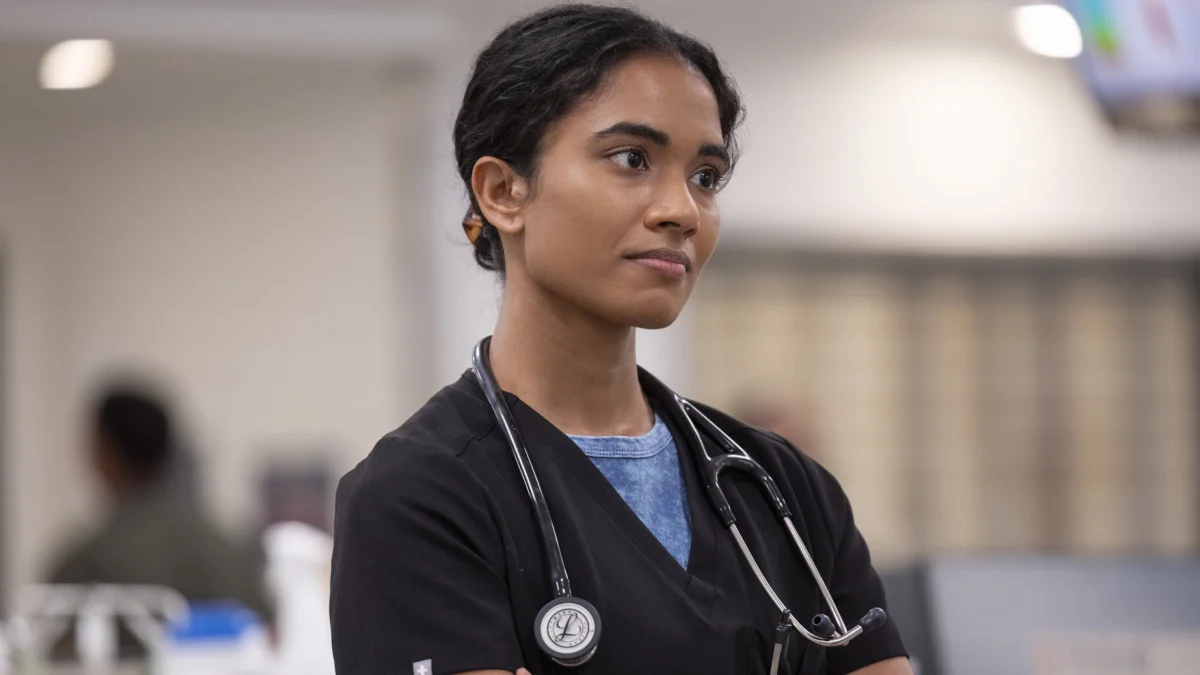
The vibrant energy of PaleyFest in Los Angeles, typically a celebration of television’s most beloved shows and their creators, took a reflective turn this past Sunday as fans and industry insiders gathered for a special screening and panel discussion for the acclaimed medical drama, “The Pitt.” While the event promised insights into the series’ future, much of the conversation gravitated towards the surprising and widely discussed departure of Supriya Ganesh, the talented actress behind the beloved senior resident, Dr. Samira Mohan, following the conclusion of Season 2. Series star Noah Wyle, who also serves as an executive producer, alongside creator R. Scott Gemmill, candidly addressed the challenging reality of Ganesh’s exit, framing it within the show’s commitment to authentic storytelling and the inherently transient nature of emergency room environments.
Wyle, a veteran of medical dramas himself, having famously graced the halls of County General in “ER,” offered a pragmatic yet heartfelt perspective on the cast changes. “It’s an inevitability that’s going to happen every season with this show,” Wyle explained, his voice resonating with a mix of creative insight and genuine regret. “As writers, we’re hard-pressed to figure out what a lapse of time we can have and keep most of the ensemble together realistically.” His words underscored a fundamental challenge for any long-running medical series striving for verisimilitude: the dynamic, often high-turnover world of a busy emergency department. Unlike some dramas where characters might remain static for years, “The Pitt” aims to mirror the real-life ebb and flow of medical professionals, particularly within a teaching hospital setting.
The “high revolving door” Wyle referenced is a stark reality in the medical field. Residents complete their training, doctors move on to fellowships, private practices, or different hospitals, and new faces arrive to fill the void. This constant flux, while true to life, presents a unique narrative hurdle for television writers. How do you maintain a compelling ensemble while also honoring the natural progression of medical careers? Wyle elaborated on their strategic approach: “As always, we try to bring in new characters or promote from within as we go through these cast changes and try to keep the storylines fresh.” This commitment to evolution, he suggested, is what keeps “The Pitt” grounded and its narratives compelling, even if it necessitates difficult goodbyes. However, he was quick to acknowledge the profound impact of Ganesh’s contribution: “obviously Supriya has been a huge part of our show since the beginning.”
The sentiment of appreciation for Ganesh and her portrayal of Dr. Mohan was palpable. Wyle continued, expressing a personal and professional admiration for his former colleague. “Dr. Mohan is a beloved character, and I love playing with her and working with Supriya,” he shared warmly. “And we wish her all the best in her next endeavors, and we’re going to miss her.” These words echoed the sentiments of many fans who have come to appreciate Dr. Mohan’s journey as a diligent and compassionate senior resident navigating the demanding world of Pittsburgh Trauma Medical Center. Her character quickly became a fan favorite, embodying the dedication and emotional resilience required in high-stakes medical environments, particularly for women balancing intense professional pressure with personal aspirations.
The surprise surrounding Ganesh’s exit was amplified by her last-minute withdrawal from the PaleyFest event itself. Just a day before the panel, Ganesh took to her social media channels to inform her followers of her absence. “Hi everyone, not sure why it’s not removed off the site but I will not be at PaleyFest this Sunday,” she wrote, a message that immediately sparked speculation among her fanbase. Her follow-up, “I know some of you bought tickets to see me and I hope you know this is not a decision I take lightly. Love you all,” conveyed a deep sense of responsibility and affection for her supporters, suggesting that her absence, much like her departure from the show, was not a casual choice.
The news of Ganesh’s impending departure had initially broken on April 2, courtesy of Variety’s Joe Otterson, who cited a source indicating that the exit was a “story-driven decision.” This explanation aligns perfectly with the showrunners’ ongoing narrative philosophy. Pittsburgh Trauma Medical Center, depicted as a bustling teaching hospital, serves as a natural incubator for emerging medical talent. The cyclical nature of residents arriving, learning, and eventually moving on is a cornerstone of such institutions. Dr. Mohan’s arc in Season 2 had, in fact, subtly laid the groundwork for this transition, portraying her active contemplation of the next crucial phase of her career as her residency neared its completion. This narrative choice provided a realistic and relatable trajectory for a character at a pivotal professional crossroads, mirroring the dilemmas many real-life medical professionals face.

Creator R. Scott Gemmill reiterated this narrative imperative while walking the red carpet at PaleyFest. “It’s sort of the nature of the show,” Gemmill stated, reinforcing the thematic commitment to authenticity. “Unfortunately, the way the medical profession works, you come in, you learn, you move on, and we want to try and be as truthful to that process as possible. So we’re going to turn over our cast.” His words underscored the idea that while emotionally challenging for viewers and the production team, these character departures are not arbitrary but rather integral to the show’s DNA. He also highlighted a silver lining, viewing the show as a stepping stone for its talent: “I think it’s a great launching pad for people and that’s the best we can do.” This perspective reframes what might seem like a loss into an opportunity for actors to grow and for the series to introduce new dynamics.
Ganesh’s initial journey with “The Pitt” was marked by a profound sense of destiny and excitement. Shortly after the premiere of Season 1, she shared her initial awe and gratitude for landing the role of Dr. Mohan. “I never thought I would get my break in something that would be so artistically and creatively fulfilling as ‘The Pitt,’” she had confided. “When it worked out, it felt like everything in my life had led up to that moment, honestly.” Her heartfelt reflection painted a picture of an actor who had found not just a job, but a role that resonated deeply with her creative spirit. She even recounted a charming, auspicious anecdote from her audition week: “Even the week that I was auditioning and getting called back, it felt like something was watching over me or. A bird pooped on me, which if you ask any Indian, is good luck.” This detail, infused with cultural significance and personal belief, highlighted the special connection she felt to the project and her character, making her eventual departure all the more poignant for those who followed her journey.
Dr. Samira Mohan, as portrayed by Ganesh, quickly became an indispensable part of “The Pitt’s” ensemble. As a senior resident, she represented a crucial stage in medical training, often balancing the intense pressures of patient care with the responsibility of guiding junior colleagues. Her character’s intelligence, resilience, and compassionate approach to medicine resonated strongly with audiences, particularly those who appreciate seeing strong, capable women in demanding professional roles. Mohan’s story arc explored themes of professional growth, mentorship, and the difficult choices faced by women striving for excellence in competitive fields. Her contributions to the show extended beyond dramatic moments, adding layers of authenticity to the portrayal of hospital life and the diverse experiences within the medical community.
The cyclical nature of a teaching hospital, which necessitates new faces and character progressions, allows “The Pitt” to continuously infuse fresh perspectives and challenges into its narrative. In line with this strategy, and as a direct consequence of the show’s commitment to realistic character progression, the announcement of Ganesh’s departure was accompanied by news of a significant promotion within the cast. Ayesha Harris, who masterfully portrays senior night shift resident Dr. Parker Ellis, has been elevated to a series regular for the upcoming third season. This move exemplifies the “promote from within” strategy mentioned by Wyle, signaling the show’s intention to deepen existing character arcs and introduce new dynamics to the central ensemble. Dr. Ellis, with her distinct approach to emergency medicine, is poised to take on an even more prominent role, ensuring that the evolving cast continues to reflect the diverse and dedicated professionals who keep a major trauma center running.
Looking ahead, Gemmill also provided exciting details about the production schedule for Season 3. Filming is set to commence in June, with the narrative of the new season deliberately set in November. This temporal shift is not merely an aesthetic choice; Gemmill hinted that it will allow the writers to incorporate “colder weather” into the storylines. This could imply a range of new narrative possibilities, from seasonal illnesses and winter-related accidents to the unique challenges and heightened drama that colder months often bring to emergency departments. This strategic decision to align the narrative with distinct seasonal elements promises to keep the show’s setting dynamic and its medical emergencies diverse, ensuring “The Pitt” remains a compelling and ever-evolving medical drama for its devoted audience.
As “The Pitt” prepares to embark on its third season, it navigates the complex balance between maintaining beloved characters and honoring the raw, often transient, realities of the medical profession. Supriya Ganesh’s Dr. Samira Mohan will undoubtedly be missed, but her departure underscores the show’s unwavering dedication to portraying the authentic, high-stakes world of emergency medicine, where every goodbye paves the way for new beginnings and fresh narratives.