The landscape of 2006 was a unique intersection of burgeoning digital culture and the height of traditional Hollywood glamour. It was a year defined by significant shifts in how we consumed media and connected with one another. While the Nintendo Wii was revolutionizing the gaming world with motion-control technology, a young, curly-haired singer named Taylor Swift was just beginning to introduce herself to the world with a self-titled debut album that would eventually alter the course of music history. On our television screens, the high-stakes drama of Heroes was a national obsession, and the quiet, frigid beauty of the March of the Penguins documentary was an unexpected cinematic phenomenon. This was the year Twitter emerged into the public consciousness, and Facebook finally shed its "college-only" skin to invite the rest of the world inside. Through it all, the radio airwaves were dominated by the bittersweet piano chords of Daniel Powter’s "Bad Day," a song that served as the unofficial anthem for the frustrations and triumphs of the mid-aughts.
In the midst of this cultural transformation, the film and television industry gathered for what we now recognize as the Actor Awards, though at the time, the ceremony was known strictly as the Screen Actors Guild (SAG) Awards. While the name has since evolved to reflect a new era of the guild’s identity, the 12th annual ceremony held in January 2006 remains a pivotal moment in awards history. It was a night characterized by a refreshing lack of "sweeps," where the honors were distributed across a wide spectrum of talent, ensuring that no single production dominated the narrative. Instead, the evening became a celebration of individual craft and collective storytelling, highlighting the diverse range of performances that defined the previous year.
In the film categories, the lead acting honors went to two performers who had undergone radical transformations for their roles. The late Philip Seymour Hoffman was awarded Outstanding Performance by a Male Actor in a Leading Role for his haunting, meticulous portrayal of author Truman Capote in Capote. Hoffman’s win was a testament to his status as one of the most respected actors of his generation, capturing the delicate nuances of Capote’s voice and mannerisms with eerie precision. On the female side, Reese Witherspoon took home the statue for her portrayal of June Carter Cash in Walk the Line. Witherspoon’s win marked a significant turning point in her career, proving her formidable range as she stepped away from her "America’s Sweetheart" persona to embody the grit, humor, and musical talent of a country music legend.
The supporting categories were equally prestigious. Paul Giamatti was recognized for his role as the loyal manager Joe Gould in the boxing drama Cinderella Man, a performance that added a layer of soulful humanity to the underdog story. Meanwhile, Rachel Weisz was honored for her powerful work in The Constant Gardener, a role that combined political intrigue with a deeply moving romantic core. Both wins underscored the importance of the Actor Awards in highlighting performances that might have otherwise been overshadowed by larger-than-life blockbusters.
Perhaps the most talked-about win of the night was the Outstanding Performance by a Cast in a Motion Picture, which went to the ensemble of Crash. This victory was a precursor to the film’s eventual and controversial Best Picture win at the Academy Awards. The cast, which featured a sprawling array of talent including Sandra Bullock, Thandiwe Newton, Matt Dillon, Don Cheadle, and Brendan Fraser, was recognized for navigating the film’s complex, interlocking stories about race and redemption in Los Angeles. The win solidified Crash as a major player in the awards circuit, even as it sparked intense debates among critics and audiences alike.
The television categories in 2006 reflected a "Golden Age" of network programming, a time before the total dominance of streaming services. It was an era where "appointment viewing" was still the norm, and the Actor Awards mirrored the popularity of these cultural touchstones. Desperate Housewives was the standout of the evening, becoming the only production to secure more than one win. Felicity Huffman was awarded for her role as the overwhelmed Lynette Scavo, while the entire cast took home the trophy for Outstanding Performance by an Ensemble in a Comedy Series. The show’s blend of suburban satire and soap opera drama had made it a global sensation, and the guild’s recognition further cemented its status as a television powerhouse.
In the drama categories, the cast of Lost—then in the height of its mystery-fueled third season—won for Outstanding Performance by an Ensemble. The show’s massive, diverse cast was instrumental in creating the sense of isolation and wonder that kept millions of viewers theorizing every week. Other notable television winners included the legendary Paul Newman for his work in the miniseries Empire Falls, Kiefer Sutherland for his relentless portrayal of Jack Bauer in 24, and Sean Hayes for his comedic brilliance as Jack McFarland in Will & Grace. Additionally, Sandra Oh received her first individual Actor Award for her breakout performance as the ambitious Cristina Yang in Grey’s Anatomy, a role that would go on to define her career and inspire a generation of viewers.
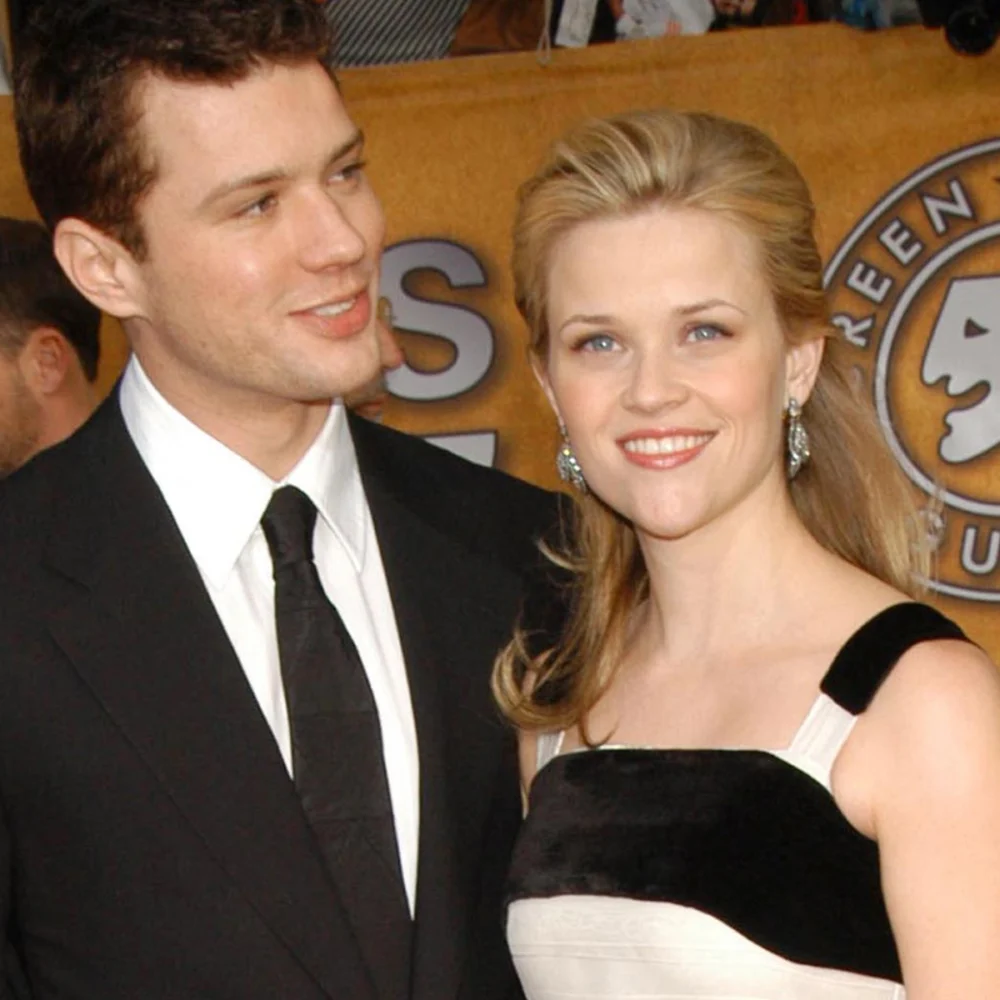
Beyond the trophies, the 2006 red carpet remains a fascinating time capsule of "aughts" fashion and Hollywood relationships. The style of the era was on full display, characterized by intricate updos, bold patterns, and a penchant for floor-length gowns that balanced elegance with the decade’s specific brand of glamour. Among the most memorable sightings were the couples who defined the era. Reese Witherspoon and Ryan Phillippe, then three years into their marriage, appeared as one of Hollywood’s most beloved pairs. Their coordinated presence on the carpet was a highlight for fans, coming just a few years before their eventual separation.
Even more poignant in hindsight was the appearance of Michelle Williams and Heath Ledger. The couple, who had met on the set of Brokeback Mountain, walked the carpet hand-in-hand, radiating a quiet, bohemian elegance. Ledger was nominated that year for his transformative lead role as Ennis Del Mar, a performance that remains one of the most celebrated in modern cinema. Seeing the two together serves as a bittersweet reminder of Ledger’s immense talent and the tragic loss the industry would suffer just two years later when he passed away at the age of 28.
The 2006 ceremony also provided a glimpse into the future of the industry by showcasing stars who were then on the brink of superstardom. A 12-year-old Dakota Fanning was a notable presence, having already completed five films in a single year. Her poise and professional longevity were already evident, marking her as a child star who would successfully navigate the transition to adult roles. Other rising stars like Amy Adams, nominated for her supporting role in the indie darling Junebug, and Jake Gyllenhaal and Anne Hathaway, both nominated for their work in Brokeback Mountain, signaled a changing of the guard in Hollywood.
The red carpet was a sea of notable looks that captured the spirit of 2006. Rachel Weisz stunned in a classic navy gown that complemented her supporting actress win, while Amy Adams chose a sophisticated brown dress that hinted at her future as a red carpet mainstay. Katherine Heigl, representing the nominated ensemble of Grey’s Anatomy, opted for a striking black and gold gown, while her co-star Sandra Oh celebrated her victory in a chic black and white ensemble. The men also brought their A-game, with Naveen Andrews of Lost and Jake Gyllenhaal opting for timeless, well-tailored tuxedos that proved some styles never go out of fashion.
Looking back at the 2006 Actor Awards, it is clear that the ceremony was more than just a distribution of accolades; it was a snapshot of a moment in time when the industry was transitioning into a new millennium of storytelling. The winners of that night—many of whom are still at the top of their game today—helped shape the cinematic and televisual landscape we enjoy now. From the raw emotional power of Philip Seymour Hoffman to the suburban intrigue of Wisteria Lane, the 2006 awards remind us of the enduring power of a great performance and the timeless allure of Hollywood’s biggest night. As the ceremony continues to evolve under its new moniker, the legacy of these early years remains a vital part of its history, celebrating the actors who bring our favorite stories to life.