



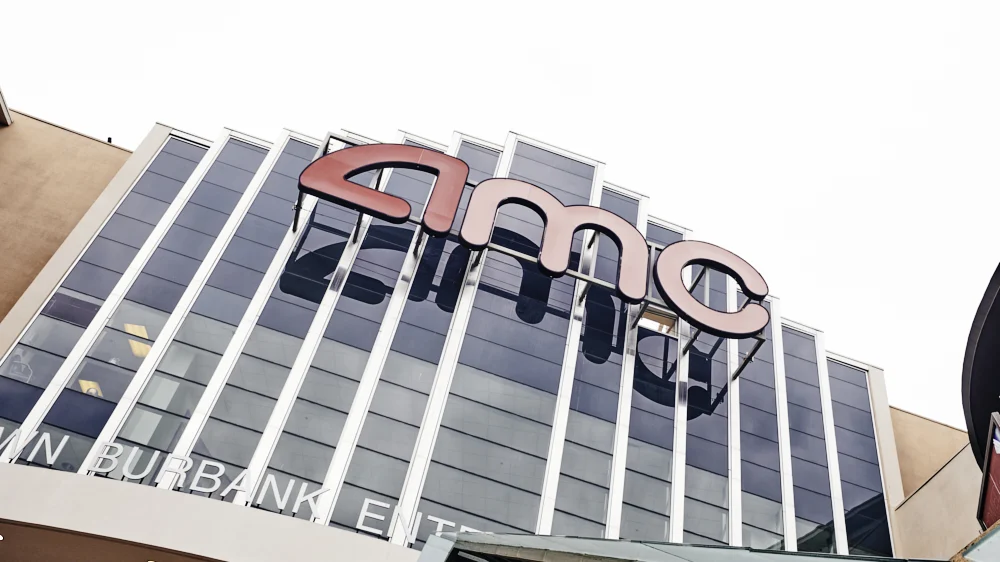
Beyond the Blockbusters: AMC Theatres Navigates Revenue Headwinds Amid Evolving Cinema Landscape
Even the magnetic pull of cinematic titans like “Avatar: Fire & Ash,” the enchanting spectacle of “Wicked: For Good,” and the vibrant world of “Zootopia 2” proved insufficient to buoy AMC Theatres’ latest quarterly earnings. While these highly anticipated holiday blockbusters captivated audiences and dominated the box office charts, the world’s largest theatrical exhibitor found itself facing persistent economic challenges, reporting a slight but significant dip in revenues and a more pronounced drop in attendance for the three-month period concluding in December. This performance underscores a complex reality for the cinema industry, grappling with evolving consumer habits and a volatile entertainment landscape, even as it strives for a post-pandemic resurgence.
The financial snapshot revealed a revenue figure of $1.28 billion for AMC, marking a 1.4% decline from the $1.3 billion recorded during the same quarter in the previous year. More tellingly, the crucial metric of attendance suffered a nearly 10% contraction. The vast network of AMC theaters welcomed 56.3 million patrons during the holiday season, a notable decrease from the 62.4 million film enthusiasts who passed through their doors in the corresponding period a year prior. This disparity between blockbuster success and exhibitor revenue highlights a critical juncture for the industry: are audiences becoming more selective, or are external factors like economic pressures and the proliferation of at-home entertainment options altering the very fabric of moviegoing?
The significance of a holiday quarter cannot be overstated for movie exhibitors. Traditionally, the period between Thanksgiving and New Year’s Day is a golden window, fueled by family gatherings, school breaks, and a slate of studios’ most ambitious and crowd-pleasing releases designed to capitalize on festive leisure time. The 2025 holiday season, with its robust lineup, offered a compelling array of choices. “Avatar: Fire & Ash,” a sequel to one of the highest-grossing films of all time, promised breathtaking visuals and immersive storytelling, drawing in fans of epic science fiction and technological marvels. “Wicked: For Good,” the second installment of the highly anticipated musical adaptation, appealed to a broad demographic with its beloved narrative, star power, and dazzling production values. Meanwhile, “Zootopia 2” continued Disney’s legacy of animated excellence, a sure draw for families and animation aficionados. That even these powerhouse titles couldn’t prevent an attendance slide suggests a deeper systemic shift rather than merely a weak film slate.
Despite the revenue and attendance challenges, AMC did report a silver lining in its bottom line: a reduction in net losses. The company’s net loss narrowed to $127.4 million, an improvement from the $135.6 million in losses posted a year earlier. Consequently, the diluted loss per share also improved, coming in at 25 cents, compared to a loss of 35 cents in the prior-year quarter. This shrinkage in losses, while positive, prompts questions about its drivers. Is it a result of more stringent cost controls, operational efficiencies, or simply a reflection of smaller revenue declines compared to previous periods of more severe disruption? For a company as “heavily leveraged” as AMC, any improvement in loss mitigation is a welcome sign, but sustainable profitability remains the ultimate goal.
A closer look at the revenue streams provides further insight into the dynamics at play. Food and beverage sales, a critical component of exhibitor profitability due to their high-margin nature, experienced a slight dip. Concessions revenue totaled $436.5 million, a marginal decrease from the $446.2 million generated in the corresponding period of 2024. Admissions revenue, the direct income from ticket sales, also fell, reaching $701.6 million compared to $721.4 million in the year-ago quarter. These figures underscore the dual challenge AMC faces: fewer patrons mean fewer tickets sold, and also fewer opportunities for those patrons to indulge in popcorn, soda, and candy, which are often where cinemas make their most substantial profits. The modern moviegoing experience is increasingly defined by more than just the film itself; premium concessions, diverse food offerings, and comfortable seating all contribute to a patron’s willingness to spend, and maintaining these revenue streams is paramount.
Beyond the operational numbers, AMC also made a strategic financial move during the quarter that speaks to its ongoing efforts to optimize its balance sheet. The company converted the majority of its equity investment in Hycroft Mining Holding Corporation, a gold and silver exploration company, into approximately $24.1 million in cash. This move was particularly noteworthy given the unusual nature of the initial investment. AMC’s foray into Hycroft Mining in 2022 was a surprising development that came amidst its “meme stock” phenomenon, when retail investors rallied behind the company, driving its stock price to unprecedented highs. CEO Adam Aron had positioned the investment as a way to potentially diversify AMC’s holdings and generate additional value. The recent divestment, which AMC stated yielded an amount “approximately equal” to its initial capital investment, suggests a tactical decision to convert non-core assets into liquid cash, potentially to shore up its financial position or to focus more intently on its core cinema exhibition business. This maneuver reflects a broader effort to strengthen liquidity and streamline its asset portfolio in a still-recovering market.
As AMC prepares to host its earnings call for investors and analysts, the spotlight will undoubtedly be on CEO Adam Aron’s vision for the path forward. In a statement accompanying the earnings report, Aron expressed a palpable optimism for the upcoming year, predicting that the 2026 lineup of potential blockbusters will outgross the roster of 2025 hits. His forecast includes highly anticipated titles such as Christopher Nolan’s enigmatic “The Odyssey” and the next installment in the Marvel Cinematic Universe, “Avengers: Doomsday.” These films represent the kind of event cinema that traditionally draws massive crowds and generates significant revenue for exhibitors.
Aron’s statement encapsulates the industry’s enduring belief in the power of compelling content. “AMC is exceptionally well positioned to capitalize on a recovering box office,” he asserted, articulating confidence in the company’s infrastructure and market presence. He then went on to succinctly define the industry’s fundamental need: “And as I have said many times before, the not-so-secret formula to a full box office recovery is straight forward, we need more great movies from our studio partners.” This sentiment resonates deeply across the exhibition sector. The symbiotic relationship between studios and exhibitors is undeniable; studios need a robust theatrical window to maximize their film’s impact and profitability, while exhibitors rely entirely on a consistent supply of high-quality, must-see films to attract audiences. The pandemic-induced shifts in release strategies, including shorter theatrical windows and day-and-date streaming releases, have underscored the delicate balance required to maintain this ecosystem.
For the discerning moviegoer, particularly those who appreciate the communal experience of cinema, AMC’s performance offers a mixed bag of signals. While the numbers suggest a cautious environment, the unwavering commitment to a vibrant film slate from studios, coupled with AMC’s strategic adaptations, points to an industry determined to thrive. The enduring allure of the big screen, the collective gasp, the shared laughter, and the escape into larger-than-life stories remain powerful draws. Exhibitors like AMC are continually investing in enhancing this experience, from luxurious recliner seating and advanced projection technologies like IMAX and Dolby Cinema to innovative loyalty programs such as AMC Stubs A-List, which offers subscribers the opportunity to see multiple films for a monthly fee. These efforts are designed to make the cinema a destination, an experience that cannot be replicated at home.
The road ahead for AMC, and indeed the broader cinema industry, is undoubtedly complex. It involves not just securing a strong pipeline of films but also understanding and adapting to the evolving preferences of audiences, managing operational costs efficiently, and leveraging technology to enhance the patron experience. While the holiday season of 2025 presented a moment of reflection rather than outright celebration for AMC’s financials, the anticipation for future blockbusters, coupled with a strategic focus on core business and financial health, suggests a company actively working to navigate the shifting sands of entertainment and reaffirm the magic of the movies for generations to come. The narrative is not one of decline, but of a dynamic industry in constant evolution, seeking its next great act.