



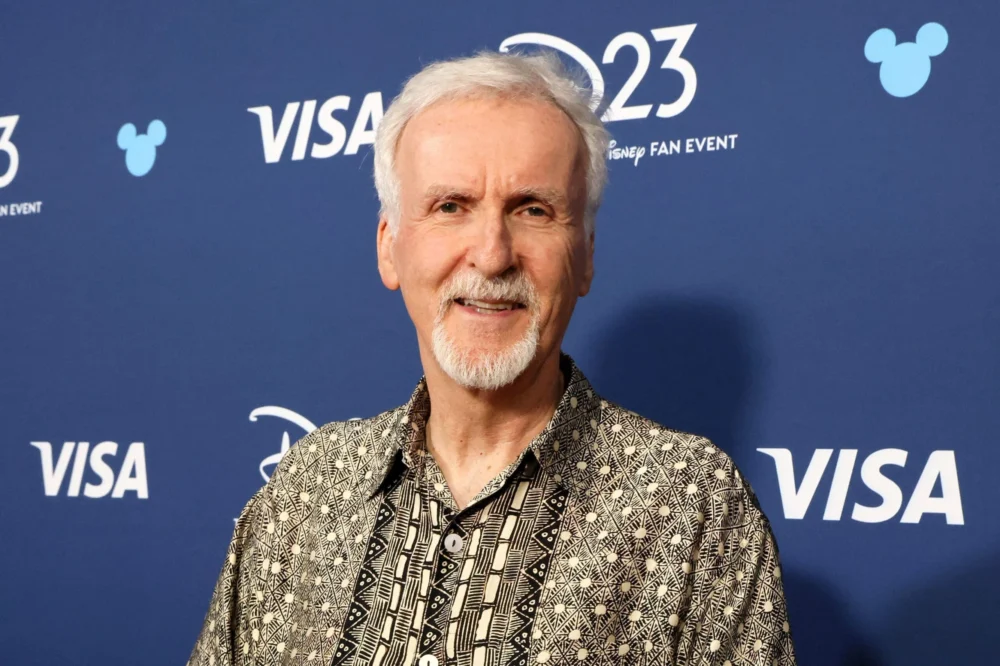
The very future of cinematic storytelling, as envisioned by one of its most legendary architects, is hanging in the balance, according to a recent, impassioned intervention from filmmaker James Cameron. The visionary behind blockbusters like *Avatar* and *Titanic* has penned a forceful letter to Senator Mike Lee, the influential chair of the Senate subcommittee on antitrust, warning that a potential acquisition of Warner Bros. Discovery’s studio and streaming assets by Netflix would be nothing short of catastrophic for the theatrical motion picture business. Cameron’s missive, sent last week and subsequently obtained by CNBC, articulates grave concerns about massive job losses, a seismic shift in the theatrical landscape, and a significant blow to the global film export industry.
Cameron, whose career has been synonymous with pushing the boundaries of cinematic experience, did not mince words in his communication to the lawmaker. “I believe strongly that the proposed sale of Warner Brothers Discovery to Netflix will be disastrous for the theatrical motion picture business that I have dedicated my life’s work to,” he asserted. His statement underscores a deep personal commitment to the big-screen experience, a sentiment that resonates through his filmography. While acknowledging the inevitable evolution of content consumption, he clarified, “Of course, my films all play in the downstream video markets as well, but my first love is the cinema.” This distinction is critical, highlighting the difference between merely distributing content and preserving a cultural institution.
The concerns raised by Cameron are not merely those of an artist protective of his craft; they speak to fundamental shifts in an industry that employs hundreds of thousands and contributes significantly to both the American economy and its cultural influence worldwide. At the heart of his argument lies the inherent incompatibility, as he sees it, between Netflix’s subscription-driven, direct-to-consumer streaming model and the traditional, theatrical-first studio system.
The traditional studio model, exemplified by Warner Bros., relies on a carefully orchestrated release strategy. Films are first premiered in cinemas, often with elaborate marketing campaigns and red-carpet events, generating initial box office revenue and critical buzz. This theatrical run establishes a film’s value and cultural footprint, which then informs subsequent revenue streams from home video sales, digital rentals, pay-per-view, and eventually, licensing to streaming platforms or traditional television. This multi-window approach maximizes profitability and allows studios to recoup the often enormous costs of production, particularly for the tentpole blockbusters that define Hollywood’s global appeal.
Netflix, by contrast, has built its empire on a direct-to-consumer subscription model, prioritizing the immediate availability of content to its subscribers. While Netflix has increasingly invested in high-budget productions, their primary goal is subscriber acquisition and retention, not maximizing theatrical revenue. Films often debut simultaneously on the platform and in a limited theatrical run, or sometimes bypass cinemas entirely. This model, Cameron argues, fundamentally undermines the very ecosystem that supports large-scale, theatrical filmmaking.
The filmmaker painted a stark picture of the consequences should such a merger proceed unchecked. He predicted that if the number of big-budget, theatrically-focused films — the very kind he is renowned for making — were to contract, the repercussions would be severe and far-reaching. “Theaters will close. Fewer films will be made. The job losses will spiral,” Cameron warned. This isn’t an abstract fear; it points to the tangible impact on communities and livelihoods across the nation.
Consider the intricate web of employment that a single major motion picture supports. Beyond the A-list actors and directors, thousands of skilled professionals contribute to a film’s creation and exhibition: grips, gaffers, cinematographers, costume designers, set builders, special effects artists, sound engineers, editors, production assistants, caterers, transportation teams, and countless others. Once a film is complete, another army of professionals takes over: marketers, publicists, distributors, and, crucially, the hundreds of thousands working in theatrical exhibition – from projectionists and ushers to concession staff and theater managers. These are often local jobs, integral to the economic fabric of towns and cities. A reduction in big-budget theatrical releases would send shockwaves through this entire pipeline, leading to widespread unemployment and a loss of specialized skills.
The theatrical exhibition sector, already navigating a challenging post-pandemic landscape, would be particularly vulnerable. Many independent cinemas and even larger chains rely heavily on the consistent flow of major studio releases to fill their screens and generate revenue. If a significant player like Warner Bros., with its rich history of producing iconic cinematic experiences, were to shift its primary focus to streaming under Netflix’s ownership, it would further diminish the pipeline of must-see movies, accelerating theater closures and concentrating power in the hands of fewer, vertically integrated companies. This consolidation would limit consumer choice and potentially stifle diverse storytelling, as algorithms and subscriber data might overshadow artistic vision and a willingness to take risks on unconventional narratives.
Cameron articulated this fundamental clash directly: “The business model of Netflix is directly at odds with the theatrical film production and exhibition business, which employs hundreds of thousands of Americans.” He continued, “It is therefore directly at odds with the business model of the Warner Brothers movie division, one of the few remaining major movie studios.” The implication is clear: a merger would not simply integrate two companies but would impose one fundamentally different business philosophy onto another, with potentially devastating consequences for the latter’s traditional operations.
The letter to Senator Lee arrives at a time of heightened scrutiny over media mergers and corporate consolidation. Lawmakers and antitrust regulators have increasingly voiced concerns about the concentration of power in the hands of a few tech and media giants, and the potential negative impacts on competition, innovation, and consumer welfare. Senator Lee’s subcommittee is specifically tasked with examining such issues, making Cameron’s intervention particularly timely and relevant.
Senator Mike Lee’s response indicates that Cameron’s concerns are resonating within the halls of power. “We have received outreach from actors, directors, and other interested parties about the proposed Netflix and Warner Brothers merger, and I share many of their concerns,” Lee stated. He further committed to addressing these issues directly, adding, “I look forward to holding a follow-up hearing to further address these issues.” This commitment to a hearing signals that the potential merger will face significant governmental scrutiny, providing a platform for stakeholders to voice their perspectives and for regulators to weigh the broader implications.
Beyond domestic job losses and the erosion of the theatrical experience, Cameron also highlighted the potential harm to Hollywood’s global standing. He contended that exports of Hollywood films would suffer dramatically in a Netflix-Warners merger scenario. “The U.S. may no longer lead in auto or steel manufacturing, but it is still the world leader in movies. That will change for the worse,” he warned.
Hollywood films have long been a cornerstone of American soft power and a significant export industry, generating billions in international box office revenue annually. The global appeal of American blockbusters, driven by their grand scale, innovative storytelling, and star power, is a unique cultural and economic asset. These films often serve as cultural ambassadors, shaping perceptions and fostering connections across borders. If a major studio like Warner Bros. were to shift its focus primarily to a streaming model, the perceived value and global distribution strategy of its content could fundamentally change. Films made primarily for a subscription service might not receive the same theatrical push or achieve the same cultural penetration in international markets as those designed from the outset for a global cinematic release. This could diminish Hollywood’s competitive edge on the world stage, potentially allowing other national cinemas or international streaming services to fill the void, thereby eroding a significant source of American cultural influence and economic contribution.
The broader context of media consolidation further amplifies Cameron’s warnings. In recent years, the entertainment industry has witnessed a wave of mega-mergers, from Disney’s acquisition of 21st Century Fox to Amazon’s purchase of MGM, and the very creation of Warner Bros. Discovery itself from the merger of WarnerMedia and Discovery Inc. Each of these consolidations has reshaped the competitive landscape, raising questions about market dominance, consumer choice, and the diversity of content. The potential Netflix-WBD merger would represent another monumental step in this trend, creating an even more formidable entity that could further squeeze out independent creators and smaller distribution channels.
For women in film, both in front of and behind the camera, the implications of such consolidation and a shift away from traditional theatrical models could be particularly complex. While streaming platforms have often been lauded for providing more diverse opportunities and content, the overarching trend of fewer major theatrical releases could paradoxically limit the visibility and scale of projects that require significant budgets and widespread theatrical distribution to succeed. Fewer tentpole films might mean fewer opportunities for women to direct, produce, or star in the kind of high-profile, globally impactful movies that define cinematic careers and drive industry change. Moreover, job losses in the extensive craft and exhibition sectors disproportionately affect individuals in supporting roles, many of whom are women and people from diverse backgrounds.
James Cameron’s intervention serves as a powerful reminder that the entertainment industry is more than just a collection of content providers; it is a complex ecosystem with profound cultural, economic, and social implications. His letter to Senator Lee is a rallying cry for the preservation of a beloved art form and the protection of an industry that, for generations, has captivated audiences worldwide and provided livelihoods for countless individuals. As the debate over the future of film intensifies, the outcome of this potential merger and the subsequent antitrust scrutiny will undoubtedly shape the landscape of entertainment for decades to come.