



The Unspoken Dreams: “Whispers in May” Unveils the Nuosu Girls’ Journey at Life’s Crossroads
In the heart of China’s remote and rugged Liangshan region, a single, poignant sentence penned by a teenage girl ignited a cinematic journey that promises to resonate deeply with audiences worldwide. “I’ve made many wishes, but none have ever come true.” This stark declaration, a quiet testament to youthful yearning amidst challenging realities, became the genesis for “Whispers in May,” the latest hybrid documentary from Emmy-nominated Chinese director Dongnan Chen. Known for her incisive and visually arresting works such as “14 Paintings,” “Singing in the Wilderness,” and “Sound of Vision,” Chen’s new film is poised for its highly anticipated world premiere in the main competition at the Copenhagen International Documentary Film Festival (CPH:DOX), marking a significant moment for global independent cinema.
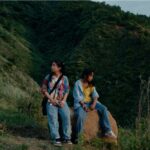
Chen herself describes “Whispers in May” as a “reluctant coming-of-age film,” a characterization that immediately hints at the complexities and unspoken burdens carried by its young protagonists. The narrative centers on Qihuo, a 14-year-old Nuosu girl, at a pivotal juncture in her life. Having just experienced her first menstruation, Qihuo embarks on a transformative road trip with two of her closest friends. Their destination is not just a town, but a symbolic threshold: they seek to purchase a skirt for the traditional “Changing Skirt” ceremony. This ancient rite of passage, deeply embedded in Nuosu culture, signifies a girl’s transition from childhood to womanhood, a moment laden with both cultural significance and profound personal implications.
The socio-economic backdrop against which Qihuo’s story unfolds adds layers of urgency and empathy to the film. Liangshan, like many rural areas in China, is characterized by a significant population of “left-behind children.” Their parents, driven by economic necessity, migrate to distant cities in search of work, leaving their offspring in the care of extended family members or school dormitories during the week. This phenomenon creates a unique upbringing, where children often navigate their formative years with a palpable parental absence, fostering a blend of resilience and vulnerability. For girls like Qihuo, adolescence brings not only the universal challenges of self-discovery but also the weighty expectations of long-standing traditions, including the pervasive shadow of potentially arranged marriages.
Director Chen elaborates on the profound implications of the “Changing Skirt” ceremony, revealing its often-unseen consequences for young Nuosu women. “That ceremony basically means this girl is no longer part of her birth family,” Chen explained. “And even though it’s illegal in China, it means they can be married by their parents, who would then get a big sum of dowry money.” This stark reality underscores the delicate balance between preserving cultural heritage and safeguarding individual autonomy, especially for young women whose futures can be irrevocably shaped by such traditions. The ceremony, while a marker of maturity, also signals a potential loss of agency, a trade-off that Qihuo and her peers must implicitly grapple with.
Chen’s serendipitous discovery of Qihuo’s story highlights the power of authentic voice. Initially, the director had traveled to the Liangshan region without a specific film project in mind. It was during a visit that a local teacher shared a collection of assignments from her Mandarin class. These essays offered a raw, unfiltered glimpse into the inner worlds of these young students. Some envisioned bleak urban futures, seeing themselves ending up in “dim basements in big cities and die unnoticed.” Others harbored grander, almost fantastical aspirations, dreaming of being “pursued by suitors in luxury cars chasing after them, all the way from Liangshan to Paris.” These contrasting visions painted a vivid picture of the hopes and fears that permeated the community. Yet, it was Qihuo’s simple, resonant sentence – “I’ve made many wishes, but none have ever come true” – that instantly captivated Chen. She found herself immediately drawn into the teenager’s unique world and vivid imagination, recognizing a universal truth in its melancholic honesty. This single line became the emotional anchor for the entire project, a testament to the profound insights often hidden in plain sight.
The filmmaking process for “Whispers in May” was as organic and intuitive as its origin story. Shot over approximately a month in the spring of 2022, the documentary eschewed a traditional script in favor of a clear conceptual framework: the girls’ journey itself would become the film’s narrative spine. “It’s a very simple but, to me, very powerful concept: we’re doing a road trip with the girls,” Chen stated, emphasizing the blend of deliberate planning and spontaneous discovery that defined the production. This approach allowed the film to breathe, capturing genuine moments and reactions as the girls navigated both the physical landscape and their evolving internal worlds. The unscripted nature fostered an authenticity that a more rigidly structured production might have stifled, allowing the true personalities and interactions of Qihuo and her friends to shine through.
Visually, the film unfolds through a series of poetic and meticulously composed images, transforming the mountainous landscape of Liangshan into a character in itself. This environment, Chen explains, serves as a powerful reflection of the girls’ inner world – a liminal space capturing that fragile, fleeting moment before childhood irrevocably gives way to the complexities of adulthood. “The mountains echo their energy — this untamed energy, away from social norms and expectations, away from the noise of the community,” she said, highlighting how the natural surroundings provide a sanctuary for their youthful exuberance and burgeoning self-awareness. It’s a space where they can momentarily escape the prescribed paths and societal pressures awaiting them.
However, the landscape’s symbolism extends beyond mere beauty or freedom. Chen reveals a more complex, almost paradoxical meaning embedded within the majestic peaks. “It’s also not just about beauty. Those mountains also carry weight,” she mused. “They protect their innocence, but they isolate them, too. The mountains carry the tradition and the norms of the local community, and that makes it a very difficult path for them to walk into the outside world.” This dual nature of the mountains – simultaneously protective and isolating, embodying both ancient wisdom and restrictive norms – perfectly mirrors the challenges faced by Qihuo and her friends as they stand on the cusp of womanhood. Their physical environment becomes a potent metaphor for the cultural barriers and deeply ingrained expectations that shape their destinies.
Chen’s deliberate aesthetic choices mark a significant departure from earlier waves of Chinese independent documentary, which often favored a raw, unvarnished visual style. For Chen, beauty is not merely an artistic flourish but a profound political statement, a means of resisting reductive portrayals of communities often defined solely by their poverty. “I always think beauty is simple, but super important,” she asserted. “In the ‘90s and early 2000s, a lot of Chinese independent documentaries liked to use very rough images. It’s a political stance to be away from the mainstream — it’s an attitude.” Her approach is rooted in a desire to empower her subjects and imbue their stories with dignity. “I mostly film people who live on the margins of society, and I feel the image is very important to make them grand and to give people grace. It’s a way to resist. I don’t want them to look small — I don’t want the place to be labeled as poor by showing rough images.” This philosophy elevates her filmmaking, transforming the act of observation into an act of reverence, challenging preconceived notions and offering a richer, more nuanced perspective on lives often simplified by external gazes.
Beyond its specific geographical and cultural setting, “Whispers in May” strives to illuminate a universal human experience. Chen believes her film transcends its localized narrative to touch upon themes that resonate with audiences across the globe. “The intention is about meeting this girl at this very special moment between girlhood and womanhood. It’s a very universal experience — the vanishing of childhood,” she shared. This exploration of the delicate transition from the innocence of youth to the responsibilities and complexities of adulthood is a journey all individuals, particularly young women, can recognize and empathize with. The film captures the bittersweet essence of growing up, the hopes, fears, and profound shifts that define this transformative period.
The making of “Whispers in May” also served as a catalyst for Chen’s own broader reflection on the intricate relationship between filmmaker and subject. The intimate nature of documentary filmmaking, especially when dealing with vulnerable communities and personal narratives, invariably raises questions about ethics, representation, and the inherent power dynamics at play. This ongoing introspection has inspired Chen’s next venture. She disclosed to *Variety* that she is currently in the early development stages of a new hybrid film project designed to examine the complex intimacy between observer and observed, promising to blend elements of reality and fiction in a thought-provoking exploration of this cinematic dynamic. This next project suggests a continued evolution in Chen’s artistic inquiry, pushing the boundaries of documentary form and engaging with the very nature of storytelling itself.
“Whispers in May” is a collaborative effort, produced by Jia Zhao and Kay Xu through Muyi Film and Tail Bite Tail Films. Its development received crucial support as a Rough Cuts project at CPH:DOX in 2024 (correcting the likely typo from the original source), demonstrating early recognition of its potential impact. Further backing came from prestigious organizations including the IDFA Bertha Fund, the Netherlands Film Fund, the Swedish Film Institute, and Field of Vision, among others, underscoring the international belief in Chen’s vision and the importance of amplifying these untold stories.
The film’s world premiere in the main competition at CPH:DOX on March 15 marks a significant milestone, offering a global platform for Qihuo’s story and Chen’s artistry. The festival, running in Copenhagen until March 22, is renowned for showcasing groundbreaking and thought-provoking documentaries, making it the ideal venue for “Whispers in May” to begin its journey into the collective consciousness. As audiences gather to witness this cinematic tapestry of dreams, traditions, and the universal experience of growing up, Chen’s film stands as a testament to the enduring power of storytelling to bridge cultures and illuminate the profound beauty and resilience of the human spirit.