



Charting a New Era: Versant’s Bold Digital Pivot Amidst Challenging Market Currents.
Versant Says 2025 Profit Fell, Citing Revenue Dips in Advertising, Distribution
The media landscape is in constant flux, a dynamic environment where legacy institutions grapple with the digital revolution’s relentless pace. Against this backdrop, Versant, the newly independent entity spun off from NBCUniversal, unveiled its inaugural financial disclosures for 2025, painting a picture of both significant headwinds and an ambitious strategic recalibration. The company reported a 31% decline in net income, largely attributed to a tumble in traditional advertising and distribution revenues, underscoring its urgent mandate to cultivate new revenue streams untethered from the diminishing returns of conventional cable television.
For decades, the media industry thrived on a foundational model: content created for linear television, distributed via cable and satellite bundles, and monetized through advertising and subscriber fees. However, the rise of streaming, the proliferation of digital platforms, and the seismic shift in consumer viewing habits – particularly among a generation of discerning female audiences who increasingly curate their entertainment – have irrevocably altered this paradigm. Versant’s 2025 performance is a stark illustration of these industry-wide pressures, forcing a profound introspection and a commitment to transformation that echoes across the boardrooms of major media conglomerates.
The data released on Tuesday offered the public its first comprehensive glimpse into Versant’s operational health as a standalone enterprise. Though these figures reflect its performance during its final year under the NBCU umbrella, they serve as a critical baseline for its future trajectory. Born from a portfolio of highly recognizable assets, including the news powerhouse MS NOW, the financial insights leader CNBC, the entertainment staple USA, and various other former NBCUniversal properties, Versant’s core strength lies in its diverse content offerings and established brand equity. Yet, even these venerable names are not immune to the disruptive forces at play.
At the heart of Versant’s forward-looking strategy is a clear, albeit challenging, objective: to achieve a balanced revenue mix where half is derived from traditional pay-TV operations and the other half from innovative new businesses. These new ventures are predicated on establishing direct connections with consumers, primarily through subscriptions, e-commerce, and other direct-to-consumer (D2C) engagements. In 2025, revenue from these nascent D2C operations accounted for only 19% of the company’s total, highlighting the significant journey ahead to reach its ambitious 50% target. This transition is not merely an operational shift but a fundamental reimagining of how content is created, delivered, and monetized, particularly for audiences seeking more personalized and flexible access to their favorite shows, news, and information.
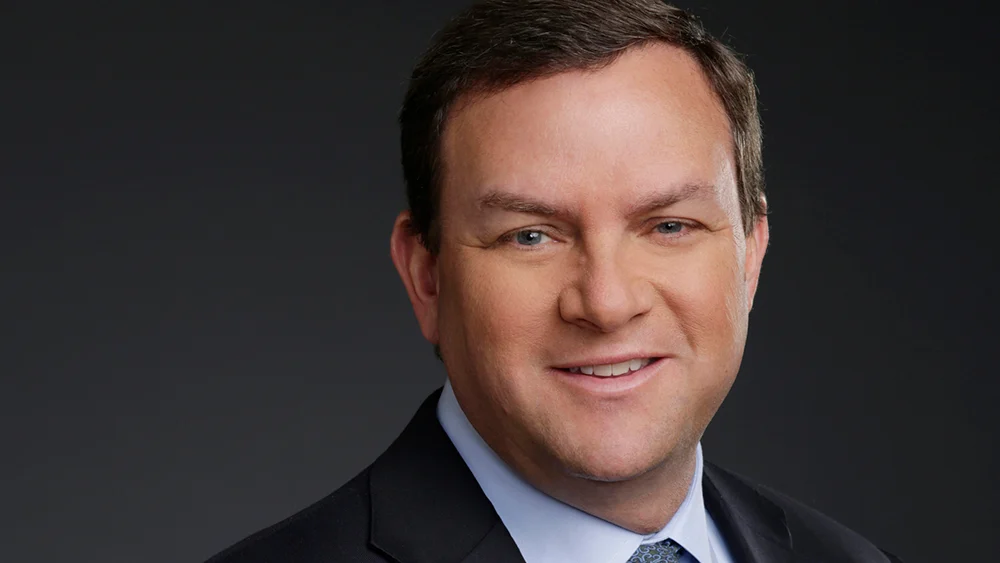
Mark Lazarus, Versant’s Chief Executive Officer, articulated the company’s vision with a blend of confidence and strategic clarity. In an official statement, he declared, “Versant enters this next chapter as an independent, well-positioned media and entertainment company with strong momentum and clear strategic focus. I couldn’t be more excited about what’s ahead as we invest in our iconic brands to evolve our business model. We aim to do so with a focus on delivering strong shareholder returns, both in the near and long term.” Lazarus’s words signal a proactive stance, acknowledging the turbulence while emphasizing the underlying value and potential for growth inherent in Versant’s celebrated brands. For professional women, these “iconic brands” often serve as essential resources—CNBC for financial empowerment and market insights, MS NOW for in-depth news and current affairs, and USA for engaging entertainment that provides a much-needed respite from demanding schedules. The challenge, and opportunity, lies in making these brands equally indispensable in a fragmented digital world.
A closer examination of the 2025 financial figures reveals the extent of the traditional media erosion. Versant’s total revenue for the year approached $6.69 billion, a 5.3% decline from the $7.06 billion recorded in 2024. The most significant pressures were felt in advertising and distribution. Ad revenue for the year plummeted by 8.9% to nearly $1.58 billion, a testament to advertisers increasingly diverting budgets from linear television to more targeted and measurable digital platforms. Distribution revenue, the lifeblood of cable channels, also saw a substantial drop of approximately 5.4%, settling at $4.09 billion. This decline is a direct consequence of the ongoing “cord-cutting” phenomenon, where consumers, particularly younger demographics and those managing household budgets, opt out of expensive cable bundles in favor of more cost-effective streaming alternatives. The implications for content creators and distributors are profound, necessitating a rapid adaptation to new consumption patterns.
However, not all news was bleak. A silver lining emerged from Versant’s digital properties, which include the widely popular film review aggregator Rotten Tomatoes and the online movie ticketing service Fandango. Revenue from these digital assets experienced a healthy 3.9% increase, reaching $826 million. This growth underscores the potential of direct-to-consumer digital platforms to capture audience engagement and generate revenue, even as traditional channels face contraction. For many women, Fandango streamlines the planning of family outings or social gatherings, while Rotten Tomatoes offers critical guidance in navigating the vast cinematic landscape, empowering informed entertainment choices. The success of these platforms provides a crucial blueprint for Versant’s future D2C expansion, hinting at opportunities to build communities and offer curated experiences that resonate deeply with digitally savvy consumers.
Recognizing that the challenges faced by Versant are not unique, the company took proactive measures to project an image of stability and strategic foresight amidst broader industry turmoil. Many rivals, similarly burdened by extensive cable portfolios, are navigating comparable dynamics. Versant highlighted the enduring strength of its sports-rights deals, noting that the majority of these lucrative contracts still have several years remaining. These sports agreements represent a significant anchor for traditional viewership, providing consistent, live content that continues to draw substantial audiences, including a growing female fanbase for various athletic events. This stability in sports programming offers Versant a valuable buffer as it meticulously engineers its pivot towards a more diversified, digital-centric future.
A key initiative in this digital pivot is the development of an ad-supported streaming platform, strategically launched under the Fandango brand. While Fandango is primarily recognized for its role in facilitating movie ticket purchases, its expansion into ad-supported streaming marks a shrewd move into the burgeoning Free Ad-Supported Streaming TV (FAST) market. This strategy aims to leverage Fandango’s existing consumer base and brand recognition to attract viewers to a new content offering, providing an alternative to premium subscription services. For women who often manage household entertainment budgets, an ad-supported platform offers an attractive, cost-effective option for accessing a variety of programming, potentially including curated content that aligns with their interests and lifestyles. This move also allows Versant to experiment with new advertising models tailored for digital delivery, moving beyond the declining rates of linear TV advertising.
In a further demonstration of confidence and a commitment to shareholder value, Versant’s board of directors also authorized the repurchase of up to $1 billion of its outstanding Class A common shares. Share repurchases are a common corporate strategy to return capital to shareholders, reduce the number of outstanding shares, and thereby boost earnings per share (EPS). This action signals to investors that the company believes its stock is undervalued and that it has sufficient financial strength to invest in its own equity while simultaneously pursuing its ambitious transformation agenda. It’s a strategic maneuver designed to reassure the market and reinforce CEO Mark Lazarus’s pledge to deliver “strong shareholder returns” in both the immediate and long term.
The journey for Versant is undeniably complex, situated at a critical juncture where the old guard of media gives way to an evolving digital landscape. The decline in traditional revenue streams is a clear call to action, demanding agility, innovation, and a profound understanding of the modern consumer. By strategically leveraging its iconic brands, investing in direct-to-consumer initiatives, and exploring new monetization models like ad-supported streaming, Versant is laying the groundwork for a resilient and relevant future. Its success will depend not only on its ability to execute this ambitious transformation but also on its capacity to continue connecting with diverse audiences, including professional women who increasingly shape the future of media consumption, through compelling content and accessible platforms in an ever-fragmented world.