

In the summer of 1999, the world watched in disbelief as the search for a missing Piper Saratoga off the coast of Martha’s Vineyard turned from a rescue mission into a recovery operation. The disappearance of John F. Kennedy Jr., his wife Carolyn Bessette, and her sister Lauren Bessette marked the tragic end of a contemporary fairy tale that was as turbulent as it was beautiful. Decades later, new details from National Transportation Safety Board (NTSB) reports and biographical dramatizations continue to shed light on the eerie final moments and the complex private lives of a couple who defined an era of American royalty.
On July 16, 1999, the 38-year-old John F. Kennedy Jr. prepared to pilot his aircraft from Essex County Airport in New Jersey to the Massachusetts coast. It was a flight intended to be a routine trip for a family wedding—that of his cousin Rory Kennedy in Hyannis Port—but the circumstances surrounding his departure were far from ideal. According to NTSB records, John’s final interaction with his flight instructor revealed a man determined to prove his independence, despite his limited experience. John reportedly told his instructor that he "wanted to do it alone," declining the offer of a second pilot to accompany him on the journey.
At the time, the son of President John F. Kennedy and Jacqueline Kennedy Onassis was still in the process of earning his instrument rating. This certification is a critical milestone for any pilot, as it signifies the ability to fly through clouds or low visibility by relying solely on cockpit instruments rather than visual landmarks. While his instructor noted that John possessed the technical ability to fly without a clear horizon, he expressed grave concerns about the young pilot’s capacity to handle the "additional tasks" required during a night flight in poor, hazy weather. The instructor later told investigators he would not have felt comfortable with John conducting that specific operation under those conditions, stating flatly that the attorney was "not ready for an instrument evaluation."
The flight, which began around 8:39 p.m., quickly turned perilous. Just over an hour into the journey, radar data showed the plane making a fateful left turn followed by a rapid descent. The NTSB report detailed a terrifying sequence where the aircraft entered a right turn as its speed and descent rate increased exponentially. Ultimately, the plane plunged toward the Atlantic Ocean at a rate exceeding 4,700 feet per minute. The wreckage was discovered four days later, a mere quarter-mile from its last known radar position, ending the lives of all three passengers.
While the technical cause of the crash was attributed to pilot error and spatial disorientation, the emotional backdrop of the couple’s final weeks adds a layer of profound tragedy. For Carolyn Bessette, life in the Kennedy orbit had become an exhausting battle with the paparazzi. A former public relations executive for Calvin Klein, Carolyn was a woman of singular style—favoring sleek Prada ensembles and muted tones—but she found herself increasingly isolated in the couple’s Tribeca loft. The relentless scrutiny of the tabloid press, which speculated on everything from her mental health to her marriage, had left her "spooked" and demoralized.
Friends recalled that Carolyn was particularly haunted by the 1997 death of Princess Diana. She saw in the Princess’s fatal car crash a terrifying mirror of her own life, once remarking that even though Diana "did everything right," the photographers still killed her. This sense of impending doom was a constant shadow over her marriage. John, ever the optimist and accustomed to the spotlight since birth, often struggled to understand his wife’s paralyzing fear, reportedly telling her to simply "relax" and "take it easy" in the face of the media circus.
The marriage itself was a subject of intense public fascination and private struggle. Just two days before the fatal crash, the couple had a devastating argument that resulted in John checking into the Stanhope Hotel. Those close to them described their final weeks as a cycle of deep affection and explosive conflict. John reportedly felt he was "failing" at the marriage, while Carolyn felt there was no space for her own identity within the massive, "shiny" world of the Kennedy family.
This friction was not new. Even their 1996 wedding on Cumberland Island, Georgia, was marked by a mix of high romance and logistical stress. Carolyn’s iconic Narciso Rodriguez slip dress, which would go on to define bridal fashion for a generation, was the source of a last-minute crisis. The zipper-less silk creation had to be meticulously sewn onto her body just moments before she walked down the aisle of a tiny, candlelit wooden church. John, too, was late to his own ceremony, having misplaced his shirt. Despite the chaos, the wedding was a rare moment of privacy for a couple who lived their lives under a microscope.
The family dynamics were equally complex. John’s sister, Caroline Kennedy, and Carolyn reportedly had a relationship that required careful navigation. At one point, John urged Carolyn to ask his sister to be her maid of honor as a way to "smooth things over" after Caroline expressed reservations about the couple’s high-profile public arguments. Meanwhile, the Kennedy matriarchs offered their own brand of wisdom. Ethel Kennedy, the widow of Robert F. Kennedy, once flew Carolyn to her Virginia estate to offer a stark warning: the Kennedy men were "hotheads," and the only way to survive was to wake up every morning and remind oneself, "I am enough."
Perhaps the most poignant aspect of the tragedy was the warning John received from his mother. Jacqueline Kennedy Onassis, who had seen more than her share of family heartbreak, had pleaded with her son not to pursue his pilot’s license. "Please don’t do it," she had told him, according to family biographers. "There have been too many deaths in the family already." Her fear of the "Kennedy Curse" was a weight John carried, yet his desire for the freedom of the skies—and perhaps a way to escape the tether of his name—pushed him forward.
In the days leading up to the crash, John was recovering from a broken ankle sustained in a powered parachute accident. He was still on crutches when he boarded the Piper Saratoga that night. This physical limitation, combined with the hazy conditions and his lack of instrument training, created a perfect storm of risk.
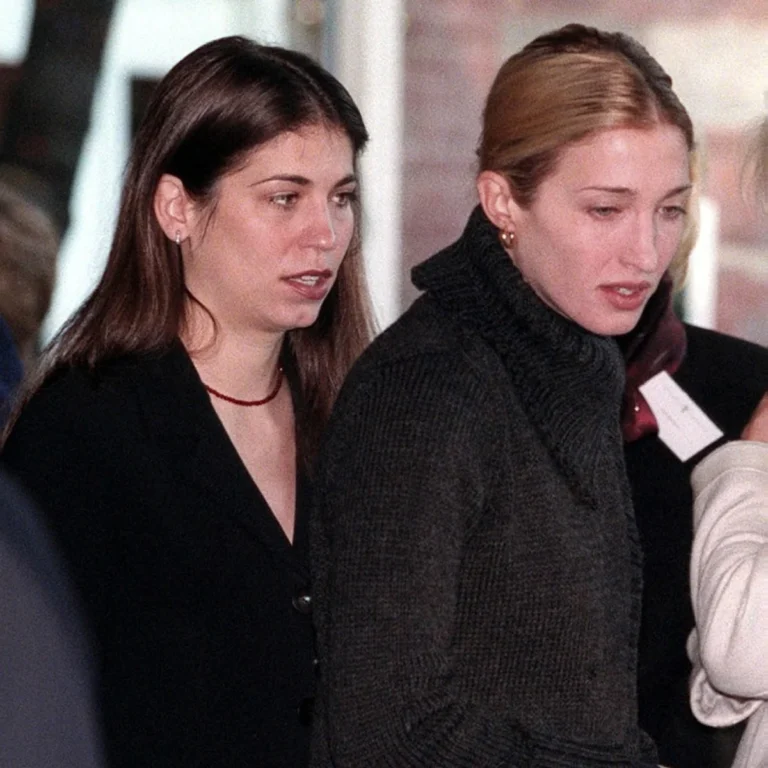
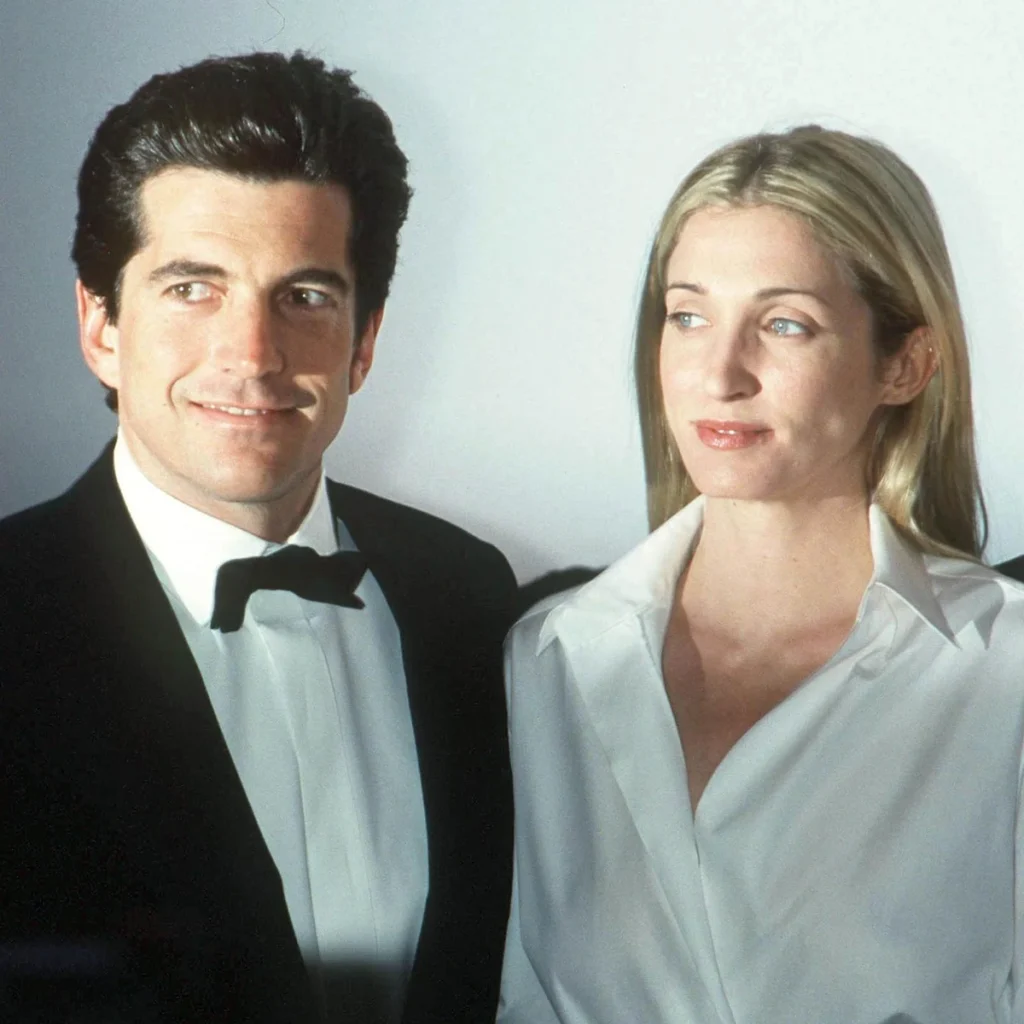
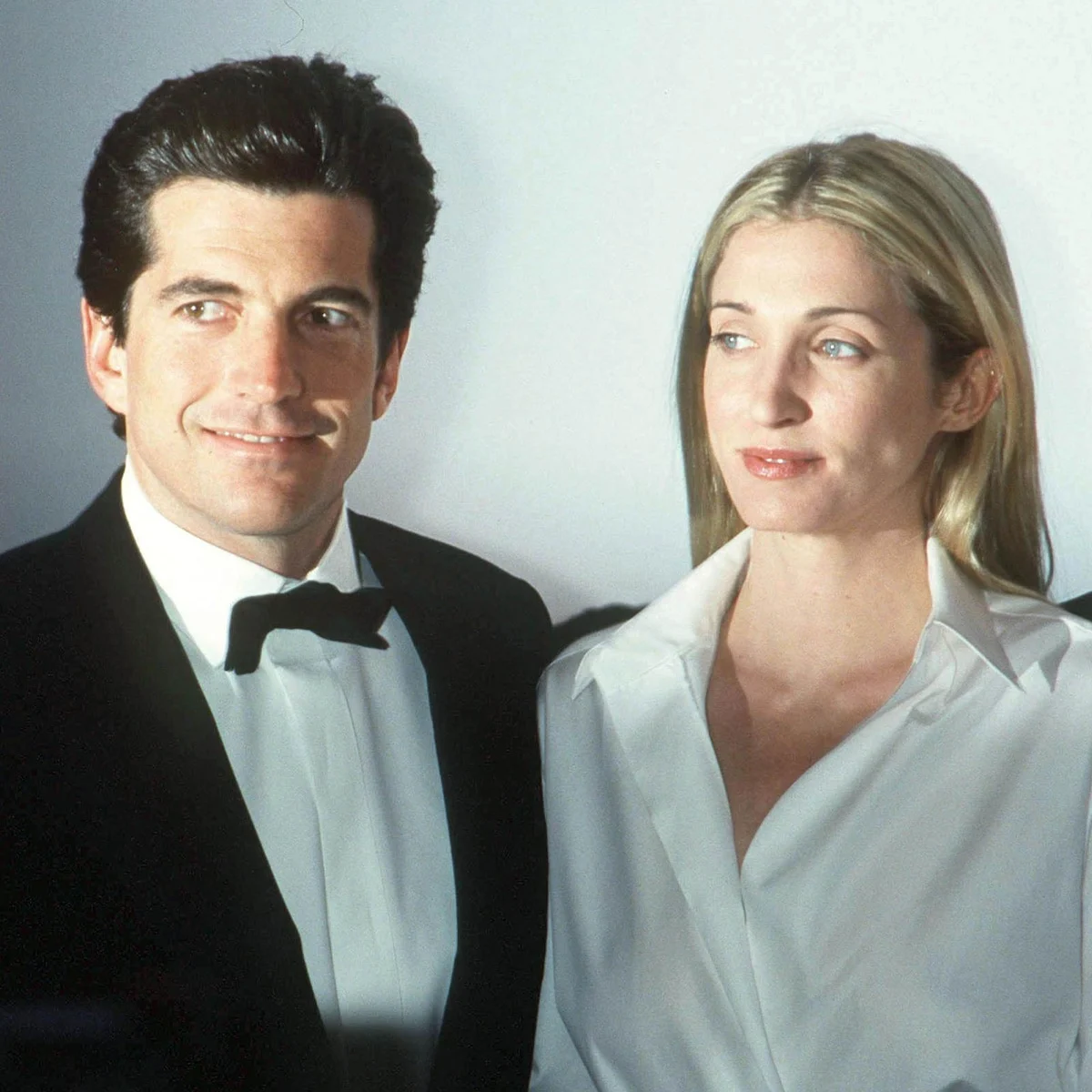
Today, the story of John and Carolyn is often viewed through the lens of what might have been. They were a couple who embodied the transition from the old-world glamour of the 1960s to the high-fashion, media-saturated world of the late 1990s. Their relationship, captured in grainy paparazzi shots and polished gala photos, remains a touchstone for American culture. Whether it was John attempting to reason with photographers outside their home or Carolyn’s savvy eye for fashion that helped launch the career of Kate Moss, their influence was undeniable.
As the final moments of their lives are revisited in documentaries and biographical series, the focus often returns to those "eerie" final words. John’s insistence on flying alone was more than just a pilot’s decision; it was a reflection of his lifelong struggle to chart his own course, independent of the shadows of his father and the expectations of his lineage. In the end, that quest for independence led him into a night where the horizon vanished, leaving only the instruments to guide him—a task for which, tragically, he was not yet prepared.
The legacy of John F. Kennedy Jr. and Carolyn Bessette is not just one of tragedy, but of a fierce, complicated love that burned brightly in the public eye. They remain frozen in time: the handsome prince and his chic, mysterious bride, forever soaring toward a destination they would never reach.