


In a world increasingly grappling with public accountability and the nuanced landscape of "cancel culture," Saturday Night Live (SNL) once again proved its keen ability to tap into the cultural zeitgeist. A recent sketch from the February 28th episode delivered a sharp, biting satire, spotlighting a parade of public figures whose careers have been marred by controversy. The sketch brilliantly lampooned the perceived opportunism of these "cancelled" celebrities, who, in a desperate bid for rehabilitation, sought to blame their past egregious behaviors and offensive speech on a medical condition: Tourette syndrome.
The inspiration for this particularly pointed satire stemmed from a real-life incident that occurred just days prior, during the prestigious BAFTA Awards ceremony on February 22nd. The event saw an unfortunate and deeply sensitive moment involving John Davidson, a dedicated advocate for Tourette syndrome awareness. Davidson was present at the BAFTAs to support "I Swear," a nominated biopic centered on his life and experiences with Tourette’s. Seated near the stage, Davidson experienced involuntary outbursts, a symptom of his condition. Tragically, one of these tics included the utterance of a racial slur while actors Michael B. Jordan and Delroy Lindo were presenting on stage. The incident, broadcast live, sparked immediate concern and discomfort.
Following the event, Davidson issued a profound apology, expressing deep mortification for the involuntary outburst and the distress it caused. He reiterated that the nature of Tourette syndrome means that such vocal tics are beyond an individual’s conscious control. The BAFTA organization also swiftly released a statement, expressing sincere regret for not having edited out the offensive word from the original broadcast, acknowledging the harm it caused to the presenters and audience, and reinforcing their commitment to diversity and inclusion. This real-world event, highlighting the complex and often misunderstood nature of Tourette syndrome, inadvertently created a fertile ground for SNL’s critical lens on the often-superficial world of celebrity apologies.
Tourette syndrome is a neurological disorder characterized by involuntary, repetitive movements and vocalizations called tics. These tics can range from simple motor tics (like eye blinking or head jerking) to complex vocal tics, including coprolalia—the involuntary utterance of obscene or socially inappropriate words or phrases. It is crucial to understand that these expressions are not intentional acts of malice or prejudice but are symptoms of a genuine medical condition. The SNL sketch, while using the condition as a comedic device, aimed its satire not at individuals living with Tourette’s, but squarely at those who might exploit such a condition as a convenient shield for their own deliberate, harmful actions.
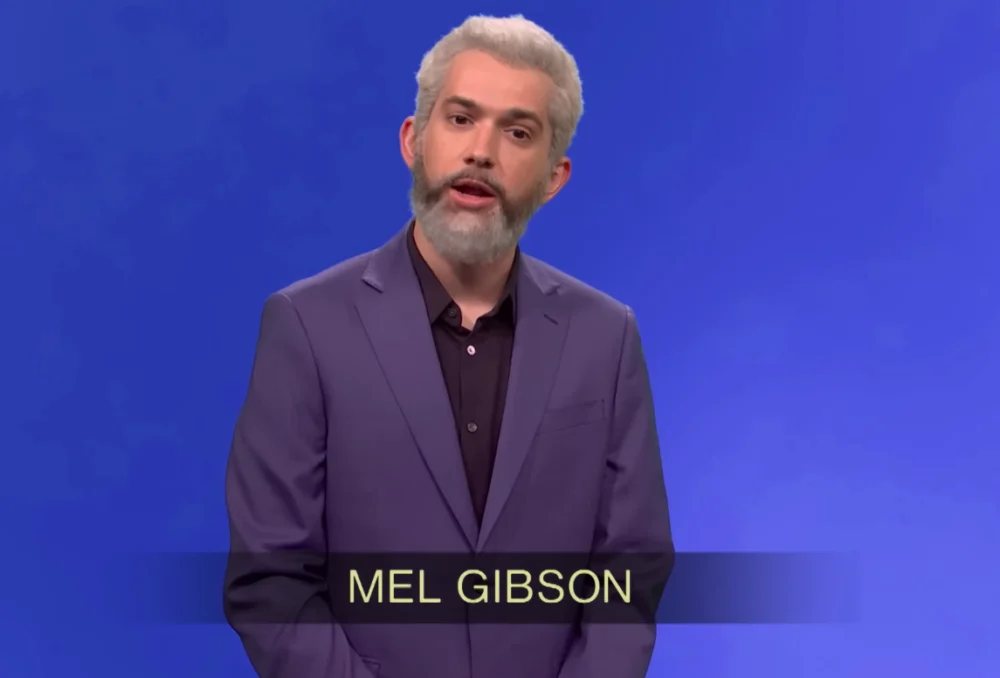
The SNL sketch itself was a masterclass in impression and pointed commentary. It featured an ensemble cast portraying a rogues’ gallery of public figures who have, at various points, faced public condemnation and professional repercussions. Andrew Dismukes appeared as Mel Gibson, known for a history of antisemitic and misogynistic remarks. Ashley Padilla embodied J. K. Rowling, whose controversial statements regarding trans rights have drawn widespread criticism. Show host Connor Storrie took on the disturbing persona of Armie Hammer, who has been embroiled in serious allegations of abuse and disturbing private messages. Sarah Sherman played "Real Housewives" alum Jill Zarin, while James Austin Johnson portrayed comedian Louis C.K., whose career was derailed by sexual misconduct allegations. Kam Patterson delivered a chilling impression of Ye (formerly Kanye West), whose recent antisemitic rants sparked global outrage. Veteran cast member Kenan Thompson stepped into the shoes of Bill Cosby, a figure whose legacy is irrevocably stained by numerous sexual assault convictions. Even "Weekend Update" anchor Michael Che playfully joined the "cancelled" cohort, jokingly playing himself, a nod to his own history of provocative humor.
Each impression offered a specific, cutting line designed to underscore the perceived absurdity of their hypothetical Tourette’s defense. Dismukes-as-Gibson began the confessional parade with a familiar, yet disingenuous, tone: "I too suffer from Tourette’s, which explains a lot of the things I’ve said or yelled through the years. Am I proud of what I said? No. But I am very proud for you to know that it was because of Tourette’s. Unfortunately, I’m not alone." This opening perfectly encapsulated the sketch’s core critique: a performative apology that swiftly pivots to an exculpatory, self-serving explanation, devoid of genuine introspection or accountability. The "pride" in attributing past harm to a medical condition, rather than taking responsibility for one’s choices, was the crux of the satire.
Storrie’s portrayal of Armie Hammer delved into the truly bizarre and disturbing allegations that have plagued the actor. With a feigned earnestness, Storrie-as-Hammer declared, "Hi cuties, I’m Armie Hammer, and not many people know this, but one of the most common side effects of Tourette’s is cannibalism. You could be casually DMing with a girl, and suddenly, the Tourette’s takes over, and you’re typing stuff like, ‘I’m literally going to eat you’, and she’s like, ‘Lol, what?’" This line, while darkly humorous, highlighted the stark difference between involuntary tics and alleged premeditated, predatory behavior. The sketch powerfully illustrated the ludicrousness of attempting to excuse truly harmful and intentional acts by conflating them with a medical condition. For a professional women-focused audience, this particular segment resonates deeply, touching on the severity of allegations against Hammer and the profound impact such behavior has on women.
Perhaps one of the most pointed jabs was delivered by Padilla as J. K. Rowling, whose extensive and frequently reiterated opinions on gender identity have alienated a significant portion of her readership and the LGBTQ+ community. "Tourette’s isn’t just blurting out an offensive word; it can be a years-long obsession with something like trans rights, and a deep anger that someone who is born with a wand in their pants would want that wand removed and replaced with a Horcrux," Padilla’s Rowling asserted. The reference to "Horcrux," a dark magical object from her Harry Potter series, added a layer of literary self-referential absurdity. The line concluded with a direct comparison: "But now you know, it was all the Tourette’s fault, and not a bet I made with Bill Belichick to see who could destroy their legacy faster." This specific piece of dialogue brilliantly satirized the perception that Rowling’s sustained and vocal stance on trans issues is not an involuntary outburst but a deliberate, long-standing campaign, which she has prioritized even at the cost of her public image. The "bet with Bill Belichick" quip added a layer of self-deprecating, yet still deflecting, humor. This segment is particularly relevant for a women-focused site, as discussions around trans rights intersect with feminist discourse and often involve intense debates about women’s spaces and identities.
The sketch served as a broader commentary on the nature of celebrity accountability in the modern era. In an age where past actions and words can resurface instantly and perpetually, public figures face immense pressure to address their controversies. However, the path to redemption is often fraught with skepticism, especially when apologies are perceived as strategic rather than genuine. SNL’s "Tourette’s defense" segment skewered the perceived insincerity of some celebrity apologies, where blame is externalized, and personal responsibility is sidestepped. It highlighted the cultural weariness with convenient excuses that attempt to absolve individuals of the consequences of their deliberate actions, thoughts, and words.
For a professional women-focused news and entertainment platform, the implications of this satire are particularly resonant. Many of the "cancelled" figures lampooned in the sketch—Mel Gibson, Armie Hammer, Louis C.K., Bill Cosby—have controversies deeply rooted in misogyny, sexual misconduct, and abuse, all of which disproportionately affect women. The sketch, by highlighting the perceived lack of genuine accountability from these figures, subtly reinforces the societal demand for real change and remorse, rather than superficial attempts at image rehabilitation. It underscores the importance of believing victims and holding perpetrators accountable for actions that cause profound harm.
Ultimately, SNL’s sketch, while employing humor, delivered a serious message about the intersection of public perception, accountability, and the often-fraught process of celebrity "cancellation" and potential redemption. It reminded audiences that true responsibility involves acknowledging one’s choices, understanding their impact, and committing to genuine change—not merely finding a convenient medical scapegoat. It also subtly underscored the need for empathy and accurate understanding of genuine medical conditions like Tourette syndrome, ensuring that real suffering is not conflated with opportunistic deflection.
The full sketch can be viewed below, offering a comedic yet profound reflection on our current cultural moment.
[iframe embed code]