
The Audacious Gamble: How Steve Carell Defied All Warnings to Create an Icon in Dunder Mifflin
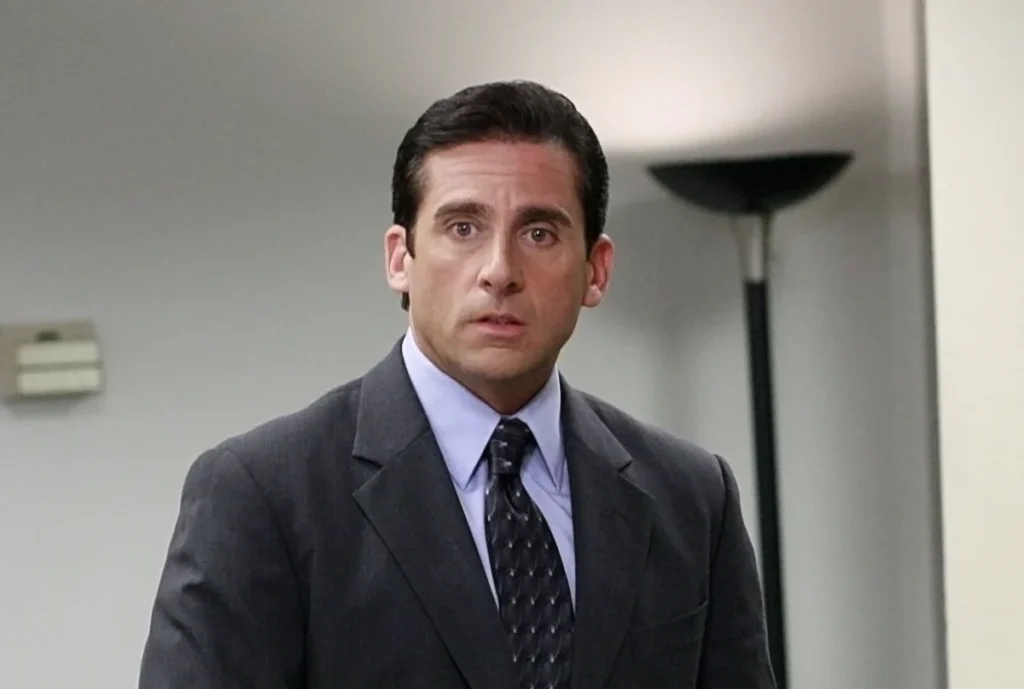
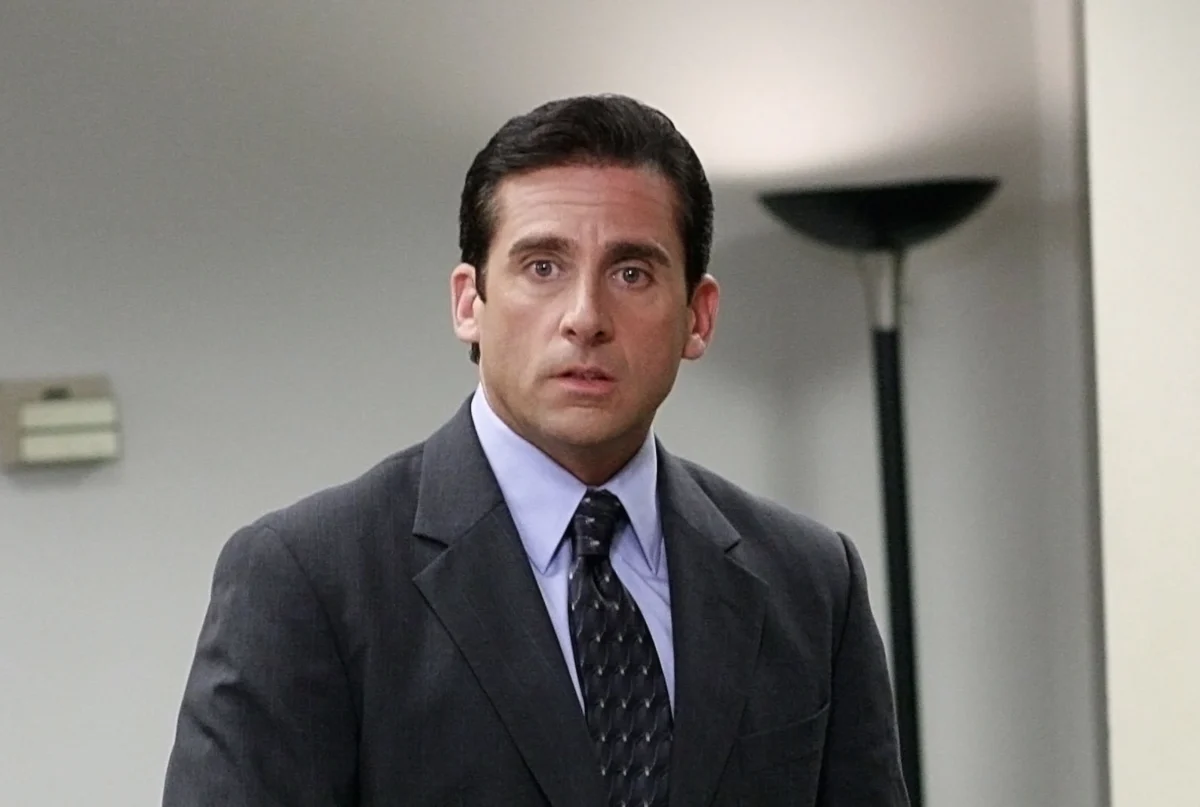
In the annals of television history, few remakes have achieved the monumental success and cultural penetration of NBC’s “The Office.” Yet, its journey from concept to beloved phenomenon was fraught with skepticism, doubt, and outright warnings from industry insiders, including none other than star Steve Carell’s comedic peers. It was a perilous tightrope walk, attempting to reinterpret a British comedy masterpiece for American audiences, a feat many deemed impossible. At the heart of this improbable triumph was Carell, who, against a chorus of cautionary tales, dared to step into the oversized shoes of regional manager Michael Scott.
The original U.K. version of “The Office,” co-created by and starring Ricky Gervais as the cringe-inducing boss David Brent, was a groundbreaking achievement. Launched in 2001, it redefined sitcoms with its mockumentary style, uncomfortable humor, and surprisingly poignant moments. It was critically adored, collecting numerous awards and establishing a new benchmark for comedic realism. For many, Gervais’s portrayal of Brent was definitive, an untouchable comedic performance. This reverence for the original created an immense shadow under which any American adaptation would have to operate, setting the stage for widespread apprehension.
The news of NBC’s intention to remake the series was met with a collective groan across Hollywood. The prevailing sentiment was that such a perfect, culturally specific show could not, and should not, be replicated. Comedy remakes, in particular, often fall flat, losing the unique timing, nuance, or cultural context that made the original shine. This was the environment Carell found himself in as he pondered an audition for the lead role. At the time, his star was steadily rising, but he wasn’t yet the household name he would become. He was known for his brilliant deadpan delivery as a correspondent on “The Daily Show with Jon Stewart” and was in the midst of filming the now-iconic comedy “Anchorman: The Legend of Ron Burgundy,” where he played the delightfully dim-witted Brick Tamland.
It was on the set of “Anchorman,” surrounded by some of the sharpest comedic minds of his generation, that the warnings grew most potent. Carell recently recounted these formative moments on Amy Poehler’s “Good Hang” podcast, revealing the depth of the industry’s concern. Poehler herself, a celebrated comedian, actress, and writer, admitted her initial reaction was one of dismay. “This is a terrible idea,” she recalled thinking. “No one can be as good as Ricky Gervais, no one can do that show.” This sentiment was echoed even more directly by Carell’s “Anchorman” co-star, Paul Rudd, a veteran of comedy who possessed a keen understanding of audience expectations and the challenges of adaptation. Rudd, recognizing the inherent risk, pulled Carell aside with a stark piece of advice.
“Rudd pulled me aside and was like, ‘Don’t do it, man. Don’t audition,’” Carell shared with Poehler, capturing the urgency of the moment. “It was like, ‘There is no way.’” This wasn’t a casual suggestion; it was a strong admonition from a trusted colleague, born of genuine concern for Carell’s career. The consensus was clear: taking on the role of Michael Scott was akin to touching a live wire, a sure path to critical disappointment and professional setback. Many in the industry advised Carell to steer clear of the project entirely, to avoid it “with a 10-foot pole.” The pressure to walk away must have been immense, a significant test of his conviction and belief in his own comedic instincts.
Yet, Carell, with a quiet determination that would later define his portrayal of Michael Scott, chose to ignore the chorus of naysayers. He booked the job, a decision that would ultimately reshape his career and American television comedy. Poehler, upon hearing of Carell’s casting, experienced a shift in her own skepticism. The sheer talent and unique comedic voice of Carell gave her pause, making her consider, for the first time, that perhaps an American “Office” could, in fact, work. However, her renewed hope was an outlier. The industry at large remained unconvinced, and the initial reception of the pilot episode underscored their fears.
Carell vividly recalled the pilot’s disastrous performance. “Our pilot was the lowest testing pilot in the history of NBC,” he revealed. “People really hated it. They actively hated it.” This was a damning indictment. Pilot testing involves screening early versions of shows for focus groups, whose feedback heavily influences network executives’ decisions. For a pilot to receive such overwhelmingly negative scores meant it was seen as a colossal failure, typically a death knell for any burgeoning series. The active hatred from viewers was a powerful signal that the show had failed to connect, to translate, or to justify its existence in the shadow of its predecessor.
The survival of “The Office” after such a catastrophic pilot is a testament to an extraordinary confluence of factors: the unwavering belief of its creators (most notably Greg Daniels, who developed the American version), a network willing to take an unprecedented gamble, and the sheer, undeniable talent of its cast. Despite the dismal initial reception, NBC gave it a chance, perhaps seeing glimmers of potential beneath the surface, or recognizing the creative team’s vision. This leap of faith proved to be one of the most prescient decisions in modern television history.
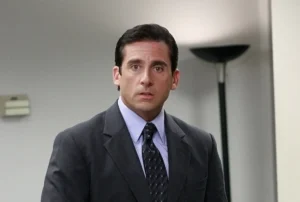
To say the show found its legs is an understatement of epic proportions. “The Office” slowly but surely carved out its own identity, moving beyond a mere imitation to become a cultural touchstone in its own right. Over nine seasons and 201 episodes, it evolved from an awkward, often uncomfortable comedy into a show celebrated for its intricate character development, heartwarming relationships, and a unique blend of observational humor and genuine pathos. Carell’s portrayal of Michael Scott was central to this transformation. He imbued the character with a vulnerability and misguided desire for approval that differentiated him from Gervais’s more purely narcissistic David Brent. Michael Scott was a well-intentioned buffoon, a man-child desperate to be loved, whose cringe-worthy antics were often tempered by moments of surprising sincerity and genuine affection for his employees.
Carell’s performance was nothing short of masterful. He earned six Emmy nominations for Outstanding Lead Actor in a Comedy Series, solidifying his status as one of Hollywood’s most versatile and beloved actors. “The Office” became a launching pad not just for Carell, but for an ensemble cast of now-famous faces including John Krasinski, Jenna Fischer, Rainn Wilson, Mindy Kaling, B.J. Novak, and Ed Helms. The show’s success catapulted Carell into global recognition, cementing his stardom after his breakout film role in “The 40-Year-Old Virgin.” His ability to anchor a show that was both deeply funny and profoundly moving made Michael Scott an indelible character in the comedic pantheon.
A crucial element of Carell’s success in creating his distinct Michael Scott was a deliberate artistic choice: he actively avoided watching the U.K. original. He understood the immense power of Gervais’s performance and the risk of unconscious imitation. “I watched a minute of one and he was so good and so specific and so funny, I thought, ‘If I watch a second more, I’m just gonna go on an audition with that,’” Carell explained. “‘I won’t be able to even imagine it a different way.’” This strategic decision allowed Carell to approach Michael Scott with a fresh perspective, to build the character from the ground up, drawing on his own comedic sensibilities and understanding of the American workplace. It enabled him to craft a character that, while sharing DNA with David Brent, stood on its own as a unique and deeply human creation.
The enduring legacy of “The Office” is undeniable. Years after its finale, it remains one of the most streamed shows across platforms, finding new generations of fans and offering comfort and laughter to its loyal base. Its quotable lines, iconic moments, and deeply relatable characters have permeated pop culture, spawning countless memes and becoming a shared cultural shorthand. The show’s themes of workplace absurdity, the search for connection, and the bittersweet realities of professional life continue to resonate deeply with audiences.
Given its unparalleled success, the question of a reunion or revival has frequently surfaced, igniting hope among fans. However, Carell has consistently maintained a firm stance against reprising his role as Michael Scott, a decision rooted in a deep respect for the show’s legacy and the integrity of its original run. As he told Collider in 2018, “I think it’s maybe best to leave well enough alone and just let it exist as what it was.” His reasoning speaks to the delicate balance of preserving a cherished work of art. To bring back Michael Scott might risk diluting the perfect ending the character received, or diminish the magic that made the original run so special.
“It was a special thing. It was a special thing before people thought it was a special thing. It was special to us, before other people started feeling that way. So, no,” Carell elaborated, highlighting the deep personal connection the cast and crew shared with the show. This sentiment underscores a profound understanding that some stories, once told completely, are best left untouched, allowing their impact to endure untarnished. His decision reflects an artist’s commitment to quality and a desire to protect the fond memories and powerful emotional resonance the series holds for millions.
While Carell has opted not to revisit Dunder Mifflin, the “Office” franchise itself continues to evolve. Last year saw the launch of “The Paper,” a Peacock original spinoff that adopts the familiar mockumentary format and focuses on a new ensemble of employees at a struggling newspaper. This new iteration demonstrates the enduring appeal of the show’s core concept – finding humor and humanity in the mundane realities of office life – even as it ventures into new narratives and characters.
Steve Carell’s journey with “The Office” is a powerful reminder that sometimes, the greatest triumphs emerge from the most unlikely circumstances, born from a leap of faith against overwhelming odds. His decision to trust his instincts, despite the industry’s warnings and a universally panned pilot, not only cemented his place as a comedic legend but also gifted the world a show that continues to bring joy, laughter, and a touch of Dunder Mifflin magic to millions. The video below offers a deeper dive into Carell’s candid conversation with Amy Poehler, providing more insights into this incredible tale of perseverance and comedic genius.