




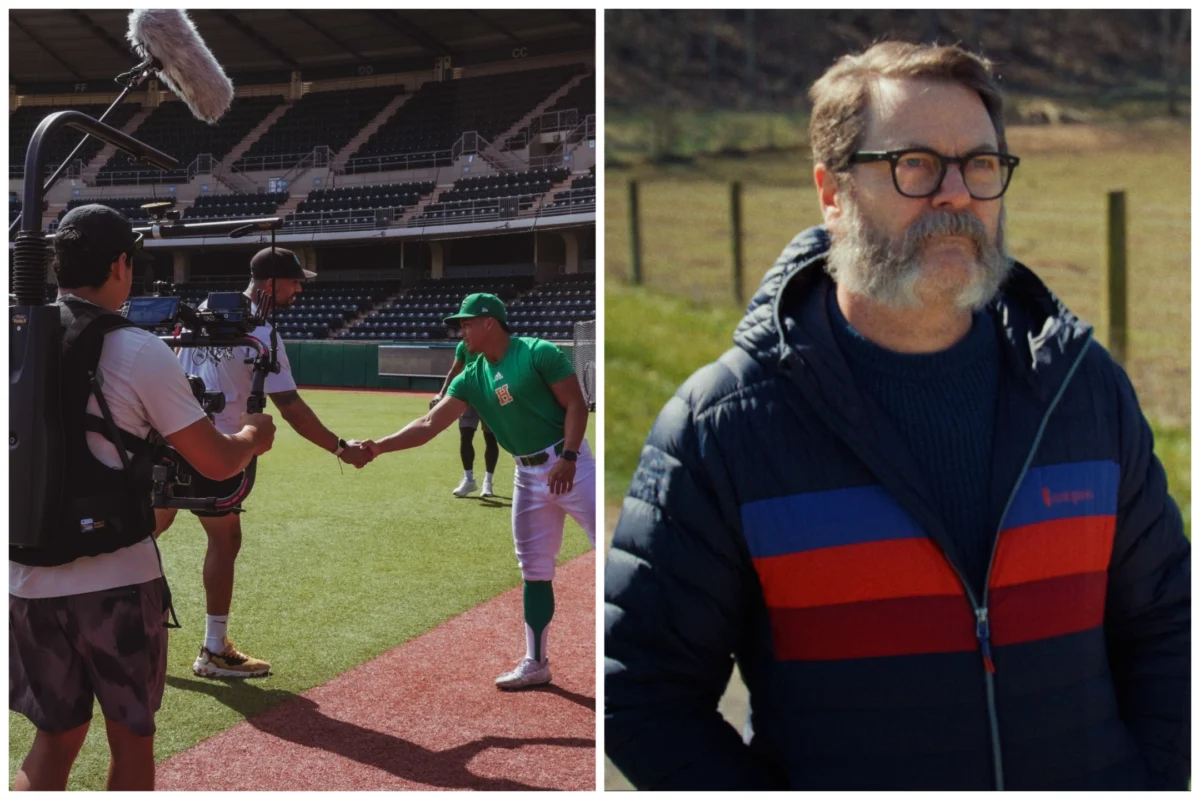
The desert landscapes of Arizona are set to become a vibrant crucible for environmental change as the inaugural Skyfire Environmental Film Festival descends upon Phoenix, Mesa, and Tempe from March 27-29. Far more than a conventional cinematic showcase, this groundbreaking three-day event is meticulously designed to bridge the gap between climate awareness and tangible action, uniting an eclectic mix of filmmakers, educators, students, scientists, and community leaders. At its heart, Skyfire promises an immersive experience, anchored by two compelling documentaries featuring prominent voices: "Kuleana," narrated by the acclaimed Woody Harrelson, will open the festival, while "Fork in the Road," executive produced by the distinctive Nick Offerman, will bring the event to a thought-provoking close. This unique confluence of art, advocacy, and direct engagement positions Skyfire as a pioneering model for community-driven sustainability.
The ethos of Skyfire transcends the traditional film festival paradigm. Its founders envision a dynamic platform where storytelling acts as a catalyst for genuine behavioral and systemic shifts. Co-founder Mike McMahon articulated this ambitious vision, stating, "Skyfire was created to move beyond conversation and into coordinated action. Film has the power to shift culture – but culture shift only matters if it changes behavior. We designed this festival as a living model of what climate leadership looks like when education, infrastructure, business, and community align." This declaration underscores the festival’s commitment to fostering a holistic ecosystem of change, where cinematic inspiration is seamlessly integrated with practical pathways to a more sustainable future. The selection of the sprawling Phoenix metropolitan area, encompassing three distinct cities, further amplifies this commitment, aiming to activate an entire region in the pursuit of environmental stewardship.
Arizona itself serves as a poignant and relevant backdrop for such an endeavor. A state celebrated for its breathtaking natural beauty—from the majestic Grand Canyon to the iconic Sonoran Desert—it is also on the front lines of some of the most pressing environmental challenges facing the American West. Issues like prolonged drought, exacerbated by climate change and the over-allocation of the Colorado River, pose existential threats to water resources for millions. Rapid urban expansion, coupled with extreme heat events, strains infrastructure and impacts public health. The festival’s presence in this region provides a crucial localized context, allowing attendees to connect global environmental narratives with their immediate surroundings. Discussions around desert ecology, sustainable water management, renewable energy adoption, and urban resilience become not just academic exercises but urgent, personal imperatives. Skyfire’s choice of location powerfully underscores that environmental action is not an abstract concept but a deeply local and immediate necessity.
The festival will officially commence on Friday, March 27, with the premiere of "Kuleana." This powerful documentary, directed and produced by Georgia Scott and narrated by the inimitable Woody Harrelson, plunges audiences into the fragile ecosystems of Hawaii. The film’s synopsis reveals a stark reality: "athletes and scientists reveal the shocking reach of plastic pollution – and the growing movement determined to save our oceans before it’s too late." The Hawaiian term "Kuleana" itself carries profound meaning, signifying responsibility, privilege, and the inherent right to care for one’s land, sea, and community. This concept resonates deeply with the film’s message, highlighting humanity’s moral obligation to protect the planet. Harrelson, a well-known environmental activist and advocate for sustainable living, lends his distinctive voice and gravitas to the narrative, drawing attention to the devastating global crisis of plastic waste. From microplastics infiltrating the food chain to massive gyres of debris choking marine life, "Kuleana" serves as an urgent call to action, demonstrating that the health of distant oceans is inextricably linked to our daily choices, even far inland in Arizona. The film challenges viewers to recognize their "kuleana" in preserving these vital natural resources.
Bringing the festival to a resonant close on Sunday, March 29, is "Fork in the Road." Directed by Vivian Sorenson and Jonathan Nastasi, and executive produced by the inimitable Nick Offerman, this documentary ventures into the vital realm of food systems. The film’s premise invites audiences to explore "the growing movement to rethink our food system, spotlighting the farmers, chefs, and advocates working to rebuild a healthier relationship between the land, the table, and the communities they feed." Offerman, celebrated for his woodworking and advocacy for craftsmanship and self-sufficiency, brings an authentic voice to a topic that touches everyone: how we grow, distribute, and consume our food. The current industrial food system, often characterized by monocultures, reliance on synthetic chemicals, long supply chains, and significant waste, contributes heavily to climate change and environmental degradation. "Fork in the Road" shines a light on regenerative agriculture, local food movements, and food justice initiatives that offer viable, sustainable alternatives. It showcases individuals and communities dedicated to fostering ecological balance, nutritional integrity, and equitable access to healthy food, providing a hopeful vision for how our plates can become powerful tools for environmental and social change. The film’s focus on reconnecting with the land and the origins of our sustenance offers a profound counter-narrative to the prevailing industrial model.
Beyond these high-profile features, Skyfire boasts a meticulously curated selection of films that span a wide spectrum of environmental themes. The festival will proudly showcase student and youth productions, emphasizing the voices of the next generation of environmental leaders. Themes explored throughout the weekend include the multifaceted impacts of climate change, the critical issue of drought and water conservation, wildlife protection, sustainable agriculture, the intricacies of food systems, pressing matters of environmental justice, innovative approaches to urban sustainability, and the invaluable wisdom of Indigenous stewardship of land. The diverse slate includes thought-provoking titles such as "To Use a Mountain," which likely explores resource extraction and land ethics; "Emergent City," perhaps delving into future-forward urban planning; "Fatal Watch," potentially a look at wildlife poaching or endangered species; and "Singing Back the Buffalo," hinting at ecological restoration and cultural revival. Other intriguing titles like "Farming While Black," addressing issues of race and land ownership in agriculture; "How We Survive Diomede," a testament to resilience in extreme environments; "Raising Aniya," whose title suggests a focus on youth activism or community building; "Giants Rising," perhaps about ancient forests or large-scale conservation; and the intriguingly titled "Beer Saves the World!" which could highlight sustainable business practices or innovative circular economies, promise a rich and varied cinematic experience. Each film is chosen not just for its artistic merit but for its capacity to inform, inspire, and, crucially, to catalyze action.
Dr. Joe Rosalle, another co-founder of the festival, eloquently articulated the profound belief in the power of narrative to drive change: "Storytelling is one of the most powerful climate solutions we have. When people see themselves in a story, they begin to see themselves in the solution. That’s why this festival is about more than screenings – it’s about activating a city." This sentiment underpins the festival’s holistic approach, which extends far beyond the darkened theater. Skyfire is designed as an immersive, experiential journey, demonstrating how sustainability can function at scale. This includes pioneering zero-waste operations throughout the festival venues, a commitment to public transportation integration to minimize carbon footprints, and offering hands-on service projects where attendees can directly contribute to local environmental initiatives. These practical components transform passive viewing into active participation, allowing individuals to witness and engage with sustainable practices firsthand, reinforcing the idea that every action, big or small, contributes to the collective solution. The festival becomes a living laboratory for environmental leadership, illustrating how thoughtful planning and community engagement can create a significant positive impact.
Beyond the captivating film screenings, Skyfire is poised to be a hub of learning and networking. The festival schedule is packed with engaging seminars, expert-led panels, and interactive workshops designed to deepen understanding and foster dialogue on critical environmental issues. These sessions provide invaluable opportunities for attendees to engage directly with filmmakers, scientists, policy makers, and community activists, gaining insights into challenges and solutions. The focus on educational outreach is particularly strong, aiming to empower individuals with the knowledge and tools needed to become effective agents of change in their own communities. Furthermore, the festival will honor excellence in environmental storytelling by presenting awards for the best and most impactful features, short films, documentaries, and animated productions. These accolades not only celebrate artistic achievement but also amplify crucial messages, drawing further attention to the urgent environmental narratives shaping our world. The full lineup of films, detailed information about seminars, panels, and workshops, as well as comprehensive details about the festival’s innovative zero-waste sustainability practices, are readily available on the organization’s dedicated website, skyfireff.org, inviting everyone to explore and engage with this transformative event.
The Skyfire Environmental Film Festival stands as a testament to the power of collective action and inspired storytelling. By bringing together diverse voices, showcasing compelling narratives, and offering tangible pathways to engagement, it aims to forge a new paradigm for environmental advocacy. In a world grappling with escalating ecological crises, Skyfire offers not just a mirror to reflect our challenges but a compass to guide us towards a more sustainable and equitable future. It is an invitation to engage, to learn, and most importantly, to act, demonstrating that when communities align around a shared vision, the potential for transformative change is limitless.