



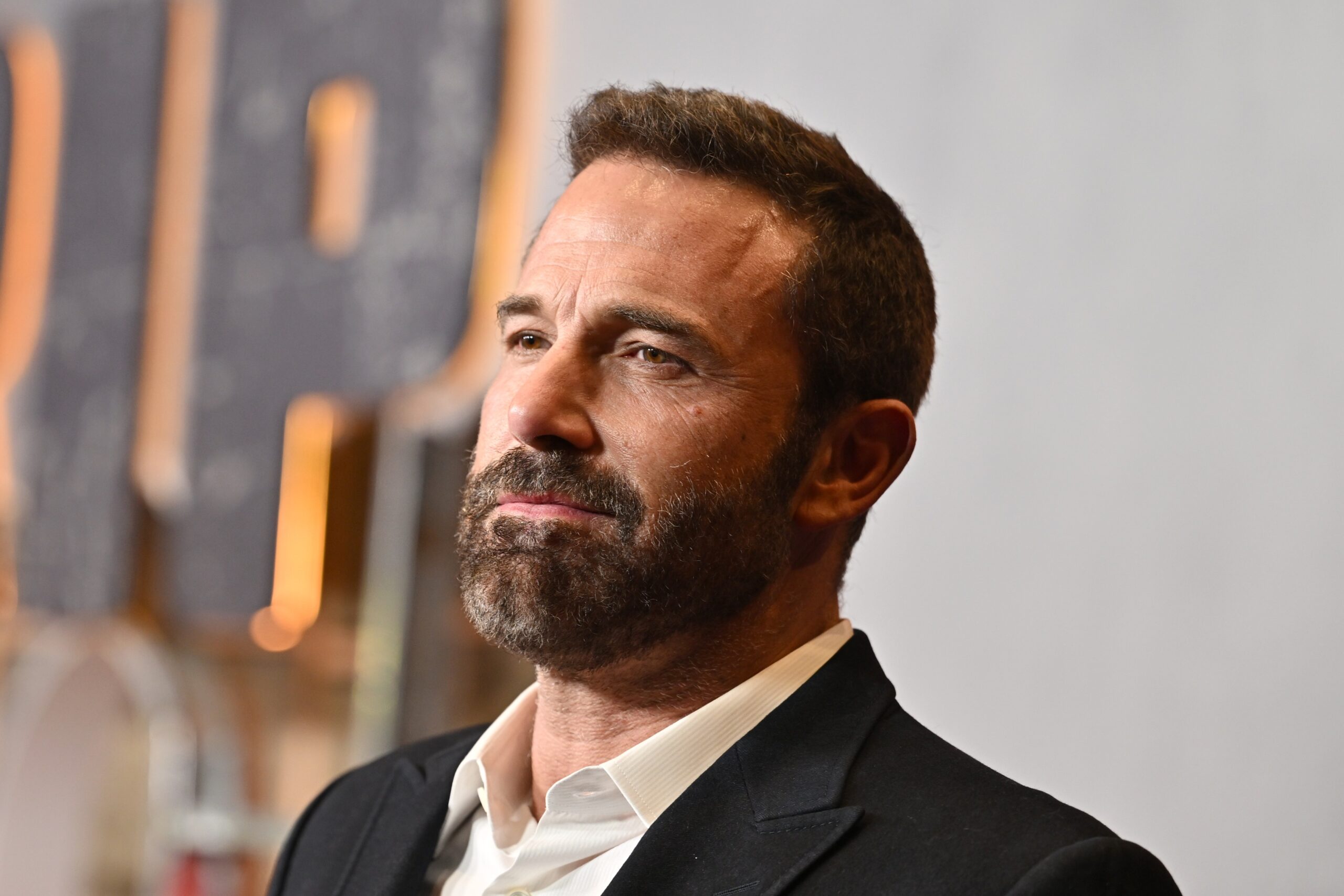
In a strategic move that signals a refined focus on empowering human artistry through advanced technology, streaming giant Netflix has made a rare acquisition, bringing Ben Affleck’s innovative startup, InterPositive, into its fold. This significant development sees Netflix, historically known for cultivating its own technological solutions, investing in an AI-powered suite of tools designed specifically to augment, rather than replace, the creative processes of filmmakers. The integration of InterPositive, a company that has operated in stealth mode since its inception in 2022, underscores Netflix’s commitment to responsible AI adoption within the entertainment industry, particularly in an era marked by widespread debate and apprehension surrounding artificial intelligence’s impact on creative professions.
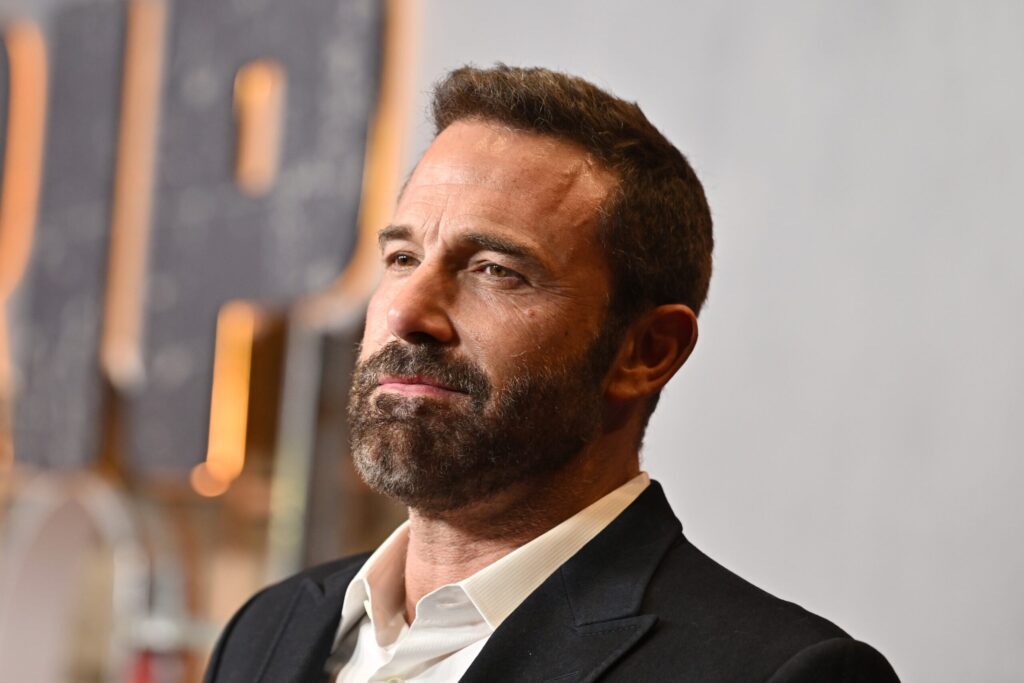
While the financial specifics of the acquisition remain undisclosed, the strategic value to Netflix is clear. The entire 16-person InterPositive team, a formidable cohort of engineers, researchers, and creative minds, will transition to Netflix, ensuring continuity and seamless integration of their groundbreaking work. Furthermore, Ben Affleck, the visionary filmmaker and entrepreneur behind InterPositive, will assume a senior advisory role at Netflix. This ongoing guidance from Affleck, a prominent figure with deep roots in the filmmaking community, is poised to provide invaluable insight, ensuring that InterPositive’s tools remain aligned with the practical needs and artistic sensibilities of creators.
Netflix’s decision to acquire InterPositive stands out given its well-documented preference for internal development. This choice reflects a recognition of InterPositive’s unique value proposition: a suite of AI tools meticulously crafted to keep filmmakers firmly at the helm of the creative process. Unlike the burgeoning wave of generative AI platforms that aim to produce content from abstract prompts, InterPositive’s technology functions as an advanced assistant, enhancing the post-production workflow. Netflix plans to make these sophisticated tools accessible exclusively to its vast network of creative partners, signaling a strategic investment in improving the quality and efficiency of its in-house productions rather than venturing into commercial sales of the technology.
Ben Affleck, whose venture InterPositive has been operating under wraps in Los Angeles since 2022, has been a vocal proponent of this distinction. He emphatically clarified that InterPositive’s mission is fundamentally different from generative AI platforms such as OpenAI’s Sora, which are designed to create video content from textual prompts. “It’s not about text-prompting or generating something from nothing,” Affleck articulated in a video released by Netflix alongside the acquisition announcement. He further elaborated, “AI, people mostly think of it as making something from nothing: ‘I’m gonna type something into a computer and it’s gonna give me a movie.’ That’s not what this is.” This clarification is crucial in a landscape where the capabilities and ethical implications of AI are under intense scrutiny, particularly by creative guilds and artists concerned about job displacement and the devaluation of human craftsmanship.
The core functionality of the InterPositive system lies in its ability to construct a bespoke AI model from a production’s “dailies”—the raw, unedited footage captured each day. This custom model then integrates into the post-production pipeline, offering filmmakers unprecedented capabilities. As Affleck explained, these tools empower creators to perform tasks such as intricate color grading and mixing, sophisticated relighting of shots, and the seamless addition of visual effects. By leveraging AI to refine existing footage, InterPositive aims to streamline complex technical processes, allowing artists to focus more intently on their creative vision and less on the laborious aspects of execution. This approach resonates deeply with the industry’s evolving needs, promising enhancements in efficiency without compromising artistic integrity.
This pivotal acquisition by Netflix arrives shortly after the streaming giant withdrew its bid to acquire Warner Bros. Discovery’s extensive studios and streaming assets. Netflix’s decision not to counter Paramount Skydance’s increased hostile bid for WBD, which ultimately reached $31 per share, highlights a strategic pivot. Rather than pursuing a massive, capital-intensive merger that would significantly expand its content library and infrastructure, Netflix appears to be doubling down on organic growth and technological innovation. The InterPositive acquisition suggests a calculated move to enhance its core production capabilities and attract top-tier talent by offering cutting-edge tools, rather than merely expanding through traditional content acquisition. This nuanced strategy indicates a focus on cultivating a superior creative ecosystem from within, leveraging technology as a competitive differentiator.
Bela Bajaria, Netflix’s Chief Content Officer, a formidable leader in the entertainment industry, underscored the profound impact InterPositive’s AI technology is expected to have on the company’s creative partners. She articulated that the tools would furnish filmmakers with “more choices, more control and more protection for their vision.” Bajaria’s statement resonates with Netflix’s long-standing commitment to nurturing talent and respecting artistic autonomy, a principle she emphasized as foundational to their relationships with creators. “Our relationship with artists has always been grounded in trust: supporting the full range of their creativity and ensuring they have the power to decide how their films and shows are made,” Bajaria affirmed. Her vision for AI is one where “new tools should expand creative freedom, not constrain it or replace the work of writers, directors, actors and crews.” She lauded Ben Affleck and his team as part of a rich tradition of artists who have historically driven innovation in storytelling, asserting that their work empowers filmmakers with greater control and safeguards their artistic intentions. This perspective positions Netflix not just as a technology adopter, but as a proponent of ethical and artist-centric technological advancement, a crucial stance for a company that relies heavily on creative talent.
Further elaborating on the technical and philosophical underpinnings of the acquisition, Elizabeth Stone, Netflix’s Chief Product and Technology Officer, provided a critical distinction. Stone observed that many of the generative AI video platforms currently available on the market often lack a genuine filmmaker’s perspective. In contrast, InterPositive’s tools are meticulously designed to elevate the quality of content, rather than merely accelerating production timelines or reducing costs. This emphasis on quality over expediency is a significant differentiator, especially in an industry where the rush to adopt new technologies can sometimes overshadow artistic excellence. “Our approach to AI has always been focused on meaningfully serving the needs of the creative community and our members,” Stone stated, highlighting Netflix’s commitment to purposeful innovation. She welcomed the InterPositive team, reinforcing the shared belief that “innovation should empower storytellers, not replace them.” Stone’s leadership in integrating this technology speaks volumes about Netflix’s strategic direction, focusing on how technology can serve human creativity, ensuring that “people — and their ideas, craft and judgment — remain at the core of great storytelling.” Her insights provide a clear roadmap for how Netflix envisions the harmonious coexistence of advanced AI and human ingenuity.
Affleck himself provided a compelling account of InterPositive’s genesis, detailing his journey into the world of AI. “In 2022, I spent a lot of time observing the early rise of AI in production,” he recounted. As a seasoned filmmaker, he quickly discerned the limitations of early AI models in meeting the nuanced demands of cinematic storytelling. He recognized a critical gap: for artists to genuinely harness these tools, they needed to be purpose-built to embody and protect the intricate qualities that define a compelling narrative. This included everything from the subtle distortions of a lens to the dynamic interplay of light across a scene, as well as the inherent, often unpredictable, challenges of real-world production environments. Affleck’s deep understanding of the craft led him to believe that preserving the “human” element—the invaluable judgment honed over decades of experience—was paramount. He felt a profound responsibility to his peers and the industry to champion tools that would safeguard human creativity and the individuals behind it.
Driven by this conviction, InterPositive embarked on an ambitious project: filming a proprietary dataset on a controlled soundstage meticulously configured to replicate the authentic conditions of a full-scale production. Affleck’s goal was to construct a workflow that accurately mirrored the on-set experience, utilizing a vocabulary familiar to cinematographers and directors, and incorporating the precise consistency and control they would expect. This hands-on, filmmaker-centric approach was crucial in developing AI that genuinely understood the intricacies of visual storytelling.
The startup’s inaugural AI model was engineered to grasp “visual logic and editorial consistency,” while simultaneously upholding cinematic rules even under challenging production scenarios, such as missing shots, the need for background replacements, or incorrect lighting conditions. Crucially, InterPositive also integrated built-in restraints designed to safeguard creative intent. These tools are meticulously crafted for responsible exploration, ensuring that creative decisions remain firmly in the hands of artists. This framework ensures that the myriad benefits of this sophisticated technology directly contribute to the narrative the filmmakers are striving to tell, rather than dictating it. Affleck expressed immense satisfaction with the prospect of this pioneering work continuing under Netflix’s expansive umbrella, eager for the broader creative community to access and benefit from the innovations they are collectively forging.
The acquisition of InterPositive by Netflix is more than just a corporate transaction; it represents a significant ideological stance in the ongoing dialogue surrounding AI in Hollywood. In a climate where writers and actors have voiced legitimate concerns about the existential threat of AI to their livelihoods and creative control, Netflix, through this acquisition, is signaling a path forward that prioritizes augmentation over automation, partnership over replacement. It’s a testament to the belief that technology, when wielded thoughtfully and ethically, can be a powerful ally to human creativity, opening new avenues for artistic expression and technical excellence.
For professional women in the entertainment industry, this acquisition carries particular weight. The prominent roles played by Bela Bajaria and Elizabeth Stone in articulating Netflix’s vision for InterPositive highlight the critical influence of female leadership in navigating the complex intersection of technology and creativity. Their emphasis on empowering storytellers and ensuring ethical AI development sets a powerful precedent, demonstrating how diverse perspectives at the executive level can shape responsible innovation. This move could inspire more women to engage with the technical aspects of filmmaking, seeing AI not as a barrier, but as a tool to amplify their voices and visions. By integrating InterPositive, Netflix is not merely acquiring a company; it is investing in a future where technology serves the artist, fostering an environment where innovation and imagination can thrive in harmonious synergy, ultimately enriching the global tapestry of storytelling for audiences everywhere.
The implications for the broader filmmaking community are substantial. Access to InterPositive’s advanced post-production tools could democratize certain aspects of high-end filmmaking, potentially enabling independent creators and productions with more modest budgets to achieve visual sophistication previously reserved for blockbusters. This could foster greater creative diversity and push the boundaries of visual storytelling across the industry. Netflix’s commitment to internal use ensures that these tools are fine-tuned within a real-world production environment, benefiting directly from the feedback of the very filmmakers they aim to serve. This closed ecosystem allows for continuous improvement and tailored development, positioning Netflix at the forefront of leveraging AI responsibly to elevate cinematic artistry.
The partnership between Affleck’s InterPositive and Netflix thus represents a significant milestone, not just for the companies involved, but for the entire entertainment ecosystem. It’s a bold declaration that the future of storytelling will indeed involve AI, but crucially, it will be an AI that champions human ingenuity, preserves artistic integrity, and expands the horizons of creative expression. As the industry continues to grapple with the transformative power of artificial intelligence, Netflix and InterPositive are charting a course that seeks to empower, rather than diminish, the human element at the heart of every great story.