


The finale of FX’s highly anticipated series, “Love Story,” delivered a breathtaking and profoundly moving conclusion, offering viewers a sensitive, yet utterly heartbreaking, journey to the inevitable endpoint of John F. Kennedy Jr. and Carolyn Bessette Kennedy’s tragic narrative. After a season spent meticulously charting the incandescent romance and eventual unraveling of America’s unofficial royal couple, the series culminated not in a sensational depiction of their fatal plane crash, but in a series of contemplative moments that honored their memory and explored the lingering question of what might have been. The final scene, a serene vision of John F. Kennedy Jr. and Carolyn Bessette Kennedy on a windswept Massachusetts beach, embracing in quiet solitude, presented a powerful ‘what if’ – a poignant glimpse into the peaceful existence they were denied, far from the relentless glare of public fascination.
From its very first moments, “Love Story” acknowledged its somber destination. The premiere opened with a jarring flash-forward, thrusting audiences into a tense argument on a tarmac, just moments before the real-life 1999 flight to Martha’s Vineyard that claimed the lives of John, Carolyn, and Carolyn’s sister, Lauren Bessette. This narrative choice established an underlying current of dread, a dramatic irony that colored every subsequent scene of blossoming affection and marital strife. The series then masterfully rewound the clock, meticulously detailing the genesis of John and Carolyn’s passionate relationship, their clandestine wedding on Cumberland Island, and the subsequent, escalating pressures that began to fray the fabric of their union. It was a story not just of love, but of love under siege – by the insatiable media, the monumental shadow of the Kennedy legacy, and the deeply personal struggle for privacy in an inescapably public life.
The show’s creators approached the couple’s demise with an almost reverential sensitivity, choosing to focus on the emotional landscape leading up to the tragedy rather than its gruesome mechanics. Instead of a direct depiction of the crash, the narrative skillfully brought viewers back to that fateful tarmac, but only after a painstaking exploration of their final tumultuous month. This period was characterized by escalating tensions and a desperate attempt to salvage a marriage buckling under immense strain. We learned that a marriage counselor had, in a last-ditch effort, recommended a trial separation. This advice, stark and uncompromising, underscored the profound depth of their marital crisis. Carolyn, portrayed with raw vulnerability by Sarah Pidgeon, articulated her deep-seated resentment to John (a nuanced performance by Paul Anthony Kelly), declaring, “I cannot be the third person in my marriage.” Her words cut to the core of their predicament: the constant intrusion of the media and the omnipresent, almost mythical weight of the Kennedy name had created an insurmountable barrier between them, leaving Carolyn feeling perpetually secondary to a legacy she never chose.

Yet, the very notion of a separation, even a temporary one, sent shockwaves through their dynamic. Despite their increasingly bitter arguments and the palpable distance that had grown between them, the idea of going “no-contact” proved unfathomable. Their bond, however fraught, was too deeply intertwined, too intensely codependent, to simply sever. This paradoxical attachment highlighted the complex nature of their love – a magnetic pull that persisted even as they seemingly pushed each other away. The counsel for a trial separation yielded unexpected short-term consequences; a shared night of intimacy, almost as if to defy the looming specter of a split, briefly rekindled a physical connection that their emotional one desperately craved.
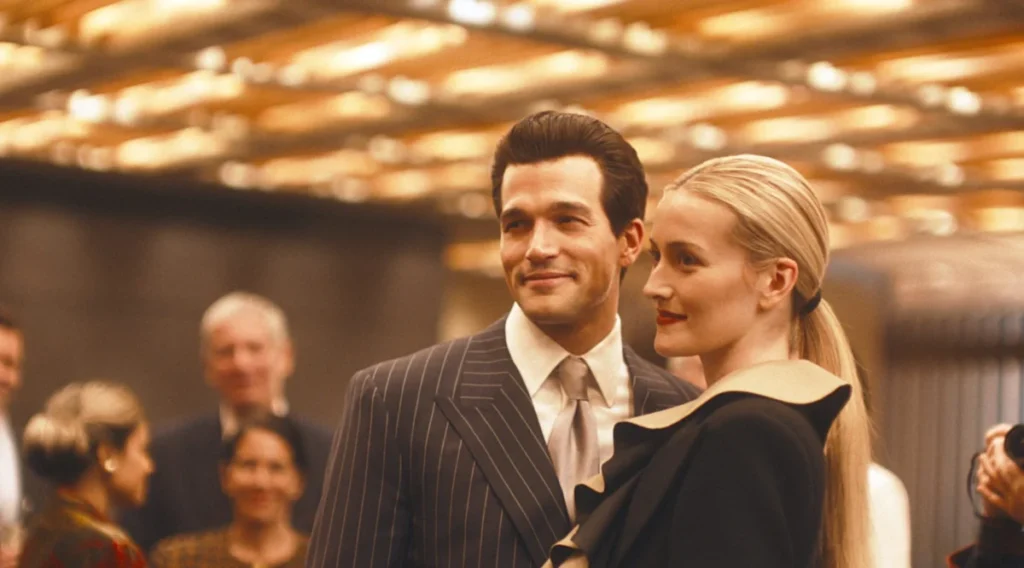
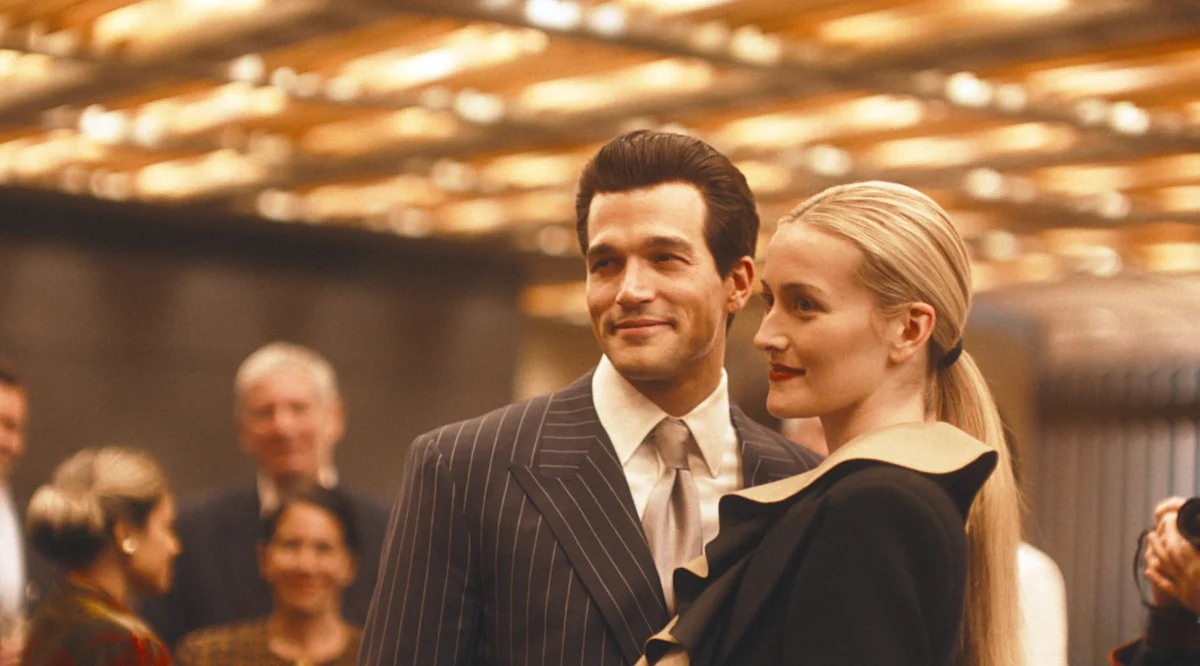
The weeks following this revelation painted a picture of a couple struggling to reconnect amidst the chaos. Carolyn, who had retreated into a self-imposed exile within their Tribeca loft to escape the paparazzi’s relentless lenses, made a significant concession. She chose to attend a *George* magazine party, an event crucial to John’s public persona, consciously deciding to engage with the world that had so deeply alienated her. It was a moment of profound courage and sacrifice, a testament to her enduring love and commitment. After months of avoiding cameras and dreading public criticism, she forced a smile, a gesture of solidarity that did not go unnoticed by John. In response, craving validation and perhaps a return to the normalcy they once shared, John took Carolyn to a secret, intimate dinner at their favorite Indian restaurant. It was there he made a solemn promise: to re-examine his life, to carve out a space truly for her, away from the demands of his public identity. He even offered to skip a cousin’s wedding, a rare deviation from his family obligations, but Carolyn, sensing a fragile turning point, insisted he go. “I miss dancing with you,” she confessed on their walk home, a simple yet profound declaration that encapsulated her yearning for the joy and lightness that had been eclipsed by their fame.
This tentative thread of reconciliation led the audience back to the tarmac, the scene of the series’ initial flash-forward. This time, however, the show made a deliberate narrative choice, eliding the initial, heated argument between them with a gentle fade to white. When the scene faded back in, the atmosphere had shifted. Carolyn, now serene, was seated in the plane, engrossed in the Irish playwright Brian Friel’s “Lovers” alongside her sister Lauren (Sydney Lemmon), while John piloted the aircraft alone. A sense of unease, perhaps a premonition, stirred within Carolyn. She turned to her pilot, asking, “Permission to enter the cockpit?” Granted entry, she donned a pair of headphones, joining John in the confined space that would soon become their final chamber.
It was in this claustrophobic, yet intimately shared, space that the show offered its most heartbreaking and beautiful reconciliation. “I missed you,” John murmured, his voice laced with a mixture of relief and regret. “I had a feeling,” Carolyn replied, her words carrying the weight of both intuition and profound empathy. This was the moment viewers had been implicitly waiting for, the emotional crescendo that lent their tragedy an unbearable tenderness. But this reunion arrived just as fate, or perhaps John’s own choices, intervened. Piloting towards what he believed was the horizon, John suddenly lost his sense of it, the instruments spinning wildly, casting his face in an ominous red glow. He urged Carolyn to return to her seat, a final, desperate attempt to protect her. But she refused, remaining steadfastly by his side, a beacon of calm in the burgeoning chaos. “It’s OK, just breathe. John, just breathe. Just breathe,” she whispered, her voice a soothing anchor. As John looked utterly confounded by the terrifying reality his destiny and choices had placed him in, Carolyn, in a remarkable portrayal of grace under pressure, appeared profoundly serene, accepting their shared fate with quiet dignity.

The aftermath of the deaths of John, Carolyn, and Lauren unfolded with a raw, unflinching look at the grief of their surviving families. The series dedicated significant time to the raw anguish of John’s sister, Caroline Kennedy (Grace Gummer), and Carolyn and Lauren’s mother, Ann Messina Freeman (Constance Zimmer). The immediate period following the tragedy saw a deeply sensitive portrayal of the initial clash between the two powerful families over the burial arrangements. Through Kennedy proxy, Caroline’s husband Ed Schlossberg (Ben Shenkman), the initial discussions were fraught. However, an impromptu, emotionally charged meeting between Caroline and Ann within the solemn confines of the star-crossed couple’s Tribeca loft allowed for a moment of profound détente. In their shared grief, the women found common ground, agreeing that all three plane passengers would be laid to rest at sea, a final act of unity for those whose lives were so tragically intertwined.
The funeral service itself was a masterclass in quiet solemnity, punctuated by Ann Messina Freeman’s readings. She first delivered Henry Scott-Holland’s comforting poem, “Death Is Nothing at All,” a timeless message of continuity and the enduring presence of loved ones beyond physical life. This was followed by Clare Harner’s equally poignant “Do Not Stand at My Grave and Weep,” a powerful plea for remembrance without sorrow, encouraging joy and freedom. These literary choices underscored the show’s thematic undercurrents: the transcendence of love beyond death, and the hope for peace for those left behind. The scattering of ashes at sea was depicted with a quiet dignity, a final farewell witnessed by a grieving world.
Yet, the series refused to end on a note of pure despair. Bringing the narrative full circle, the finale concluded with that evocative “what if” moment: John and Carolyn, utterly alone, embracing on a secluded sand dune. It was a vision of pure, unadulterated happiness, free from the prying eyes of the press, the demands of family legacy, or any mediating force. In that imagined embrace, they were simply two people in love, finding solace and joy solely in each other’s company. This final, dreamlike sequence served as a powerful testament to the enduring human desire for a peaceful ending, offering a bittersweet closure to a story that, in reality, was cut tragically short. “Love Story” ultimately crafted a narrative that, while acknowledging the inevitable, dared to dream of the untroubled love that might have been, cementing the fictionalized legacy of John F. Kennedy Jr. and Carolyn Bessette Kennedy as a timeless tale of love, pressure, and the cruel hand of fate.