

The highly anticipated debut of “SNL U.K.” has sent ripples through the entertainment landscape, proving that British humor is as sharp and unsparing as ever. In its inaugural episode, the new comedy institution wasted no time in tackling two of the most cherished and recent pillars of British culture: a critically acclaimed historical drama and a beloved national icon. With a blend of anachronistic wit and biting social commentary, the show delivered a memorable launch, featuring a dramatically reimagined William Shakespeare and a truly wild take on an “immersive experience” gone awry.
One of the standout sketches of the premiere episode bravely ventured into the hallowed halls of literary history, taking aim at “Hamnet,” the period drama that has captivated critics and audiences alike this awards season. Directed by Chloe Zhao, the film “Hamnet” offers a poignant and speculative exploration of the life of William Shakespeare’s wife, Agnes Hathaway (often referred to as Anne Hathaway), and the profound grief that followed the death of their son, Hamnet, believed to be the inspiration for Shakespeare’s most famous tragedy. Its serious, contemplative tone, exquisite cinematography, and stellar performances have earned it considerable acclaim, making it a prime target for comedic subversion. “SNL U.K.” seized this opportunity to flip the script entirely, presenting a version of the Bard that would undoubtedly leave traditionalists clutching their pearls.
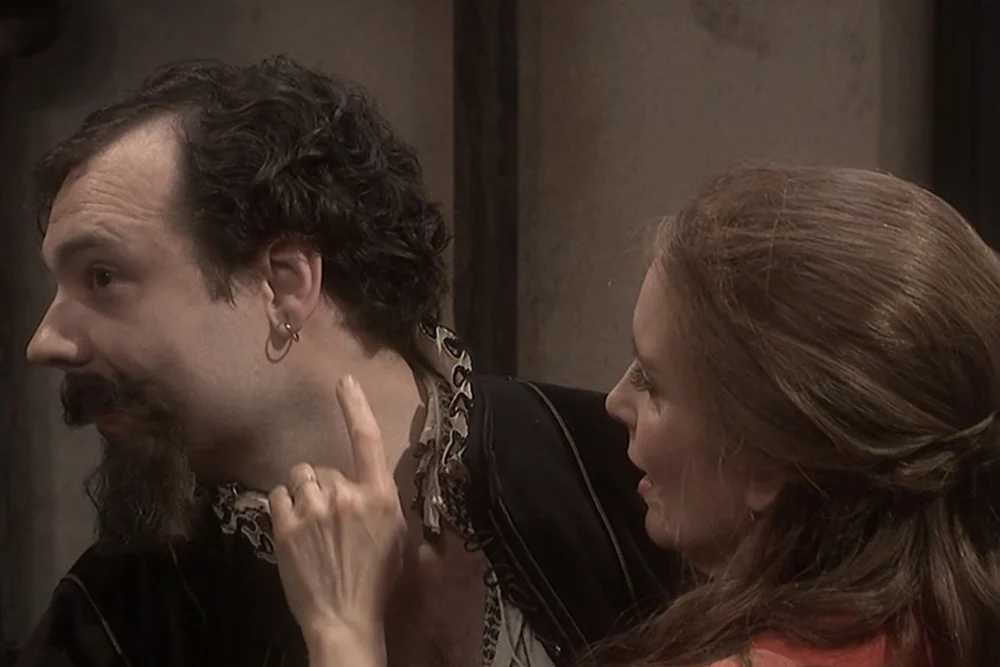
In “SNL U.K.’s” audacious take on “Hamnet,” the legendary playwright, typically depicted as a figure of gravitas and poetic eloquence, returns home to Stratford-upon-Avon a changed man. His wife, Agnes Hathaway, played with impeccable deadpan humor by the incomparable Tina Fey, observes this transformation with a mixture of bewilderment and resignation. Gone is the scholarly, perhaps melancholic, poet; in his place is an increasingly Gen-Z-coded hipster, fresh from the vibrant, perhaps corrupting, influences of London’s contemporary scene. His initial greeting to his family, a rhetorical “Dost thou not think I appear changed?” quickly gives way to the revealing confession: “I got a cunty little earring!” This immediate plunge into modern vernacular sets the tone for a sketch that delights in the anachronistic collision of eras, highlighting the superficial markers of modern youth culture against a backdrop of Elizabethan England.
The layers of Shakespeare’s transformation peel back with each subsequent return to the family homestead. He is no longer walking or riding horseback, but rather zipping in on an electric scooter, a ubiquitous symbol of urban mobility and casual disregard for tradition. His possessions are equally telling: a canvas tote bag emblazoned with “Team Anne Boleyn” – a nod to contemporary celebrity fandom and historical revisionism – and a proudly displayed “slutty little chain,” embracing a modern aesthetic of understated rebellion. These details are not merely random gags; they are carefully chosen signifiers of a particular contemporary sensibility, one that values self-expression, irony, and a certain detached cool.
Agnes Hathaway, grounded in the realities of her domestic life and the expectations of her time, articulates the obvious shift with a simple, direct observation: “London hath changed thee.” Her husband’s response, however, elevates the sketch from mere observation to sharp cultural commentary. “Thou art in Stratford upon Avon, and I’ve been in London upon ketamine,” he retorts, a stark admission of his new, illicit urban experiences. This line not only references a specific recreational drug but also positions London as a place of hedonism and experimental self-discovery, a world away from the quiet domesticity of Stratford. He further solidifies his modern persona with pop culture references, declaring, “I’m like Charlie Xcx, sorry, Charlie 10 100 10. I’m in my glow up era, honey.” The deliberate mispronunciation of the pop star’s name, followed by a self-correction using numerical phonetic spelling, is a perfect encapsulation of Gen-Z internet culture, where irony and self-awareness are paramount. The declaration of being in a “glow up era” further reinforces this image of a person undergoing a dramatic, often self-initiated, transformation, typically associated with improved appearance, confidence, and social standing.
The sketch then circles back to the core narrative of “Hamnet,” albeit through a darkly comedic lens. Young Hamnet is seen falling ill, having “taken the powder” from a new purse. In the film, Hamnet’s death is a tragic turning point. Here, Shakespeare, in his newfound, detached persona, dismisses the gravity of the situation with a casual, almost flippant, “He’ll be fine. Tis but a K-hole.” This line, while deeply irreverent, highlights the profound disconnect between Shakespeare’s traditional role as a grieving father and his modern, drug-influenced indifference, making a biting statement about contemporary society’s often casual approach to serious issues, or perhaps the detachment that can come with certain subcultures.
Following the historical irreverence of the “Hamnet” sketch, “SNL U.K.” pivoted to another British institution, though one far more universally beloved and decidedly less highbrow: Paddington Bear. The sketch targeted the burgeoning trend of “immersive experiences,” a phenomenon that has seen varying degrees of success and, occasionally, spectacular failure. These experiences, which promise to transport participants into the worlds of their favorite stories or characters, have become a cultural touchstone, often criticized for their exorbitant prices, questionable execution, and sometimes outright absurdity. The recent widely publicized debacle of the “Willy Wonka Experience” in Glasgow, which left attendees disappointed and enraged by its sparse, misleading setup, undoubtedly fueled the satirical fire for this sketch.
In “SNL U.K.’s” version of the Paddington Bear immersive experience, the concept takes a terrifying turn. Instead of a charming, family-friendly adventure, guests are confronted with an actual, live bear unleashed upon them. The humor here is derived from the extreme juxtaposition of the gentle, marmalade-loving bear from darkest Peru with a savage, dangerous animal. The aftermath is depicted with typical British understatement and dark humor. One shell-shocked guest, having clearly suffered a severe injury, quips, “That was amazing. I’ve lost half my face.” Another, perhaps even more disturbingly, reflects on a newfound sense of freedom: “I always thought that three kids was a bit too many, and now I’ve got the optimum amount… none!” These lines, delivered with a detached, almost accepting tone, perfectly satirize the human capacity for dark humor in the face of tragedy, and the absurd lengths to which people will go for “experience.”
Tina Fey returns in this sketch as the experience organizer, embodying a clueless, profit-driven entrepreneur utterly detached from the chaos she has unleashed. Her explanation for the bear’s rampage is a classic comedic deflection: “In retrospect, maybe hot glue-gunning the hat to the bear’s head may have made it more angry.” This detail perfectly encapsulates the shoddy, ill-conceived nature of some immersive experiences, where corners are cut and common sense is abandoned in pursuit of a quick buck. Her final line, “I’m taking it to Broadway regardless,” delivers a punchline about the relentless pursuit of commercial success, regardless of ethical considerations or public safety, a sharp jab at the entertainment industry’s often exploitative tendencies.
The choice of Paddington Bear as a target for satire is particularly potent given its status as a British national treasure. For generations, Paddington has symbolized kindness, politeness, and the gentle spirit of British hospitality. This wholesome image is fiercely protected by Studiocanal, the rights holders to the Paddington Bear franchise. Studiocanal has a well-documented history of safeguarding the brand’s integrity, as evidenced by their previous legal actions against portrayals that deviate from the bear’s established character. Notably, they sued the makers of the satirical puppet show “Spitting Image” over their depiction of Paddington as a drug-taking, foul-mouthed podcast host. This earlier legal battle underscores the strict boundaries Studiocanal draws when it comes to parodies or reinterpretations of their beloved character. The “SNL U.K.” sketch, with its portrayal of a violent, hat-glue-aggravated bear and its devastating consequences, pushes these boundaries even further. It will be interesting to observe Studiocanal’s reaction to this latest comedic foray, and whether “SNL U.K.’s” parody falls within the acceptable bounds of satire or if it crosses into territory that prompts legal intervention. The line between comedic homage and brand dilution is often a fine one, and Paddington, it seems, is no laughing matter when it comes to his public image.
The inaugural episode of “SNL U.K.” has thus made a bold statement, signaling its intent to engage with contemporary British culture with intelligence, irreverence, and a keen eye for absurdity. By lampooning both highbrow cinematic achievements and popular cultural phenomena, the show has positioned itself as a sharp observer of the nation’s quirks and conventions. The successful translation of the iconic American “Saturday Night Live” format to a British context, especially with a talent like Tina Fey lending her comedic weight, suggests a promising future for a show that is unafraid to challenge expectations and poke fun at the very fabric of British identity.