

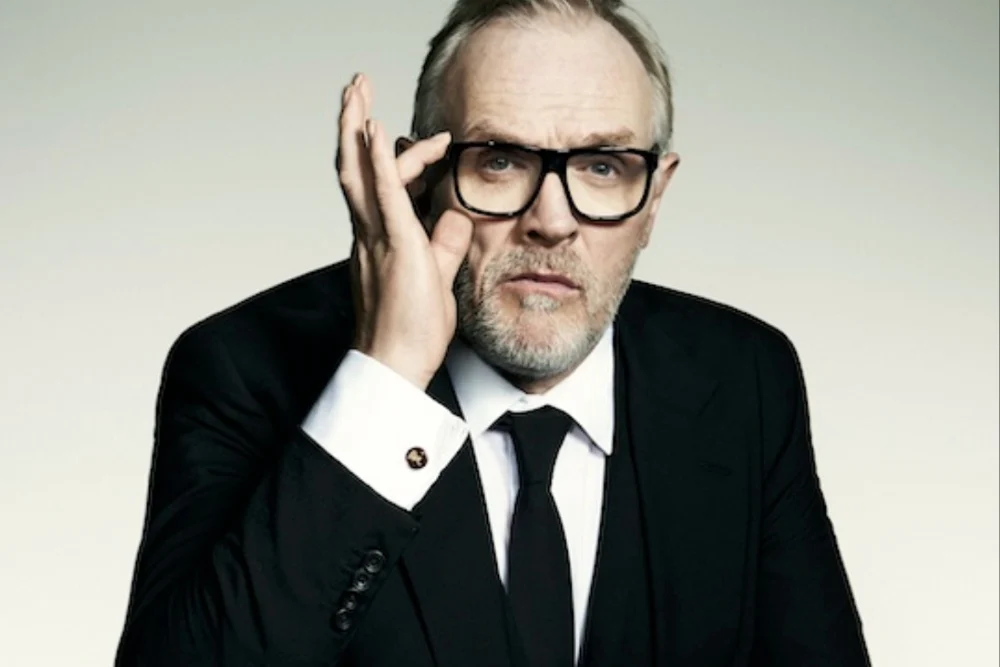
The British Academy of Film and Television Arts (BAFTA) has announced a significant shift in its hosting lineup, tapping beloved comedian and presenter Greg Davies to steer the 2026 BAFTA Television Awards. Known for his towering presence, razor-sharp wit, and masterful comedic timing, Davies is set to take the reins from the acclaimed Alan Cumming, promising a fresh energy for one of the UK’s most prestigious cultural events. This appointment comes at a pivotal moment, as the BAFTA institution navigates the aftermath of recent controversies, placing Davies in a spotlight that extends beyond mere comedic expectation.
The grand ceremony is scheduled for Sunday, May 10, 2026, at the iconic Southbank Centre’s Royal Festival Hall in London. Television audiences across the nation will be able to tune in for the spectacle later that evening, as it will be broadcast on a time delay on BBC One and made available for streaming on BBC iPlayer. This strategic broadcast arrangement underscores the event’s widespread appeal and its role in celebrating the very best of British television production and talent.
Greg Davies, a name synonymous with intelligent comedy and popular entertainment, brings a wealth of experience and a distinct comedic voice to the role. His journey from a secondary school drama teacher to one of the UK’s most recognisable faces in comedy is a testament to his unique talent. Audiences first fell in love with Davies through his unforgettable portrayal of the dry, perpetually exasperated head of sixth form, Mr. Gilbert, in the hugely popular E4 sitcom, “The Inbetweeners.” His ability to deliver deadpan humour and physical comedy within the confines of a well-loved character cemented his status as a comedic force.
However, it is arguably his role as the host of Channel 4’s critically acclaimed and immensely popular quiz show, “Taskmaster,” that has truly showcased his capabilities as a master of ceremonies. On “Taskmaster,” Davies presides over a panel of comedians attempting bizarre and often absurd challenges, bringing an authoritative yet hilariously judgmental presence to the show. His interaction with the contestants, his ability to improvise, and his knack for finding humour in unexpected places have made “Taskmaster” a perennial favourite and demonstrated his command over live, unscripted environments – skills that will undoubtedly serve him well on the BAFTA stage.
Beyond “The Inbetweeners” and “Taskmaster,” Davies has built an impressive portfolio, including starring roles in his own Channel 4 sitcom, “Man Down,” and numerous stand-up specials that highlight his observational humour and self-deprecating charm. His distinctive height and commanding presence are often a comedic focal point, but it is his sharp intellect and warm, relatable persona that truly resonate with audiences, making him a fitting choice to lead an event of BAFTA’s calibre. His appointment signals a clear intention from BAFTA to maintain an engaging and entertaining tone for the awards, entrusting the night to a figure celebrated for his ability to connect with a broad demographic.
In response to his new role, Davies expressed genuine enthusiasm, coupled with his characteristic self-aware humour. “I’m thrilled to be presenting,” Davies stated, conveying a sense of honour for the prestigious gig. He elaborated on his perspective, viewing the event as a significant opportunity: “I see the whole event as an opportunity to wave a flag for this beloved medium and, with the exception of one commissioner, two execs and a co-star that I have personal beef with, I will do everything I can to ensure it’s a night of warm celebration for all.” This quote perfectly encapsulates Davies’ appeal: a blend of sincere appreciation for the industry and a playful, irreverent jab that hints at the light-hearted mischief he might bring to the ceremony. It sets an expectation for an evening that, while celebratory, won’t shy away from a touch of comedic edge, distinguishing his hosting style from perhaps more traditional approaches.
However, Davies steps into this high-profile role under a shadow of heightened scrutiny. The 2026 BAFTA Television Awards will undoubtedly be under a particular microscope following a significant controversy that enveloped its cinematic counterpart, the BAFTA Film Awards, just months prior. The incident, which sparked widespread debate and criticism, saw a racial slur inadvertently uttered during the ceremony. The individual in question was Tourette’s campaigner John Davidson, and crucially, the offensive word was not edited out of the subsequent broadcast, leading to considerable public outcry and a critical examination of BAFTA’s editorial decisions and commitment to inclusion.
The controversy placed former host Alan Cumming, who had presided over both the film awards and the previous year’s television awards, in a difficult position. During the live ceremony, Cumming was asked to issue an apology for Davidson’s “strong language,” a moment that many felt did not adequately address the gravity of the racial slur. The incident ignited a vital conversation about the responsibilities of broadcasters, awards bodies, and hosts in managing sensitive content, particularly when it intersects with issues of race and disability. The immediate aftermath saw a torrent of commentary across social media and traditional news outlets, reflecting deep public concern over the broadcast of harmful language.
The debate around the incident was multifaceted. On one hand, there was a strong condemnation of the racial slur itself and the decision not to edit it from a delayed broadcast, raising questions about BAFTA’s commitment to creating an inclusive and safe environment. On the other, the involvement of John Davidson, a prominent Tourette’s campaigner, introduced a layer of complexity. Tourette’s syndrome is a neurological condition characterised by involuntary tics, which can sometimes include the utterance of socially inappropriate words or phrases (coprolalia), though this is relatively rare. This aspect brought into focus the need for understanding and empathy towards individuals with Tourette’s, while simultaneously acknowledging the harm caused by the specific language used.
Alan Cumming, known for his articulate and thoughtful public persona, later addressed the debacle in a heartfelt and comprehensive post on Instagram. His statement was a masterclass in navigating a complex public relations crisis, offering apologies while also critiquing the systemic failures that led to the incident. “I’m so sorry for all the pain Black people have felt hearing the word echoed around the world,” he wrote, directly acknowledging the impact on the Black community. He also extended his empathy to the Tourette’s community, stating, “I’m so sorry the Tourette’s community has been reminded of the lack of understanding and tolerance that abounds regarding their condition.” Significantly, Cumming also pointed a finger at the broader institutional decisions, concluding, “We were all let down by decisions made to both broadcast slurs and censor free speech.” This powerful statement highlighted the tightrope walk between protecting vulnerable communities, understanding medical conditions, and upholding the principles of responsible broadcasting and freedom of expression.
Cumming’s decision to step down from the TV Awards hosting duties, whether by choice or by mutual agreement, creates a fresh slate for BAFTA, but also places immense pressure on Greg Davies. His upcoming tenure will be viewed not just as an opportunity for entertainment, but as a test of BAFTA’s ability to move forward with sensitivity, inclusivity, and impeccable judgement. The “time delay” aspect of the BBC broadcast for the TV awards now takes on added significance, offering a crucial window for editorial intervention should any unforeseen incident occur, a lesson undoubtedly learned from the Film Awards. This technical detail, often overlooked, becomes a vital safeguard in the current media landscape.
The choice of Greg Davies, with his affable yet commanding presence, could be seen as a strategic move by BAFTA to inject a sense of stability and lightheartedness into the proceedings, while still maintaining the gravitas required of such an event. His established popularity and reputation for good-natured humour might help to alleviate some of the tension and restore public confidence in the awards’ ability to celebrate television without controversy. His style contrasts with Cumming’s more theatrical and perhaps overtly political approach, suggesting a desire for a host who can maintain a celebratory atmosphere with less risk of unintended friction.
The BAFTA Television Awards themselves represent the pinnacle of achievement in British television. They honour a vast array of talent, from captivating dramas and insightful documentaries to groundbreaking comedy and engaging news coverage. Winning a BAFTA Television Award is a career-defining moment for many, acknowledging the dedication, creativity, and hard work that goes into producing world-class content. The Royal Festival Hall, a cultural landmark on London’s South Bank, provides a suitably grand and inspiring backdrop for such an occasion, adding to the ceremony’s prestige and glamour.
As the date for the 2026 awards draws closer, anticipation will build not only for Davies’ hosting performance but also for the announcement of the nominees. These nominations will offer a snapshot of the preceding year’s most impactful and innovative television, reflecting the evolving landscape of British broadcasting and streaming. Audiences and industry insiders alike will eagerly await to see which shows, performances, and behind-the-scenes talents are recognised for their excellence. The awards serve as a vital platform for showcasing the diversity and richness of British television, from established giants to emerging voices, and play a crucial role in shaping public discourse around media consumption and cultural values.
In essence, Greg Davies’ appointment as the host of the 2026 BAFTA Television Awards is more than just a change of guard; it represents a moment of introspection and strategic recalibration for one of the UK’s most important cultural institutions. With his proven track record of engaging audiences and his unique comedic voice, Davies is poised to deliver a memorable and undoubtedly entertaining evening. However, he will also carry the responsibility of guiding the awards through a period of increased public scrutiny, ensuring that the focus remains firmly on celebrating the extraordinary achievements of British television in a manner that is both joyful and responsibly presented. The stage is set for an evening that promises both laughter and meaningful reflection, as BAFTA looks to reinforce its standing as a beacon of excellence and integrity in the television industry.