



The cinematic landscape of South Africa is poised for a profound reflection with the premiere of “Ngwato,” a poignant and brave narrative poised to ignite vital conversations around identity, family, and tradition. Making its debut this week at the prestigious 8th Joburg Film Festival in Johannesburg, this film transcends a mere coming-out story, delving into the intricate layers of a fractured father-son relationship set against the rich tapestry of rural South Africa.
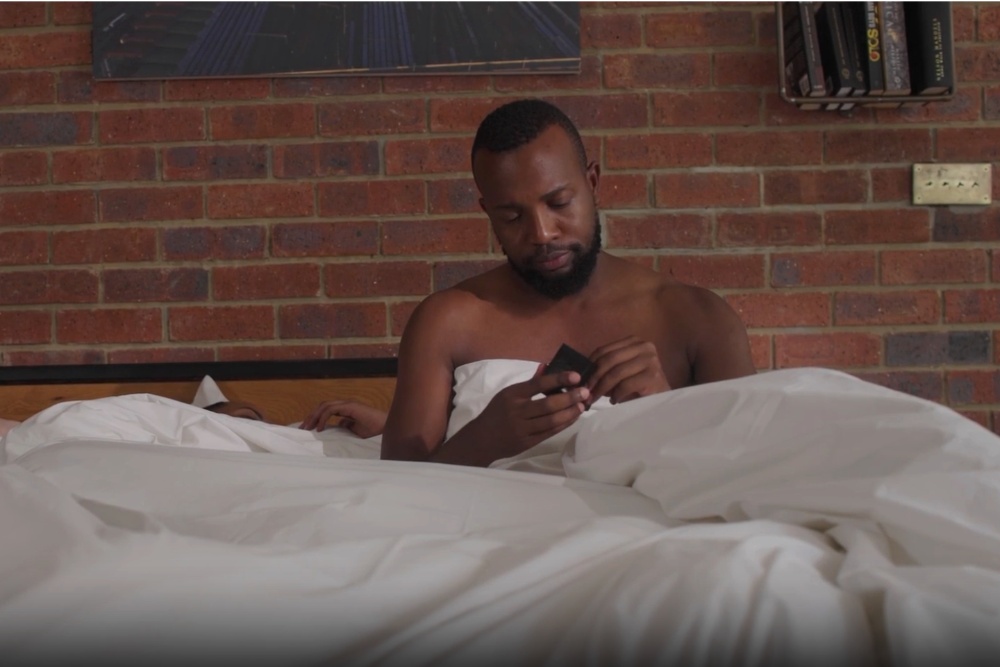
At its heart, “Ngwato” chronicles the courageous journey of a young, gay Black South African man. Leaving the bustling energy of the city, he embarks on a pilgrimage back to his ancestral village, not just to reconnect with his roots, but to share a life-altering announcement with his parents: he is getting married to a man, and he seeks their invaluable blessing for this union. This premise alone sets the stage for a compelling exploration of queer identity within a traditional context, yet writer and director Magangwe Mahlase skillfully navigates an even deeper, more universal theme: the often-strained and unspoken dynamic between fathers and sons.
The film, produced by Kevin Moeketsi through Ongamavile Pictures with crucial backing from South Africa’s National Film and Video Foundation (NFVF), is not designed for easy viewing. It promises moments of genuine discomfort, particularly for those cinemagoers who may find their own preconceived notions or traditional values challenged. This anticipated reaction is precisely what Mahlase aims for, leveraging the screen as a mirror to societal realities and a catalyst for introspection.
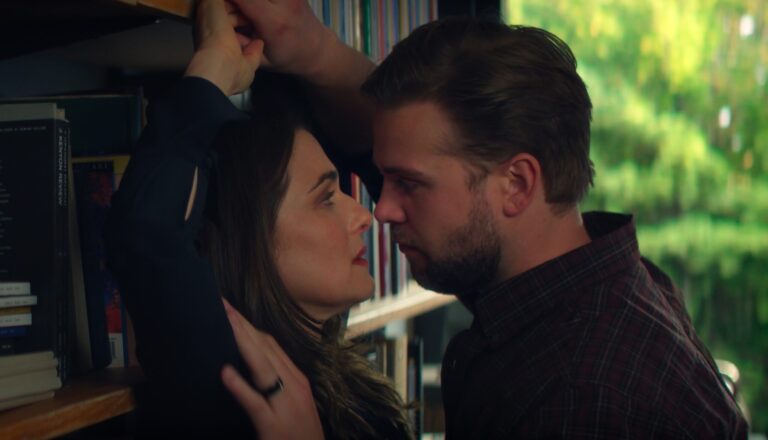
Starring a talented ensemble including Gifter Ngobeni, Collen Modise, Molobane Maja, Mpho Molepo, Bathabile Mashigo, and Ray Neo Buso, “Ngwato” weaves a narrative that is both intensely personal and broadly resonant. The protagonist, a fashion designer by profession, represents a modern, urban existence that sharply contrasts with the deeply ingrained customs of his rural home. His arrival, and the inevitable revelation of his sexual orientation and impending marriage, acts as a powerful disruptor. News of his engagement quickly permeates the tight-knit village community, leading to palpable tensions and, more significantly, becoming a political tool. A tribal elder seizes upon the situation, attempting to undermine the protagonist’s father, Lesiba, in his respected leadership role within the community. This external conflict serves to amplify the pre-existing fissures in the father-son relationship, turning a personal announcement into a public spectacle with far-reaching consequences.
Mahlase, a visionary 34-year-old filmmaker, articulated the genesis of “Ngwato” with profound insight. “The idea for the film came about after looking at the current South African men and their sons,” he shared. “I realized that a lot of men don’t have a relationship with their fathers. Previously, kids would follow in their dad’s footsteps, work on the farm in the village and bond. Many sons no longer have those strong relationships with their fathers.” This observation forms the bedrock of the film’s emotional landscape. The gay son’s journey, while specific in its queer depiction, becomes a potent metaphor for any son’s struggle for connection and acceptance from his father in a rapidly changing world.
He elaborated on how the queer narrative serves as a dramatic fulcrum: “I used the idea of the son being gay and the village discovering it, leading to people who say the father now can’t be seen as an advisor to the village chief, as the conflict point leading to an exploration of the existing breakdown and strained relationship over years between father and son.” This strategic narrative choice allows the film to tackle not only the complexities of LGBTQ+ acceptance but also the universal yearning for paternal love and affirmation, often left unexpressed or unfulfilled in many family dynamics.
Beyond the compelling storyline, “Ngwato” is also a testament to authentic South African storytelling. The film is rendered in Sepedi, one of South Africa’s official languages, imbuing it with cultural specificity and genuine voice. The production itself was a meticulous two-week shoot in February 2024, set against the evocative backdrop of Matibidi in South Africa’s Mpumalanga province. This choice of location was deliberate, serving to anchor the narrative in a tangible, rural reality that many South Africans can recognize, moving away from the often-recreated “village” sets found in urban studios.
When asked by *Variety* about the decision to highlight an issue still largely unexplored on screen – the intersection of a gay son’s identity and an estranged father’s struggle – Mahlase emphasized its contemporary relevance. “In South Africa and across Africa a lot of people still face that. It still hasn’t changed. In many communities, far from Johannesburg and the bigger cities, it’s still when kids return home to their families that there are cultural and other clashes and that’s why we picked that issue.” This statement underscores the film’s commitment to portraying the lived realities of many, particularly those navigating the often-stark divide between urban liberalism and traditional rural conservatism.
The production process itself was not without its hurdles, reflecting Mahlase’s dedication to his vision of “transformation” within the South African film industry. “Shooting in Matibidi, we had to transport most of our crew to Mpumalanga and when we got there, the logistics of everything – accommodation for the actors and travel – were a challenge,” he recounted. “But we were adamant to work with a Pedi crew and Pedi-speaking actors to make the film. We had to find Pedi-speaking actors who were really good and audition. Then, when we started filming, we worked with service people who were not accustomed to film production. But we wanted to bring people in who have never had opportunities.”
This approach speaks volumes about Mahlase’s philosophy. He critiques the South African film industry for often paying lip service to transformation, frequently prioritizing speed and efficiency over the painstaking work required to genuinely open doors and develop local talent in underserved areas. “South Africa’s film biz, although doing lip-service to transformation and opening up the industry, often sacrifices patience and waiting to find people to show and be the change practically, for the sake of speed, efficiency and production costs,” he stated. For Mahlase, true transformation means investing in the communities where stories originate, fostering skills, and providing opportunities to those traditionally excluded from the filmmaking process.
His commitment to authenticity extends to the very essence of storytelling. “I grew up around Pedi people and the world of their stories. The most important thing for me in transformation is telling your own stories. There are so many stories in the villages still left untold. And we don’t tell stories physically in the villages. We just recreate villages on sets in Johannesburg and in the cities,” Mahlase asserted. He passionately advocates for a shift in filmmaking practices, urging creators to venture into real villages to capture their authentic essence. “For transformation to happen, we have to sacrifice the temporary satisfaction of production for long-term gain. Filmmakers just think, ‘Let’s shoot in Soweto and it’s quick, and we’re done.’ But if you have to sacrifice, scratch for real solutions, that’s where transformation happens.” This dedication is evident in “Ngwato,” where, significantly, “only the top five cast are from Johannesburg. Everyone else on screen are from the village – all the men, all the villagers, even the guy acting as a homeless man, are all locals.” This not only lends unparalleled authenticity to the film but also provides invaluable experience and opportunities to the local community.
From its inception, Mahlase consciously sought to draw a stark contrast between the lives of the son and the father, and, by extension, between the urban environment the son inhabits and the rural landscape of his parents. “The city is hustling and bustling, in the village it’s slow. You get a better chance to reflect, to figure out life. The village gives more time to rediscover, whereas the city is about chasing work and deadlines. So we were intentional about separating and juxtaposing those two worlds,” he explained. This spatial contrast is more than just a visual device; it’s a thematic one, highlighting how different environments can shape identity, perspective, and the pace of personal and communal transformation.
“Ngwato” is replete with intensely emotional scenes, designed to provoke thought and empathy. These include a harrowing physical beating of the son by others, a stark portrayal of the prejudice he faces, and a deeply moving moment where the mother, often the emotional bedrock of the family, confronts the father, urging him to leave the house. Mahlase pinpointed the most impactful sequences: “The first highly emotional moment is when the son tells the dad that he’s gay. The second is where the mom kicks the dad out – it’s beautiful because that’s where he says, ‘All I’ve ever wanted was to make you proud, but every time I try it’s like I’m moving backwards and you don’t even allow me to be seen.'” This raw confession encapsulates the universal longing of children for parental validation, a theme that resonates far beyond the specifics of the protagonist’s sexuality. “I think a lot of young men desperately want their fathers’ attention and their fathers’ love and acceptance and recognition – whether gay or not – and they’re not getting it.”
The film culminates in a deeply moving reconciliation. “The last scene is when the dad comes back and gives his son a hug. That’s what we need. We need a hug from our dads but we so seldom get those,” Mahlase reflected, underscoring the film’s powerful message about the healing potential of simple, physical affection and acceptance. Yet, “Ngwato” deliberately eschews a simplistic “happily ever after.” The film concludes with a thought-provoking twist, challenging conventional narrative tropes. After receiving his parents’ blessing and reuniting with his partner in the city, the son experiences a new realization, one that promises to surprise viewers and prompt further contemplation on the complexities of self-discovery and lasting happiness.
Mahlase’s journey into filmmaking is deeply personal and informs his advice to aspiring creators. He recounted his own mother’s initial reluctance to support his artistic ambitions, preferring a more financially secure path in mining. “When I wanted to go study filmmaking, my mother said, ‘No, my son, you should go into mining because it pays better and look at your cousins, they’re working at the mine and they have money.’” But Mahlase’s unwavering conviction ultimately swayed her. “But I sat her down, and I said I can go and be a miner, but deep down, I still have that desire. So I can either go and do what you want and eventually quit, or do what I want. And she said, ‘Okay, it’s fine, go be yourself.’ My message to young African filmmakers is stick to your guns.” He champions resilience and dedication, drawing parallels to success in sports, music, and acting: “It doesn’t matter if the industry – like the film industry anywhere in Africa – is difficult or suffering. Look at examples from sport, music, acting – the people who decided that there’s nothing else they want to do except that and who were willing to put in the work to make their dream a reality.”
Ultimately, “Ngwato” is more than just a film; it is a “personal recollection and introspection of myself, put on screen,” as Mahlase described it. His own upbringing, marked by the early loss of his father, deeply influenced the narrative. “I didn’t grow up with a dad. When I was writing ‘Ngwato,’ I placed elements in the film of what I’ve wanted from my father. If my father were here, I would have wanted him to give me a hug. I would have wanted him to say to me, ‘Everything’s going to be fine, you’ve got this, my boy.'” This vulnerability and personal yearning infuse the film with an authentic emotional core, transforming a fictional narrative into a heartfelt exploration of universal human desires. “I wrote it from the perspective of a man who didn’t have a relationship with my father. And if I had a relationship with my father, these are the things that I would have wanted from him.”
“Ngwato” stands as a powerful testament to the transformative power of cinema. It not only shines a light on the complex realities faced by LGBTQ+ individuals in traditional African communities but also addresses the broader, often unspoken, need for paternal acceptance and connection in contemporary society. Through its authentic portrayal, committed production, and deeply personal narrative, Mahlase’s film promises to resonate profoundly with audiences, sparking essential dialogues and fostering a deeper understanding of love, family, and the enduring quest for belonging.