




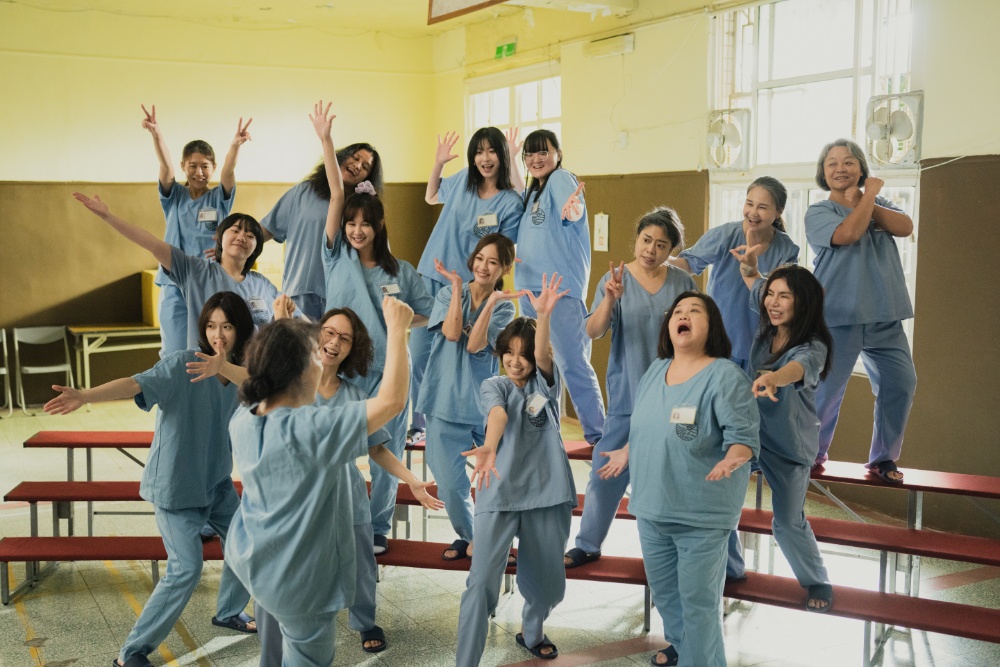
In a remarkable cinematic triumph that has captured the hearts of audiences across Taiwan and beyond, the poignant Taiwanese prison drama, “Sunshine Women’s Choir,” has officially ascended to the pinnacle of local box-office history. On February 14th, the film shattered previous records, accumulating an astounding NT$545 million (approximately $17.3 million USD) and unequivocally dethroning the long-reigning champion, the beloved 2008 classic “Cape No. 7.” This monumental achievement not only signifies a profound cultural moment for Taiwanese cinema but also underscores the universal resonance of its powerful narrative centered on resilience, community, and the transformative power of a second chance. Its success is particularly noteworthy for a film that delves into the often-overlooked lives of incarcerated women, bringing their complex stories and emotional landscapes into the mainstream spotlight.
“Sunshine Women’s Choir” is more than just a box-office phenomenon; it is a meticulously crafted narrative tapestry woven with threads of raw emotion, unexpected humor, and an unwavering belief in the human spirit’s capacity for redemption. The film opens within the austere confines of a women’s prison, where a life-altering event unfolds: the birth of a baby girl. This innocent new life becomes an unexpected beacon of hope, immediately embraced by four inmates, each grappling with the heavy burden of their individual, painful pasts. Their lives, previously marked by regret and isolation, begin to intertwine around the vulnerability and promise embodied by the infant.
The delicate balance of their newfound, fragile community is soon challenged by the arrival of a rebellious newcomer. Her initial defiance and abrasive demeanor spark inevitable clashes, introducing a dynamic tension that tests the bonds forming within the group. However, as is often the case in narratives of shared adversity, these initial conflicts gradually give way to a deeper understanding, forging an unlikely but profound friendship. The film expertly navigates these character arcs, demonstrating how empathy and shared experience can bridge even the most formidable personal divides. It’s a testament to the film’s nuanced storytelling that it allows these women to evolve from disparate individuals into a cohesive, supportive sisterhood, united by their shared circumstances and their collective hope for the child.
The narrative takes a poignant turn when the baby is diagnosed with a severe eye disease, threatening her future vision. Faced with the heartbreaking prospect of the child potentially losing her sight, the inmates are galvanized into action. Driven by a desperate desire to create a lasting, auditory memory for the infant—a beautiful soundscape she can carry with her, even if her world darkens—they decide to form a prison choir. This decision forms the core emotional engine of the film, transforming the harsh environment of the prison into an unlikely stage for artistic expression and collective healing. The choir becomes more than just a musical endeavor; it is a symbol of their unity, their hopes, and their collective plea for a different future, not just for the baby, but for themselves.
The film’s profound impact stems from its sensitive handling of heavy themes, seamlessly blending moments of heartfelt humor with deeply moving musical sequences and an overarching message of redemption. Its inspiration is dual-faceted, drawing from compelling real-life stories that lend an authentic gravitas to the narrative, while also acknowledging its creative lineage from Kang Dae-kyu’s acclaimed 2010 Korean film, “Harmony.” This blend of cultural adaptation and grounded realism ensures that the story resonates on multiple levels, offering both familiar comfort and fresh perspectives. By exploring how art, particularly music, can serve as a conduit for emotional release and personal transformation, “Sunshine Women’s Choir” transcends the typical prison drama, elevating it into a powerful exploration of the human condition. It bravely confronts societal prejudices against incarcerated women, inviting audiences to look beyond the labels and see the complex, resilient individuals within.
The Mandarin-language feature, helmed by the visionary director Gavin Lin, premiered on December 31, 2023, strategically positioning it for a strong holiday season run. Its ascent to box office dominance was swift and decisive. By January 12, less than two weeks after its release, “Sunshine Women’s Choir” had already claimed the coveted number one position at Taiwan’s daily box office, a remarkable feat that saw it surpass even the global behemoth “Avatar: Fire and Ash.” This victory over a major Hollywood blockbuster underscored the film’s potent local appeal and its ability to connect deeply with Taiwanese audiences. The momentum continued unabated, with the film consistently achieving daily grosses exceeding NT$10 million (approximately $318,000 USD) since January 16th. This sustained performance, driven largely by overwhelmingly positive word-of-mouth and critical acclaim, laid the groundwork for its historic record-breaking achievement in mid-February.
Director Gavin Lin is no stranger to crafting narratives that resonate deeply with audiences. His previous work, “More Than Blue” (2018), was a massive box-office success that garnered a prestigious Golden Horse Award nomination in 2019, cementing his reputation as a filmmaker with a keen understanding of emotional storytelling. Lin’s filmography also includes “Welcome to the Happy Days” (2015) and “A Trip with Your Wife” (2021), each demonstrating his versatility and his ability to elicit powerful performances from his cast. With “Sunshine Women’s Choir,” Lin further solidifies his unique directorial voice, demonstrating a masterful touch in balancing drama, humor, and musical elements to create an unforgettable cinematic experience. His vision for the film extends beyond mere entertainment; it seeks to evoke empathy, challenge perceptions, and ultimately, to inspire.
The success of “Sunshine Women’s Choir” is also a testament to the stellar ensemble cast that breathes life into its complex characters. Veteran actress Judy Ongg leads the charge, bringing decades of experience and profound emotional depth to her role. Her presence anchors the narrative, providing a compelling portrayal that resonates with gravitas and vulnerability. Alongside Ongg, the film features powerhouse performances from Chen Yi-Han, Sun Shu-May, Amber An, and Chung Hsin-Ling. Each actress delivers a nuanced portrayal of her character, capturing the pain, resilience, and burgeoning hope that define the inmates’ journey. Their collective chemistry is palpable, creating a believable and deeply moving portrait of sisterhood forged in the crucible of adversity. For a women-focused audience, the film’s strong female leads and its exploration of female solidarity against overwhelming odds offer a particularly empowering and relatable narrative. It champions the idea that even in the darkest corners, women can find strength in each other and cultivate a collective spirit that transcends their individual plights.
The journey of “Sunshine Women’s Choir” extends beyond Taiwan’s shores, thanks to the strategic efforts of 66cc Company Limited, which handles both local distribution within Taiwan and international sales for the production. Recognizing the film’s universal appeal, 66cc Company orchestrated an impressive global rollout. The film premiered simultaneously in Singapore and Malaysia alongside its Taiwan release, allowing for immediate regional impact. In Hong Kong, eager audiences were treated to preview screenings starting January 17th, building anticipation for its full theatrical rollout scheduled for March 5th.
The international distribution plan is ambitious and far-reaching, aiming to introduce the film to diverse audiences worldwide. Additional territories including Cambodia, North America, Australia, and New Zealand are slated for March releases, indicating a confident push into Western markets and regions with significant Asian diaspora populations. Looking further ahead, Vietnam is tentatively scheduled for an April release, showcasing a thoughtful, phased approach to maximize the film’s global footprint. This strategic international expansion not only promises to elevate the film’s financial success but also serves as a vital platform for showcasing Taiwanese cinematic talent and storytelling on a global scale, fostering cultural exchange and breaking down geographical barriers. The universal themes of hope, redemption, and the unbreakable spirit of women ensure that “Sunshine Women’s Choir” is poised to resonate deeply with audiences across varied cultural landscapes, cementing its legacy as a truly international success story. Its triumph serves as a powerful reminder that compelling, character-driven narratives, especially those celebrating the strength and resilience of women, possess an enduring power to captivate and inspire audiences everywhere.