


Daytime’s Shifting Sands: ‘Sherri’ Concludes Run as Talk Show Landscape Evolves
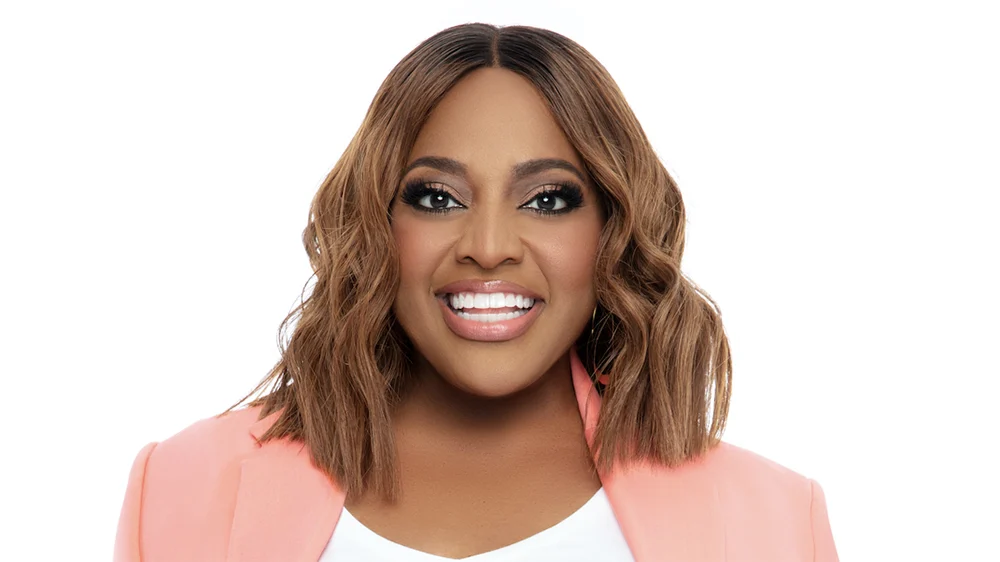
The vibrant world of daytime television is bracing for another significant change as comedian and actress Sherri Shepherd’s popular talk show, “Sherri,” is set to conclude its run after four seasons. This news arrives amidst a period of considerable flux within the syndicated talk show ecosystem, underscored by the simultaneous announcement that “The Kelly Clarkson Show,” a daytime juggernaut, will also wrap up its current format at the close of 2026 following seven successful seasons. The twin announcements highlight a broader industry recalibration, as traditional viewing habits give way to a fragmented media landscape.
Lionsgate’s prominent producer and distributor, Debmar-Mercury, the creative force behind “Sherri,” officially confirmed the show’s impending conclusion on Monday. Despite its relatively brief tenure, “Sherri” had firmly established itself, having been greenlit through the 2025-2026 television season across a vast network of station groups. These included major players such as the Fox TV Stations, Nexstar, Hearst, Sinclair, Gray, Tegna, and Sunbeam, signaling robust initial confidence in the program’s reach and appeal. Production for the fourth and final season is slated to continue as planned, with the last episodes expected to air in the fall, bringing an end to a chapter that began with considerable anticipation.
In a joint statement addressing the decision, Debmar-Mercury co-presidents Ira Bernstein and Mort Marcus offered insight into the strategic rationale behind the cancellation. “This decision is driven by the evolving daytime television landscape and does not reflect on the strength of the show, its production — which has found strong creative momentum this season — or the incredibly talented Sherri Shepherd,” they affirmed. This clarification underscores a recurring theme in today’s media environment: even critically well-received and creatively robust programs can fall victim to macro-level industry shifts. The statement further hinted at future possibilities, noting, “We believe in this show and in Sherri and intend to explore alternatives for it on other platforms.” This suggests a recognition of Sherri Shepherd’s undeniable talent and potential for the show’s format to thrive in different distribution models beyond traditional syndication.
The news of “Sherri’s” conclusion marks a poignant moment for a show that had quickly carved out its own niche. Upon its renewal for a fourth season last year, Frank Cicha, executive vice president of programming for Fox TV Stations, lauded the program, calling it “a linchpin of our daytime lineup.” Such an endorsement from a key syndication partner speaks volumes about the show’s performance and perceived value within the highly competitive daytime slot. Taped live from the iconic Chelsea Studios in New York, “Sherri” has been a consistent presence, both produced and distributed by the seasoned team at Debmar-Mercury, known for its extensive track record in syndicated programming.
Sherri Shepherd herself, a beloved figure in entertainment, had previously expressed profound gratitude for her audience’s embrace. “I don’t take it for granted that people welcome me into their homes daily,” Shepherd remarked last year when the show secured its Season 4 pickup. Her words captured the essence of her approach to daytime television: a genuine desire to connect and uplift. “I work so hard to bring escapism to viewers’ lives through joy, laughter and inspiration, and I’m grateful that the audience has embraced what we do. I look forward to raising the bar and turning up the volume as we plan for our season four return.” Her commitment to delivering a positive and engaging experience has been a hallmark of her tenure, resonating deeply with a viewership seeking a dose of humor and lightheartedness in their day.
Sherri Shepherd’s journey to helming her own talk show is a testament to her versatility and enduring appeal. A multi-talented force, she first gained widespread recognition as a co-host on the Emmy-winning daytime staple “The View,” where her sharp wit, candid observations, and infectious personality endeared her to millions. Her career spans successful stints as an actress in both television and film, as well as a celebrated stand-up comedian. This rich background equipped her with a unique blend of comedic timing, interviewing prowess, and authentic relatability, all of which she brought to her eponymous talk show.
“Sherri” officially launched in the fall of 2022, stepping into a particularly high-profile and challenging role: it took over the time slots on the Fox stations previously occupied by “The Wendy Williams Show.” That series, also produced and distributed by Debmar-Mercury, had enjoyed a remarkable 13-season run before a period of health issues for its host, Wendy Williams, necessitated its conclusion. Shepherd’s arrival brought a fresh, optimistic energy to the slot, diverging from the more gossipy and confrontational style of its predecessor. Her show aimed for a tone of warmth, celebration, and empowerment, focusing on feel-good interviews, lifestyle segments, and topical discussions delivered with her signature humor. The transition was delicate, requiring Shepherd to establish her own identity while respecting the legacy of the slot, a task she navigated with grace and growing success.
The “evolving daytime television landscape” cited by Debmar-Mercury is a complex tapestry woven from several threads. Historically, syndicated daytime talk shows thrived on consistent viewership, drawing in audiences who were home during the day and relied on linear television for entertainment and information. Iconic hosts like Oprah Winfrey, Phil Donahue, and Sally Jessy Raphael built empires on this model, creating appointment viewing for millions. However, the advent of streaming services, the proliferation of on-demand content, and the seismic shift in how people consume media have fundamentally altered this dynamic. Audiences, particularly younger demographics, are increasingly untethered from traditional broadcast schedules, opting for personalized viewing experiences across a myriad of platforms.
This shift presents significant challenges for syndicated shows, which depend on securing clearances from local stations across the country. These stations, in turn, are grappling with declining linear viewership and advertising revenues, making the investment in new or continuing syndicated programs a more calculated risk. The competition for eyeballs is fiercer than ever, not just from other talk shows, but from news, reality programming, and an endless stream of digital content. In recent years, several long-running daytime staples, including “Dr. Phil” and “The Rachael Ray Show,” have also announced their conclusions, signaling a broader contraction and realignment within the sector. Even established successes like “The Drew Barrymore Show” have faced scrutiny and adaptation, underscoring the constant pressure to innovate and stay relevant.
For “Sherri,” its ability to find “strong creative momentum” in its later seasons, as noted by Debmar-Mercury, is a testament to Shepherd’s increasing comfort in the host’s chair and the production team’s responsiveness. The show garnered a loyal following, particularly among women who appreciated Shepherd’s authentic voice, her ability to connect with guests on a personal level, and her uplifting perspective. Her segments often highlighted stories of resilience, celebrated achievements, and offered practical advice, all delivered with an accessible, down-to-earth charm that felt like a conversation with a trusted friend. This approach resonated strongly, distinguishing “Sherri” in a crowded field and demonstrating that there is still an appetite for genuine, positive engagement in daytime.
The mention of “exploring alternatives for it on other platforms” opens up intriguing possibilities for the future of “Sherri” and Sherri Shepherd herself. In an era where linear television is no longer the sole arbiter of success, many shows and personalities are finding new life on streaming services, digital platforms, or niche cable channels that cater to specific audiences. This strategic pivot could allow the show to evolve, potentially reaching a more targeted demographic without the constraints of traditional syndication models. For a talent like Sherri Shepherd, whose appeal transcends demographic boundaries and whose digital presence is already strong, such a move could unlock new creative freedom and reach.
As the final episodes of “Sherri” prepare to air, the industry will undoubtedly watch closely to see where this dynamic host lands next. Her contributions to daytime television, however brief her show’s independent run, have been marked by a refreshing authenticity and an unwavering commitment to spreading joy. Her show’s conclusion is not merely an isolated event but a significant data point in the ongoing narrative of daytime television’s transformation, a landscape continually reshaped by technology, evolving viewer preferences, and the relentless pursuit of compelling content that resonates with audiences wherever they choose to watch. Sherri Shepherd’s journey in daytime may be pausing, but her voice and vibrant spirit are poised to find new avenues to connect with the viewers who have welcomed her into their homes.