


**Montenegro’s Mountain Keepers: A Shepherdess’s Fight Against Geopolitical Tides Captivates Sundance, Lands International Deal**
In a compelling testament to the power of human resilience and the enduring spirit of ancestral lands, Biljana Tutorov and Petar Glomazić’s feature documentary, “To Hold a Mountain,” has emerged as a significant voice on the global cinematic stage. The film, a profound exploration of personal and geopolitical conflict set against the breathtaking backdrop of Montenegro’s remote highlands, recently celebrated its world premiere at the prestigious Sundance Film Festival. Its impact was immediate and undeniable, culminating in the coveted World Cinema Grand Jury Prize – an accolade that not only signals artistic excellence but also spotlights narratives that resonate deeply with contemporary global consciousness. Riding on this wave of critical acclaim, MetFilm Sales (MFS), a leading entity in the international documentary distribution landscape, has swiftly secured the international sales rights, poised to introduce this powerful narrative to a global audience at the upcoming European Film Market (EFM) in Berlin.
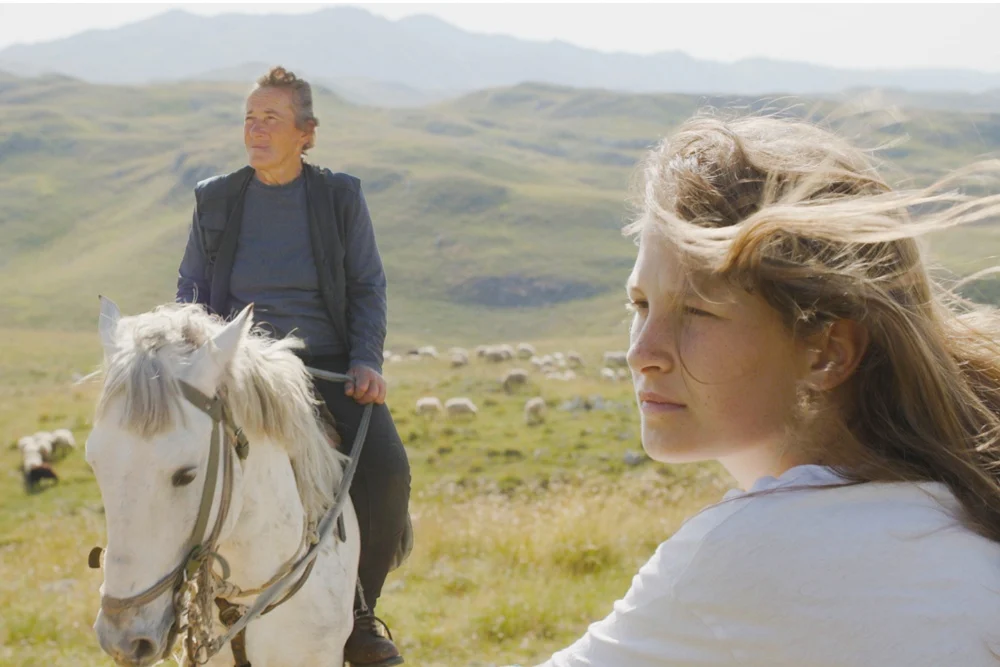
“To Hold a Mountain” plunges viewers into the life of a formidable shepherd mother and her unwavering daughter, whose existence is inextricably linked to the ancient mountain they call home. This isn’t merely a story of pastoral life; it’s a poignant struggle for sovereignty and identity, as their cherished ancestral domain faces the existential threat of being transformed into a NATO military training ground. For these women, the mountain is more than just land; it is the repository of their heritage, their livelihood, and the very fabric of their family’s memory. The looming military presence doesn’t just threaten their present; it brutally reawakens dormant memories of past violence, echoes of conflicts that once shattered their family and irrevocably scarred their lives. The film masterfully intertwines this intimate struggle with broader geopolitical forces, creating a narrative that is both deeply personal and universally resonant.
The setting of Montenegro is not merely a scenic backdrop but an active character in the film, imbued with historical weight and natural grandeur. Nestled in the heart of the Balkans, a region historically marked by complex geopolitical shifts and conflicts, Montenegro’s recent trajectory has seen it embrace Western alliances, notably joining NATO in 2017. This strategic alignment, while offering a measure of security and integration into the Euro-Atlantic community, often comes with a cost, particularly for its more remote and pristine regions. The film illuminates the often-overlooked human and environmental toll of such strategic decisions, focusing on the communities directly impacted. The proposed transformation of a cherished natural landscape into a military facility represents a stark collision between global defense imperatives and deeply rooted local traditions, a conflict that “To Hold a Mountain” unpacks with sensitivity and unflinching honesty. For the shepherdess and her daughter, their fight is not just against an abstract military power but against the potential erasure of their way of life, their connection to the land, and the sanctity of their ancestral memory.
The documentary’s profound emotional depth and cinematic artistry were highlighted in Murtada Elfadl’s incisive review for *Variety*. Elfadl eloquently described the film as revealing itself “as an emotionally shattering meditation on grief and perseverance.” This characterization points to the film’s ability to transcend its immediate narrative, offering a contemplative space for viewers to engage with universal themes of loss, resilience, and the enduring human spirit in the face of adversity. The review further lauded its visual storytelling, noting that it is “gorgeously shot with a quiet, deliberate rhythm,” a quality that allows the audience to be “entranced… without them noticing.” This immersive experience, Elfadl suggests, culminates in a powerful realization at the film’s conclusion, where “only at the end does the audience fully grasp the magnitude of the story it chronicles and the natural beauty of the images they have been witnessing all along.” This critical reception underscores the film’s nuanced approach, where aesthetic beauty serves to deepen, rather than distract from, the gravity of its subject matter.
MetFilm Sales’ acquisition of the international rights signals a significant vote of confidence in “To Hold a Mountain”‘s global appeal. MFS has a distinguished reputation for identifying and championing impactful, critically acclaimed documentaries that resonate across cultural boundaries. Their expertise in navigating the intricate landscape of international distribution makes them an ideal partner for a film of this caliber. The European Film Market (EFM) in Berlin, where MFS will present the title to buyers, is one of the world’s premier film markets, attracting distributors, sales agents, and industry professionals from every corner of the globe. This platform provides an unparalleled opportunity for “To Hold a Mountain” to secure distribution deals that will bring its vital story to cinemas, festivals, and streaming platforms worldwide. MFS is not alone in this endeavor; they are co-repping the title alongside Submarine Entertainment, a New York-based sales and production company renowned for its work with prestigious documentaries and independent films, further solidifying the film’s robust market presence.
The artistic vision and technical mastery behind “To Hold a Mountain” are crucial to its profound impact. The film’s “gorgeously shot” aesthetic is largely attributed to the exceptional cinematography of Eva Kraljević. Her lens captures the rugged majesty of the Montenegrin highlands with an almost painterly quality, transforming sweeping landscapes into living characters that reflect the protagonists’ inner turmoil and unwavering resolve. Kraljević’s work goes beyond mere documentation; she imbues each frame with a sense of quiet grandeur and raw vulnerability, ensuring that the natural beauty serves as a poignant counterpoint to the impending threat. This visual poetry is meticulously woven together by editor George Cragg, with additional editing by Catherine Rascon. Their collaborative efforts are responsible for the “quiet, deliberate rhythm” that allows the narrative to unfold with an organic, almost meditative pace, drawing viewers deeper into the emotional landscape of the film. The editing eschews rapid cuts for a more contemplative flow, mirroring the slow, deliberate pace of life in the mountains and the profound weight of the decisions faced by the mother and daughter. Enhancing this immersive experience is the original score composed by Draško Adzić. His music provides an ethereal yet grounding presence, amplifying the film’s emotional resonance without ever overpowering the raw authenticity of the story. Adzić’s compositions subtly underscore moments of tension, grief, and quiet defiance, creating an auditory tapestry that complements the visual narrative with remarkable sensitivity.
The extensive list of producers and executive producers behind “To Hold a Mountain” speaks to the collaborative spirit and significant investment required to bring such a powerful documentary to fruition. Biljana Tutorov and Petar Glomazić, beyond their directorial roles, also served as producers, demonstrating their deep commitment to every facet of the film’s creation. They are joined by Quentin Laurent and Rok Biček, forming a core production team that meticulously guided the project from conception to completion. The executive producer roster is particularly noteworthy, featuring a constellation of esteemed figures and institutions known for their dedication to supporting independent and socially conscious cinema. Megan Gelstein, Andrea Meditch, Bianca Oana, Jean Tsien, and Petra Costa are all highly respected names in the documentary world, bringing invaluable experience and strategic oversight. Their involvement signals not only the film’s artistic merit but also its potential for significant cultural impact.
Furthermore, the film received crucial support from various philanthropic and institutional bodies. The executive producers for Points North Institute – Sean Flynn, Ben Fowlie, and Lucila Moctezuma – represent an organization dedicated to fostering creative nonfiction storytelling. Chandra Jessee and Rebecca Lichtenfeld for InMaat also served as executive producers, contributing to the film’s robust support structure. The involvement of Doc Society, with executive producers Megha Agrawal Sood and Shanida Scotland, highlights the film’s alignment with organizations committed to funding and amplifying documentaries that drive social change. The Meadow Fund’s executive production further underscores the diverse financial and creative backing that enabled “To Hold a Mountain” to achieve its artistic ambitions. This multi-layered production framework, involving talents and resources from various international entities, is characteristic of ambitious documentary projects today, reflecting a global community dedicated to authentic storytelling.
“To Hold a Mountain” is a Wake Up Films Production, an independent production company known for its commitment to thought-provoking and socially relevant cinema. This core production is strengthened by an international co-production model, involving Les Films de l’Oeil Sauvage, Ardor Films, and Cvinger Film. Such co-production partnerships are vital in the independent film world, allowing for shared resources, diverse perspectives, and broader market access. This collaborative approach not only enriches the film’s creative output but also enhances its international distribution potential, ensuring that its powerful message can reach a wider global audience.
The success of “To Hold a Mountain” at Sundance and its subsequent acquisition by MetFilm Sales is consistent with MFS’s track record of curating an impressive slate of award-winning and culturally significant documentaries. Their current portfolio includes Ross McElwee’s “Remake,” a film that garnered the Golden Globe Impact Prize for Documentary at the Venice Film Festival, recognized for its profound influence and contribution to the documentary form. Another notable title on their slate is Brydie O’Connor’s “Barbara Forever,” which also premiered at the Sundance Film Festival, where it received the distinguished Jonathan Oppenheim Editing Prize. These examples underscore MetFilm Sales’ discerning eye for films that combine artistic excellence with compelling narratives, particularly those that offer fresh perspectives on human experience and societal issues. Their commitment to such impactful cinema positions them as a crucial conduit for bringing vital stories like “To Hold a Mountain” to audiences worldwide, ensuring that the voices and struggles depicted within these films resonate far beyond their original contexts.
In an era grappling with environmental degradation, geopolitical tensions, and the often-unseen struggles of marginalized communities, “To Hold a Mountain” serves as a powerful and timely cinematic intervention. It is a story of profound courage, of women standing firm against forces far larger than themselves, defending not just a piece of land but a legacy, a memory, and a future. The film invites viewers to reflect on the interconnectedness of personal trauma and political decisions, on the sanctity of nature, and on the quiet heroism found in the most unexpected corners of the world. Its journey from Sundance triumph to international distribution is a testament to its universal appeal and its capacity to inspire dialogue, empathy, and a deeper understanding of the human spirit’s unwavering capacity to persevere.