


The landscape of the music industry is undergoing a seismic shift, and the recently announced nominations for the 2026 Grammy Awards serve as the definitive proof. When the Recording Academy unveiled the contenders this November, it wasn’t just a list of names; it was a testament to the breaking of glass ceilings and the rewriting of the record books. While the winners won’t officially be crowned until February 1, 2026, at the Crypto.com Arena in Los Angeles, the mere act of nomination has already solidified several artists as legends in their own right. From the continued dominance of hip-hop icons to the historic ascent of K-pop into the Recording Academy’s "Big Four" categories, the 68th Annual Grammy Awards are shaping up to be one of the most significant ceremonies in the history of the institution.
At the forefront of this year’s historic run is Kendrick Lamar. Often cited as the greatest lyricist of his generation, Lamar has once again proven that his artistry exists in a stratosphere of its own. With the release of his critically acclaimed album GNX, Lamar secured a staggering nine nominations, leading the pack for the 2026 cycle. However, the sheer number of nods is only part of the story. By securing a nomination for Album of the Year, Lamar has become the first rapper in history to be nominated in this prestigious category five times as a lead artist. Perhaps even more impressively, he is the first solo artist across any genre to receive Album of the Year nominations for five consecutive studio albums. This streak highlights a level of consistent excellence and cultural relevance that few artists have ever maintained over the course of a career.
Lamar’s impact this year also ripples through the rap categories. In a rare alignment of critical and Academy consensus, three albums—Lamar’s GNX, Tyler, The Creator’s CHROMAKOPIA, and Clipse’s Let God Sort Em Out—received nominations for both Best Rap Album and the general field’s Album of the Year. This triple-threat achievement underscores a year where hip-hop’s most ambitious projects are being recognized not just as the best within their genre, but as the best in the entire musical landscape. For Clipse, the duo consisting of brothers Pusha T and Malice, the nomination marks a triumphant return to the spotlight, further cementing their legacy as pioneers of the genre.
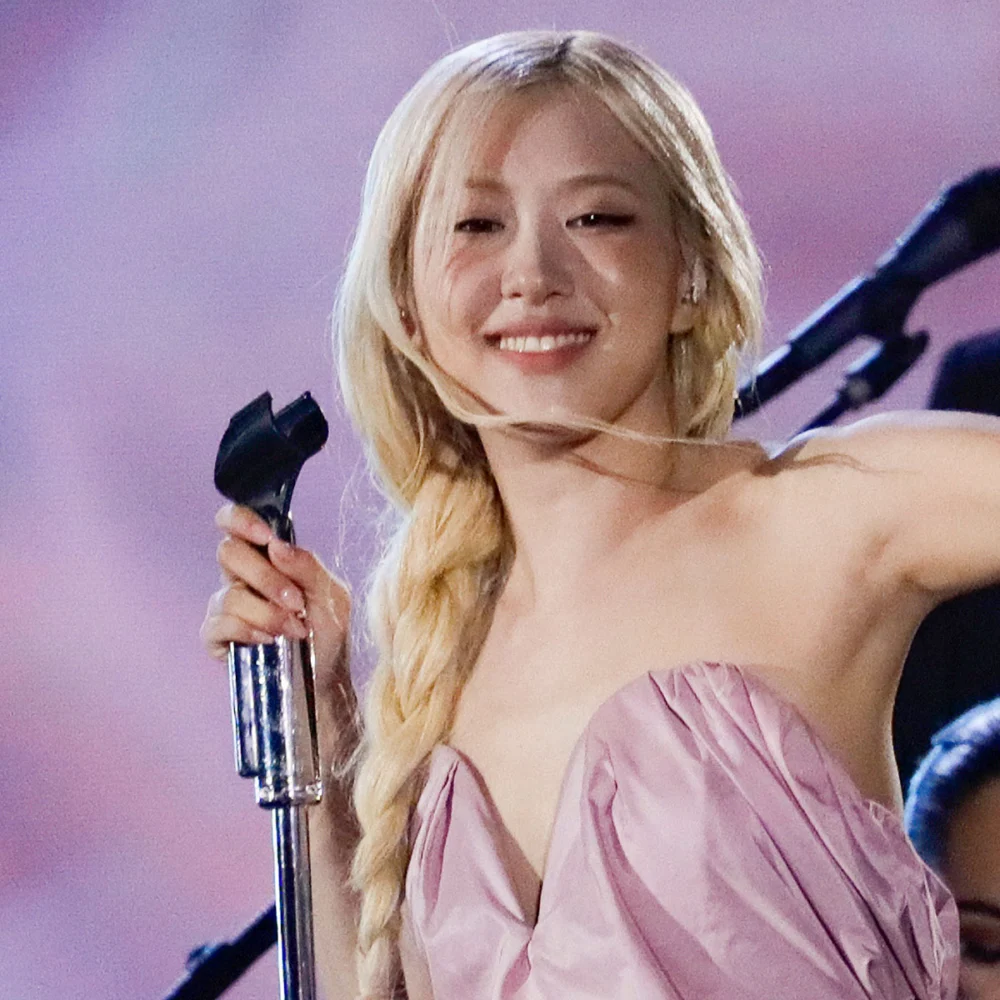
The 2026 nominations also mark a watershed moment for the global K-pop phenomenon. While K-pop has seen significant representation in genre-specific categories in recent years, the "Big Four" categories—Album of the Year, Record of the Year, Song of the Year, and Best New Artist—have remained notoriously difficult to crack for Korean performers as primary artists. That changed this year with Rosé. The Blackpink powerhouse, alongside collaborator Bruno Mars, secured nominations for both Record of the Year and Song of the Year for their infectious global hit "APT." This makes Rosé the first K-pop artist to be nominated as a main performer in these top-tier categories. Beyond the "Big Four," "APT." also earned a nod for Best Pop Duo/Group Performance, officially becoming the most-nominated song by any Korean or K-pop artist in the history of the Grammys.
The presence of Korean culture at the Grammys extends into unexpected and innovative territory this year as well. In the Song of the Year category, the track "Golden" from the Netflix animated fantasy film KPop Demon Hunters made a surprising and historic appearance. This nomination marks the first time a track performed by a virtual group has been recognized in a major songwriting category since the Gorillaz achieved a similar feat in 2006. The success of "Golden" reflects the industry’s growing embrace of cross-media storytelling and the blurring lines between digital and physical performance.
As the Academy evolves, so too do the categories. The 2026 ceremony will introduce two new fields: Best Traditional Country Album and Best Album Cover. The inclusion of a "Traditional" country category is a nod to the roots of the genre, providing a dedicated space for artists who honor classic sounds. The inaugural list of nominees includes the legendary Willie Nelson and his son, Lukas Nelson, highlighting a multi-generational commitment to the craft. Meanwhile, the Best Album Cover category brings visual artistry to the forefront, with high-profile names like Tyler, The Creator and Bad Bunny competing for the honor, recognizing that the visual identity of an era is often as impactful as the music itself.
The emotional weight of these nominations was felt immediately across social media as artists shared their raw, unfiltered reactions. Chappell Roan, whose meteoric rise over the past year has been nothing short of a cultural phenomenon, received nods for Best Pop Solo Performance and Record of the Year for her hit "The Subway." Known for her theatricality and vocal prowess, Roan kept her response uncharacteristically modest, simply thanking the Recording Academy via her Instagram Story.
In contrast, the Best New Artist category—often the most life-changing of the night—elicited deeply personal responses. Addison Rae, who has successfully transitioned from social media stardom to a respected pop contender, expressed her shock through a series of emotive selfies. Sombr, the 20-year-old artist born Shane Michael Boose, shared a poignant reflection on his journey. "This time last year, I was 19, depressed and not knowing where to turn," he admitted to his followers. "I wrote all of these songs on my own in my bedroom. Looking back, I am so thankful to everyone who encouraged me to keep going." His nomination for Best New Artist serves as a powerful narrative of how the modern music industry can elevate independent voices from the bedroom to the world stage.
Alex Warren, another Best New Artist nominee, shared a tearful video of his live reaction alongside his wife, Kouvr Annon. As confetti cannons erupted in his home, Warren took a moment to honor his late parents, writing, "Mom and Dad I know you’re watching down. I miss you." Such moments remind audiences that behind the glitz and glamour of the Grammy stage are individuals who have spent years manifesting these milestones.
The soundtrack categories also provided some star-studded surprises. Timothée Chalamet, primarily known for his Oscar-nominated acting career, found himself a Grammy nominee for his work on the A Complete Unknown soundtrack. Competing in the Best Compilation Soundtrack for Visual Media category, Chalamet shared the news with a simple but resonant message to his fans: "Dream Big."
For the singers behind the virtual group in KPop Demon Hunters, the nomination for "Golden" was about more than just a trophy; it was about visibility. Audrey Nuna, Ejae, and Rei Ami spoke to the significance of seeing three Korean faces represented in the Song of the Year category. Audrey Nuna noted the profound impact this could have on the next generation, stating that the thought of children seeing that representation gave her "chills up my spine."
As the countdown to February 1 begins, the 2026 Grammy Awards have already achieved their primary goal: sparking a conversation about the future of music. Whether it is Kendrick Lamar’s unparalleled consistency, the global dominance of Rosé, or the emergence of new voices like Sombr and Alex Warren, the nominations reflect a Recording Academy that is increasingly attuned to the diverse, digital, and boundary-pushing nature of modern sound. When the stars descend upon the Crypto.com Arena this winter, they won’t just be competing for golden gramophones; they will be celebrating a year where history wasn’t just made—it was rewritten.