


Beyond the Glitz: BAFTA Broadcast Incident Forces BBC to Confront Deep-Seated Editorial Lapses and Public Trust
A recent broadcast of the prestigious BAFTA Film Awards by the BBC has ignited a fervent debate surrounding editorial responsibility and the delicate balance between live event coverage and public decency. The national broadcaster swiftly removed the ceremony from its iPlayer platform following the transmission of an unedited racial slur during Sunday night’s event, an incident that has drawn significant criticism and raised pressing questions about the corporation’s internal content moderation protocols. This unfortunate occurrence has not only overshadowed the cinematic celebrations but has also prompted a wider re-evaluation of how major public broadcasters manage sensitive content, particularly when operating on a time delay meant to prevent such errors.

The Unforeseen Interruption: A Disturbing Moment at the BAFTAs
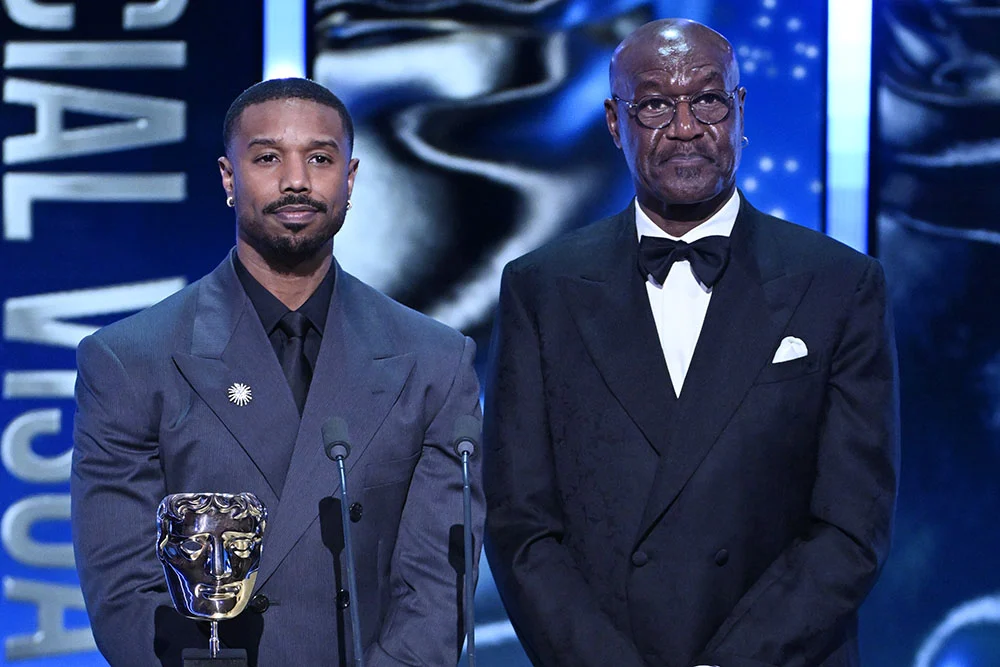
The incident unfolded during a segment of the ceremony where Hollywood stars Michael B. Jordan and Delroy Lindo graced the stage to present the coveted award for Best Visual Effects. The atmosphere, typically charged with anticipation and celebration, was momentarily pierced by an unexpected vocal outburst. The source of this jarring interjection was identified as John Davidson, a prominent Tourette syndrome campaigner, who was seated amongst the distinguished audience members. Davidson, whose life and experiences with Tourette’s are the subject of the upcoming biopic “I Swear,” inadvertently uttered a highly offensive racial slur – the N-word – as part of an involuntary vocal tic associated with his condition. Despite the overall din of the live event, which typically masks minor background noises, the offensive remark was discernible within the BBC’s broadcast coverage. The award for Best Visual Effects was ultimately bestowed upon “Avatar: Fire and Ash,” a moment that should have been a highlight but was instead marred by the controversy.
The presence of such language, regardless of its origin, immediately raises alarm bells, particularly in a public broadcast setting. The N-word carries a profound historical weight of racial oppression, violence, and dehumanization, and its utterance, even unintentionally, can inflict significant emotional harm and trigger painful memories for many viewers, especially those from Black and other marginalized communities. The context of its appearance, during a high-profile event celebrating artistic achievement, adds another layer of complexity to the incident.
Understanding Tourette Syndrome and Involuntary Tics
To fully grasp the nature of this incident, it is crucial to understand Tourette syndrome (TS). Tourette’s is a complex neurological disorder characterized by involuntary, rapid, sudden movements and/or vocalizations called tics. These tics can range from simple, transient movements like eye blinking or head jerking, to more complex, coordinated movements or vocalizations. Vocal tics can include grunts, throat clearing, sniffing, or, in a small percentage of cases, the involuntary utterance of socially inappropriate words or phrases, a phenomenon known as coprolalia. It is important to emphasize that coprolalia affects only about 10-15% of individuals with Tourette’s and is not a prerequisite for diagnosis. Furthermore, these vocalizations are entirely involuntary and beyond the control of the individual, often causing significant distress and embarrassment to those who experience them.
John Davidson’s public advocacy has been instrumental in raising awareness about Tourette’s and challenging misconceptions. His presence at the BAFTAs, an event designed to celebrate storytelling and human experience, underscores his commitment to shedding light on his condition. However, the inherent unpredictability of Tourette’s tics, especially coprolalia, presents a unique challenge for live broadcasts, where unexpected vocalizations can occur at any moment, regardless of the individual’s intent or desire.
The Critical Lapse: A Two-Hour Delay Unutilized
What has fueled much of the public outcry and scrutiny is the revelation that the BAFTA Film Awards broadcast on BBC One operated on a two-hour tape delay. This significant buffer period is a standard industry practice, specifically implemented to provide editorial teams with ample time to review, edit, and censor any inappropriate or potentially offensive material before it reaches the airwaves. This includes, but is not limited to, profanity, wardrobe malfunctions, or unexpected outbursts. The failure of the BBC’s production team to identify and remove the racial slur during this extensive delay has been widely condemned as a severe lapse in editorial judgment and a breach of broadcasting standards.

The expectation of viewers, particularly from a public service broadcaster like the BBC, is that such a delay would serve as an impenetrable safeguard against the transmission of harmful content. The fact that the remark, however faint, made it through suggests either a profound oversight, inadequate staffing, or a failure in the review process itself. This incident calls into question the efficacy of their established protocols and the diligence of the individuals tasked with upholding the BBC’s reputation for quality and responsible broadcasting. For many, it’s not just an error but a failure to protect the audience from offensive material that should have been easily preventable.
The BBC’s Apology and Its Repercussions
In the wake of the controversy, the BBC promptly issued an official apology, acknowledging the offense caused. A spokesperson for the corporation stated: “Some viewers may have heard strong and offensive language during the BAFTA Film Awards 2026. This arose from involuntary verbal tics associated with Tourette syndrome, and was not intentional. We apologize for any offense caused by the language heard.”
While the apology acknowledges the offensive nature of the language and attributes it to Tourette’s, the explanation of “not intentional” has been met with mixed reactions. While it correctly clarifies the involuntary nature of Tourette’s tics, it doesn’t fully address the core issue of why the slur was broadcast despite the tape delay. For many, the intent of the speaker, while relevant to personal culpability, does not absolve the broadcaster of its responsibility to moderate content. The damage caused by the transmission of such a potent racial slur remains, regardless of its origin, and the BBC’s primary duty is to prevent such content from reaching its audience.

The swift removal of the ceremony from iPlayer indicates the BBC’s recognition of the severity of the incident and its potential to cause widespread distress. However, the incident has undoubtedly dented public trust and raised concerns about the BBC’s commitment to its editorial guidelines and its role as a responsible public broadcaster.
A Troubling Pattern: Recalling Past Editorial Challenges
This is not the first time the BBC has faced significant controversy over unedited or inappropriately broadcast content. The incident at the BAFTAs echoes a similar, high-profile scandal from the previous summer involving the Glastonbury Festival. During a live iPlayer stream of the festival, punk rap duo Bob Vylan led the crowd in a politically charged chant of “Death to the IDF.” This highly contentious phrase, broadcast live, remained online for over five hours before the footage was eventually pulled. The prolonged presence of the chant, which many deemed inflammatory and antisemitic, sparked a furious backlash.
The fallout from the Glastonbury incident was considerable, drawing condemnation from various quarters, including the political sphere. U.K. Prime Minister Keir Starmer himself demanded answers from the BBC regarding the oversight. In response to the widespread criticism, the corporation publicly announced that it would revise its livestreaming protocols, promising stricter editorial controls and faster response times for problematic content. The current BAFTA incident, however, suggests that these revised protocols either were not fully implemented, were insufficient, or were not rigorously followed by the editorial team responsible for the awards broadcast.

The recurrence of such significant editorial lapses within a relatively short period raises serious questions about the systemic issues at play within the BBC’s content management framework. It points to a potential disconnect between policy revisions and their practical application, leading to a erosion of public confidence in the broadcaster’s ability to consistently uphold its editorial standards, especially concerning sensitive and offensive material.
The Weight of Words: Impact on Audiences and Industry Standards
Beyond the technical failure, the incident underscores the immense power and impact of language, particularly racial slurs. Even when unintended, the broadcast of such a word can cause significant distress and harm, especially to individuals and communities who have historically been targets of racial discrimination and violence. In an era striving for greater inclusivity and representation in media, such incidents serve as stark reminders of the ongoing challenges and the critical need for broadcasters to be hyper-vigilant.
The entertainment industry, including award ceremonies like the BAFTAs, plays a crucial role in shaping cultural narratives and promoting diversity. When an event intended to celebrate excellence inadvertently transmits offensive language, it can undermine efforts to create more inclusive spaces and reinforce harmful stereotypes. For women of color, in particular, who often navigate spaces where their identities are marginalized or disrespected, such incidents can be deeply unsettling, reminding them of the pervasive nature of racism even in seemingly celebratory environments.

This event also prompts a broader conversation within the broadcasting industry about the challenges of live and delayed transmissions. While the excitement of live television is undeniable, the risks associated with unexpected events demand robust editorial safeguards. Broadcasters are constantly balancing the desire for authenticity with the imperative to protect their audience from harmful content. The BAFTA incident highlights that even with established delays, vigilance and meticulous review remain paramount. It also encourages a deeper look into training for editorial teams, ensuring they are equipped to handle complex situations, including those involving individuals with neurological conditions like Tourette’s, while still adhering to strict content guidelines.
Rebuilding Trust and Ensuring Vigilance
The BBC, as a publicly funded institution with a foundational commitment to public service, faces an imperative to restore trust and demonstrate its unwavering dedication to responsible broadcasting. This incident necessitates not just another review of protocols but a fundamental re-evaluation of how those protocols are implemented, enforced, and communicated across all levels of production. It requires a transparent and thorough investigation into why the two-hour delay failed to prevent the broadcast of the racial slur, identifying any systemic weaknesses or human errors that contributed to the lapse.
Moving forward, the conversation must extend beyond merely removing offensive content after the fact. It must focus on proactive measures, enhanced training for editorial staff, and possibly the implementation of advanced AI-driven content monitoring systems that can flag sensitive audio in real-time for human review, even during delayed broadcasts. The goal should be to create an environment where such incidents are not only swiftly addressed but, more importantly, prevented from reaching the public in the first place.

For audiences, especially those from communities historically targeted by such language, the expectation is clear: a commitment from broadcasters to uphold the highest standards of respect, integrity, and safety. The BAFTA incident serves as a potent reminder that in the fast-paced world of media, editorial vigilance is not merely a technical requirement, but a fundamental ethical obligation to the public it serves.