


The esteemed National Film Registry, a vital institution dedicated to safeguarding America’s rich motion picture heritage, has unveiled its latest cohort of 25 cinematic works deemed "culturally, historically or aesthetically significant." This annual selection by the Librarian of Congress, guided by the recommendations of the National Film Preservation Board, expands the registry’s invaluable archive to 925 titles, ensuring that these profound, entertaining, and groundbreaking films will be preserved for generations to come. This year’s additions offer a breathtaking sweep across more than a century of filmmaking, celebrating everything from the nascent art of silent cinema to contemporary blockbusters and beloved independent gems.
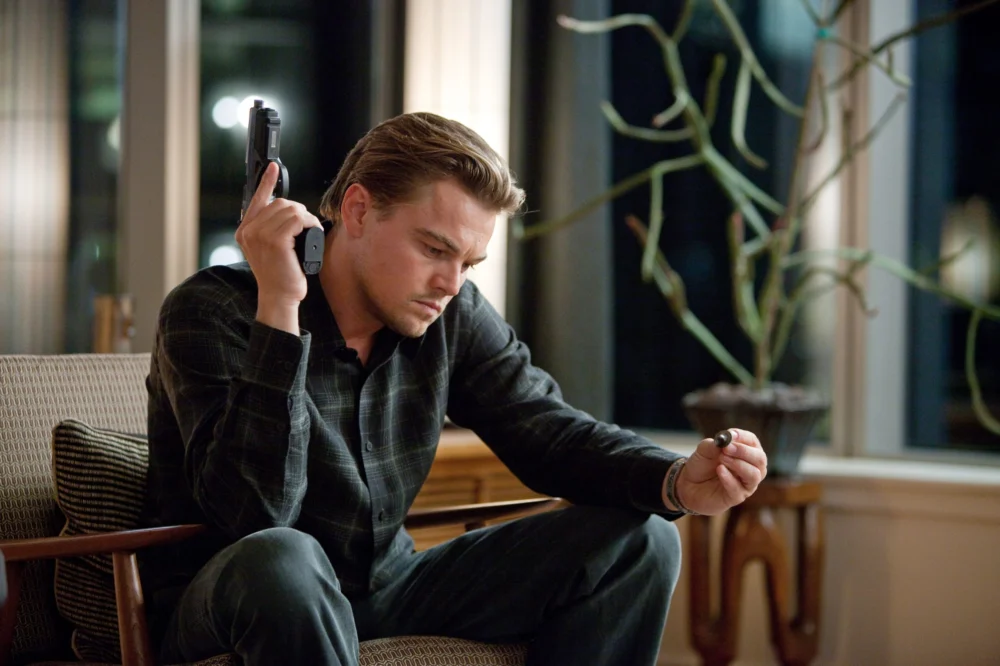
At the forefront of the modern selections are films that have not only captivated audiences but also indelibly shaped popular culture and cinematic discourse. Christopher Nolan’s labyrinthine 2010 thriller, Inception, stands as a testament to the power of original storytelling and a director’s singular vision. Known for its complex narrative structure, stunning visual effects, and a cast led by Leonardo DiCaprio, the film plunges viewers into a world where dreams can be invaded and manipulated, blurring the lines between reality and imagination. Its inclusion recognizes Nolan’s profound impact on contemporary filmmaking, pushing the boundaries of blockbuster cinema with intellectual depth and breathtaking ambition. Inception‘s intricate plot and philosophical undertones sparked countless discussions, solidifying its place as a touchstone of 21st-century cinema that continues to inspire and challenge audiences.
Equally iconic, though from a different genre entirely, is Amy Heckerling’s 1995 coming-of-age comedy, Clueless. This film transcended its initial categorization to become a cultural phenomenon, redefining the teen movie genre with its sharp wit, memorable dialogue, and pioneering fashion sense. Starring Alicia Silverstone as the seemingly superficial but ultimately well-meaning Cher Horowitz, Clueless cleverly updated Jane Austen’s Emma for a 1990s Beverly Hills setting. Beyond its comedic brilliance, the film offered a surprisingly astute commentary on social dynamics, female agency, and the pressures of adolescence. Its enduring popularity, fashion influence, and quotable lines ("As if!") have solidified its status as a timeless classic that resonates deeply with women across generations, celebrating sisterhood, self-discovery, and the unique language of youth.
Richard Linklater’s intimate 1995 drama, Before Sunrise, also joins this year’s class, recognized for its understated yet profound exploration of human connection. The film, which follows the serendipitous meeting and blossoming romance between American Jesse (Ethan Hawke) and French Céline (Julie Delpy) over a single night in Vienna, captivated audiences with its naturalistic dialogue and raw emotional honesty. Before Sunrise is a masterclass in character-driven storytelling, showcasing Linklater’s unique ability to find universal truths in the simplest of interactions. It launched a beloved trilogy that continued to chronicle Jesse and Céline’s relationship over decades, making the original a vital document of indie filmmaking and the complexities of modern love. Its inclusion highlights the importance of films that prioritize genuine human connection and conversation over grand spectacle.
The National Film Registry’s selections consistently reflect a commitment to diversity in genre, theme, and era. This year’s additions are no exception, spanning powerful historical dramas, animated masterpieces, and socially resonant biopics. The 1989 war epic Glory, directed by Edward Zwick and starring Matthew Broderick, Denzel Washington, and Morgan Freeman, is a powerful depiction of the 54th Massachusetts Infantry Regiment, one of the Union Army’s first African-American regiments during the Civil War. Its unflinching portrayal of bravery, sacrifice, and the fight against racial prejudice earned Denzel Washington an Academy Award and cemented its place as a crucial historical narrative in American cinema.
Also entering the registry is the beloved 1984 martial arts-inspired film, The Karate Kid. This quintessential underdog story, featuring Ralph Macchio as Daniel LaRusso and Pat Morita as Mr. Miyagi, became a cultural touchstone, teaching generations about discipline, respect, and perseverance. Its enduring legacy, marked by iconic catchphrases and a timeless mentor-student relationship, speaks to its profound impact on popular culture and its ability to inspire.
Tom Hanks’ Oscar-winning turn in the 1993 historical drama Philadelphia is another significant inclusion. Directed by Jonathan Demme, Philadelphia was one of the first mainstream Hollywood films to openly address the AIDS crisis, homophobia, and discrimination. Hanks’ portrayal of Andrew Beckett, a gay lawyer fired for having AIDS, alongside Denzel Washington as his attorney, was groundbreaking. The film courageously brought vital conversations about human rights and compassion to a broad audience, making it a pivotal work in cinematic history for its social impact and its role in fostering greater understanding and empathy.
The vibrant 2002 biopic Frida, celebrating the life and art of Mexican painter Frida Kahlo, also receives this esteemed recognition. Salma Hayek’s transformative performance as Kahlo, which earned her an Academy Award nomination, brought the artist’s extraordinary life, passionate relationships, and powerful artistic vision to the screen with stunning authenticity. Frida is celebrated for its rich visual storytelling, its exploration of identity and sexuality, and its powerful portrayal of a pioneering female artist, making it a significant addition that amplifies diverse voices and stories within the registry.
Wes Anderson’s meticulously crafted 2014 film, The Grand Budapest Hotel, is recognized for its distinctive aesthetic, whimsical narrative, and star-studded ensemble cast. Anderson’s signature visual style, symmetrical compositions, and quirky humor are on full display in this charming and intricately designed caper set in a luxurious European hotel between the world wars. Its inclusion underscores the importance of unique directorial voices and films that push the boundaries of visual storytelling and comedic timing, demonstrating the enduring power of distinct artistic vision in cinema.
Animation also finds its rightful place with Pixar’s 2004 superhero adventure, The Incredibles. Directed by Brad Bird, this critically acclaimed film combines thrilling action sequences with a heartfelt family narrative, proving that animated movies can tackle complex themes with sophistication and humor. The Incredibles not only entertained millions but also elevated the superhero genre through its witty dialogue, dynamic characters, and innovative animation, making it a beloved classic for all ages and a benchmark for animated storytelling.
Beyond these contemporary favorites, the registry’s latest selections delve deep into the annals of film history, honoring works from the earliest days of cinema. Six films dating from 1896 through 1926 highlight the foundational artistry of the silent film era. Titles such as The Tramp and the Dog (1896) and The Lady (1925) offer invaluable glimpses into the nascent stages of filmmaking, showcasing the rapid evolution of cinematic techniques and narrative forms. These early works are crucial for understanding the medium’s origins and its development into the powerful art form we know today. Preserving these fragile historical artifacts is paramount to understanding America’s cultural and technological progression.
The golden age of Classic Hollywood is also well-represented, with two iconic musicals joining the list. The 1954 holiday perennial White Christmas, starring Bing Crosby, Danny Kaye, Rosemary Clooney, and Vera-Ellen, is a joyous celebration of music, friendship, and the spirit of the season. Its vibrant Technicolor, memorable songs, and enduring appeal have made it a staple of holiday viewing for generations. Meanwhile, the glamorous 1956 romantic comedy High Society, featuring an unparalleled cast including Bing Crosby, Frank Sinatra, Louis Armstrong, and Grace Kelly, is a vibrant musical adaptation of The Philadelphia Story. Its sophisticated charm, stellar performances, and iconic musical numbers encapsulate the elegance and star power of Hollywood’s classic era.
Other notable additions further illustrate the breadth of American cinema, including Ken Burns’ masterful 1981 documentary Brooklyn Bridge, which uses historical photographs, archival footage, and narration to tell the compelling story of this engineering marvel and cultural landmark. Jim Carrey’s profound 1998 dramedy The Truman Show is recognized for its prescient commentary on media saturation, surveillance, and the nature of reality, showcasing Carrey’s impressive dramatic range. The 1983 ensemble comedy-drama The Big Chill, featuring Glenn Close, Jeff Goldblum, William Hurt, and Kevin Kline, captures the angst and introspection of a generation grappling with their ideals and friendships, set to an unforgettable soundtrack.
Acting Librarian of Congress Robert R. Newlen underscored the profound significance of these selections, stating, "When we preserve films, we preserve American culture for generations to come. These selections for the National Film Registry show us that films are instrumental in capturing important parts of our nation’s story. We are proud to continue this important work, adding a broad range of 25 films to the National Film Registry as a collective effort in the film community to protect our cinematic heritage." His words resonate deeply, reminding us that cinema is not merely entertainment but a powerful historical record, a reflection of societal values, struggles, and triumphs.
The selection process itself is a meticulous one, drawing on recommendations from the National Film Preservation Board, a diverse group of film experts, as well as public nominations. Jacqueline Stewart, a respected TCM host and film historian who chairs the National Film Preservation Board, highlighted the crucial role of both expert and public input. "It is very meaningful that the National Film Registry is adding six silent film titles, showing the range of topics and styles in the earliest years of American filmmaking," Stewart remarked. She also noted the powerful influence of public sentiment, adding, "And it is especially exciting to see that the top title nominated by the public for this year, ‘The Thing,’ has been added to the National Film Registry, along with ‘The Truman Show’ and ‘The Incredibles’ which also had very strong public support." The inclusion of John Carpenter’s chilling 1982 horror masterpiece The Thing, driven by popular demand, further demonstrates the registry’s responsiveness to the diverse tastes and enduring legacies recognized by the public.
For those eager to delve into these newly preserved works, Turner Classic Movies (TCM) will host a special television event on March 19, offering viewers an opportunity to experience a selection of the new entrants and learn more about their historical and cultural significance. This initiative ensures that the films, once preserved, are also made accessible to the public, fostering a deeper appreciation for the art and history of American cinema.
The full list of films selected for the 2025 National Film Registry further exemplifies the incredible breadth of American cinematic achievement, encompassing a spectrum of genres, periods, and storytelling approaches:
- The Tramp and the Dog (1896)
- The Oath of the Sword (1914)
- The Maid of McMillan (1916)
- The Lady (1925)
- Sparrows (1926)
- Ten Nights in a Barroom (1926)
- White Christmas (1954)
- High Society (1956)
- Brooklyn Bridge (1981)
- Say Amen, Somebody (1982)
- The Thing (1982)
- The Big Chill (1983)
- The Karate Kid (1984)
- Glory (1989)
- Philadelphia (1993)
- Before Sunrise (1995)
- Clueless (1995)
- The Truman Show (1998)
- Frida (2002)
- The Hours (2002)
- The Incredibles (2004)
- The Wrecking Crew (2008)
- Inception (2010)
- The Loving Story (2011)
- The Grand Budapest Hotel (2014)
These 25 films, each a unique thread in the vast tapestry of American storytelling, represent a collective memory, a shared cultural experience, and a vibrant artistic legacy that the National Film Registry is committed to protecting and celebrating for all time. Their inclusion is a powerful reminder of cinema’s enduring power to entertain, educate, and inspire.