


The vibrant world of children’s literature is set to leap from the page to the silver screen with the highly anticipated animated feature, "The Unicorn That Said No." This charming, yet profoundly resonant, tale of individuality and unexpected friendship is preparing for its global debut, with international sales officially launching at the prestigious European Film Market (EFM) in Berlin. Industry professionals gathering from February 12-18 will get an exclusive first look at the film, a significant milestone for a project already garnering considerable buzz. While international distribution deals are poised to take shape, German audiences can already mark their calendars, as Warner Bros. is slated to release the film in Germany in the fourth quarter of this year.
The European Film Market, held annually alongside the Berlin International Film Festival (Berlinale), stands as one of the world’s premier platforms for film commerce and networking. It’s a bustling hub where producers, distributors, sales agents, and financiers converge to buy and sell film rights, forge partnerships, and gauge the industry’s pulse. For a project like "The Unicorn That Said No," launching sales at the EFM provides an unparalleled opportunity to introduce the film to a global audience of buyers, showcasing its unique appeal and commercial potential on an international stage. The presence of The Playmaker, a dedicated sales company, to shepherd these international deals underscores the film’s strategic positioning within the global market. Their role is crucial in navigating the complex landscape of international distribution, ensuring that this story, with its universal themes, reaches diverse audiences worldwide.
At the heart of this cinematic endeavor is a beloved literary phenomenon. "The Unicorn That Said No" originates from the fertile imagination of German bestselling author Marc-Uwe Kling, brought to vivid life by the distinctive illustrations of Astrid Henn. The book’s remarkable success is evidenced by its translation into an impressive 27 languages, a testament to its broad appeal and the universal resonance of its core message. Kling, renowned for his sharp wit and ability to craft narratives that entertain and provoke thought across generations, has cultivated a unique voice in German literature. His works often blend humor with subtle social commentary, making them favorites among children and adults alike. Henn’s illustrations perfectly complement Kling’s narrative style, creating a visual language that is both whimsical and expressive, capturing the nuanced emotions of the story’s unconventional characters. The collaborative synergy between author and illustrator is a cornerstone of the book’s widespread adoration, setting a high bar for its animated adaptation.
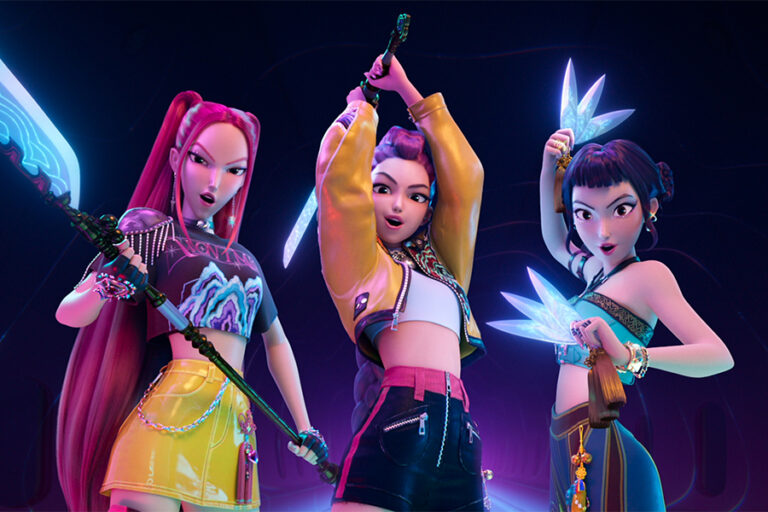
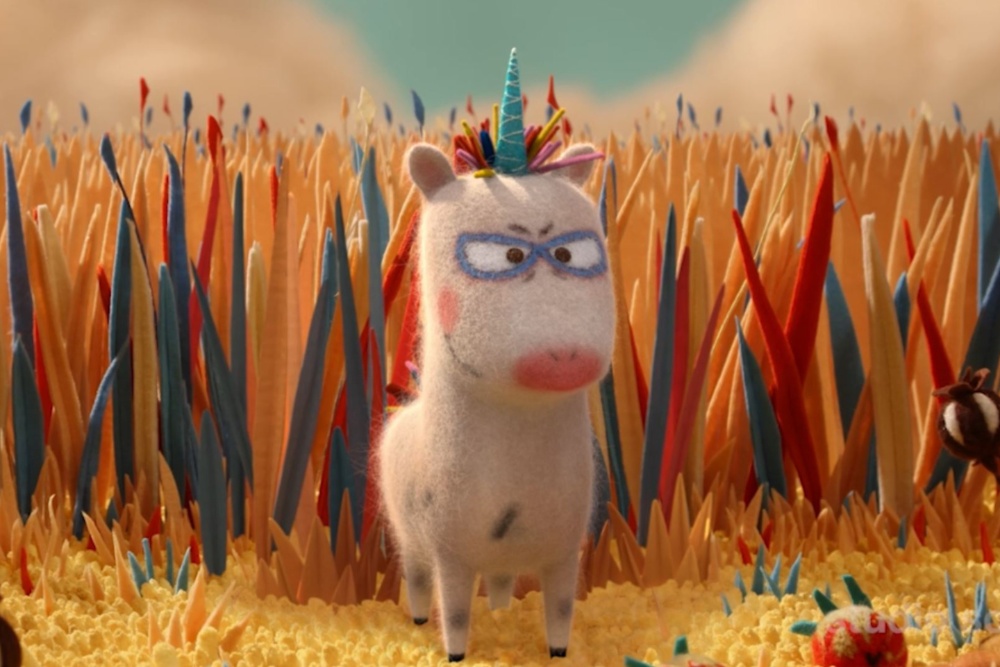
The film’s premise, as described by The Playmaker, immediately captures attention with its delightful subversion of fairytale tropes. It begins in the idyllic "Forest of Hearts," where a new arrival, "a little, sweepity, swoopity, swappity, sweet unicorn," is born. This initial description evokes the quintessential image of a mythical creature, embodying purity and sweetness. However, the narrative quickly introduces a playful twist: despite being showered with "lilacly-loving" affection and endless supplies of "sweet lucky clover," this particular unicorn refuses to conform. Its defining characteristic is a steadfast refusal to agree, leading its exasperated, yet endearing, family to affectionately dub it "uNOcorn." This rebellious streak forms the central conflict and charm of the story, challenging preconceived notions of what a unicorn "should" be.
The uNOcorn’s journey takes a pivotal turn when it decides to break free from its "cotton candy world" – a metaphor for the saccharine, perhaps stifling, expectations placed upon it – and embarks on a quest to "NOWHERE." This act of defiance is not one of anger, but of a quiet, resolute search for authenticity. Along its path, the uNOcorn encounters a series of equally unconventional companions, each embodying a form of charming dissent. There’s the "HUHcoon," a raccoon that perpetually refuses to listen, epitomizing selective hearing and a preference for one’s own rhythm. Next, it meets the "SOWHATchdog," a watchdog whose name perfectly encapsulates its laid-back, indifferent attitude towards responsibilities, highlighting a disinterest in conventional vigilance. Finally, the group is completed by "PrinceYES," a princess who, despite her title, always talks back, showcasing a spirited independence and a refusal to be silenced.
These four distinct personalities, each with their own brand of delightful obstinacy, form an "unlikely fellowship." The film’s description concludes with the insightful observation that "the four of them make a pretty good team. Because even being stubborn is much more fun together." This central theme of finding solidarity in shared non-conformity is incredibly powerful, particularly for a women-focused audience that often grapples with societal expectations and the pressure to conform. The story celebrates the idea that individuality, even when expressed as stubbornness or defiance, can be a source of strength and connection, rather than isolation. It’s a poignant reminder that true belonging often comes from finding those who appreciate you for exactly who you are, quirks and all, rather than for who you are expected to be.
The creative powerhouse behind this animation is a consortium of acclaimed talent. The film is co-directed by Studio Soi and Marc-Uwe Kling himself, ensuring that the visual storytelling remains true to the author’s original vision while benefiting from the expertise of a renowned animation studio. Studio Soi is a name synonymous with high-quality, distinctive animation, having earned international acclaim for their work on adaptations of beloved children’s books, including Oscar-nominated films like "The Gruffalo" and "Room on the Broom." Their involvement brings a promise of sophisticated animation, rich character design, and masterful storytelling, elevating the adaptation beyond a mere translation of the book. Kling’s directorship ensures that the narrative’s unique voice and satirical undertones are meticulously preserved and translated into the cinematic medium.
The production landscape further highlights the film’s pedigree. It is produced by Uwe Schott and Nicole Kellerhals at X-Filme Creative Pool, a German production company celebrated for its critically acclaimed and commercially successful live-action features, including international hits like "Run Lola Run" and "Babylon Berlin." Their foray into animated features with "The Unicorn That Said No" signals their commitment to diverse storytelling and high-quality production across genres. Studio Soi also serves as a producer, underscoring their integral role beyond direction. Rounding out the production team are Steffen Schier, Margret Mackuth, and Julia Hayungs at Warner Bros. Film Productions Germany. This collaboration with a major international studio’s German arm not only secures significant distribution muscle within Germany but also indicates a strong belief in the film’s commercial viability and artistic merit.
Such an ambitious project naturally requires robust financial backing, and "The Unicorn That Said No" has garnered significant support from key German cultural and film funding bodies. These include the Federal Government Commissioner for Culture and the Media (BKM), the German Federal Film Board (FFA), Medien- und Filmförderung Baden-Württemberg, and Mitteldeutsche Medienförderung. These institutions play a vital role in fostering Germany’s vibrant film industry, enabling the creation of high-quality, culturally significant, and commercially competitive productions. Their support is a crucial endorsement, affirming the film’s artistic integrity and its potential to contribute positively to both the national and international cultural landscape.
Gamze Celik, the astute Sales and Acquisitions Manager at The Playmaker, eloquently articulated the excitement surrounding the film’s launch. Her statement encapsulates the anticipation shared by many in the industry: "We are very excited to have ‘The Unicorn That Said No’ in our lineup. The book is a worldwide hit and has already brought joy to so many children and their families." This acknowledgment of the book’s existing global footprint and emotional connection with its audience is key. It positions the film not just as a new release, but as the cinematic culmination of a beloved narrative. Celik’s enthusiasm extends to the film’s potential impact, stating, "We cannot wait to see the movie adaptation on the big screen. I know it’s going to be a very cute and very fun adventure for all ages."
This sentiment underscores the film’s broad appeal. While undeniably "cute" in its aesthetic and concept, the underlying message of "The Unicorn That Said No" transcends simple entertainment. For women and families, the story offers rich ground for discussion about identity, the courage to be different, and the importance of finding one’s authentic voice. In a world that often pressures individuals to conform, the uNOcorn’s steadfast "no" becomes a powerful affirmation of self-worth and autonomy. Its journey, alongside companions who also defy easy categorization, champions the beauty of diverse perspectives and the strength found in chosen communities. It’s a narrative that encourages embracing one’s unique qualities and recognizing that true belonging isn’t about fitting in, but about finding a space where one can truly shine as oneself.
The adaptation of a children’s book with such profound yet playfully delivered themes into an animated feature is a significant undertaking. It speaks to a growing appreciation for sophisticated storytelling in children’s media, recognizing that young audiences, and the adults who accompany them, are hungry for narratives that are both entertaining and meaningful. "The Unicorn That Said No" is poised to join a lineage of animated films that delight with humor and visual splendor, while subtly imparting valuable lessons about self-acceptance, resilience, and the joy of embracing one’s inner rebel. As The Playmaker introduces this spirited uNOcorn to the world at the EFM, it’s clear that this is more than just another animated film; it’s a vibrant, heartwarming, and timely ode to the power of saying "no" to expectations and "yes" to oneself.