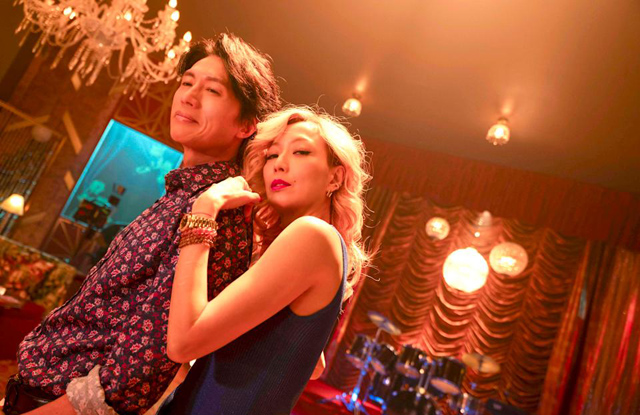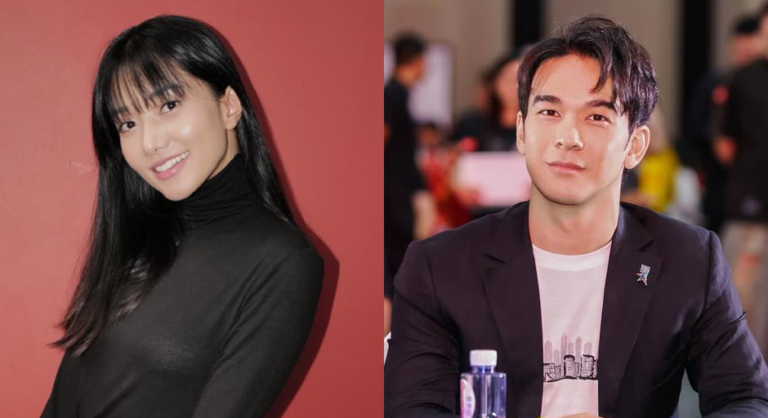




While critically acclaimed and recognized with a Best Director award at South Korea’s prestigious Busan International Film Festival, Shu Qi’s directorial debut, Girl, has faced a challenging reception at the box office. Despite the actress’s dedicated promotional efforts, the film’s commercial performance has been lackluster in key markets.
In Mainland China, after a 17-day run in theaters, Girl garnered a modest 4.57 million Chinese yuan. The situation was similar in Hong Kong, where the film managed to earn only 660,000 Hong Kong dollars over its 11-day theatrical engagement, a figure described as a "very poor showing" by industry observers. This stark contrast between critical praise and commercial disappointment highlights the complex dynamics of the film industry and the difficulties faced by debut directors, even those with established star power.
Shu Qi has been actively involved in promoting Girl, engaging in numerous media interviews to discuss her directorial vision and the film’s themes. One such prominent appearance was on Carol Cheng’s online talk show, The Do Show. During this candid conversation, Shu Qi delved into deeply personal territory, opening up about her struggles with fertility and her journey towards motherhood.
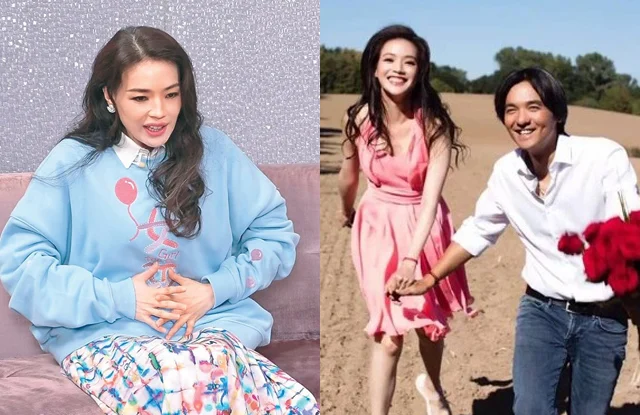
For years, following her marriage to actor and director Stephen Fung in 2016, Shu Qi and Fung cultivated an image of a couple content with their careers and a relaxed, child-free lifestyle. Their public appearances and interviews rarely touched upon the topic of starting a family, leading many to assume it wasn’t a priority. However, Shu Qi revealed that this perception was far from the truth. When directly questioned by Carol Cheng about the absence of children, Shu Qi unequivocally denied that they hadn’t planned for a family, expressing a sense of helplessness as she shared, "That’s not it! We’ve always wanted to, but it just never happened." This heartfelt confession resonated deeply with viewers, sparking a significant online reaction and garnering widespread support and well wishes from netizens who expressed their hopes for a swift and happy outcome for the couple.
The actress further elaborated on her approach to family planning after her marriage. Shu Qi revealed that she had taken a year off specifically to focus on her health, a decision that underscored her commitment to well-being. She also expressed a preference for allowing nature to take its course regarding conception, choosing not to freeze her eggs. While open to all possibilities, including adoption, she maintained a hopeful yet realistic outlook on her fertility journey. Reflecting on her marriage to Stephen Fung, Shu Qi described their relationship with a touching simplicity, likening them to "two children who never grew up," and emphasizing the relaxed and easygoing nature of their union. This intimate portrayal offered a glimpse into the private lives of a beloved celebrity couple, humanizing them and fostering a deeper connection with their audience.
Beyond her personal life, Shu Qi’s interview on The Do Show also offered a profound exploration of her formative years, revealing the impact of a challenging childhood. She spoke candidly about growing up in a home environment that, she felt, favored boys. This perceived favoritism led to her experiencing physical discipline when her younger brother misbehaved. A particularly poignant memory involved an incident around the age of 13 or 14 when her father’s anger escalated after she crashed her scooter. The ensuing chase and physical altercation prompted her to flee her home, an act of desperation that ultimately led to her running away.
Her early years away from home were characterized by instability and a constant need to fend for herself. She described this period as a time of earning money for basic necessities, foregoing formal education. Despite the hardships, she also found a sense of freedom and peace, recalling that she could finally "sleep at night without any screaming." This experience of creating her own "circle of people" and navigating the world independently shaped her resilience and her perspective on life.
When questioned about whether these early experiences influenced her views on marriage and relationships, Shu Qi expressed a nuanced perspective. She suggested that perhaps parents today should be required to obtain a "license," implying a need for greater preparedness and understanding of the responsibilities involved in raising children. In her youth, Shu Qi admitted to having reservations about the concept of marriage itself. She articulated a youthful skepticism about the longevity of romantic relationships, stating, "You never know with a guy… maybe right now you love him and he loves you, but who knows if you can stay together for long." Her youthful disbelief in the notion of "faithful" partners led her to dismiss the idea of marriage for a significant period of her life. However, life, as it often does, presented her with a different path, culminating in her eventual marriage to Stephen Fung, a union that has clearly brought her happiness and contentment.
The narrative of Girl‘s box office performance, coupled with Shu Qi’s deeply personal disclosures, paints a complex picture of an artist navigating the dual pressures of critical acclaim and commercial viability, while also bravely sharing intimate aspects of her life with the public. Her willingness to be vulnerable about her fertility struggles and her past experiences underscores a growing trend among public figures to engage in more authentic and open dialogue, fostering a sense of shared humanity and encouraging important conversations about societal expectations and personal journeys. The disappointment at the box office, while significant, does not diminish the artistic achievement of her directorial debut, nor does it detract from the courage and honesty she displayed in her recent public appearances. The enduring appeal of Shu Qi lies not only in her talent but also in her ability to connect with audiences on a deeply human level, making her a compelling figure in the entertainment landscape.