


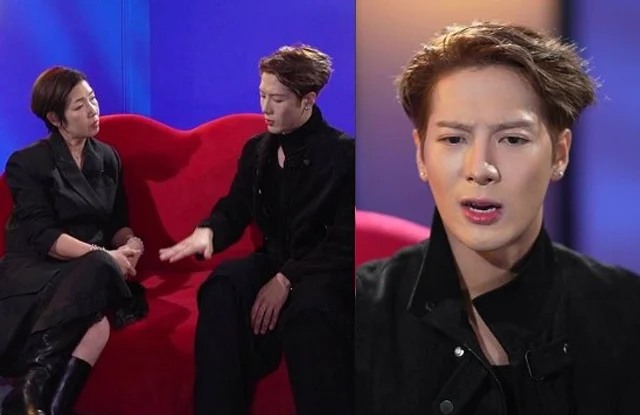
In a rare and deeply personal television appearance, global superstar Jackson Wang has unveiled the profound emotional turmoil that precipitated his one-year hiatus from the spotlight. Known for his candid nature and unwavering honesty, Wang spoke with Luisa Leitao about the confluence of personal and professional challenges that led him to a breaking point, the crushing weight of his emotional state, and the vital support systems that ultimately guided him back. The revelation offers a poignant glimpse into the immense pressures faced by artists navigating the demanding landscape of the entertainment industry at a young age.
Wang candidly admitted that his decision to step away was not a reaction to a single event, but rather an accumulation of difficult experiences. He articulated a sense of helplessness in finding collaborators who were aligned with his vision and aspirations. “It wasn’t just one incident,” Wang explained. “It was everything happening together, like a full 360 of bad things.” He elaborated on how betrayals, even those involving financial loss, were manageable, stating, “Say someone cheated me out of money, those are material things, so I’m like, ‘It’s okay, I can earn it back.'” The deeper pain stemmed from the erosion of trust and the realization that professional relationships often lack the genuine camaraderie he sought. “I think of people whom I work with as friends, but you can’t really have that many friends,” he mused. “Your dream is your dream, but other people have their own dreams…” The wisdom gained from these setbacks, he reflected, was akin to paying for an education. “The older you get, the more you realize you have to hit walls, just treat it as tuition. The problem is my emotions and feelings.”
Wang’s journey into the public eye began at an exceptionally tender age, a trajectory that left him ill-equipped to handle the complexities of fame and adulthood. His early life was characterized by rigorous athletic training. “I did gymnastics at 10, then fencing,” he recalled. This disciplined upbringing, while forging resilience, did not prepare him for the sudden shift into the highly competitive K-pop scene. “Then suddenly due to timing and luck, I was scouted and went to Korea for K-pop. I debuted at 19,” he stated. The transition was jarring, leaving him feeling utterly unprepared for the realities of the professional world. “Back then, I wasn’t ready for society at all. I hadn’t even graduated Form 7. How would I know anything about the real world at that age?!” The rapid ascent to stardom amplified these feelings of inadequacy. “Then more and more people saw me and I didn’t know how to handle all of it.” This relentless exposure, coupled with the immense expectations, undoubtedly contributed to his subsequent struggles.
During his lowest period, Wang confessed to experiencing thoughts of self-harm, a testament to the severity of his mental anguish. “At my saddest, most down moment, I had all kinds of thoughts…” he revealed, his voice tinged with the memory of that dark time. The overwhelming nature of his despair left him feeling disconnected from himself and his purpose. “You don’t even have time to react. You just feel like you don’t want to do anything, like you don’t even know who you are anymore.” The stark admission, “I thought about not wanting to live anymore. It happened,” underscores the critical nature of his mental health crisis. What surprised even himself was his capacity to endure, given his history of overcoming significant challenges. “Even I was surprised, because I survived so much, from being an athlete, to being a trainee, to debuting overseas. I thought I could endure anything.” This sentiment highlights the insidious nature of depression, which can erode even the strongest individuals.
The pressures Wang describes are multifaceted and representative of the challenges faced by many young artists in the global entertainment industry. Debuting in K-pop, as Wang did, requires an intense period of training and dedication, often beginning in adolescence. This immersion in a highly structured and demanding environment can delay the development of essential life skills and emotional maturity needed to navigate the complexities of adult life and public scrutiny. The constant performance, the lack of privacy, and the relentless pursuit of perfection can take a significant toll on mental well-being. Furthermore, the pressure to maintain a public image that often contrasts with private struggles can lead to feelings of isolation and inauthenticity.
Wang’s experience also touches upon the often-unseen business side of the entertainment world. His comments about struggling to find partners who shared his goals suggest a landscape where ambition and personal gain can sometimes overshadow genuine collaboration and ethical conduct. The vulnerability he displayed in discussing financial betrayals, while seemingly material, points to a deeper disappointment in human trust and the realization that professional interactions can be transactional, even when veiled in friendship. This can be particularly disheartening for individuals who enter the industry with a strong sense of idealism and a desire for meaningful connections.
The concept of “tuition” that Wang mentioned is a poignant metaphor for the painful lessons learned through adversity. In the entertainment industry, where stakes are high and opportunities can be fleeting, artists are often forced to learn difficult truths about human nature and the business itself. These lessons, while invaluable for long-term survival and growth, can come at a significant emotional cost. For Wang, who started his career so young, these formative experiences were compressed and amplified, making the impact more profound.
The psychological toll of such an intense career trajectory is immense. The constant need to perform, to please a global fanbase, and to remain relevant in a rapidly evolving industry can lead to burnout and a sense of identity crisis. When an individual’s sense of self becomes deeply intertwined with their public persona, any perceived failure or personal setback can feel like an existential threat. Wang’s admission of not knowing “who you are anymore” speaks to this profound disorientation that can occur when the lines between the artist and the person blur.
The support of family and fans, which Wang alluded to as instrumental in his recovery, highlights the importance of a strong personal network in navigating mental health challenges. In an industry that can often feel isolating, these connections provide a vital anchor, reminding individuals of their worth beyond their public achievements. For artists who have built a dedicated fanbase, the outpouring of love and encouragement can be a powerful source of strength and motivation. This reciprocal relationship, where fans provide unwavering support, allows artists to feel seen and valued, even during their darkest hours.
Wang’s willingness to share his story is a significant step towards destigmatizing mental health issues within the entertainment industry and beyond. By speaking openly about his struggles, he not only offers solace to others who may be experiencing similar difficulties but also challenges the prevailing narrative that successful individuals are immune to emotional pain. His confession serves as a powerful reminder that vulnerability is not a weakness, but a testament to human resilience. The journey from the brink of despair to a place of healing and renewed purpose is a testament to his inner strength and the importance of seeking and accepting help.
The narrative of Jackson Wang’s hiatus and his subsequent openness about his struggles offers a crucial perspective for understanding the human cost of global stardom. It underscores the need for greater awareness and support systems within the entertainment industry to protect the mental well-being of its artists, particularly those who begin their careers at such a formative age. His courage in sharing his deeply personal experience provides a beacon of hope, demonstrating that even in the face of overwhelming darkness, recovery is possible, and that true strength lies in vulnerability and connection. The impact of his honest confession is likely to resonate deeply with fans and aspiring artists alike, fostering a more compassionate and understanding environment within the demanding world of entertainment.