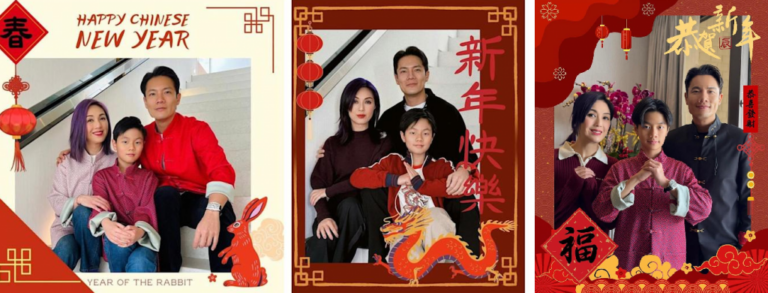




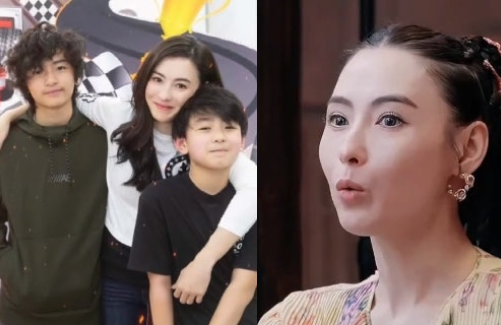
In a candid and insightful moment on the popular Chinese reality program, A Blooming Journey 2 <花花世界2>, actress Cecilia Cheung has captivated audiences and sparked widespread admiration for her refreshingly direct and wisdom-filled approach to raising her children. The show, celebrated for its blend of intimate conversations and picturesque backdrops, featured a particularly poignant exchange where Cheung elaborated on her parenting philosophy, emphasizing the invaluable role of challenges and consequences in a child’s development.
The discussion unfolded during a conversation with veteran actress Carina Lau, who inquired about Cheung’s methods and whether she ever resorted to scolding her sons. Cheung’s response was immediate and unwavering, revealing a parenting style rooted in accountability. “I rarely scold,” she stated, her voice steady, “but I am very direct. I always say, ‘You’ve made your own decision, so you have to bear the consequences.’” This straightforward yet empowering approach underscores her belief that children learn best when they directly experience the outcomes of their choices, fostering a sense of responsibility from an early age.
When pressed on how she handles situations where her children make mistakes, Cheung reiterated her acceptance and even encouragement of such learning opportunities. “I’m okay with that, because I believe you can’t improve without making mistakes,” she explained. This perspective challenges the conventional notion that parents must shield their children from all errors. Instead, Cheung views mistakes not as failures, but as essential stepping stones on the path to growth and self-improvement. Her philosophy suggests a proactive rather than protective stance, empowering her children to navigate the complexities of life with confidence and a robust problem-solving toolkit.
Cheung further elaborated on this core tenet, expressing a nuanced concern that an overly smooth or effortless childhood might, paradoxically, be detrimental to a child’s long-term development. She confessed that she sometimes worries more when her children report uncomplicated successes. “Sometimes the smoother their path is, the more worried I become,” she admitted. Her concern stems from a deeper understanding of what truly constitutes meaningful learning. She finds more reassurance when her children acknowledge struggles, even in playful contexts. “When he comes home and says, ‘Mom, I didn’t play well or I couldn’t win,’ I’m actually happy,” Cheung revealed. This seemingly counterintuitive joy highlights her belief that genuine growth often emerges from adversity.
Her reasoning is profound: “It’s because I think, ‘So what if you win every game? You’re just playing for the sake of playing, and you’re not learning anything from it.’ I’d rather his path be a little tougher.” This statement resonates with a growing body of research in child psychology that emphasizes the importance of developing resilience, grit, and problem-solving skills through overcoming obstacles. Cheung’s perspective suggests that constant victories, particularly in childhood, can breed complacency and a lack of appreciation for effort or the lessons learned from failure. By embracing challenges, children are more likely to develop critical thinking, perseverance, and a deeper understanding of their own capabilities and limitations.

The context of A Blooming Journey 2 itself provides a backdrop that amplifies Cheung’s message. The show typically follows a group of celebrity friends as they embark on journeys, engage in meaningful conversations, and navigate various experiences together. This setting allows for authentic interactions and the sharing of personal insights that often resonate deeply with viewers who are also navigating the complexities of family life, personal growth, and societal expectations. Cheung’s willingness to share such a personal aspect of her parenting in this open forum has undoubtedly contributed to the positive reception of her views.
Cecilia Cheung, a prominent figure in the entertainment industry, has navigated her own share of public scrutiny and personal challenges. Her journey as a mother to three sons – Lucas, Quintus, and Marcus – has been a central theme in her public life. Her candidness on A Blooming Journey 2 offers a glimpse into the deliberate and thoughtful approach she takes to guide her children through their formative years. This emphasis on resilience and learning from mistakes can be seen as a direct reflection of her own life experiences, where overcoming adversity has likely shaped her into the strong and insightful individual she is today.
Her parenting philosophy aligns with modern educational and psychological trends that advocate for a more hands-off, yet supportive, approach. Instead of micromanaging every aspect of a child’s life, Cheung appears to empower her sons to become independent thinkers and resilient individuals. This approach is particularly relevant in today’s fast-paced and often demanding world, where the ability to adapt, learn from setbacks, and persevere is crucial for success and well-being. By allowing her children to experience the natural consequences of their actions, she is equipping them with essential life skills that will serve them far beyond the confines of childhood.
The impact of Cheung’s words extends beyond the realm of parenting advice. Her perspective offers a broader commentary on the human experience. The pursuit of constant success, whether in academics, careers, or personal endeavors, can sometimes lead to an avoidance of vulnerability and a fear of failure. Cheung’s philosophy gently reminds us that true growth often lies in the discomfort of challenges and the lessons learned from navigating them. It encourages a shift in perspective, where setbacks are reframed not as endpoints, but as integral parts of a richer, more meaningful journey.
Netizens have widely praised Cheung’s approach, with many expressing their admiration for her wisdom and foresight. The sentiment appears to be that her directness and emphasis on personal accountability are invaluable lessons for any parent. In an era where the pressures on children to achieve and succeed can be immense, Cheung’s message offers a refreshing counterpoint, advocating for a more holistic and resilient form of development. Her willingness to share these deeply personal insights on a public platform underscores her commitment to fostering a generation that is not only successful but also emotionally intelligent and capable of facing life’s inevitable ups and downs with grace and fortitude.
The popularity of A Blooming Journey 2 and the specific segment featuring Cecilia Cheung’s parenting insights highlight a growing interest among audiences for authentic and relatable content that explores meaningful aspects of life. As viewers continue to tune in, Cheung’s thoughtful reflections are likely to inspire many to re-evaluate their own approaches to guiding children, encouraging a focus on building character and resilience rather than solely on achieving external markers of success. Her philosophy, rooted in the understanding that life’s true lessons are often found in the detours and difficulties, serves as a powerful reminder of the enduring value of embracing challenges as opportunities for profound personal growth.