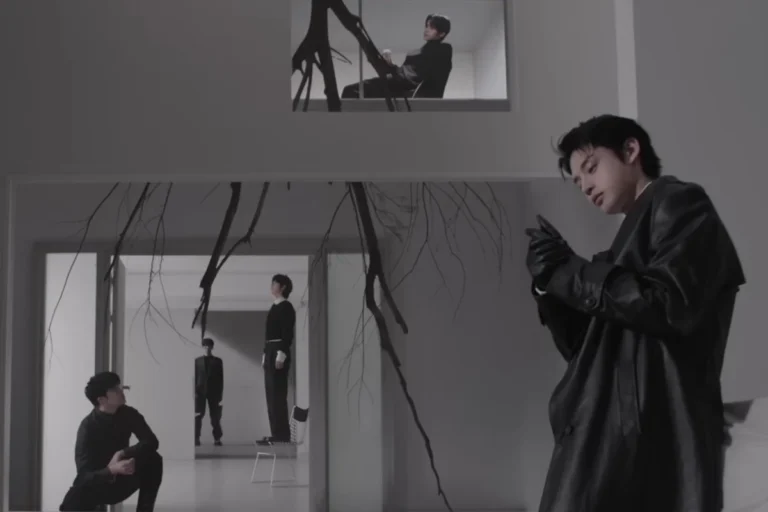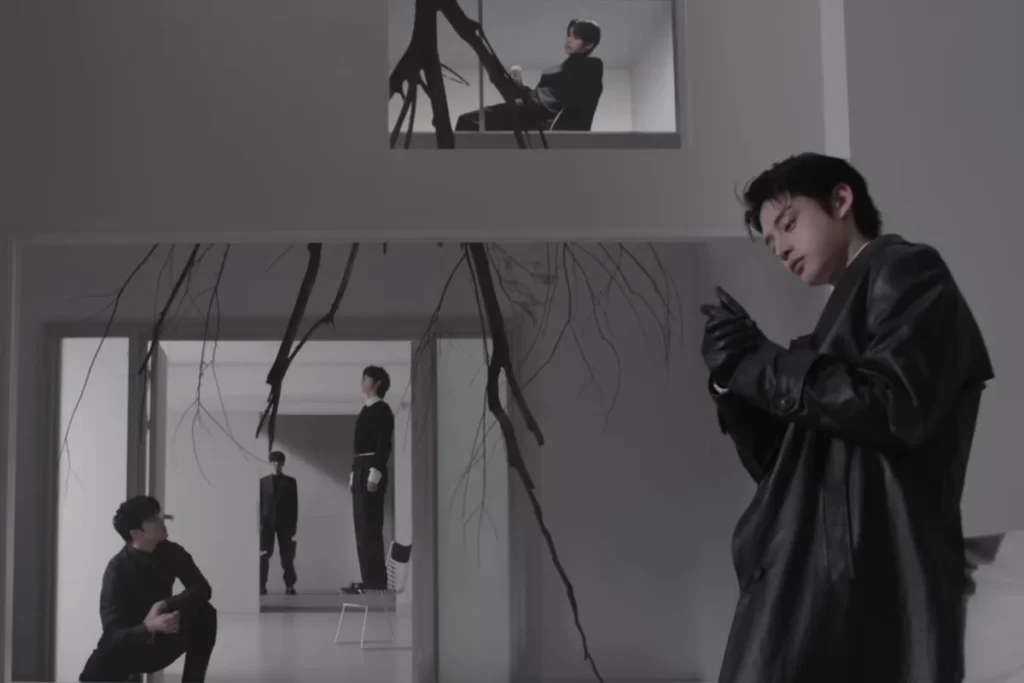



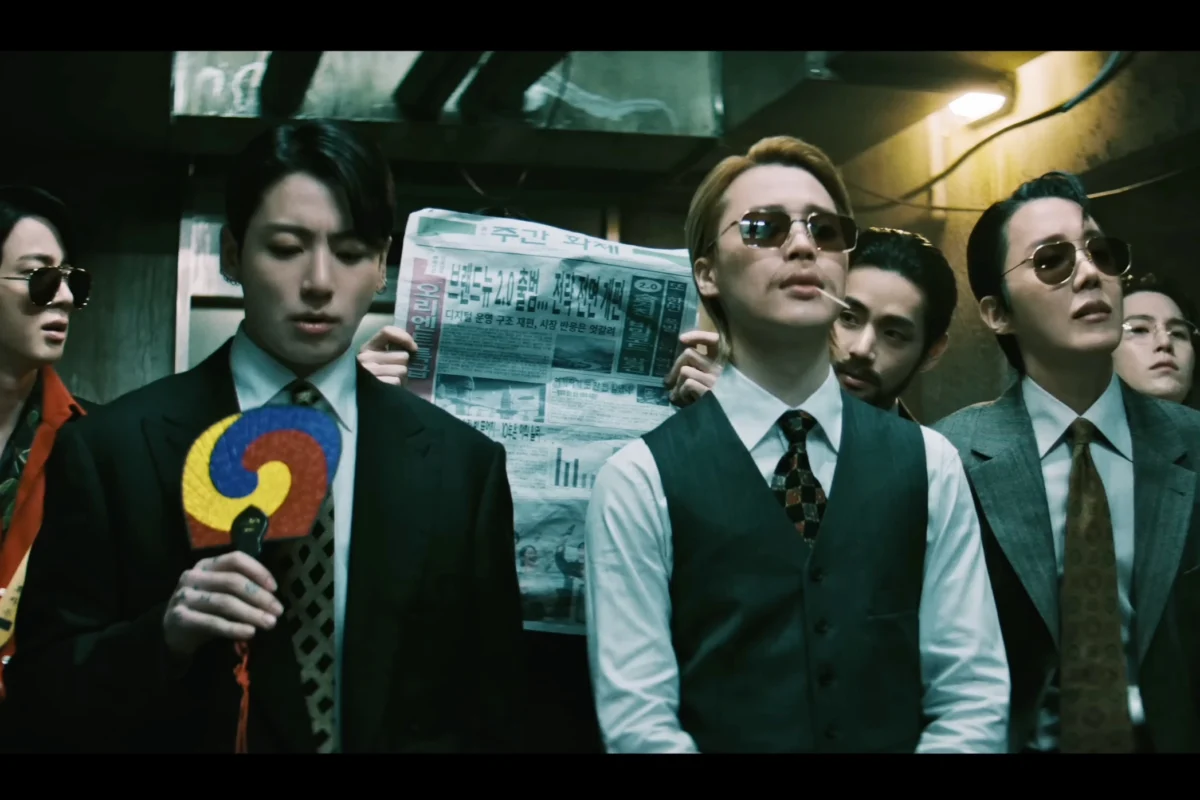
BTS, the global phenomenon synonymous with groundbreaking music and captivating visuals, has once again captivated audiences worldwide with the release of their highly anticipated music video for "2.0." Dropping precisely at midnight KST on April 2, this visual spectacle is a standout B-side from their recently launched album, "ARIRANG," and immediately establishes itself as a vibrant, humorous, and deeply referential piece of art. More than just a music video, "2.0" acts as a profound artistic statement, celebrating both their rich cultural heritage and their journey of evolution, all while showcasing their inimitable creativity and wit on a global stage.
The release of "ARIRANG" itself marks a significant moment in BTS’s storied career, following a period of intense individual endeavors and collective reflection. While the album’s title evokes the beloved traditional Korean folk song—a poignant symbol of national identity, resilience, and profound emotion—it promises a complex tapestry of sounds and narratives that delve into the contemporary experience of a group that has transcended musical boundaries. Within this larger framework, "2.0" emerges not merely as an accompanying track but as a pivotal chapter, a testament to BTS’s dedication to their craft. It underscores the depth and narrative cohesion they strive for in every project, transforming what might typically be considered a supplementary track into a standalone experience that enriches the overall artistic vision of the album. This meticulous approach to storytelling and visual artistry distinguishes them in the global music landscape, solidifying their reputation as innovators who consistently deliver content that is both entertaining and intellectually stimulating.
BIGHIT MUSIC, the creative force behind BTS, has characterized "2.0" as a profound reflection on the "BTS of right now." This description hints at a pivotal moment for the septet, signifying their entry into a "new phase" following years of relentless "change and growth." For a group that has consistently pushed boundaries, broken records, and navigated unprecedented global fame and its accompanying pressures, this statement carries immense weight. It speaks to an ongoing journey of self-discovery and artistic refinement that has defined their trajectory since their debut. From their early days as a hip-hop-infused idol group addressing societal critiques to their current status as cultural ambassadors advocating for self-love and mental well-being, BTS has consistently embraced evolution. Their music has invariably mirrored their personal and collective development, becoming a sonic diary of their experiences. "2.0" therefore serves as both an auditory and visual chronicle of this continuous transformation, inviting listeners and viewers to witness their current identity—a synthesis of their past selves and their future aspirations. It’s a track that acknowledges their past struggles and triumphs, distilling them into a vibrant declaration of their present strength and renewed purpose, embodying the wisdom gained through experience and the boundless excitement of what lies ahead. This lyrical and thematic depth allows the song to resonate with a broad audience, reflecting universal themes of personal growth while remaining deeply personal to the artists.
The most striking and widely discussed element of the "2.0" music video is its audacious and ingenious homage to Park Chan Wook’s cinematic masterpiece, "Oldboy." Released in 2003, "Oldboy" is not merely a film; it is a cultural phenomenon that played a pivotal role in cementing South Korea’s place on the global cinematic map, showcasing its capacity for complex storytelling and stunning visual artistry. As a neo-noir action thriller, it’s celebrated for its intense narrative, psychological depth, and iconic, brutal action sequences, most notably the legendary single-take hallway fight scene. Directed by the visionary Park Chan Wook, the film tells the harrowing tale of Oh Dae-su, a man inexplicably imprisoned for 15 years, then suddenly released and tasked with discovering his captor’s identity and motive within five days, or face dire consequences. Its themes of revenge, isolation, the cyclical nature of violence, and the distortion of identity have resonated globally, earning it critical acclaim and numerous awards, including the coveted Grand Prix at the 2004 Cannes Film Festival. Its stark aesthetic, moral ambiguity, and unforgettable climax have left an indelible mark on modern cinema.
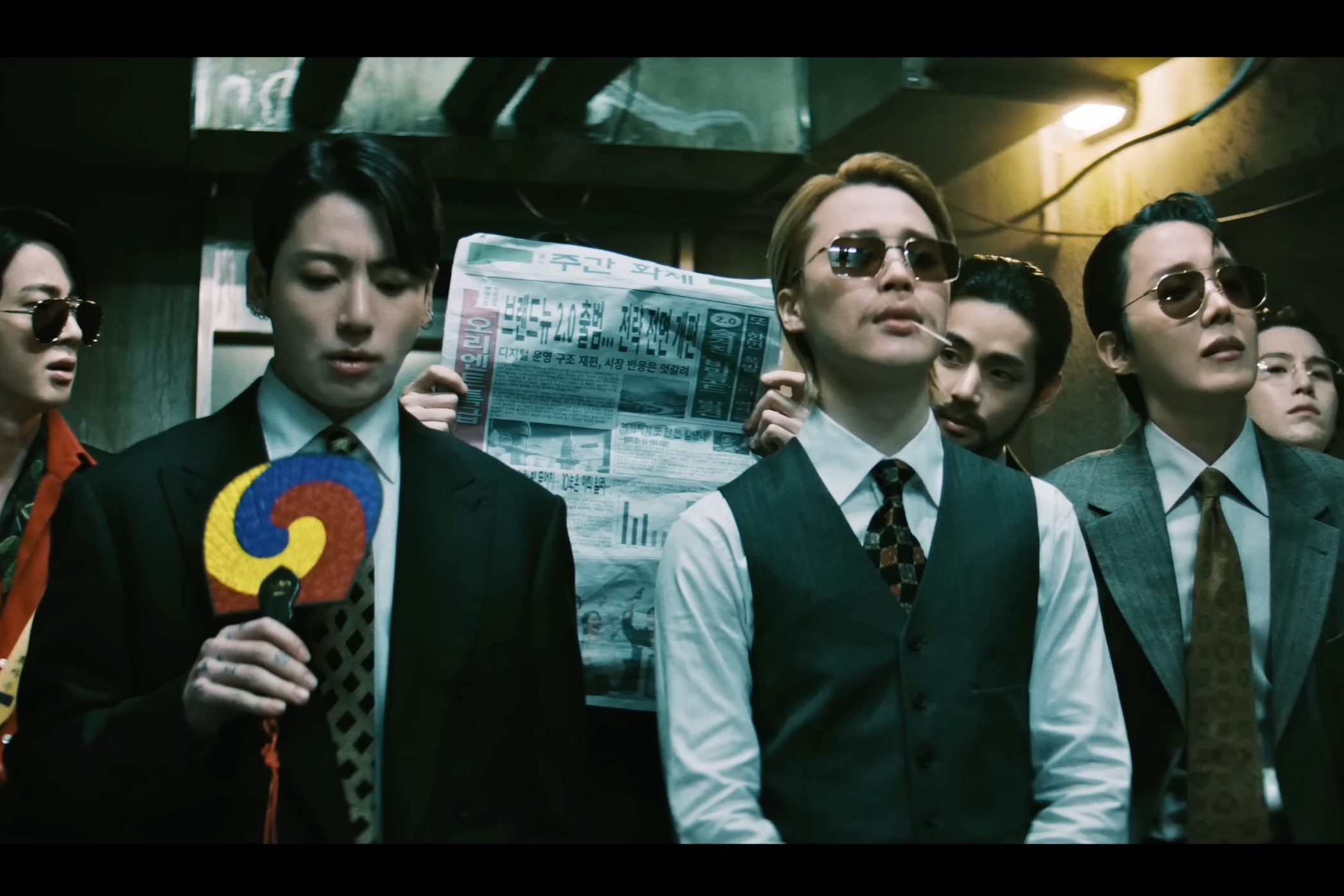
The choice of "Oldboy" as an inspiration for "2.0" is remarkably insightful and indicative of BTS’s sophisticated artistic sensibilities. While "Oldboy" is undeniably dark, visceral, and psychologically intense, BTS’s interpretation transforms its intensity into something "hilarious" and visually captivating, demonstrating their unique ability to blend high art with pop culture accessibility. The original film’s narrative of confinement, psychological torment, and subsequent, often brutal, transformation can be metaphorically recontextualized within BTS’s journey. Perhaps it speaks to the pressures of global fame, the feeling of being under constant scrutiny, or the group’s continuous need to break free from external expectations and reinvent themselves artistically. The description of a "dramatic entrance reminiscent of the movie’s iconic hallway fight scene" suggests a powerful, unified front, perhaps battling internal or external challenges with their signature blend of charisma and unexpected turns, all presented with a theatrical flair. The "memorable transformations by the BTS members" are likely a playful nod to the film’s character development and the profound psychological shifts experienced by its protagonist, reinterpreted through BTS’s unique artistic lens to showcase their versatility, willingness to experiment with their image, and their capacity for self-parody. This fusion of a globally recognized, critically acclaimed film with K-Pop’s dynamic visual storytelling prowess creates a multi-layered experience that richly rewards viewers with a keen eye for cinematic references and cultural nuances. It elevates the music video beyond simple entertainment, positioning it as a thoughtful dialogue between different forms of art, inviting deeper analysis and appreciation from their diverse global audience.
A hallmark of BTS’s enduring artistry is the active involvement of its members in the creative process, particularly in songwriting. For "2.0," the lyrics were penned by none other than RM, j-hope, V, Jungkook, and Suga. This collaborative effort underscores the group’s unwavering commitment to authenticity and personal expression, ensuring that their music remains deeply connected to their lived experiences. Each member brings their unique perspective and lyrical prowess, weaving their individual narratives into a cohesive whole that resonates with the overarching theme of "change and growth" that defines this new phase.
RM, the group’s introspective leader and a prolific lyricist, is renowned for his philosophical depth and remarkable ability to articulate complex emotions and astute societal observations. His contribution likely grounds "2.0" with introspective weight, perhaps exploring the internal landscapes of transformation. j-hope, known for his vibrant energy and consistently hopeful outlook, often infuses tracks with infectious positivity and dynamic rhythm. His lyrical input might contribute to the song’s energetic momentum and optimistic undertones, providing a counterpoint to the darker cinematic inspiration. Suga, a masterful storyteller and a highly respected producer, often delves into candid reflections on life, struggle, and ambition, frequently using poignant metaphors. His lines could add a layer of raw honesty or provide astute observations regarding the group’s challenging yet rewarding journey. V and Jungkook, while often celebrated globally for their distinctive vocal prowess and captivating stage presence, have also consistently demonstrated their growing skills as thoughtful songwriters. Their contributions could bring fresh, perhaps more personal, perspectives, touching upon individual experiences of evolving within the relentless public eye or articulating the collective spirit of the group’s current era with youthful vigor and burgeoning maturity. This shared authorship ensures that "2.0" is not merely a song performed by BTS, but a narrative deeply rooted in their collective and individual experiences, making it a truly personal declaration of their current state and future aspirations that resonates profoundly with their devoted fanbase.
The music video itself is a masterclass in visual storytelling, typical of K-Pop’s renowned high production values and meticulous attention to detail. The concept of "hilarious transformations" suggests a brilliantly lighthearted approach to the dark and intense source material, turning potentially grim or dramatic scenarios from "Oldboy" into moments of unexpected comedy and visual delight. This sophisticated juxtaposition of the serious and the playful is a signature element of BTS’s artistic identity, allowing them to engage with profound themes of identity and change while maintaining an accessible and entertaining demeanor. The detailed set designs, elaborate costumes, and dynamic cinematography would undoubtedly bring the "Oldboy" homage to life, not as a mere imitation, but as a clever and respectful reinterpretation. Viewers are invited to appreciate the intricate details, from the subtle nods to the film’s iconic aesthetic—such as the distinctive color palette or camera angles—to the more overt comedic exaggerations that underscore the playful parody. This visual richness ensures that the "2.0" MV is not only a treat for the ears but also a veritable feast for the eyes, encouraging multiple viewings to catch every clever reference, artistic flourish, and hidden "Easter egg" that BTS and their creative team are famous for embedding.
BTS’s consistent ability to reinvent themselves while staying true to their core message and artistic integrity is a significant factor in their enduring and ever-expanding global appeal. "2.0" is yet another powerful testament to this remarkable adaptability and creative resilience. As they continue to navigate unprecedented individual projects alongside their cohesive group activities, the concept of a "new phase" resonates deeply with their dedicated global fanbase, ARMY. Fans have witnessed the members grow from young, aspiring artists into mature, influential figures, each maintaining their unique identity and artistic voice while contributing synergistically to the collective strength and vision of BTS. This evolution is not just about musical style or genre experimentation but also about their narratives, their public personas, and their thoughtful engagement with pressing social issues. The release of "2.0," with its deeply self-penned lyrics and complex cinematic references, reassures fans that while change is an inevitable and constant force, the artistic integrity, collaborative spirit, and innovative drive of BTS remain unwavering. It’s a powerful statement that their journey is ongoing, filled with new explorations, deeper expressions of who they are, both as individuals and as a groundbreaking musical phenomenon, and an exciting promise of more to come.
The "2.0" music video, an intricate blend of cinematic homage, personal introspection, and vibrant artistic expression, solidifies BTS’s position as pioneers and cultural innovators in the global music industry. It’s a compelling invitation to witness their latest chapter, a dynamic "2.0" version of themselves, poised for even greater heights of artistic achievement and cultural impact. With its clever references, powerful message of growth, and the undeniable talent and charisma of its members, "2.0" is more than just a music video; it is a cultural event, signaling that BTS’s journey of innovation and impact is far from over, and that their commitment to authentic storytelling through their art remains as strong as ever.