

Echoes of History: ‘The King’s Warden’ Reveals Striking Character Posters, Promising a Deep Dive into Joseon’s Royal Intrigue and a Dethroned King’s Tragic Fate
Anticipation is mounting for the upcoming historical epic, “The King’s Warden,” as the production team has just unveiled five captivating character posters, offering a poignant glimpse into the lives of the figures at the heart of this compelling narrative. This film marks a significant milestone in Korean cinema, being the first to intimately explore the largely untold saga of King Danjong, the sixth monarch of the Joseon Dynasty, and the profound impact of his dethronement and exile.
Set against the tumultuous backdrop of 15th-century Joseon, “The King’s Warden” transports audiences to 1457, a year etched in the annals of Korean history for its profound tragedy. The film meticulously chronicles the heartbreaking journey of King Danjong, portrayed by the talented Park Ji Hoon. Ascending to the throne at the tender age of 12, Danjong’s reign was tragically cut short by his ambitious uncle, Grand Prince Suyang (later King Sejo), who orchestrated the infamous Gyeyu Coup. Stripped of his royal title and exiled to the remote and desolate Cheongnyeongpo in Yeongwol, Gangwon Province, the young king faced an agonizing end, a fate that has resonated through centuries as one of Joseon’s most sorrowful chapters.
However, “The King’s Warden” offers a unique perspective on this well-known historical event, shining a light on the unexpected human connections forged in the crucible of despair. The story intricately weaves together the destiny of the dethroned monarch with that of Eom Heung Do, a shrewd yet warm-hearted village chief from Cheongnyeongpo, brought to life by the esteemed actor Yoo Hae Jin. Eom Heung Do, driven by a vision to revitalize his struggling village, voluntarily transforms it into an exile site for high-ranking officials. Little does he know that his ambitious plan will lead to the arrival of the former king, sparking an unlikely and deeply moving bond between a pragmatic village leader and a young man burdened by a crown he no longer wears.
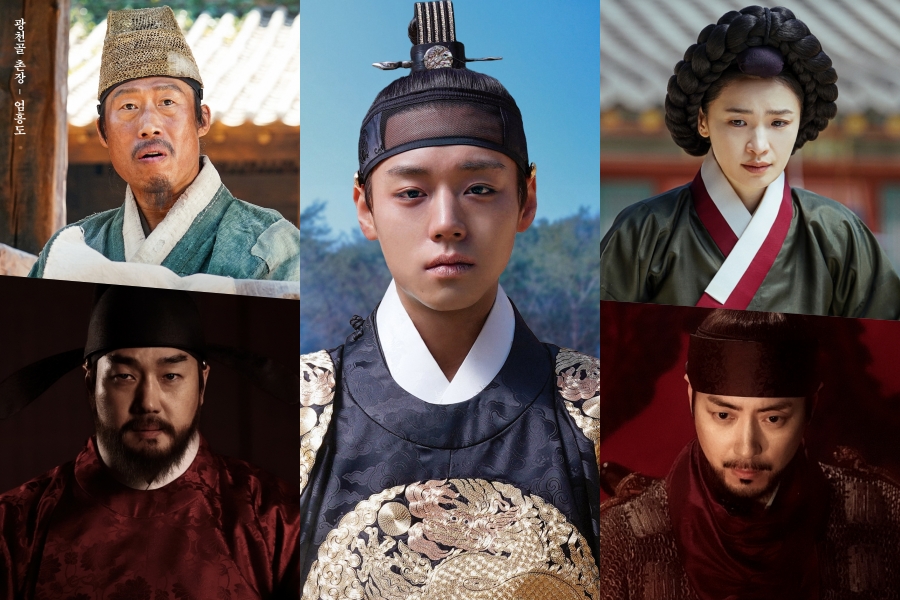
The newly released character posters are more than mere promotional materials; they are evocative portraits that breathe life into individuals whose stories, though pivotal, have often been overshadowed by grand historical narratives. Each poster encapsulates the essence of its character, hinting at their roles in a story where loyalty, ambition, and resilience clash.
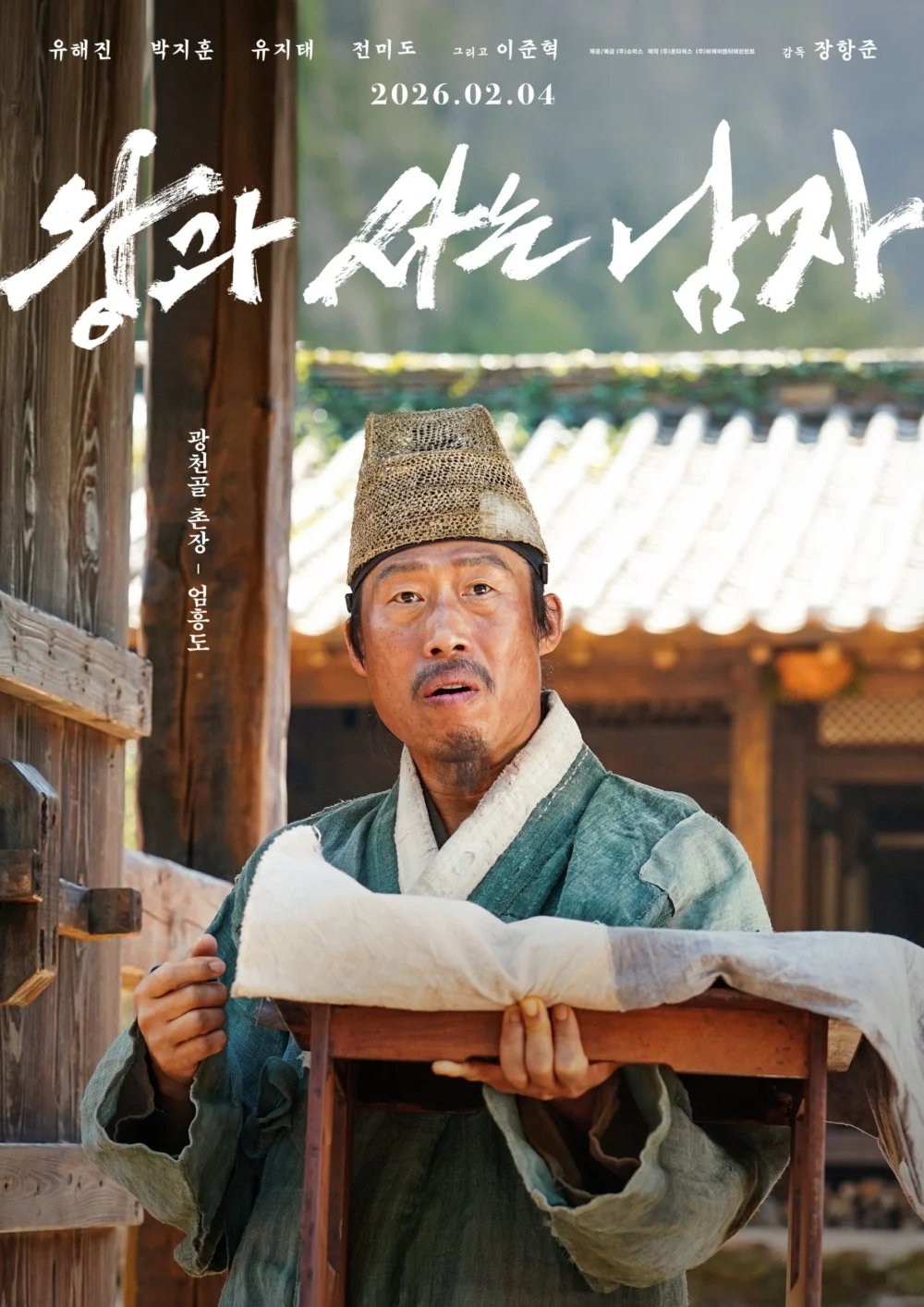
Eom Heung Do (Yoo Hae Jin): The Pragmatic Guardian
The poster for Eom Heung Do, the sagacious village chief of Gwangcheonggol, immediately conveys a sense of grounded wisdom and subtle humor. His eyes, though weary, hold a spark of determination, reflecting his tireless efforts to manage and sustain the exile village. Eom Heung Do is not just a figure of authority; he is the beating heart of his community, a man who once envisioned prosperity by attracting influential exiles. The arrival of the dethroned King Danjong, however, presents an unprecedented challenge, forcing him to navigate a delicate balance between his duties to the state and his burgeoning empathy for the young king. Yoo Hae Jin, celebrated for his ability to infuse characters with both relatability and profound depth, articulated his approach to the role, stating, “While filming, I tried to spend a lot of time thinking about what Eom Heung Do must have been feeling at that moment.” This dedication promises a performance rich in emotional nuance, exploring the complexities of a man thrust into an extraordinary historical moment.
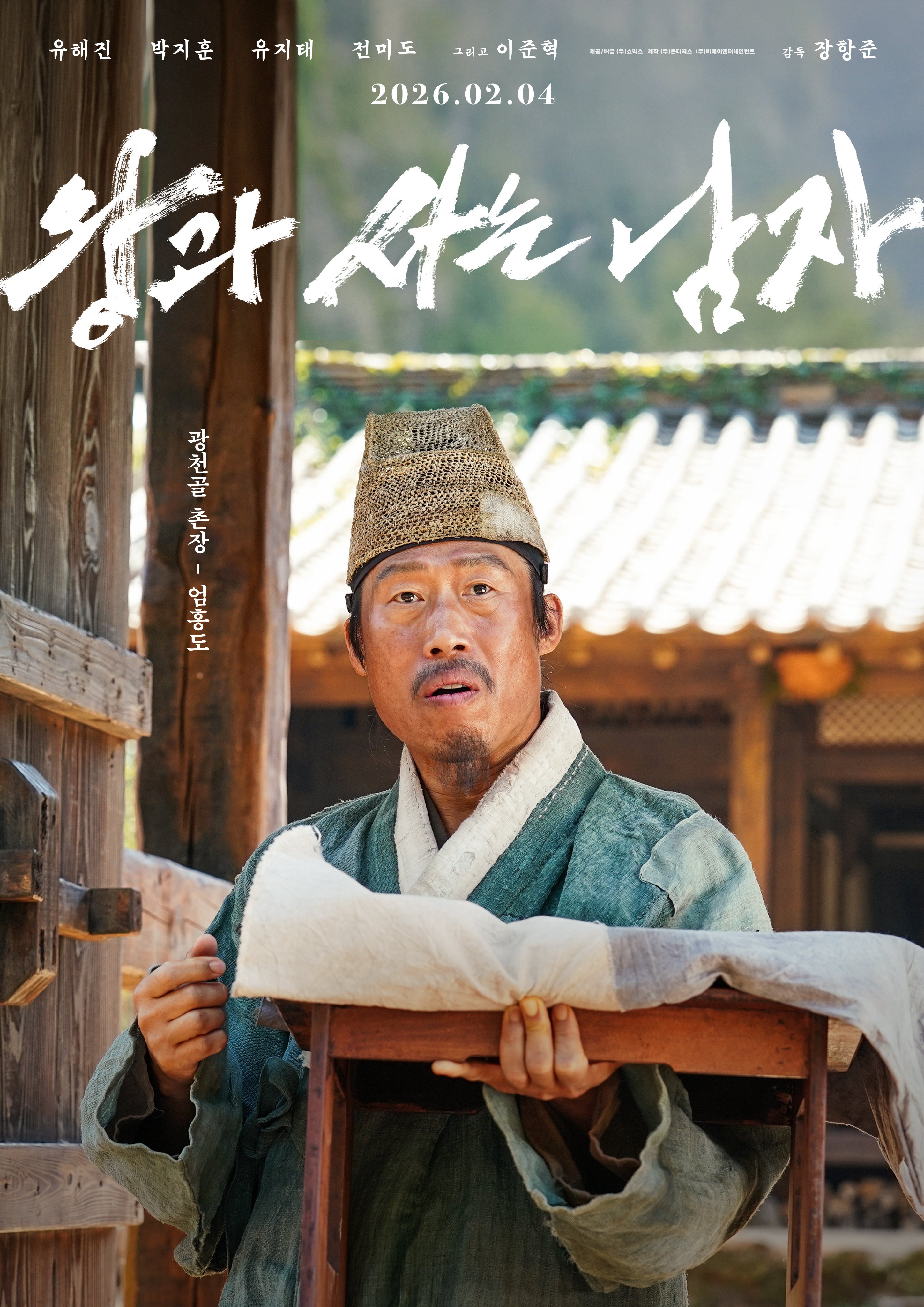
Yoo Hae Jin as Eom Heung Do.
Yi Hong Wi / King Danjong (Park Ji Hoon): The Sorrowful Sovereign
The poster featuring Yi Hong Wi, the personal name of King Danjong, is heartbreakingly poignant. Clad in his royal robes, he stands alone, a solitary figure whose youthful face is etched with profound sorrow and vulnerability. His gaze, distant and filled with despair, perfectly captures the immense burden of a boy king who has lost everything – his throne, his family, and his future. Park Ji Hoon’s portrayal aims to delve deep into the psychological turmoil of a monarch stripped of power and forced into an isolating exile. His commitment to authenticity is evident in his reflection: “I thought deeply about how to understand the heart of a young king.” Audiences can expect a sensitive and detailed depiction of Danjong’s inner world, highlighting the tragic solitude of a boy forced to confront an adult world of betrayal and loss.
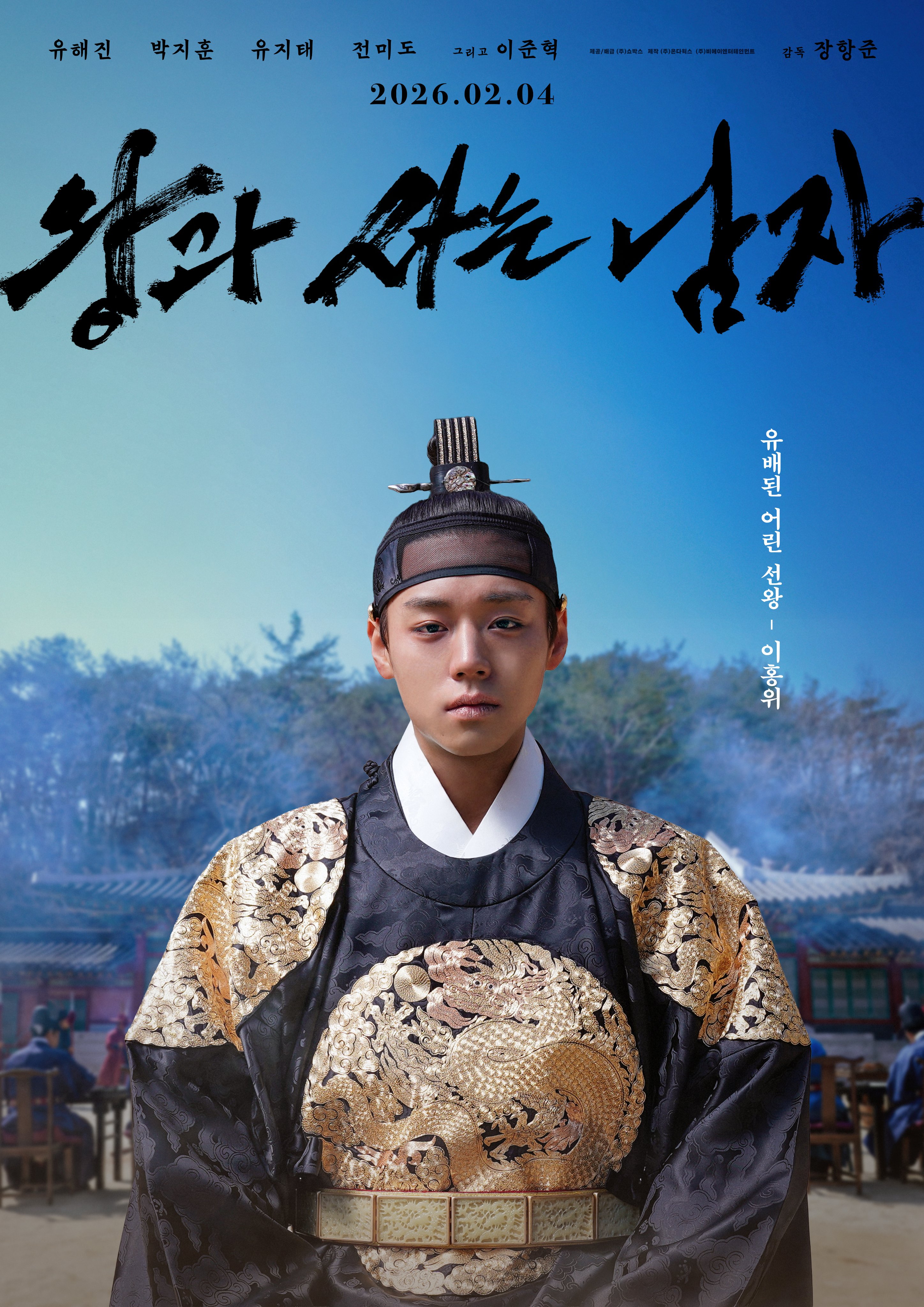
Park Ji Hoon as Yi Hong Wi (King Danjong).
Han Myeong Hoe (Yoo Ji Tae): The Architect of Power
The imposing presence of Han Myeong Hoe, portrayed by the formidable Yoo Ji Tae, radiates a chilling, undeniable authority. As a central figure and master strategist behind the Gyeyu Coup, Han Myeong Hoe is the one who orchestrates Yi Hong Wi’s exile to Gwangcheonggol. His relentless surveillance over the dethroned king, even from afar, promises to be a constant source of tension and dread throughout the film. Yoo Ji Tae, known for his compelling performances as complex and often formidable characters, is poised to deliver a portrayal that embodies the ruthless ambition and calculating intellect of one of Joseon’s most powerful and controversial historical figures. His character will undoubtedly serve as a stark reminder of the political machinations that led to Danjong’s downfall.
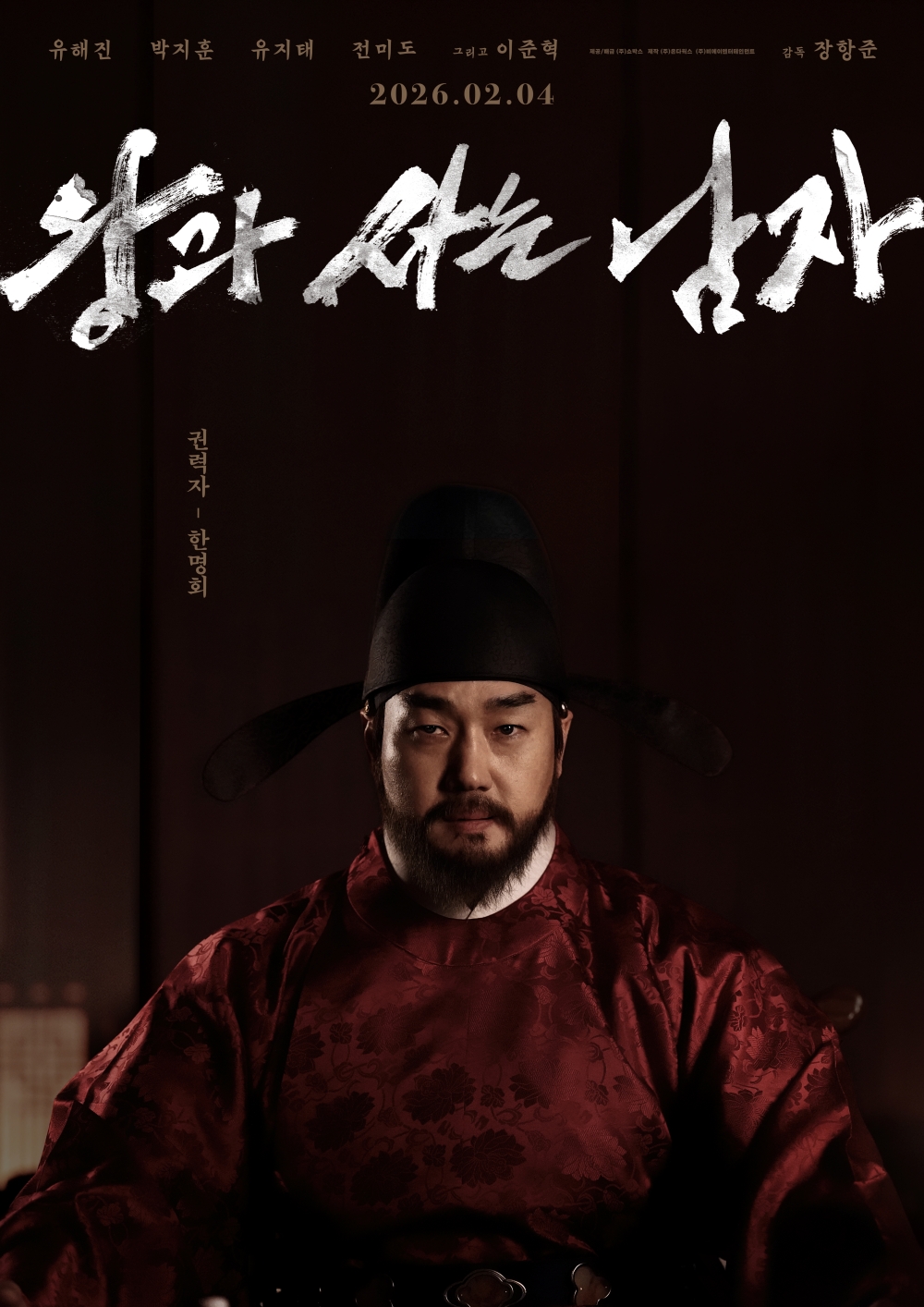
Yoo Ji Tae as Han Myeong Hoe.
Court Lady Mae Hwa (Jeon Mi Do): The Unwavering Devotion
The character poster for Court Lady Mae Hwa, played by the versatile Jeon Mi Do, reveals a woman of quiet strength and unwavering resolve. Her eyes convey a deep, enduring loyalty, reflecting her role as a maternal figure who has cared for Yi Hong Wi since his childhood. Even in the bleakness of exile, she remains steadfastly by his side, a beacon of comfort and familial affection in his darkest hours. Mae Hwa symbolizes the enduring human spirit and the profound bonds that transcend political turmoil. Jeon Mi Do, celebrated for her ability to embody characters with deep emotional reserves and quiet resilience, is expected to deliver a moving performance that highlights the sacrifices and unwavering devotion of those who chose loyalty over personal safety.
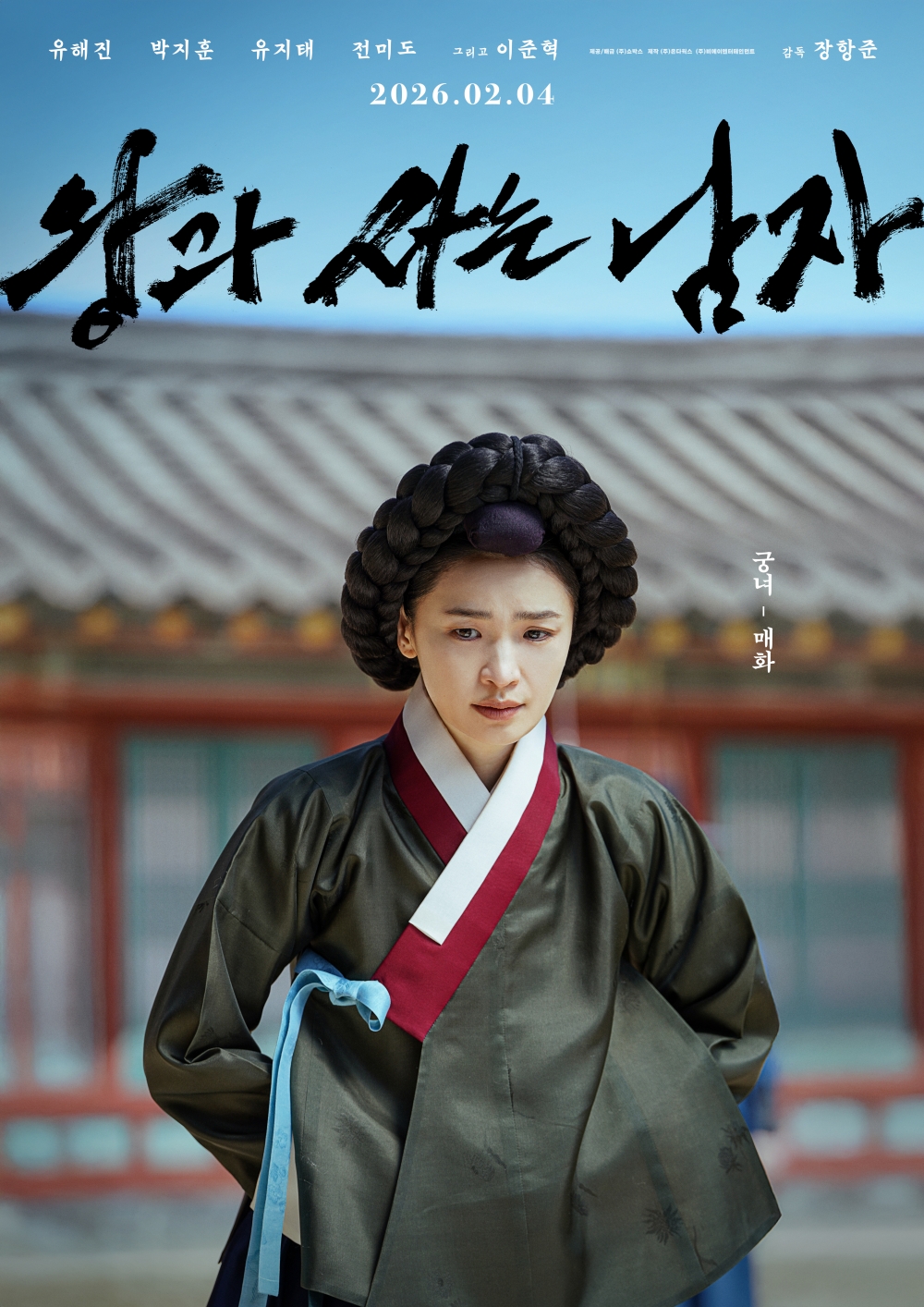
Jeon Mi Do as Court Lady Mae Hwa.
Grand Prince Geumseong (Lee Jun Hyuk): The Righteous Protector
Finally, the poster for Grand Prince Geumseong, Danjong’s loyal uncle, brought to life by Lee Jun Hyuk, exudes fierce determination. Dressed in full armor and gripping a sword, his intense gaze speaks volumes of his unwavering commitment to his nephew’s cause. Grand Prince Geumseong stands as a symbol of resistance and righteousness, actively seeking to restore Danjong to his rightful place on the throne. His character promises to inject a dynamic element of action and rebellion into the narrative, showcasing the desperate measures taken by those who refused to accept the usurpation of power. Lee Jun Hyuk’s powerful presence and experience in commanding roles are perfectly suited to portray this valiant, yet ultimately tragic, figure who dared to challenge the new regime.
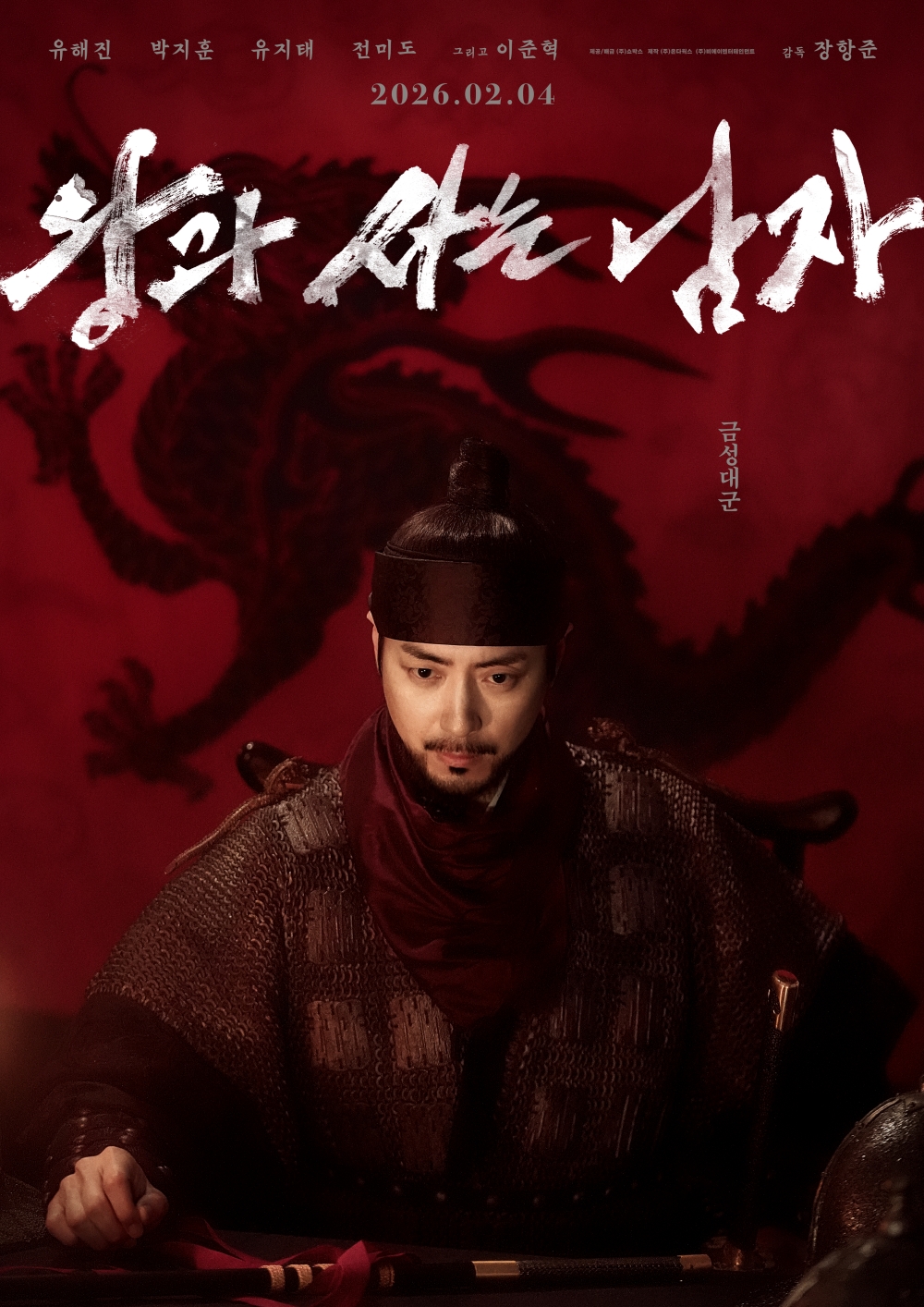
Lee Jun Hyuk as Grand Prince Geumseong.
“The King’s Warden” promises to be more than just a historical drama; it is an intimate exploration of human resilience, the devastating consequences of political ambition, and the unexpected bonds that form in the face of adversity. By focusing on the hidden stories and emotional landscapes of these pivotal characters, the film aims to offer a fresh and deeply moving perspective on a defining moment in Korean history.
Mark your calendars: “The King’s Warden” is slated to premiere in theaters on February 4, 2026. This cinematic journey into the heart of Joseon’s past is not to be missed.