



Echoes of Jeju: ‘My Name’ Unveils a Poignant Saga of Identity, Trauma, and Unspoken History
The cinematic landscape is poised to welcome a profoundly moving narrative with the upcoming film, “My Name,” which has just released its evocative first stills. More than just a coming-of-age story or a family drama, this film promises a deep dive into the intricate tapestry of personal identity interwoven with the indelible scars of national history. Set against the dual backdrops of 1998 and 1949, “My Name” embarks on a powerful exploration of how past tragedies ripple through generations, shaping individual lives and collective memory.
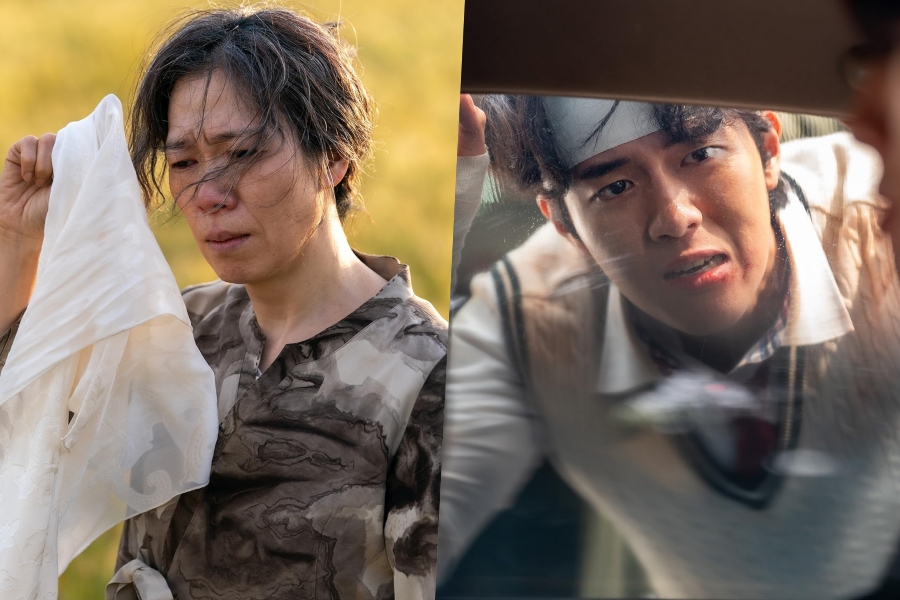
At its heart, “My Name” traces the parallel yet intrinsically linked journeys of an 18-year-old boy, Young Ok, and his mother, Jung Soon. Young Ok grapples with the burden of his “old-fashioned” name, a moniker that carries a weight he struggles to understand in the rapidly modernizing Korea of 1998. His desire to shed this name is not merely a youthful rebellion but a deeper yearning for an identity free from an inherited, unspoken past. Simultaneously, his mother, Jung Soon, embarks on a courageous and painful quest to unearth the long-suppressed memories of her childhood in Jeju during the tumultuous year of 1949. Her journey is one of confronting historical amnesia, piecing together fragments of a life brutally interrupted, and ultimately seeking a form of truth that has been denied for decades.
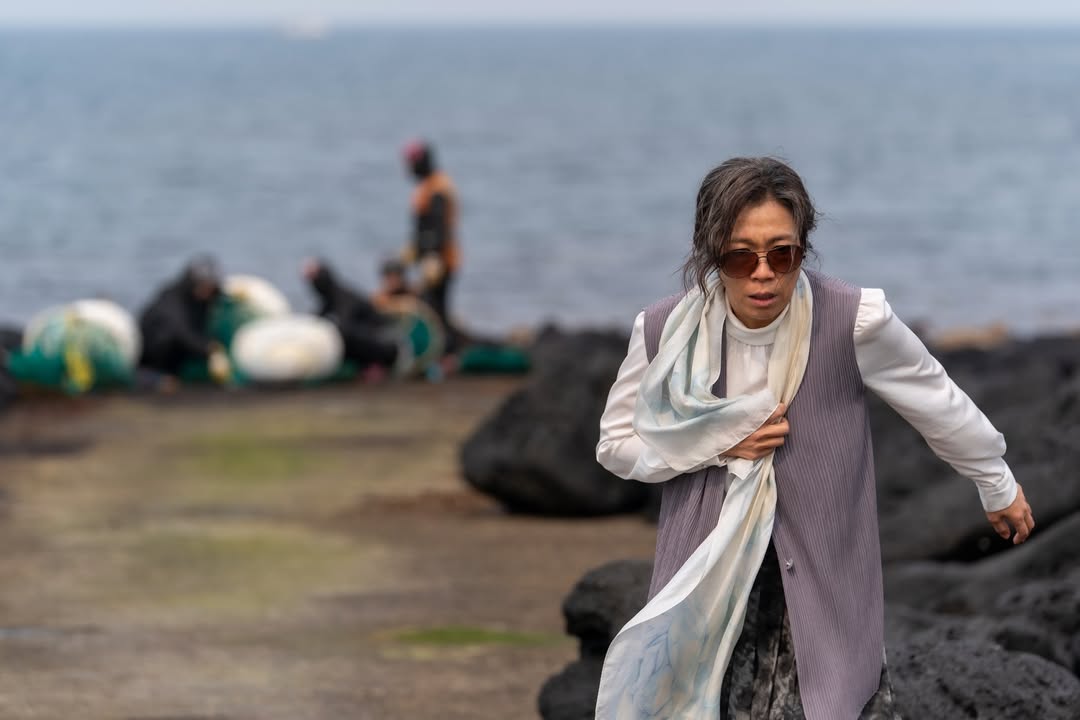
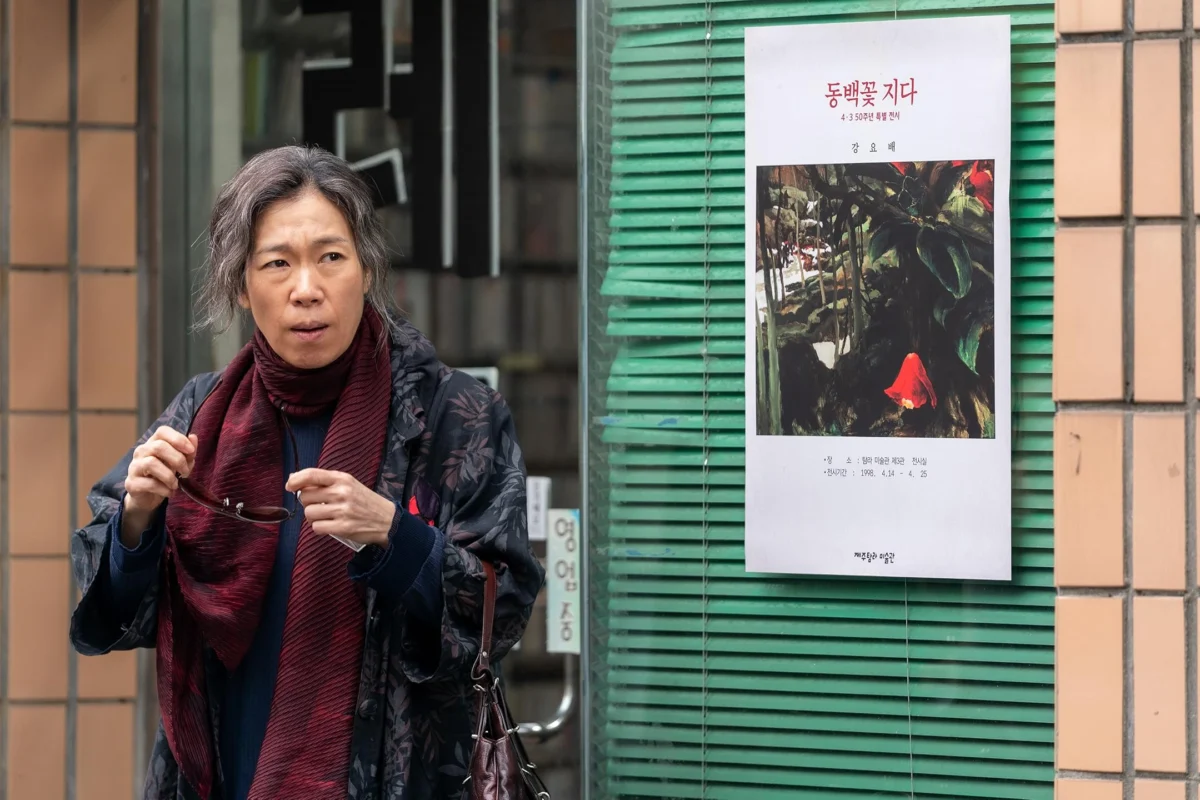
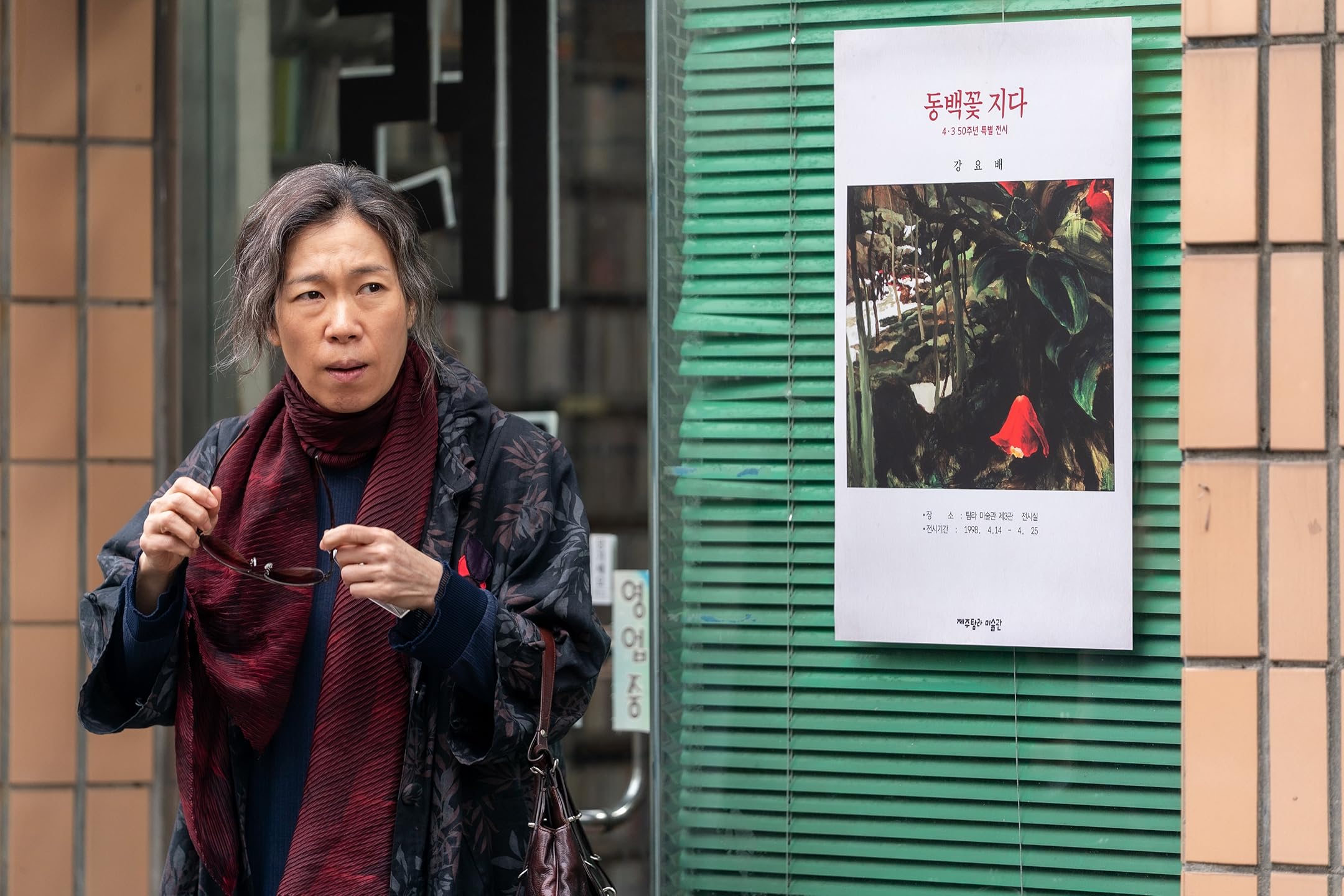
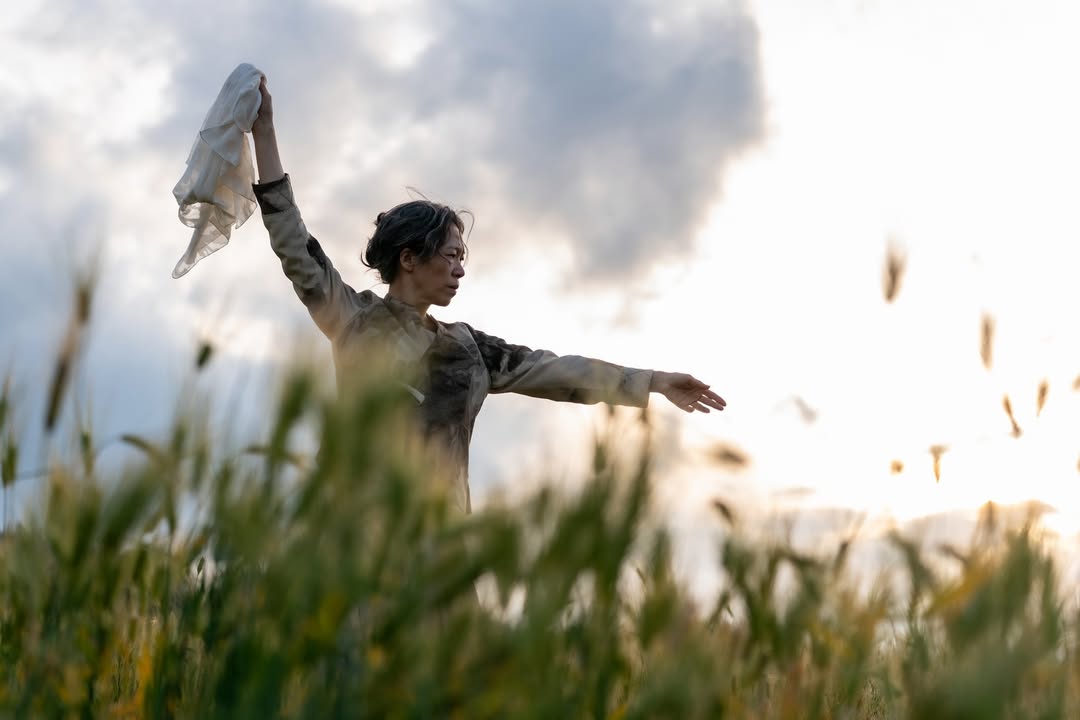
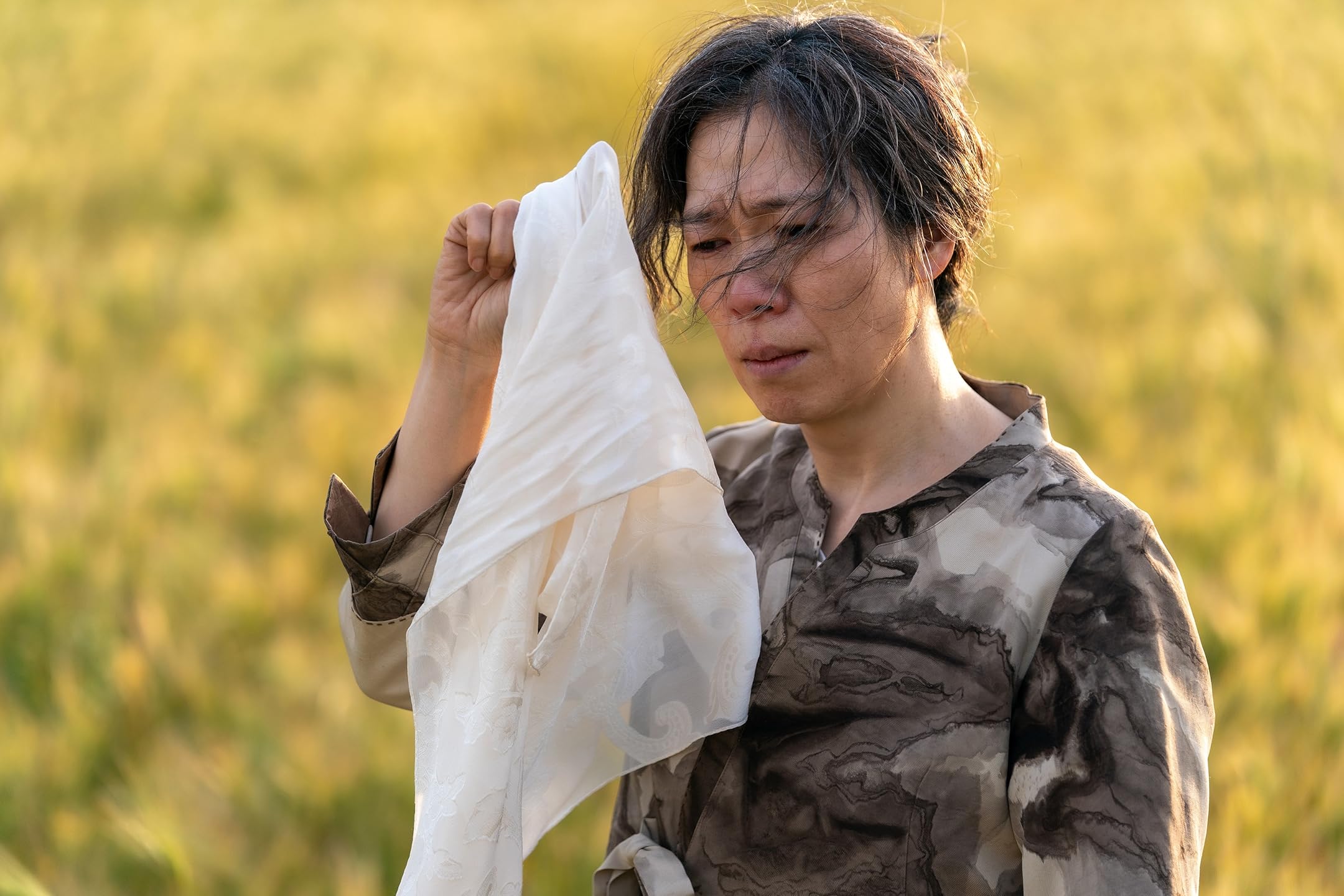
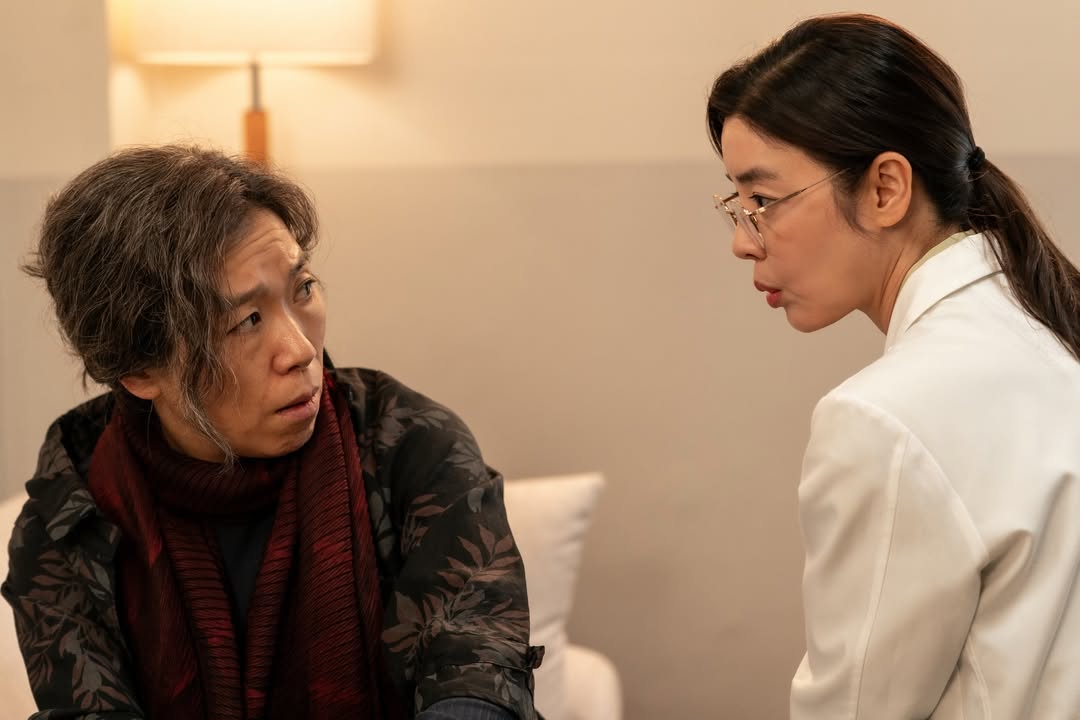
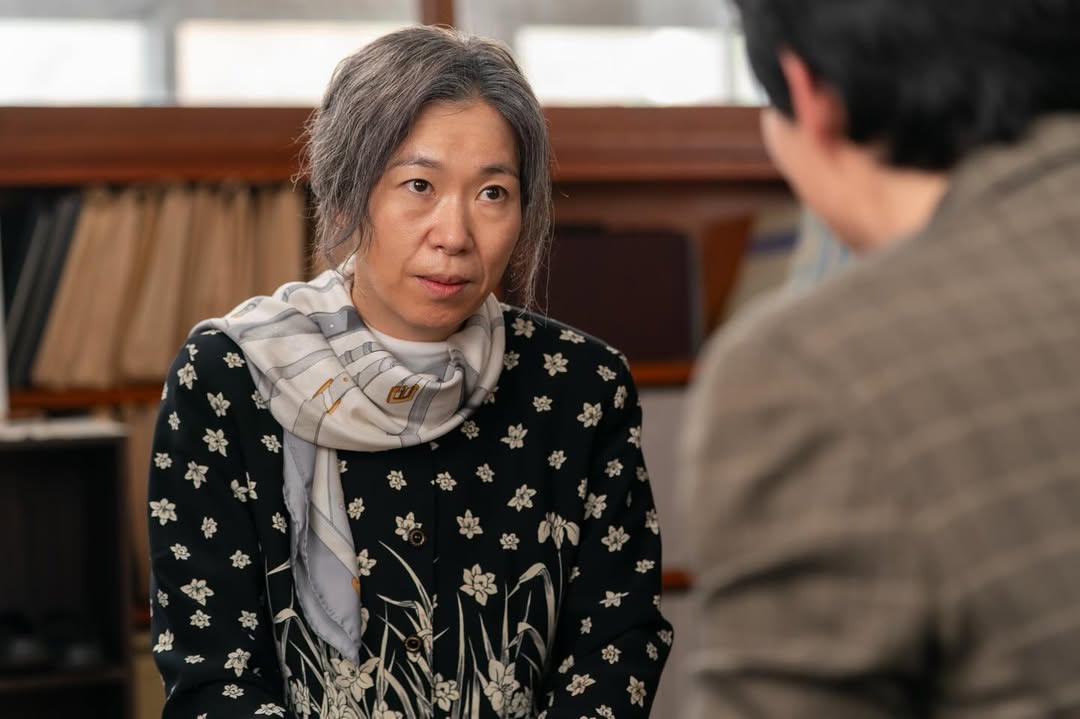
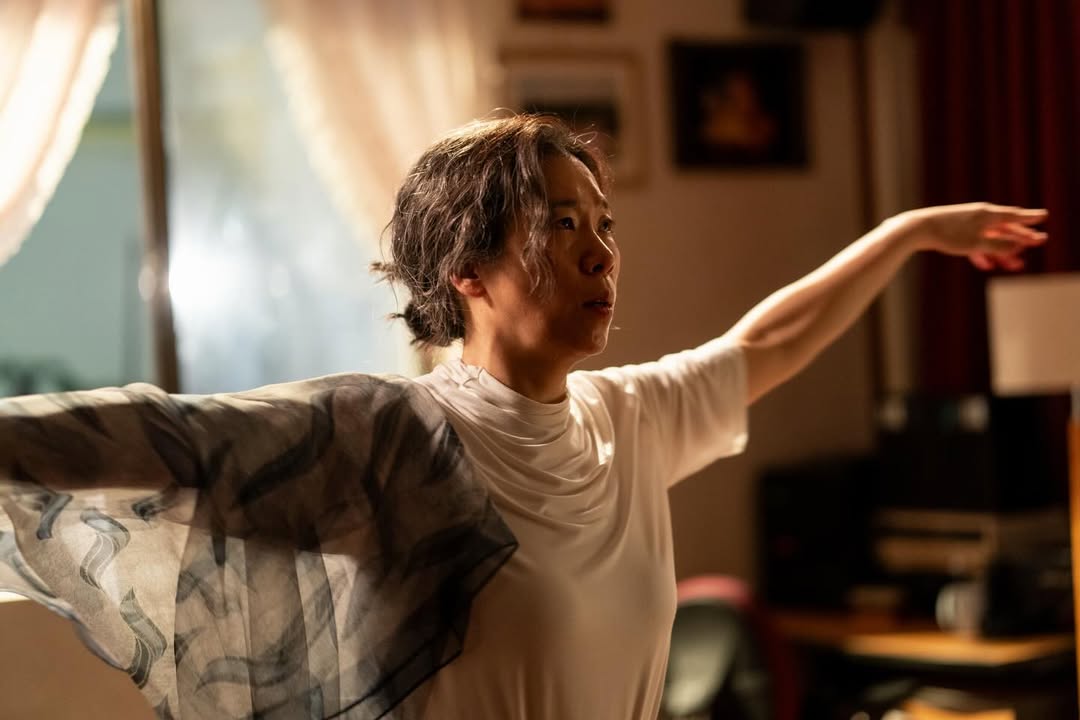
The recently unveiled stills offer a tantalizing glimpse into this emotionally charged narrative. They capture characters in moments that appear outwardly mundane, yet are charged with an undercurrent of profound inner turmoil. The visual storytelling hints at the film’s ability to portray the quiet suffering and resilience of individuals living with unresolved historical trauma. The images of Jung Soon, in particular, are strikingly poignant, juxtaposing her contemplative expressions against the serene and radiant natural beauty of Jeju Island. This visual contrast is deliberate and powerful, serving as a silent, yet stark, reminder of the horrific events that unfolded in the spring of 1949, casting a long shadow over the island’s picturesque landscape.
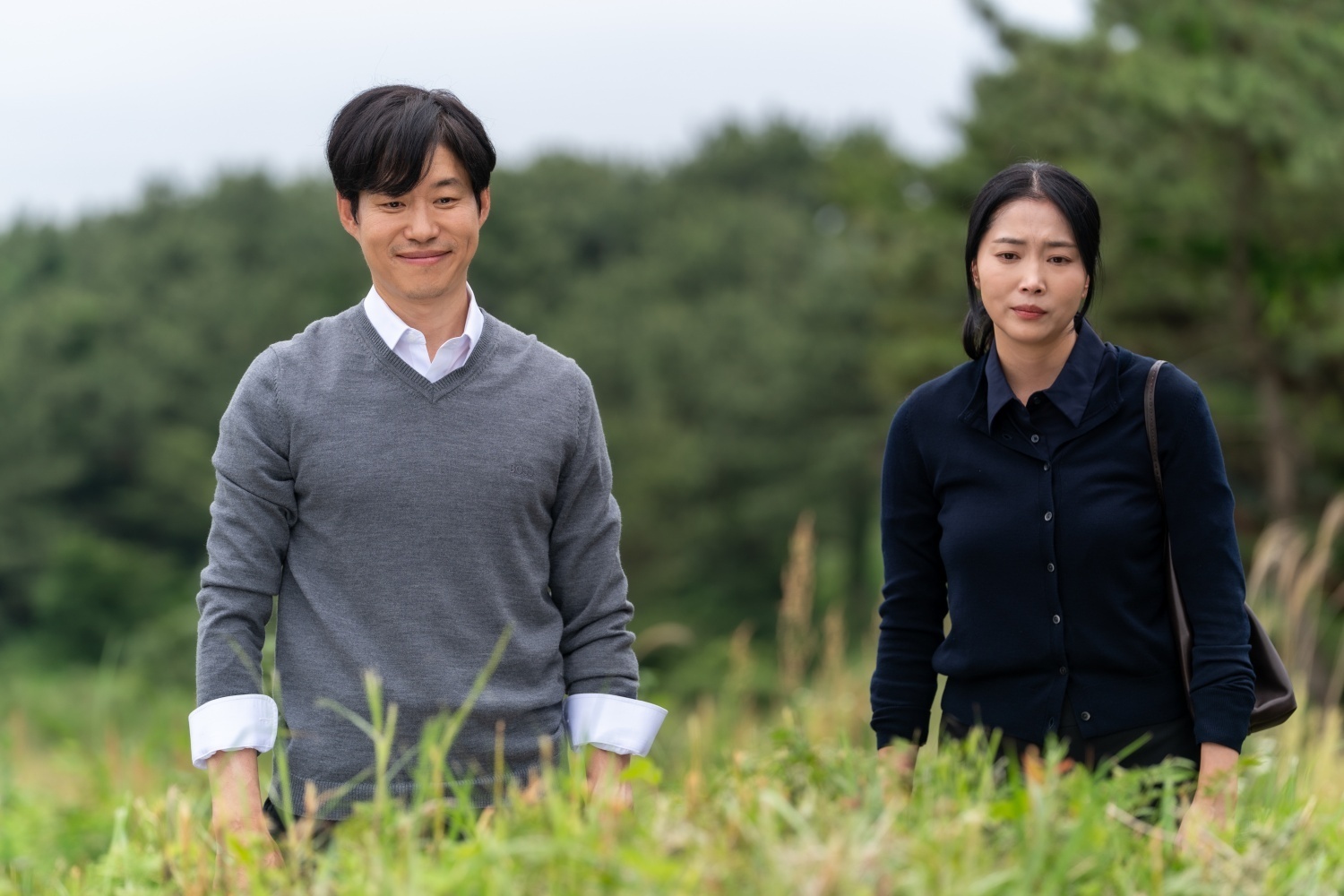
The Characters: Navigating Personal and Historical Currents
Shin Woo Bin as Young Ok: The Weight of a Name
Shin Woo Bin steps into the role of Young Ok, an adolescent burdened by a name that feels out of sync with his generation and the modernizing world around him. In Korean culture, names often carry deep meaning, reflecting hopes, lineage, or even historical periods. For Young Ok, his name is not just a label but a source of discomfort, possibly marking him as different or tied to a past he doesn’t understand. His struggle with identity is exacerbated by the social dynamics of his school life. He navigates a complex classroom environment alongside his loyal friend Min Soo (Choi Jun Woo) and the intriguing transfer student Kyung Tae (Park Ji Bin). The film suggests a “shifting classroom power dynamic” that creates a tense atmosphere, mirroring the broader societal anxieties and the lingering echoes of historical violence. This micro-level conflict within the school could be interpreted as a reflection of how larger historical injustices and social hierarchies manifest even in seemingly ordinary youthful interactions. Young Ok’s journey will likely explore themes of belonging, the search for self, and the often-unseen ways the past dictates the present.

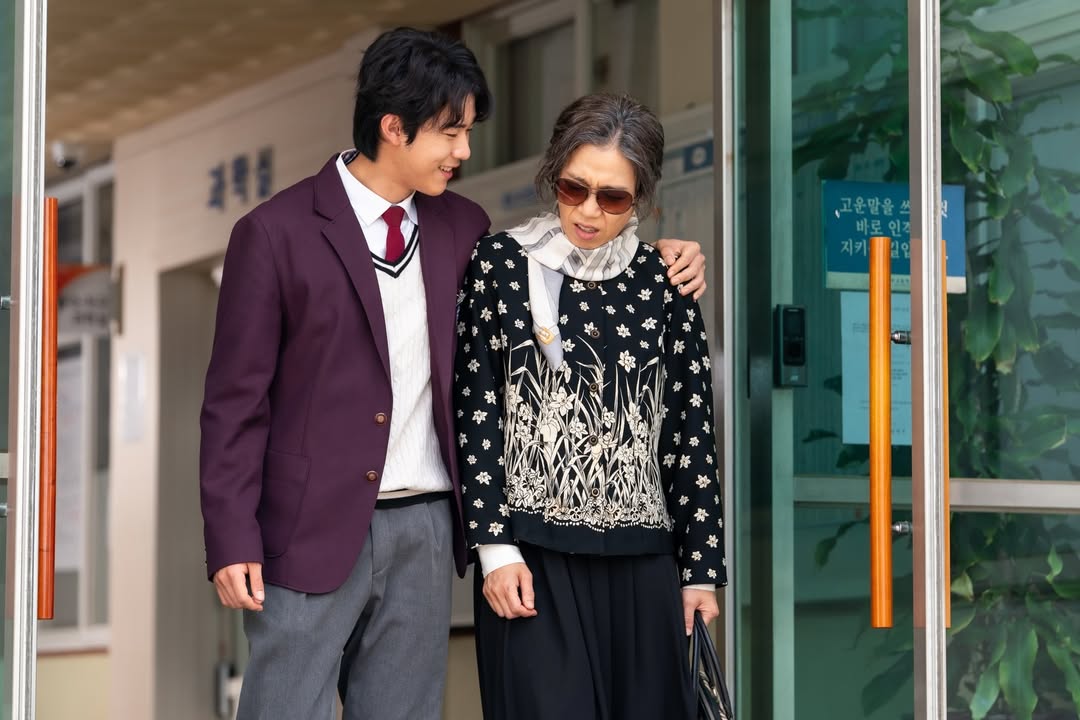
Yeom Hye Ran as Jung Soon: The Anchor of Memory
Veteran actress Yeom Hye Ran portrays Jung Soon, a resilient single mother whose strength and unwavering determination form the emotional core of “My Name.” Having raised Young Ok on her own, Jung Soon embodies the quiet fortitude often seen in women who have weathered life’s storms. Her personal narrative is deeply intertwined with the historical tragedy of Jeju, 1949. As she begins the arduous process of piecing together her “erased childhood” memories, she anchors the film’s profound mother-son dynamic. Her quest is not just for personal recollection but for a reclamation of identity and history that was forcibly suppressed. The stills featuring Jung Soon against the vibrant yet vulnerable landscapes of Jeju create a powerful visual metaphor. The island, a place of breathtaking beauty, also holds the trauma of a past marked by violence and silence. This contrast amplifies the quiet dignity and underlying sorrow of Jung Soon’s character, highlighting her role as a custodian of a history that demands to be remembered.
The Unspoken Past: Jeju and the Tragedy of 1949
Central to “My Name” is the historical backdrop of Jeju in 1949, a period intrinsically linked to the Jeju 4.3 Incident (April 3rd Incident). This catastrophic event, which began in 1948 and continued intensely through 1949, was a brutal anti-communist suppression by the South Korean government and right-wing militias. What started as an uprising against the division of Korea and perceived U.S. colonial rule escalated into a horrific massacre of Jeju islanders. Tens of thousands of civilians, including women, children, and the elderly, were killed, and countless others displaced, imprisoned, or tortured. Villages were razed, and the island’s population was decimated. For decades, mention of the Jeju 4.3 Incident was taboo, suppressed under successive authoritarian regimes as a ‘communist rebellion,’ with survivors and victims’ families living in fear and silence. The official acknowledgment and apology for the massacre only began to emerge in the late 1990s and early 2000s, making the film’s 1998 setting particularly resonant as a time when cracks in the wall of silence might have just begun to appear.
The film delves into how this “state violence” not only physically devastated a community but also psychologically scarred generations, forcing an entire history to be “endured in silence.” The “sorrowful promise made 78 years ago”—a promise that compelled Jung Soon to name her son “Young Ok”—is more than a personal anecdote. It symbolizes an identity that was stripped away, a heritage that was denied, and a collective trauma that permeated the very fabric of life on Jeju. The name Young Ok, therefore, transforms from a mere “old-fashioned” label into a profound testament to resilience, remembrance, and the unyielding human spirit’s desire for justice and truth.
Themes of Identity, Memory, and Intergenerational Healing
“My Name” is poised to be a cinematic exploration of several profound themes pertinent to contemporary society, particularly for women-focused audiences who appreciate narratives rich in emotional intelligence and social commentary. The film’s examination of identity, particularly through Young Ok’s struggle with his name, resonates with universal experiences of self-discovery and the desire to forge one’s own path amidst inherited expectations. For many, a name is not merely an identifier but a carrier of history, family legacy, and societal perception. Young Ok’s journey represents the modern struggle to reconcile personal aspirations with the weight of the past.
Moreover, the film champions the often-overlooked resilience of women like Jung Soon. Her brave endeavor to retrieve “long-forgotten memories” speaks to the strength required to confront deep-seated trauma, not just for personal healing but for the sake of future generations. Her character embodies the quiet heroism of those who choose to break cycles of silence, transforming their pain into a pathway for understanding and reconciliation. This mother-son narrative transcends individual stories, becoming a powerful metaphor for a nation grappling with its own difficult history, demonstrating how personal healing is intrinsically linked to collective remembrance.
The concept of intergenerational trauma is another crucial element. Even if Young Ok doesn’t consciously understand the historical weight of his name or his mother’s past, the film implies that the trauma of 1949 has subtly shaped his life, his identity, and his interactions. This nuanced portrayal of how historical events, even when suppressed, continue to impact subsequent generations offers a vital lens through which to understand societal behaviors, individual anxieties, and the persistent quest for truth. The film suggests that true healing can only begin when these hidden histories are brought into the light, allowing for acknowledgment, empathy, and ultimately, a more complete sense of self and community.
“My Name” is scheduled to arrive in theaters on April 15, promising an emotionally gripping and historically significant cinematic experience that will undoubtedly spark conversation and reflection.
For those eager to witness Yeom Hye Ran’s compelling performances, she can currently be seen in “Law and The City” on Viki:
<a href="https://www.viki.com/tv/40998c?utm_source=soompi&utm_medium=film&utm_campaign=yeom-hye-ran-and-shin-woo-bin-are-mother-and-son-
You May Also Like



More From Author

Comedy Titan Greg Davies to Helm BAFTA TV Awards 2026 Amidst Renewed Scrutiny for British Television’s Premier Night