

The critically acclaimed martial arts epic, Twilight of the Warriors: Walled In, a cinematic adaptation of Yu Yi’s novel Kowloon Walled City and Andy Seto’s manga of the same name, has not only captivated audiences and critics alike but is also forging ahead with ambitious plans for a connected universe. The film, released on May 1, 2024, achieved a significant box office milestone, surpassing HK$100 million, and went on to dominate the 43rd Hong Kong Film Awards, clinching an impressive nine accolades, including the coveted Best Film and Best Director awards for Soi Cheang. Building on this monumental success, the production team has confirmed that not one, but two follow-up films are in development: Dragon Throne, a prequel, and The Final Chapter, a sequel. Director Soi Cheang has revealed that the team intends to commence filming for the sequel this year, signaling a swift progression in bringing the expanded narrative to the screen.
However, the path to realizing The Final Chapter has encountered an unexpected turn, necessitating a significant casting adjustment. Initially, Japanese superstar Takuya Kimura was slated to play a pivotal role in the sequel. Reports from last year indicated that Kimura had enthusiastically embraced the project, receiving the script and even commencing training, marking a potential return to Hong Kong cinema for the first time since his appearance in Wong Kar-wai’s celebrated 2004 film 2046. The narrative of The Final Chapter was reportedly designed to place a strong emphasis on the quartet of characters known as the "Kowloon Four" – portrayed by Raymond Lam, Terrance Lau, German Cheung, and Tony Wu – with Kimura’s character envisioned to have extensive on-screen interactions with this core group. This strategic casting choice was seen as a powerful move to leverage the film’s burgeoning popularity in Japan, where Twilight of the Warriors: Walled In had already achieved considerable commercial success, earning over 500 million yen and significantly boosting the profiles of its Hong Kong stars, Raymond Lam and Terrance Lau. Director Soi Cheang had long expressed a desire to integrate Japanese elements into the sequel, making Kimura’s involvement a particularly exciting prospect for fans and industry observers alike.

The highly anticipated collaboration between Kimura and the Twilight of the Warriors franchise, however, has been brought to an abrupt halt, a consequence of escalating geopolitical tensions that have cast a shadow over international cultural exchanges. The ripple effects of these complex global dynamics have become increasingly apparent in the entertainment sphere. Notably, Japanese pop icon Ayumi Hamasaki’s concert in Shanghai was suddenly cancelled, an event that underscored the sensitivity of cross-border cultural events in the current climate. Similarly, Raymond Lam’s planned concerts in Tokyo, originally scheduled for this year, faced an eventual postponement, officially attributed to "various factors under consideration." These incidents, while not directly linked to the film’s production, created an environment of uncertainty and potential complications for international collaborations.
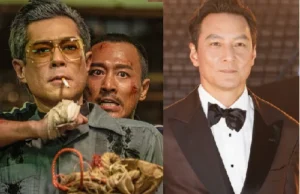
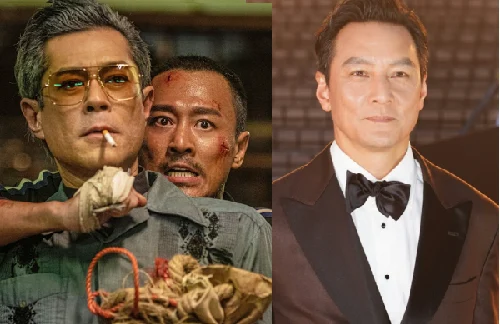
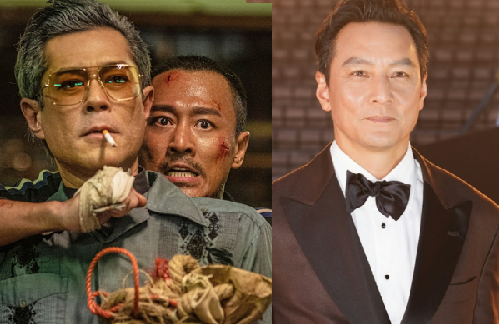
In light of these evolving circumstances, the production team behind Twilight of the Warriors made the difficult but pragmatic decision to discontinue their collaboration with Takuya Kimura. The need to navigate the complexities of international relations and ensure the smooth progression of the sequel necessitated a casting revision. Stepping into the significant role vacated by Kimura is acclaimed actor Daniel Wu, who is currently based in the United States. This marks a significant return to the Hong Kong film industry for Wu, who had recently made his own return to Hong Kong in 2024 to film Cold War 1994, further cementing his enduring connection to the region’s cinematic landscape. Wu’s participation is expected to bring a fresh dynamic to the burgeoning Twilight of the Warriors universe, seamlessly integrating him into the narrative’s overarching vision.
The success of Twilight of the Warriors: Walled In can be attributed to its visceral portrayal of the notorious Kowloon Walled City, a densely populated, lawless enclave that existed in Hong Kong for decades. The film masterfully recreated the oppressive atmosphere and the intricate social fabric of this unique historical anomaly, transforming it into a character in its own right. Director Soi Cheang, known for his gritty and visually striking directorial style, brought to life the complex web of loyalties, rivalries, and survival instincts that defined life within the Walled City’s confines. The film’s narrative, which centers on a group of vigilantes fighting against a ruthless triad gang, resonated deeply with audiences, drawing parallels to classic Hong Kong action cinema while offering a fresh, modern sensibility. The meticulous set design, breathtaking fight choreography, and compelling performances by the ensemble cast all contributed to its critical and commercial triumph.
The decision to expand the universe with a prequel and a sequel demonstrates a clear ambition by the filmmakers to explore the rich mythology and characters introduced in the first installment. The prequel, Dragon Throne, promises to delve into the origins of the Kowloon Walled City and the power structures that governed it, potentially shedding light on the historical context that shaped the events of Walled In. This would allow for an exploration of the societal conditions and the rise of criminal elements that ultimately led to the Walled City’s infamous reputation. The prequel could explore the early days of the Walled City’s development, its unique administrative vacuum, and the emergence of the powerful syndicates that would come to control its destiny. It might also introduce key figures whose actions would have long-lasting repercussions, setting the stage for the conflicts depicted in the first film.
Meanwhile, The Final Chapter is poised to continue the saga, delving deeper into the lives and struggles of the characters who fought for survival and justice within the Walled City’s oppressive walls. The focus on the "Kowloon Four" in the sequel suggests a narrative that will further explore their individual journeys, their bonds of brotherhood, and their continued fight against the forces that threaten their community. The inclusion of a new antagonist, or the re-emergence of familiar adversaries, will undoubtedly provide ample opportunities for thrilling action sequences and compelling character development. The sequel could explore the aftermath of the events in Walled In, examining how the characters have been impacted and what new challenges they face as they strive to maintain peace or seek further retribution. The "Kowloon Four" have already established themselves as formidable heroes, and their continued adventures are sure to be met with eager anticipation.
The shift in casting for The Final Chapter, while unexpected, highlights the dynamic nature of filmmaking and the challenges that can arise in ambitious international productions. Takuya Kimura’s potential involvement was a significant draw, promising a high-profile collaboration that could have further elevated the franchise’s global reach. His dedication to the role, evident in his preparation, underscored his commitment to the project. However, the increasingly complex geopolitical landscape has undeniably influenced cross-border entertainment endeavors. The postponement of Raymond Lam’s concerts in Japan, a clear indication of the broader impact, likely played a role in the production team’s decision-making process. The need for stability and predictability in production timelines is paramount, and external factors that could jeopardize these elements often necessitate difficult choices.
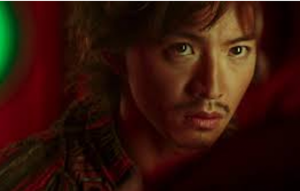
Daniel Wu’s entry into the Twilight of the Warriors universe is a welcome development for fans of Hong Kong cinema. Wu, a highly respected actor known for his versatility and charisma, brings a wealth of experience and a strong international presence to the franchise. His previous work in Hong Kong, including his role in the critically acclaimed Cold War series, has established him as a formidable talent capable of delivering powerful performances in action-oriented dramas. His presence in The Final Chapter is expected to add a new layer of depth and intensity to the narrative, and his interactions with the existing cast are likely to be a major draw. Wu’s established fanbase and his ability to command the screen will undoubtedly contribute to the sequel’s appeal, both domestically and internationally. His transition to the Twilight of the Warriors saga represents a significant moment for the franchise, injecting a new star power into its expanding narrative.
The success of Twilight of the Warriors: Walled In has set a high bar for its successors. The film’s ability to blend intense action with compelling storytelling and a rich historical setting has garnered widespread praise. The critical acclaim and box office performance have not only validated the creative vision of Soi Cheang and his team but have also demonstrated a strong market appetite for this genre of filmmaking. The decision to forge ahead with a prequel and a sequel indicates a long-term commitment to building a cohesive and engaging cinematic universe. The challenges encountered in casting the sequel, while significant, are a testament to the project’s ambition and its desire to achieve the highest possible standard. The ultimate goal remains to deliver high-quality entertainment that honors the legacy of the Kowloon Walled City and captivates audiences worldwide. The journey of Twilight of the Warriors is far from over, and the upcoming installments promise to be as thrilling and impactful as the film that started it all. The strategic casting of Daniel Wu signifies the production’s resilience and its unwavering commitment to delivering a compelling narrative, even in the face of unforeseen global complexities. The expansion of this cinematic world is poised to offer a deeper dive into the intricate history and enduring spirit of the Kowloon Walled City, further solidifying its place in cinematic history.