





“The King’s Warden” Becomes First Korean Film In Nearly 2 Years To Surpass 10 Million Moviegoers
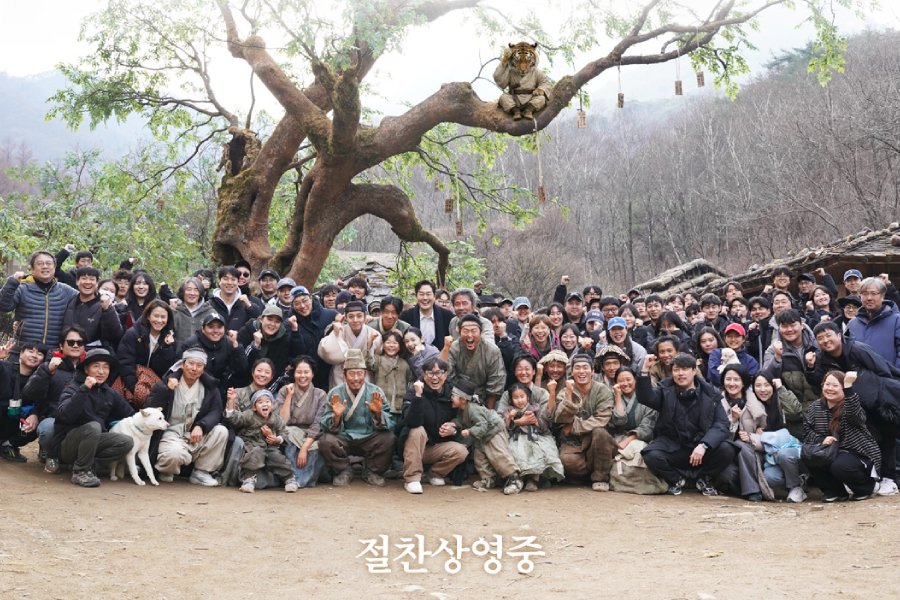
In a powerful testament to the enduring appeal of historical epics and compelling storytelling, the critically acclaimed film “The King’s Warden” has officially crossed the monumental threshold of 10 million moviegoers. This remarkable achievement, reached just 31 days after its initial release, signals a vibrant resurgence in the Korean cinematic landscape and solidifies the film’s place among the nation’s most beloved blockbusters. As of 6:30 p.m. KST on March 6, the Korean Film Council confirmed that the historical drama, which premiered on February 4, had amassed a staggering cumulative viewership, marking a significant milestone for the industry.
The 10-million admissions mark in South Korea is more than just a number; it’s a cultural phenomenon, a badge of honor that distinguishes a film as a true national hit. For “The King’s Warden,” this accomplishment places it in an elite club as only the 25th Korean film in history to reach such heights. This exclusive list represents the pinnacle of box office success, films that have not only captivated audiences but also often left an indelible mark on popular culture and critical discourse. The journey to this milestone is a challenging one, requiring a potent combination of compelling narrative, exceptional performances, strong word-of-mouth, and sustained audience interest, all of which “The King’s Warden” has demonstrated in spades.
A Post-Pandemic Box Office Beacon
The success of “The King’s Warden” carries even greater weight in the context of the global pandemic’s profound impact on the entertainment industry. The COVID-19 era dealt a severe blow to cinemas worldwide, with prolonged closures, capacity restrictions, and audience hesitancy reshaping movie-watching habits. South Korea’s film industry, known for its dynamic output and robust domestic market, was not immune to these challenges. However, “The King’s Warden” stands as a powerful symbol of recovery and resilience, becoming only the sixth film since the pandemic began to surpass the 10 million admissions mark. This achievement underscores a renewed confidence among moviegoers to return to theaters for captivating cinematic experiences.
Moreover, the film’s triumph is particularly noteworthy given the recent dominance of established franchises. Excluding the three immensely popular installments of “The Roundup” series, “The King’s Warden” is only the third standalone Korean film since the pandemic to achieve this feat. It follows in the successful footsteps of “12.12: The Day” and “Exhuma,” both of which garnered widespread critical acclaim and massive public appeal. The ability of a non-franchise film to draw such a vast audience speaks volumes about its inherent quality and universal resonance, proving that original stories with strong foundations can still capture the collective imagination of a nation.
Adding another layer to its historical significance, “The King’s Warden” is the first Korean film in approximately 22 months to cross the 10 million threshold since “The Roundup: Punishment” achieved the feat in May 2024. This extended period without a new film reaching such a monumental viewership figure outside of a major franchise further highlights the singular impact and broad appeal of “The King’s Warden.” It represents a fresh wave of excitement and demonstrates that the Korean film industry is not only recovering but thriving with diverse storytelling.
The Enduring Allure of the Sageuk: A Historical Deep Dive
Beyond its general box office success, “The King’s Warden” has made a significant mark within the beloved “sageuk” genre – Korean historical dramas. It is only the fourth historical film in Korean cinematic history to surpass 10 million admissions, joining an esteemed pantheon that includes “The King and the Clown,” “Masquerade,” and “The Admiral: Roaring Currents.” This places “The King’s Warden” among the most impactful historical narratives ever brought to the Korean big screen, a testament to its ability to transcend time and connect with modern audiences.
The sageuk genre holds a special place in the hearts of Korean audiences, offering a window into the nation’s rich past, its complex political intrigues, societal structures, and the personal struggles of historical figures. These films often blend grand spectacle with intimate human drama, exploring themes of loyalty, betrayal, justice, sacrifice, and the relentless pursuit of power. From the opulent palaces of the Joseon Dynasty to the battlefields where national heroes made their stand, sageuks provide both an educational and emotionally resonant experience.
“The King and the Clown” (2005) was a groundbreaking film that not only became the first domestic film to surpass 10 million admissions in South Korea but also brought to light a nuanced exploration of power, artistry, and forbidden love within the Joseon court. “Masquerade” (2012) captivated audiences with its tale of a commoner impersonating a king, offering a compelling narrative on leadership, identity, and the weight of the crown. “The Admiral: Roaring Currents” (2014) remains the highest-grossing film in Korean history, a patriotic epic that depicted Admiral Yi Sun-sin’s legendary naval victory against seemingly insurmountable odds, inspiring a profound sense of national pride. “The King’s Warden” now joins these iconic films, demonstrating its own unique power to engage and move a nation through its historical narrative.
Unveiling “The King’s Warden”: A Story of Tragedy and Resilience
Set against the backdrop of the tumultuous Joseon Dynasty, “The King’s Warden” delves into a particularly poignant chapter of Korean history, focusing on the tragic fate of King Danjong. Portrayed with nuanced depth by Park Ji Hoon, Danjong was the sixth king of Joseon, a young monarch whose reign was tragically cut short by political machinations. The film meticulously details his betrayal by his own uncle, Prince Suyang (later King Sejo), leading to his dethronement and eventual exile to the remote and desolate Cheongnyeongpo in Yeongwol, Gangwon Province. This period of Joseon history is rife with dramatic tension, as the struggle for power pitted family against family and led to profound personal sacrifices.
The heart of “The King’s Warden” lies in the unexpected encounter between the exiled young king and Eom Heung Do, the pragmatic yet principled head of the local village, brought to life by the masterful Yoo Hae Jin. This unlikely pairing forms the emotional core of the narrative, exploring themes of human connection, compassion, and resilience in the face of overwhelming adversity. Eom Heung Do, as the titular “warden,” represents the common people’s perspective on royal tragedy, offering a grounded counterpoint to the high-stakes political drama. Their interactions are central to the film’s exploration of duty, morality, and the quiet courage found in ordinary lives amidst extraordinary circumstances. The film masterfully weaves together historical accuracy with compelling character development, allowing audiences to connect deeply with the plight of the young king and the steadfast spirit of his protector.
The Powerhouse Ensemble Cast
The success of “The King’s Warden” is undeniably propelled by its stellar ensemble cast, a lineup of some of Korea’s most respected and talented actors. Each performer brings a unique depth to their role, creating a rich tapestry of characters that resonate with audiences.
Yoo Hae Jin, a veteran actor celebrated for his incredible versatility, anchors the film with his portrayal of Eom Heung Do. Known for his ability to seamlessly transition between comedic and intensely dramatic roles, Yoo Hae Jin brings a grounded authenticity and understated strength to the character of the village head. His performances often resonate with a profound humanity, making him a beloved figure in Korean cinema. In “The King’s Warden,” his portrayal of a commoner thrust into the protection of a dethroned king provides a compelling humanistic perspective on the royal tragedy, highlighting the simple virtues of loyalty and empathy.
Park Ji Hoon, transitioning from a successful career as an idol, delivers a breakout performance as King Danjong. His sensitive and nuanced portrayal of the young, tragic monarch has garnered significant praise, showcasing his growing prowess as a serious dramatic actor. This role marks a significant milestone in his acting journey, proving his capability to tackle complex historical characters with depth and conviction. His previous work, such as in “Weak Hero Class 1,” hinted at his dramatic potential, which “The King’s Warden” fully realizes.
The film further boasts an impressive supporting cast, each contributing significantly to the narrative’s texture and emotional weight:

- Yoo Ji Tae: A charismatic and powerful actor, Yoo Ji Tae often excels in portraying complex, authoritative figures. His presence adds a layer of gravitas and intensity to the film, likely in a role that challenges or influences the central conflict.
- Jeon Mi Do: Widely recognized for her captivating performances in dramas like “Hospital Playlist,” Jeon Mi Do is known for her ability to convey deep emotion and intelligence. Her involvement suggests a character that is both strong and emotionally resonant, potentially offering a female perspective within the male-dominated political landscape.
- Lee Jun Hyuk: A versatile actor who has impressed in various genres, Lee Jun Hyuk brings a distinct intensity and presence to his roles. His character would undoubtedly contribute to the intricate web of alliances and conflicts surrounding King Danjong.
- Kim Min: While perhaps a newer face to some, Kim Min’s inclusion signifies a growing talent within the industry, adding fresh energy and a compelling performance to the ensemble.
- Ahn Jae Hong: Known for his charming and often comedic roles, Ahn Jae Hong’s presence suggests a character who might provide moments of levity or a relatable perspective amidst the heavier historical drama, showcasing his range.
The collective talent of this cast ensures that every interaction and every scene is imbued with genuine emotion and dramatic weight, drawing audiences deeper into the historical narrative and the personal struggles of its characters. Their chemistry and individual strengths are a major factor in the film’s critical and commercial triumph.
Beyond the Numbers: Cultural Impact and Future Prospects
The extraordinary success of “The King’s Warden” extends far beyond its impressive box office numbers. It represents a significant cultural moment, reaffirming the power of Korean cinema to tell compelling stories that resonate deeply with its audience. For a women-focused entertainment site, this film’s triumph highlights several key aspects: the appeal of strong narratives, whether historical or contemporary; the draw of nuanced character portrayals, particularly by actors like Park Ji Hoon and Jeon Mi Do who bring depth to their roles; and the power of emotional storytelling that explores universal themes of loyalty, resilience, and human connection.
The film’s ability to engage such a broad demographic, including a significant female audience often drawn to character-driven narratives and emotionally rich plots, underscores its universal appeal. It demonstrates that well-crafted historical dramas, when executed with precision and passion, can transcend genre limitations and become a shared cultural experience.
This success also bodes well for the future of Korean filmmaking, encouraging studios to invest in diverse stories and original content, rather than solely relying on established franchises. It proves that audiences are eager for fresh narratives and are willing to support films that offer both entertainment and thought-provoking substance. “The King’s Warden” has not only captured the hearts of millions but has also set a new benchmark for quality and commercial viability in the post-pandemic era, cementing its legacy as a landmark Korean film.
Congratulations to the Visionaries
The entire cast and crew of “The King’s Warden” deserve immense congratulations for this monumental achievement. Their dedication, talent, and hard work have culminated in a cinematic masterpiece that has captivated a nation and reaffirmed the enduring power of storytelling. This success is a testament to their collective vision and commitment to bringing a compelling piece of Korean history to life on the big screen.