



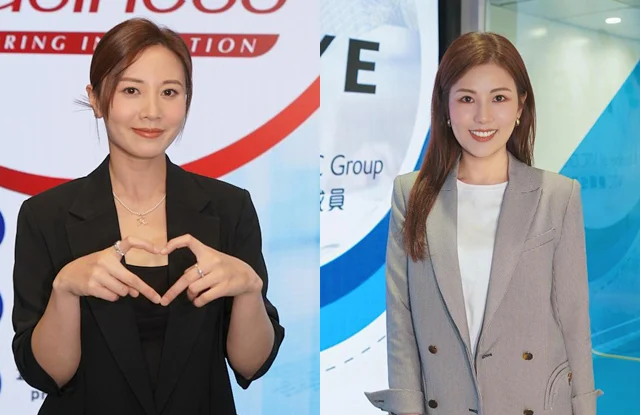
In a candid and inspiring session, TVB luminaries Rebecca Zhu and Osanna Chiu recently stepped away from the dazzling lights of the entertainment world to impart invaluable wisdom to the next generation of talent. The duo served as guest lecturers at the Hong Kong Institute of Vocational Education (IVE), captivating a room full of eager students with a two-hour deep dive into the often tumultuous, yet rewarding, landscape of the performing arts. Their distinct journeys into the industry – Zhu’s triumphant win at the Miss Hong Kong pageant and Chiu’s path through an artiste training program – provided a rich tapestry of experiences, offering students a multifaceted perspective on what it truly takes to succeed.
Rebecca Zhu, a familiar face on Hong Kong television, revealed with a disarming laugh that her initial motivation for entering the Miss Hong Kong pageant stemmed from financial necessity. "I was broke," she admitted with a wry smile, a confession that likely resonated with many of the students facing their own career aspirations. This practical driver, however, was coupled with a significant personal hurdle: her Cantonese language skills. The 38-year-old beauty queen candidly shared the immense challenges she faced, particularly with speech, during the competitive pageant. "The biggest challenge was speech for me," Zhu recounted. "I had the courage to stand on that stage because I needed to make a living. I knew that if I didn’t at least try, then I would surely fail."
Her entry into the pageant was not born from a lifelong dream of stardom, but rather a pragmatic decision to secure her future. At the time, she confessed, she had a limited understanding of the entertainment industry and lacked fundamental skills. "I didn’t even know how to pose!" she exclaimed, eliciting chuckles from the audience. Despite these initial handicaps, Zhu emphasized the profound gratitude she felt for the support she received from the Hong Kong community. "During my pageantry, I had a lot of local Hong Kong women help me along the way. They helped me practice my Cantonese. I continue to keep in touch with a lot of them today." This network of support was crucial, especially as she navigated the complex expectations of the competition. Even her parents expressed reservations, urging her to withdraw due to the controversial swimsuit segment. Yet, Zhu’s resolve remained unshaken. "My parents begged me withdraw from the competition because of the swimsuit segment, but I wanted to persevere and push through," she stated, highlighting her determination to overcome personal and societal obstacles.
The early days of Zhu’s acting career were not without their stumbles. She candidly admitted to making numerous amateur mistakes on set, including inadvertently blocking cameras during filming – a common pitfall for newcomers. However, the most stinging blows came from the public’s critical reception. "All I did was cry," she confessed, a raw admission of vulnerability that underscored the emotional toll of public scrutiny. It was through this crucible of criticism that Zhu gradually developed a thicker skin, learning the invaluable lesson of detaching herself from negative online commentary. This resilience, she impressed upon the students, is as vital as talent itself in the demanding world of entertainment.
In contrast to Zhu’s pageant trajectory, Osanna Chiu embraced her passion for acting through a more structured educational route. Chiu expressed her admiration for Zhu’s bravery, admitting that the intense pressure of a beauty pageant was something she could never envision enduring. "As artistes, we have to keep giving the audience a sense of freshness and newness. It’s a big challenge," Chiu stated, drawing a parallel to the evolving demands on performers. Her enrollment in an artiste training program provided a solid foundation, but the rapid advancements in technology have presented her with a new set of anxieties.
Chiu voiced a palpable concern about the encroaching influence of artificial intelligence (AI) on the acting profession. "There’s AI-generated dramas now where all the actors and actresses are AI," she observed, her tone laced with a mixture of awe and apprehension. "Perhaps in the future, there wouldn’t be a need for human actors at all!" This sentiment speaks to a growing unease within creative industries worldwide, as AI technologies become increasingly sophisticated in generating content that mimics human creativity. Chiu’s foresight serves as a stark reminder to aspiring artists that adaptability and continuous innovation will be paramount to their survival and success in an ever-changing landscape. The implication for students was clear: they must not only hone their craft but also cultivate a mindset that embraces lifelong learning and embraces new technologies rather than fearing them.

The session provided more than just anecdotes; it offered a profound insight into the psychological fortitude required for a career in entertainment. Both actresses underscored the importance of self-belief and perseverance in the face of adversity. Zhu’s journey from financial struggle and linguistic challenges to pageant victory and a successful acting career serves as a testament to the power of sheer determination. Her willingness to embrace vulnerability and share her struggles resonated deeply, humanizing the often-glamorized image of celebrity. She illustrated that behind the polished facades are individuals who have faced doubts, made mistakes, and learned to navigate the harsh realities of public life.
Chiu, on the other hand, represented a different but equally valid path to artistic fulfillment. Her focus on formal training and her thoughtful contemplation of future industry trends highlighted the need for strategic career planning and an awareness of the broader technological and cultural shifts impacting the arts. Her concerns about AI are not merely speculative; they reflect a genuine apprehension felt by many within creative fields who are grappling with the implications of automation and algorithmic content generation. This part of her message encouraged students to think critically about their unique value as human artists and to consider how they can leverage their innate creativity and emotional intelligence in ways that AI cannot replicate.
The dialogue between the two actresses also highlighted the diverse nature of talent and opportunity within the entertainment industry. While Zhu’s success was initially propelled by a widely publicized competition, Chiu’s path demonstrates that a dedicated pursuit of craft through training and continuous skill development can lead to equally rewarding outcomes. This duality is crucial for students to understand, as it broadens their perception of what constitutes a "successful" career in the arts. It’s not just about winning a crown or landing a leading role; it’s about finding a sustainable and fulfilling way to express one’s artistic vision.
Furthermore, the session served as a valuable masterclass in media literacy and public relations for the aspiring talents. Zhu’s experience with negative criticism and her subsequent strategy of selective engagement offered practical advice on managing one’s public image and emotional well-being in the digital age. In an era where social media amplifies every opinion, learning to filter constructive feedback from baseless negativity is an essential survival skill for any public figure. Her advice to "toughen up" and consciously avoid reading harmful comments is a pragmatic approach to maintaining mental health in the face of constant online scrutiny.
Chiu’s forward-looking perspective on AI also implicitly urged students to consider the long-term evolution of their chosen field. The entertainment industry is in constant flux, driven by technological innovation and changing audience preferences. Those who can anticipate these shifts and adapt their skill sets accordingly will be best positioned to thrive. This might involve exploring new platforms, mastering emerging technologies, or developing interdisciplinary skills that complement traditional acting abilities.
The impact of such interactions on young aspiring artists cannot be overstated. Hearing directly from established professionals about their real-world experiences, challenges, and triumphs demystifies the industry and provides tangible examples of what is possible. It fosters a sense of connection and mentorship, inspiring students to believe in their own potential and to persevere through the inevitable setbacks they will encounter. The raw honesty of Zhu and Chiu’s confessions about their struggles, from financial worries and language barriers to the sting of criticism and the existential threat of AI, created an authentic and relatable dialogue that transcended the usual celebrity endorsements.
Ultimately, the guest lecture by Rebecca Zhu and Osanna Chiu at IVE was more than just a sharing session; it was a crucial intervention, equipping a new generation of artists with the insights, resilience, and strategic thinking necessary to navigate the complexities of the modern entertainment industry. Their willingness to be open about their journeys, both the glamorous highs and the challenging lows, serves as a powerful beacon for students as they embark on their own creative paths, reminding them that success is often forged in the fires of perseverance, adaptability, and an unwavering commitment to their craft.