The electrifying martial arts saga, "Twilight of the Warriors: Walled In," a cinematic adaptation that breathed life into Yu Yi’s gripping novel and Andy Seto’s iconic manga, continues its formidable journey. Following its triumphant release on May 1, 2024, the film not only captivated audiences, grossing over HK$100 million at the box office, but also cemented its status as a critical darling, sweeping nine accolades at the 43rd Hong Kong Film Awards, including the prestigious Best Film and Best Director titles for Soi Cheang. With the production team already charting ambitious territory with a prequel, "Dragon Throne," and a sequel, "The Final Chapter," in development, director Cheang had previously indicated that the cameras would roll on the next installment this year, hinting at a continuation of the intense narratives that defined its predecessor.
However, the path forward for "The Final Chapter" has taken an unexpected turn, necessitating a significant casting adjustment. The highly anticipated sequel, which was slated to delve deeper into the lives and struggles of the formidable "Kowloon Four" – portrayed by Raymond Lam, Terrance Lau, German Cheung, and Tony Wu – was initially set to feature the celebrated Japanese actor Takuya Kimura in a pivotal role. Kimura, a household name synonymous with charisma and talent, had reportedly been on board since last year. He had received the script, immersed himself in preparation, and even commenced training, signaling a potential return to Hong Kong cinema for the first time since his memorable appearance in Wong Kar-wai’s "2046." His envisioned role was to engage in a series of intense confrontations and dramatic interactions with the quartet of Hong Kong stars, promising a clash of titans that would undoubtedly electrify the screen.
The inclusion of Takuya Kimura was seen as a strategic move, capitalizing on the immense popularity "Twilight of the Warriors: Walled In" had garnered in Japan, where it surpassed 500 million yen at the box office. This success had also propelled the careers of its Hong Kong stars, Raymond Lam and Terrance Lau, whose popularity surged following the film’s release. Director Soi Cheang, recognizing the potent appeal of the Japanese market, had long harbored aspirations to weave Japanese elements into the fabric of the sequel. Kimura’s participation was the crowning jewel of this vision, a bridge between two vibrant cinematic landscapes.
Yet, the intricate tapestry of international relations can often cast long shadows, even over the most promising artistic collaborations. Recent geopolitical shifts and heightened tensions have begun to ripple through the entertainment industry, leading to unforeseen disruptions. A stark illustration of this was the sudden cancellation of Ayumi Hamasaki’s concert in Shanghai, a move that underscored the fragility of cross-border cultural exchanges in the current climate. Similarly, Raymond Lam’s Tokyo concerts, originally scheduled for this year, were eventually postponed, with the official reason citing "various factors under consideration." These incidents, though seemingly disparate, collectively painted a picture of a more complex and sensitive international environment for artists and productions.

It is within this context of evolving global dynamics that the production team behind the "Twilight of the Warriors" franchise ultimately made the difficult decision to part ways with Takuya Kimura. The evolving geopolitical landscape, which could potentially complicate production logistics, audience reception, and the overall impact of the film, necessitated a reassessment of the casting choice. In his place, the production has turned to a familiar and formidable presence in both Hong Kong and international cinema: Daniel Wu.
Daniel Wu, who is currently based in the United States, steps into the sequel with a wealth of experience and a dedicated fan base. His return to the Hong Kong film scene marks a significant moment, particularly following his recent engagement in the highly anticipated "Cold War 1994 <宎完1994>," which saw him back on Hong Kong soil for filming purposes. Wu’s involvement in "The Final Chapter" is expected to bring a fresh intensity and a different dynamic to the narrative, offering a compelling counterpoint to the established characters. His presence is not merely a replacement but an infusion of new energy, promising to uphold the high standards of action and drama that have become synonymous with the franchise.
The "Kowloon Walled City" itself, a character in its own right within the narrative, is a place steeped in history and legend. Its densely packed, lawless environment served as the crucible for the characters’ struggles in the first film, and its spirit is expected to permeate the subsequent installments. The original novel and manga depicted a microcosm of society, a place where survival depended on wit, strength, and an intricate understanding of the unspoken rules that governed its labyrinthine alleys and hidden enclaves. The film adaptation masterfully translated this atmosphere onto the screen, immersing audiences in a world both brutal and captivating. The success of "Twilight of the Warriors: Walled In" can be attributed to its unflinching portrayal of this unique setting and the compelling character arcs of its protagonists.
The ensemble cast of the original film, including Raymond Lam as the stoic Chan Kwok-chi, Terrance Lau as the agile Shin, German Cheung as the resourceful Tai Hang, and Tony Wu as the loyal Lung, are expected to reprise their roles. Their collective performances were lauded for their authenticity and emotional depth, capturing the camaraderie and resilience of individuals fighting for survival and honor within the confines of the Walled City. The chemistry between these actors was a cornerstone of the film’s success, and their continued presence in "The Final Chapter" will provide a sense of continuity and anchor the new narrative.
Director Soi Cheang’s vision for the "Twilight of the Warriors" universe extends beyond a single narrative. The development of a prequel, "Dragon Throne," suggests an exploration of the origins of the Walled City’s power structures and the individuals who shaped its destiny. This prequel could potentially offer insights into the historical context that forged the environment depicted in the first film, enriching the overall mythology of the franchise. The decision to film the sequel, "The Final Chapter," first, however, indicates a strategic priority to continue the immediate storyline and capitalize on the momentum generated by the initial success.
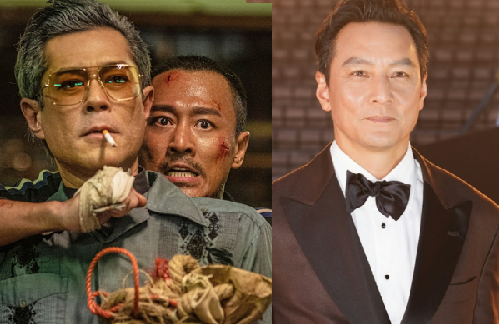
The decision to pivot from Takuya Kimura to Daniel Wu, while driven by external factors, also opens up new creative avenues. Daniel Wu brings a distinct acting style and physical presence to the screen. His previous roles have showcased his versatility, from intense action sequences to more nuanced dramatic performances. His established presence in Hollywood and his deep roots in Asian cinema make him a compelling choice to fill the void left by Kimura. The synergy between Wu and the existing cast, particularly Raymond Lam and Terrance Lau, promises to yield exciting on-screen dynamics.
The challenges faced by international film productions in navigating complex geopolitical landscapes are becoming increasingly prevalent. The cancellation of events and the postponement of tours, as seen with Ayumi Hamasaki and Raymond Lam, highlight the interconnectedness of culture, politics, and commerce. For filmmakers aiming for global reach, these external pressures can necessitate difficult strategic decisions. The "Twilight of the Warriors" team’s proactive response demonstrates a commitment to ensuring the successful realization of their ambitious sequel, even when faced with unforeseen obstacles.
The "Kowloon Four," as they are collectively known, represent the heart of the franchise. Their individual journeys within the Walled City, marked by loyalty, betrayal, and a relentless pursuit of justice, resonated deeply with audiences. Raymond Lam’s portrayal of Chan Kwok-chi, a character who embodies both strength and vulnerability, was particularly impactful. Terrance Lau’s energetic performance as Shin brought a youthful dynamism to the group, while German Cheung and Tony Wu provided crucial support, rounding out a compelling ensemble. The success of "The Final Chapter" will undoubtedly hinge on the continued strength of these performances and their ability to evolve within the expanded narrative.
The transition to Daniel Wu also signifies a potential exploration of new thematic elements within the franchise. His presence, as an actor with a significant international profile and a recent return to Hong Kong cinema, adds another layer of complexity to the narrative. The story of "The Final Chapter" is expected to build upon the foundation laid by its predecessor, potentially delving into the aftermath of the events of "Walled In" and exploring new threats and challenges that emerge within or beyond the confines of the city. Wu’s character could serve as a catalyst for these new developments, introducing a fresh perspective or a formidable antagonist.
The original article hints at the immense potential of the "Twilight of the Warriors" franchise, with the existence of both a prequel and a sequel indicating a long-term vision from the filmmakers. This ambitious expansion of the cinematic universe suggests a desire to explore the rich lore of the Kowloon Walled City in its entirety, offering audiences a comprehensive and immersive experience. The success of the first film has undoubtedly provided a strong foundation for these future endeavors, creating anticipation and excitement for what is to come.
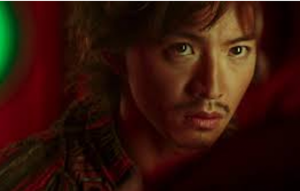
The narrative arc of "The Final Chapter" was envisioned to place the "Kowloon Four" at its core, suggesting a focus on their continued struggles and growth. The original plan for Takuya Kimura’s involvement was intricately linked to these characters, aiming to create significant dramatic conflict and collaboration. The introduction of Daniel Wu, however, allows for a reimagining of these interactions. Wu’s established prowess in action cinema suggests that his character will likely engage in significant physical and dramatic confrontations, adding a new dimension of intensity to the film’s action sequences.
The broader implications of the casting change extend beyond the immediate production. It highlights the growing influence of geopolitical factors on the global entertainment industry. As productions increasingly seek international talent and appeal to diverse audiences, navigating the complexities of international relations becomes paramount. The "Twilight of the Warriors" franchise, by adapting to these challenges, demonstrates resilience and a commitment to delivering a compelling cinematic experience. The eventual success of "The Final Chapter," with Daniel Wu at the helm of this pivotal role, will serve as a testament to the adaptability and enduring power of storytelling, even in the face of global complexities. The legacy of the Kowloon Walled City, as depicted in this acclaimed franchise, continues to unfold, promising more thrilling narratives and unforgettable characters for audiences worldwide.