



Room 301’s Fractured Trust: Unraveling the Betrayal in tvN’s ‘Undercover Miss Hong’
Warning: This article contains mention of attempted suicide.
The veneer of camaraderie in Room 301 has been violently stripped away, plunging tvN’s ‘Undercover Miss Hong’ into a tumultuous new chapter. What began as a seemingly lighthearted comedy set against the vibrant, yet economically turbulent, backdrop of the late 1990s, has rapidly escalated into a gripping tale of corporate malfeasance, personal betrayal, and the profound impact of financial crisis on ordinary lives. Viewers are left to ponder: can the bonds of friendship withstand the weight of such devastating truths, or are the roommates irrevocably torn apart?
The World of ‘Undercover Miss Hong’: A Blend of Intrigue and Nostalgia
Premiering amidst anticipation, ‘Undercover Miss Hong’ transports audiences back to a pivotal era in South Korean history—the late 1990s. This period was marked by rapid economic shifts and the lingering shadow of the Asian Financial Crisis (often referred to as the IMF Crisis in Korea), making it a potent setting for a narrative exploring financial deceit. The drama introduces us to Hong Geum Bo, portrayed with compelling nuance by the esteemed Park Shin Hye. Geum Bo is no ordinary office worker; she is a sharp, elite financial supervisory officer in her thirties, tasked with an intricate undercover mission. Her assignment: to infiltrate a prominent securities firm, Hanmin Securities, where a web of suspicious financial transactions has been detected, hinting at deeper systemic corruption.

To execute her mission, Hong Geum Bo undergoes a remarkable transformation, shedding her seasoned professional persona to masquerade as a fresh-faced, naive 20-year-old entry-level employee. This dual identity forms the initial comedic backbone of the series, as Geum Bo navigates the challenges of fitting into a younger generation’s workplace culture while meticulously gathering intelligence. Her undercover guise, “Miss Hong,” forces her to confront generational gaps, workplace hierarchies, and the often-unseen struggles of entry-level staff, all while maintaining her cover and pursuing her high-stakes investigation. The initial episodes cleverly balanced the humorous predicaments of her disguise with the serious underlying implications of her mission, setting the stage for a drama that promised both laughs and thrills.
Room 301’s Harmony Shattered: The Echoes of Betrayal
Central to the drama’s emotional core was the blossoming friendship within Room 301. Hong Geum Bo, alongside her vivacious roommates, Go Bok Hee (Ha Yun Kyung) and Kang No Ra (Choi Ji Su), had cultivated a seemingly idyllic sisterhood. Their shared living space became a sanctuary, a place where the pressures of work and life could be momentarily forgotten, fostering a sense of warmth and mutual support. This close bond was meticulously built, allowing viewers to invest emotionally in their collective journey, making the recent revelations all the more gut-wrenching.
The previous episode delivered a seismic shock that irrevocably altered the dynamics of Room 301. In a raw and emotionally charged confrontation, Go Bok Hee unleashed a torrent of anger, exposing Kang No Ra’s carefully guarded true identity. The revelation wasn’t merely about No Ra’s background; it was intertwined with a far more devastating truth: Kang No Ra’s family, deeply entrenched in the power structures of Hanmin Securities, was directly implicated in the massive debt that had driven Kim Mi Sook (Kang Chae Young) to a desperate and harrowing suicide attempt. The gravity of this disclosure sent shockwaves through the series, transforming the narrative from a lighthearted undercover caper into a poignant exploration of moral accountability and the devastating consequences of corporate greed.
Go Bok Hee’s outburst was fueled by a potent cocktail of grief, loyalty, and righteous indignation. Kim Mi Sook’s plight, representative of countless individuals crushed by the financial instabilities of the late 90s, underscored the human cost of the “suspicious financial transactions” Hong Geum Bo was investigating. For Bok Hee, No Ra’s concealed identity wasn’t just a lie; it was a profound act of betrayal, a stark reminder of the vast chasm between their social standings and the devastating impact of her family’s actions on those around them. The once-unbreakable trust among the roommates shattered, replaced by a bitter resentment and an overwhelming sense of disillusionment.
A Tense Reunion: Hospital Confrontation and Shifting Loyalties
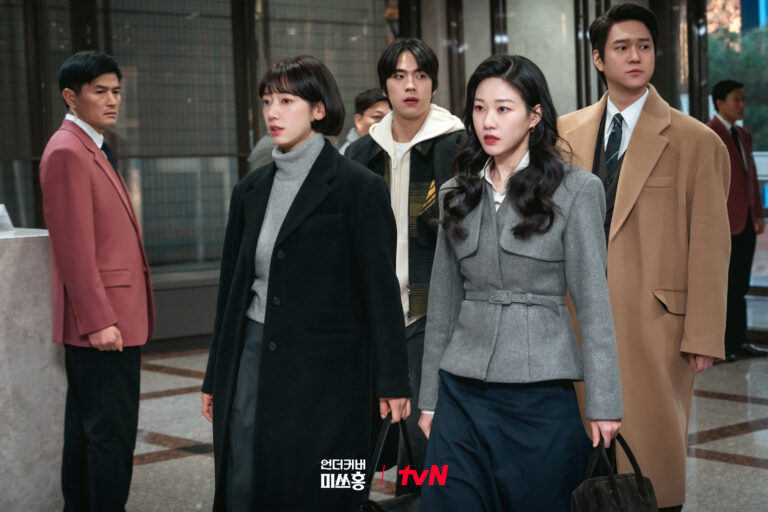
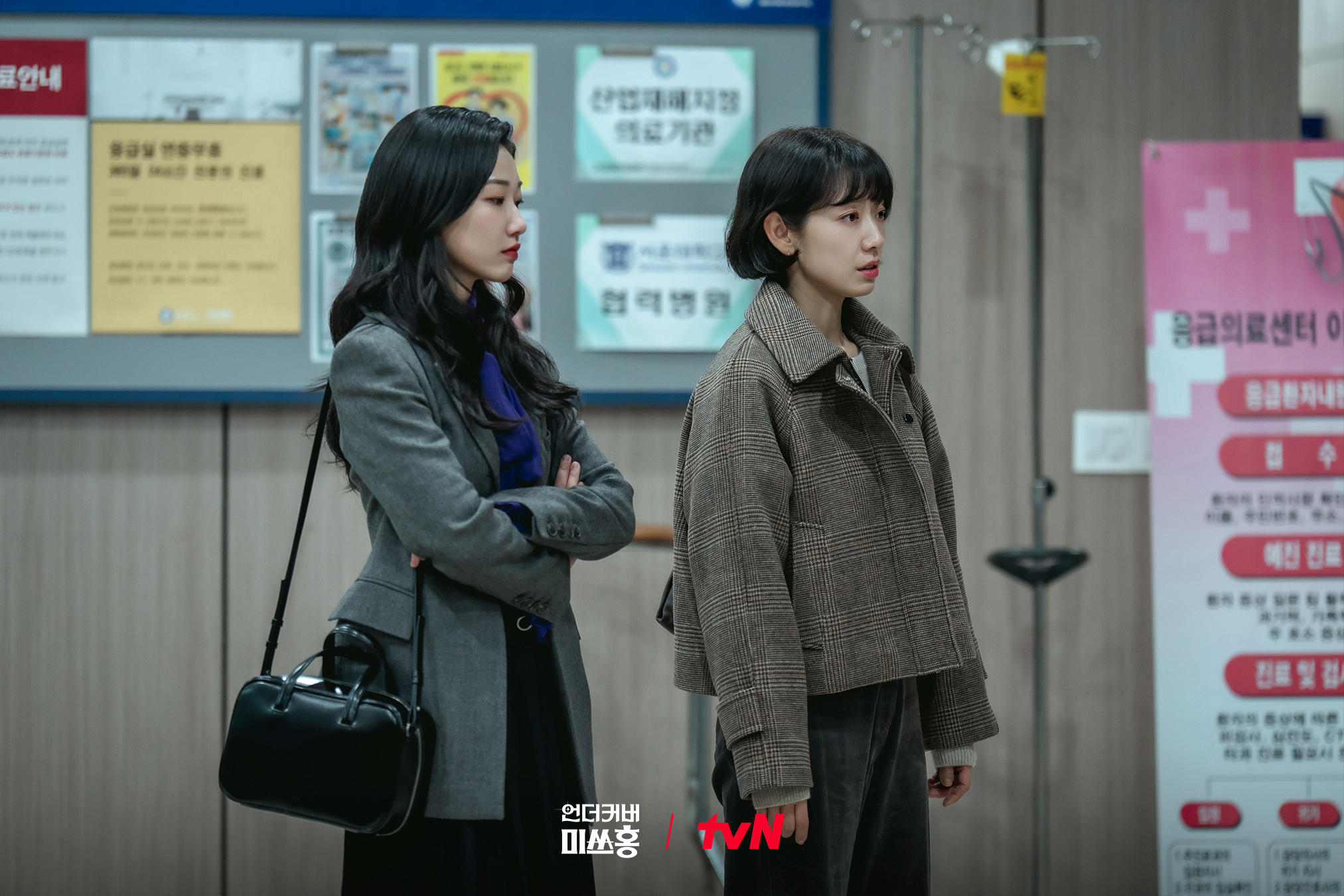
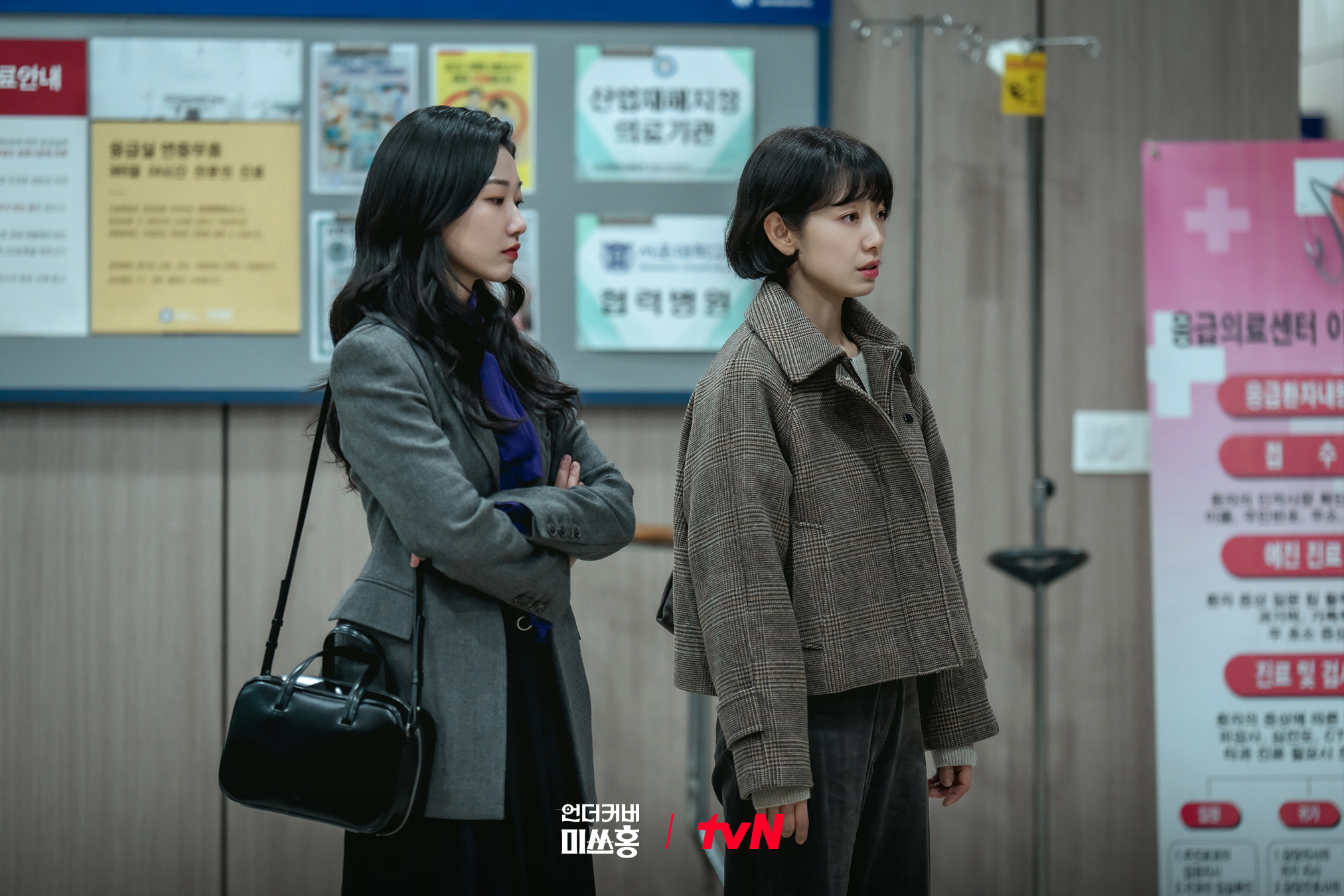
The immediate aftermath of this explosive revelation sets the stage for the drama’s upcoming episode, promising heightened tension and profound emotional conflict. Newly released stills offer a glimpse into the brewing storm, depicting a noticeably strained encounter between Hong Geum Bo, Go Bok Hee, and Kang No Ra in a hospital lobby. The setting itself—a place of vulnerability and healing—serves as a poignant backdrop for their fractured relationship. Gone are the carefree smiles and shared laughter that once defined their interactions; instead, a palpable awkwardness hangs heavy in the air, a stark testament to the profound shift in their dynamic.
For Hong Geum Bo, the situation is particularly complex. Her professional mission to expose corporate corruption now collides head-on with a deeply personal betrayal. How does she reconcile her objective, which seeks justice for victims like Kim Mi Sook, with the fact that one of her closest confidantes is entangled in the very web of deceit she’s trying to untangle? Her expressions in the stills hint at a deep disappointment, perhaps even a sense of complicity in having been fooled. Go Bok Hee’s stance, likely rigid and unforgiving, reflects her unwavering solidarity with Kim Mi Sook and her fierce condemnation of No Ra’s deception. The “sisterly vibes” that once characterized Room 301 have evaporated, replaced by a chasm of mistrust that seems almost impossible to bridge.
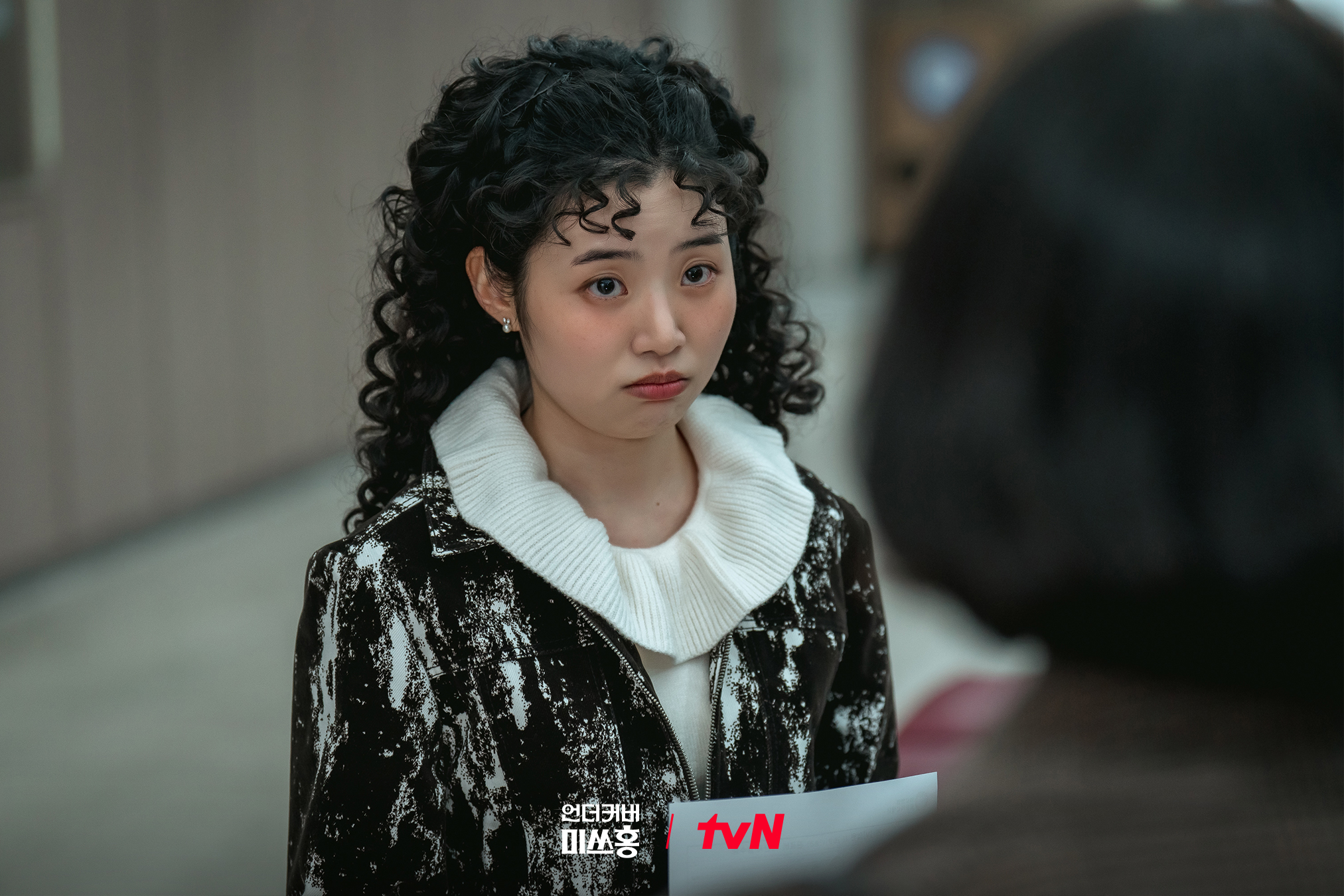
Kang No Ra, now unmasked, faces an unenviable position. The weight of her family’s actions, coupled with the scorn of her former friends, bears down on her. The narrative suggests she feels a “sense of responsibility as the Hanmin Securities chairman’s daughter.” This could manifest as genuine remorse for the suffering caused, or it could be a strategic acknowledgment of her familial obligation to mitigate the damage. Viewers are left to ponder her true motivations: Is she genuinely seeking forgiveness and redemption, or is she merely attempting to salvage her reputation and protect her family’s interests? Her path to winning back the trust of Geum Bo and Bok Hee, if even possible, will undoubtedly be fraught with challenges, requiring more than just words to mend the deep wounds inflicted.
Unveiling the True Self: Kang No Ra’s Bold Move
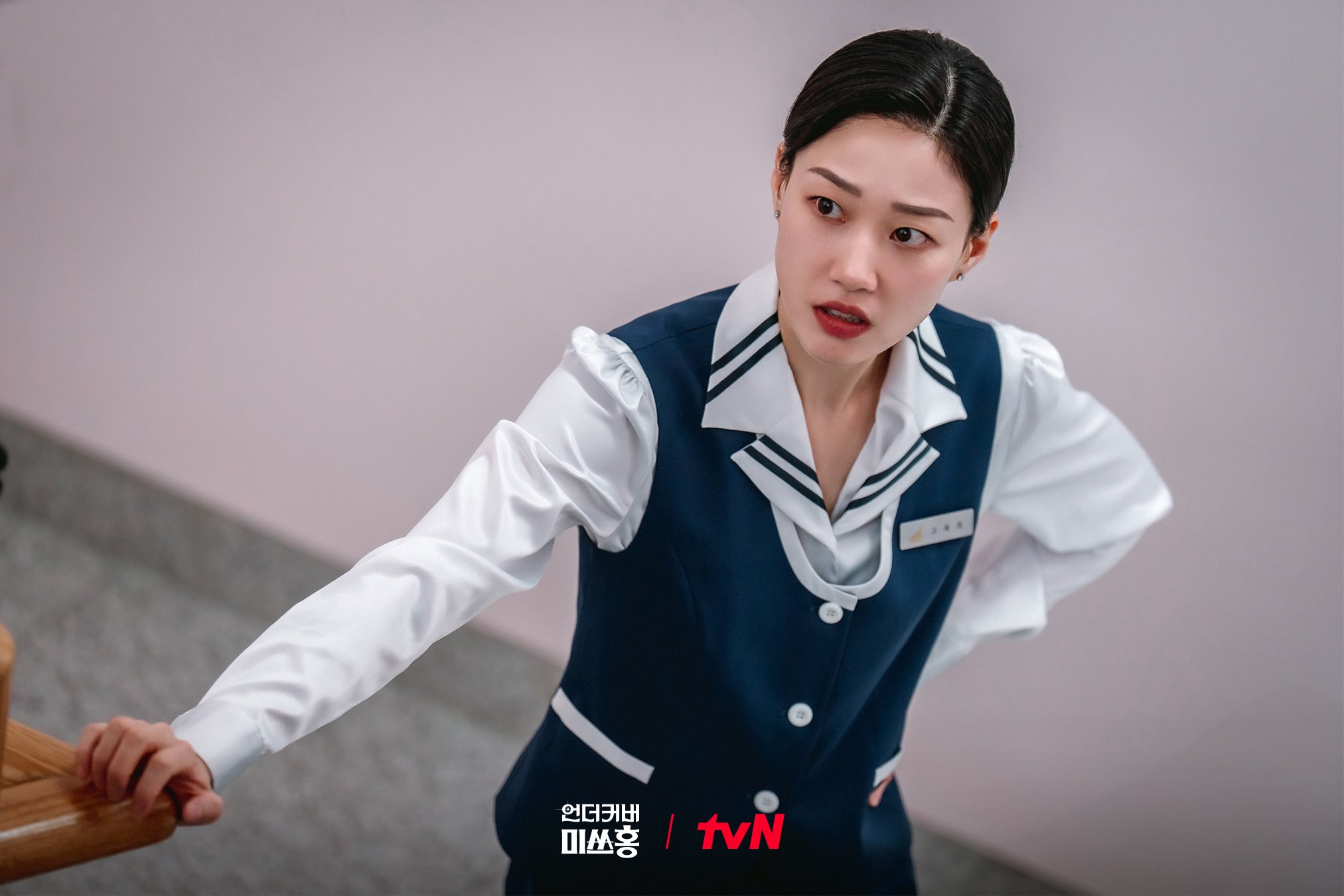
The drama further intensifies with Kang No Ra’s dramatic shift in strategy. In a powerful symbolic gesture, she abandons her pretense of being an ordinary entry-level employee, shedding her uniform entirely. This act signifies her refusal to continue the charade, embracing her true identity and the power that comes with it. Her appearance at Hanmin Securities, accompanied by her mother, underscores the significant involvement of her family in the unfolding corporate drama. This isn’t just a personal matter anymore; it’s a direct confrontation between the power structures of Hanmin Securities and the pursuit of justice by Geum Bo and Bok Hee. The presence of her mother suggests a united front, possibly indicating a strategic move to protect the family’s interests or to assert their influence within the company.
This bold move by Kang No Ra forces Hong Geum Bo and Go Bok Hee to reassess their approach. The initial shock and emotional fallout give way to a strategic necessity. To navigate this rapidly changing landscape, the two former roommates initiate a clandestine meeting, summoning Kang No Ra to the emergency stairwell. The choice of location—a hidden, utilitarian space away from prying eyes—emphasizes the secrecy and high stakes of their encounter. It’s a place for hushed conversations, difficult truths, and potentially life-altering decisions.

The true purpose of this secret rendezvous remains shrouded in mystery. Are Hong Geum Bo and Go Bok Hee extending an olive branch, proposing a reconciliation born out of their shared past and the hope that No Ra might genuinely seek redemption? Or are they delivering a stern warning, outlining the consequences of her family’s actions and perhaps even presenting an ultimatum? The ambiguity fuels viewer anticipation, highlighting the intricate dance between personal feelings and the larger fight for justice. The stakes are incredibly high, not only for their fractured friendship but also for Geum Bo’s undercover mission and the fate of Hanmin Securities itself.
Beyond Friendship: Exploring Themes of Class, Justice, and Identity
‘Undercover Miss Hong’ has masterfully transitioned from a lighthearted comedy to a compelling social drama, using the microcosm of Room 301 to explore broader societal issues. The series delves deep into themes of trust and betrayal, illustrating how easily personal bonds can be shattered when confronted with stark realities of class disparity and corporate misconduct. The late 1990s setting is not merely a nostalgic backdrop; it is a critical element that amplifies the narrative’s resonance, reflecting a period when economic instability led to widespread hardship and exposed the vulnerability of ordinary citizens to the machinations of powerful entities.
The characters embody different facets of this struggle. Hong Geum Bo represents the pursuit of justice, navigating the ethical tightrope between her professional duties and her evolving personal allegiances. Her undercover operation, initially a source of comedic situations, now carries a heavier weight as she witnesses firsthand the devastating human cost of the financial irregularities she investigates. Go Bok Hee, driven by fierce loyalty and a profound sense of injustice, epitomizes the anger and frustration of those affected by unchecked corporate power. Her passionate confrontation with Kang No Ra is a cry for accountability, highlighting the deep emotional scars left by financial ruin.
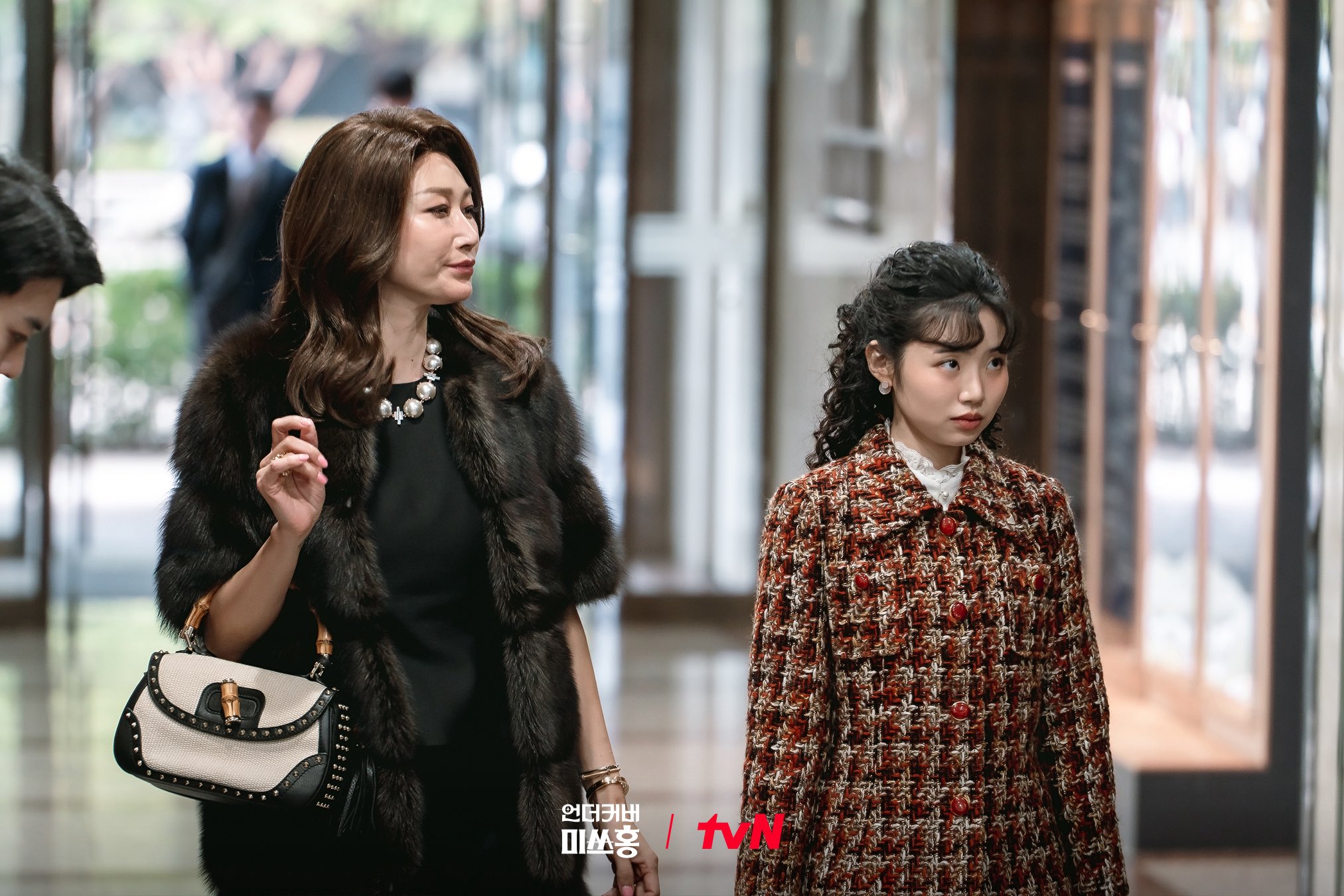
Kang No Ra’s character arc is perhaps the most complex. Her initial deception, born from a desire to fit in or perhaps to escape the shadow of her family’s legacy, now gives way to a forced confrontation with her identity. Her “sense of responsibility” as the chairman’s daughter is a crucial turning point. It forces her to choose between upholding her family’s tarnished name and acknowledging the pain they have caused. This internal struggle raises fundamental questions about privilege, moral obligation, and the possibility of atonement. The drama suggests that true responsibility extends beyond financial restitution; it demands a reckoning with one’s role in a system that perpetuates inequality and suffering.
As the series progresses, ‘Undercover Miss Hong’ promises to be more than just an entertaining drama. It is evolving into a powerful commentary on the personal and societal costs of greed, the resilience of the human spirit in the face of adversity, and the enduring quest for truth and justice. The emotional intensity, coupled with the sharp societal critique, positions it as a must-watch for those who appreciate narratives that challenge, provoke, and resonate long after the credits roll.
Don’t Miss the Unfolding Drama
To witness whether the shattered fragments of Room 301’s friendship can ever be pieced back together, or if the chasm of betrayal proves too wide to bridge, tune into the next gripping episode of ‘Undercover Miss Hong’. The drama continues to unfold on February 15 at 9:10 p.m. KST, promising revelations and confrontations that will undoubtedly shape the fate of its characters and the future of Hanmin Securities.