



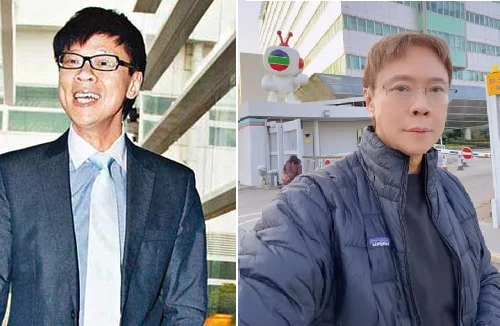
Industry titan Stephen Chan, a familiar face in Hong Kong’s media landscape, has ignited a firestorm of speculation following a recent visit to TVB City, the sprawling headquarters of Television Broadcasts Limited. Chan, who transitioned from his influential role as General Manager at TVB in 2012 to a significant advisory position at Commercial Radio Hong Kong (CRHK) shortly thereafter, has been a prominent figure in broadcasting for decades. His departure from the helm of TVB marked the end of an era for many, and his subsequent work at CRHK, including his soon-to-conclude radio program On A Clear Day (《隨心而發》), has kept him firmly in the public eye. The recent images of Chan revisiting his former stomping grounds have inevitably led to fervent discussions about his next career move, with many fans and industry observers eager to see him back in a prominent leadership role.
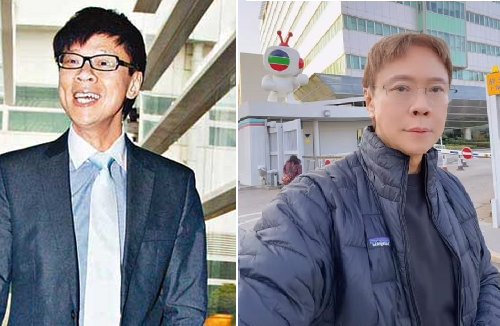
On January 9th, Chan shared a series of candid snapshots on social media, capturing him in a reflective mood at TVB City. The images depicted him posing with TVBuddy, the broadcaster’s beloved mascot, and walking along a familiar pathway. His accompanying caption, laced with a touch of nostalgia, read, "I’ve left more than a few leg hairs on this footpath, having spent 18 years here…" This poignant statement, coupled with his presence at the TVB premises, has sent ripples through the entertainment industry.
The timing of Chan’s visit is particularly noteworthy. It closely follows the widely reported departure of Eric Tsang, a legendary figure in Hong Kong entertainment, from his position as General Manager at TVB. Tsang, who has been instrumental in shaping the broadcaster’s content for years, has transitioned into a consultant role, a move that has left a significant leadership vacuum. This confluence of events has fueled widespread conjecture that Chan might be poised to return to TVB, potentially to fill the very shoes left vacant by Tsang.
The possibility of Stephen Chan’s return has elicited a wave of excitement and nostalgia among fans, many of whom fondly remember his tenure at TVB and the shows he was instrumental in developing. A significant portion of this excitement is centered around the potential revival of Be My Guest (《獎門人》), a highly popular and long-running variety show that Chan was intimately involved with. The show, known for its hilarious challenges and celebrity guests, became a cultural phenomenon, and its absence has been keenly felt by many viewers. The prospect of Chan returning to a leadership role at TVB has ignited hopes for new seasons and a resurgence of the show’s unique brand of entertainment.
However, TVB’s corporate communications department has moved to temper these burgeoning rumors. Bonnie Wong, Assistant General Manager of Corporate Communications, addressed media inquiries regarding Chan’s potential return. Her statement provided a clear, albeit somewhat deflating, response. "All along, the company has yet to get in touch with this veteran," Wong stated. "Currently, we do not have any openings for Content Development management roles." She further elaborated on Eric Tsang’s transition, emphasizing that his responsibilities have been systematically handed over to a team of four variety department producers over the past year, ensuring a smooth handover and continuity in content development. Wong concluded her statement with a gracious acknowledgement of Chan’s visit, noting, "Knowing that our senior enjoyed revisiting old haunts brought us joy as well."

While TVB has officially denied any immediate plans for Chan’s return to a management position, the lingering questions and fervent speculation highlight the enduring impact Stephen Chan has had on the Hong Kong broadcasting scene. His career trajectory is a testament to his deep understanding of the media industry and his ability to connect with audiences across different platforms.
Stephen Chan’s journey in media is a rich tapestry woven with decades of experience and a keen eye for talent and programming. He first rose to prominence at TVB, where he held various key positions, culminating in his role as General Manager. During his extensive tenure at the television giant, Chan was instrumental in shaping the station’s programming strategy, launching numerous successful shows, and nurturing the careers of many of Hong Kong’s most beloved entertainers. His leadership style was often described as dynamic and innovative, always pushing the boundaries of what was possible in television production and broadcast.
Following his departure from TVB in 2012, Chan made a significant move to Commercial Radio Hong Kong (CRHK), one of the city’s leading radio broadcasters. This transition was seen by many as a strategic diversification of his media expertise, demonstrating his versatility and willingness to explore new avenues within the industry. At CRHK, he took on the role of CEO, further solidifying his reputation as a seasoned media executive. He later transitioned to the position of Chief Advisor in 2014, a role that allowed him to continue contributing his valuable insights and strategic guidance to the radio station.
His current radio program, On A Clear Day, has become a platform for thoughtful discussions, interviews with prominent figures, and reflections on various aspects of life and culture. The program’s impending conclusion has left a void in the radio landscape, prompting listeners to wonder what Chan will embark on next. His ability to engage audiences through his distinctive broadcasting style, whether on television or radio, has earned him a loyal following and a respected position within the industry.
The speculation surrounding a potential return to TVB is not unfounded. Chan’s intimate knowledge of the broadcaster’s operations, its strengths, and its challenges makes him a natural candidate for a leadership role. The media industry in Hong Kong is a closely-knit ecosystem, and the movements of prominent figures like Chan are always keenly observed. His 18 years at TVB were formative, and the connections and institutional memory he possesses are invaluable.
Furthermore, the recent changes at TVB, including Eric Tsang’s shift to a consultancy, suggest a period of transition for the broadcaster. In such times, experienced leaders who understand the company’s history and culture are often sought after to guide its future direction. While TVB maintains that there are no immediate openings for content development management, the possibility of a strategic re-evaluation of its leadership structure cannot be entirely dismissed. The industry is constantly evolving, and broadcasters are under pressure to adapt to changing audience habits and the rise of digital media.
The mention of Be My Guest in relation to Chan’s potential return is particularly telling. The show was not just a popular entertainment program; it was a cultural touchstone that reflected the vibrant and often humorous side of Hong Kong celebrity culture. Chan’s involvement in its creation and production speaks to his ability to identify and cultivate successful entertainment formats. The enduring popularity of Be My Guest is a testament to the chemistry and charisma of its hosts and the engaging nature of its format, elements that Chan was instrumental in orchestrating. The desire for its return underscores a public yearning for the kind of lighthearted, star-studded entertainment that defined a particular era of Hong Kong television.
The official denial from TVB, while firm, does not entirely extinguish the possibility of future collaborations or advisory roles. The media industry thrives on strategic partnerships and the leveraging of experienced talent. It is possible that Chan’s visit was a courtesy call, a chance to reconnect with former colleagues and reminisce about shared experiences. However, in the fast-paced world of media, such visits often carry deeper implications, especially when they coincide with significant organizational shifts.
The narrative of Stephen Chan’s career is one of continuous evolution and influence. From his early days in television to his current endeavors in radio, he has consistently demonstrated a remarkable ability to adapt and excel. His departure from TVB was a significant event, and his subsequent contributions to CRHK have further cemented his status as a media powerhouse.
As the entertainment landscape continues to transform, with the rise of streaming services and new digital platforms, established broadcasters like TVB are facing increasing competition. The need for strong, experienced leadership that can navigate these challenges and innovate is paramount. Whether Stephen Chan will return to a formal leadership role at TVB remains to be seen, but his visit has undoubtedly reignited a conversation about his enduring legacy and his potential to shape the future of Hong Kong media. The industry will be watching closely to see what the next chapter holds for this seasoned broadcaster. His ability to capture the public’s imagination, even through a simple social media post, speaks volumes about his continued relevance and the deep affection audiences hold for him. The speculation, while perhaps premature according to official statements, highlights a collective hope for his continued impactful presence in the Hong Kong entertainment sphere.