
Ji Sung Unleashes Fury in ‘The Judge Returns’: A Desperate Bid for Redemption Ignites the Courtroom
Prepare for an unprecedented courtroom spectacle as the highly anticipated MBC drama, “The Judge Returns,” gears up for its pivotal second episode. Renowned actor Ji Sung, celebrated for his chameleon-like ability to inhabit complex characters, is set to deliver a performance that will leave viewers on the edge of their seats. In a dramatic turn of events, his character, the time-traveling judge Lee Han Young, will shatter judicial decorum with an explosive outburst, abandoning his typically stoic demeanor to confront a defendant directly. This pivotal scene promises to redefine his character’s pursuit of justice and set a fervent tone for the thrilling narrative ahead.
The Weight of a Second Chance: Unpacking “The Judge Returns”
“The Judge Returns” introduces audiences to Lee Han Young, a man initially entangled in the murky waters of legal corruption. His life, a carefully orchestrated facade, sees him operating as a subservient pawn within the formidable Haenal Law Firm. This powerful entity dictates his rulings, effectively stripping him of his judicial integrity and transforming him into a tool for their illicit gains. The drama masterfully crafts a narrative that explores the profound ethical compromises individuals make under duress, and the devastating ripple effects such decisions can have.
The core premise, however, hinges on a fantastical yet deeply meaningful twist: a sudden, inexplicable journey ten years into the past. This temporal shift isn’t merely a plot device; it’s a profound metaphor for redemption and the burden of hindsight. Gifted with the knowledge of a future he wishes to avert, particularly one marred by personal tragedy, Han Young is compelled to re-evaluate his entire existence. The drama thus positions itself as a compelling exploration of moral reckoning, where a second chance isn’t a simple do-over but a complex, arduous path fraught with the ghosts of past mistakes and the immense pressure to forge a new, righteous destiny.
The Catalyst: A Mother’s Tragedy and a Judge’s Awakening
The inaugural episode of “The Judge Returns” meticulously established the harrowing circumstances that propel Lee Han Young onto his path of radical transformation. Audiences witnessed the devastating consequences of his former life as a corrupt judge. A particular unjust ruling, influenced by the insidious machinations of Haenal Law Firm, directly triggered a chain of events culminating in the tragic and untimely death of his beloved mother. This profound personal loss serves as the ultimate breaking point for Han Young, stripping away the last vestiges of his complacency and igniting a fierce resolve for change.
The grief and guilt over his mother’s death are palpable, transforming him from a compliant figure into a man seething with righteous indignation. He defiantly declares his emancipation from the clutches of Haenal Law Firm, refusing to continue as their puppet. This act of rebellion, however, comes with immediate and severe repercussions. In a cruel twist of fate, Han Young finds himself stripped of his judicial robes and confined, now a prisoner facing the very system he once corrupted. This stark reversal of roles is a powerful narrative choice, forcing him to experience the vulnerability and injustice he once dispensed. It’s at this critical juncture, teetering between despair and a burgeoning sense of purpose, that the inexplicable temporal shift occurs, sending him back to a pivotal moment where he can potentially rewrite history.
The Courtroom Erupts: Ji Sung’s Explosive Confrontation
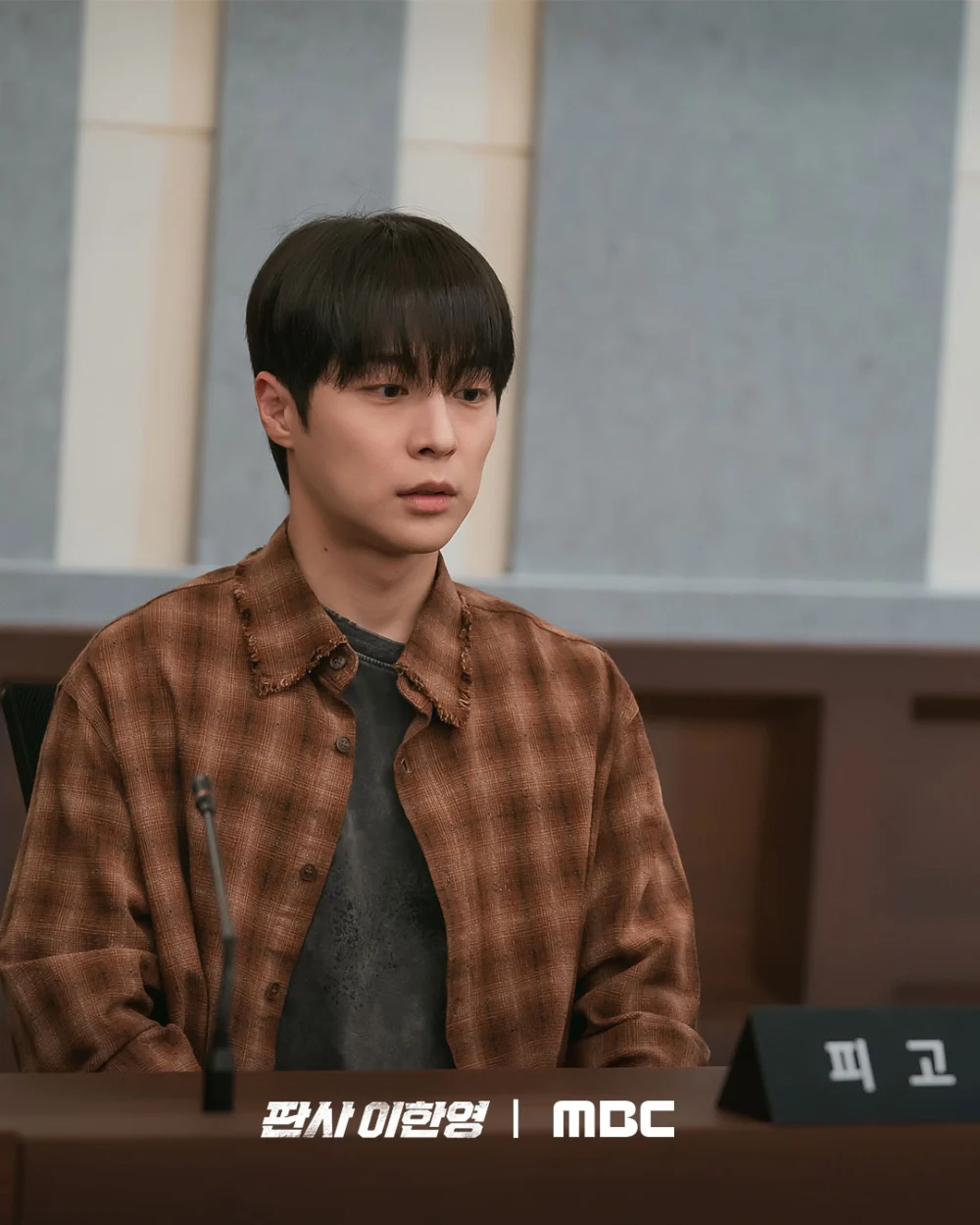
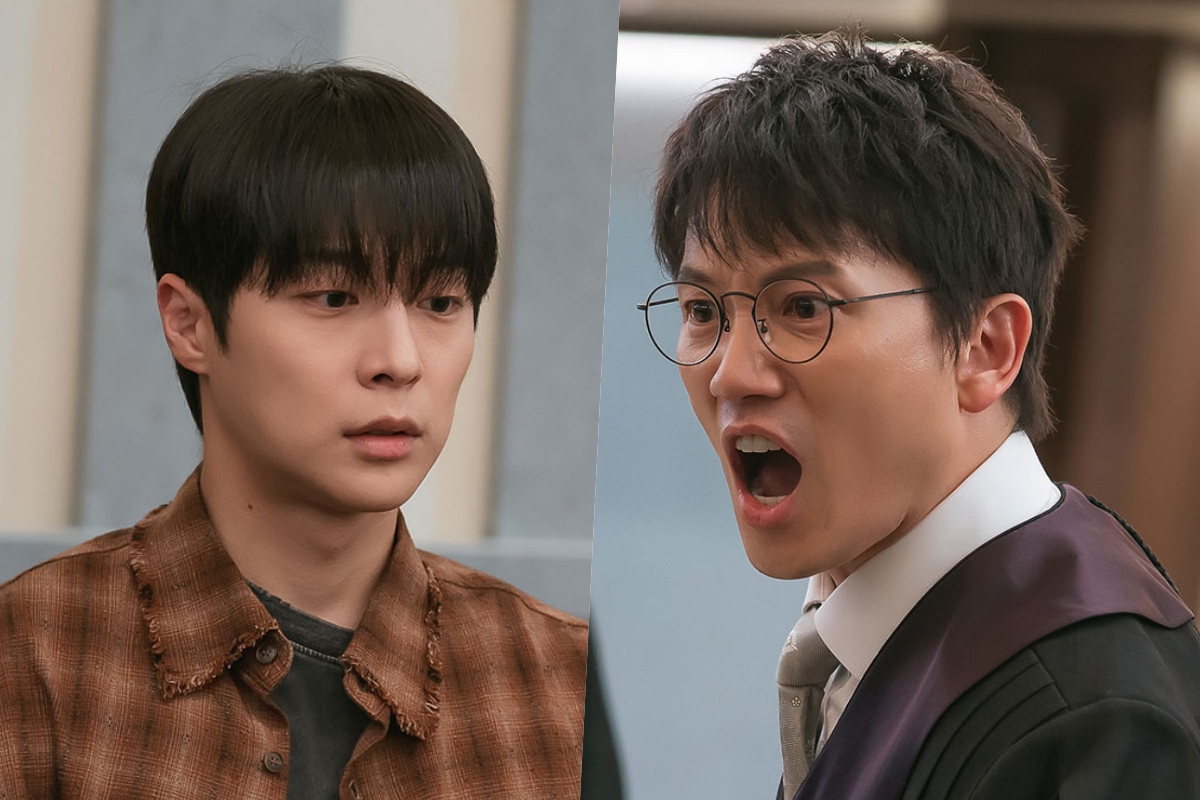
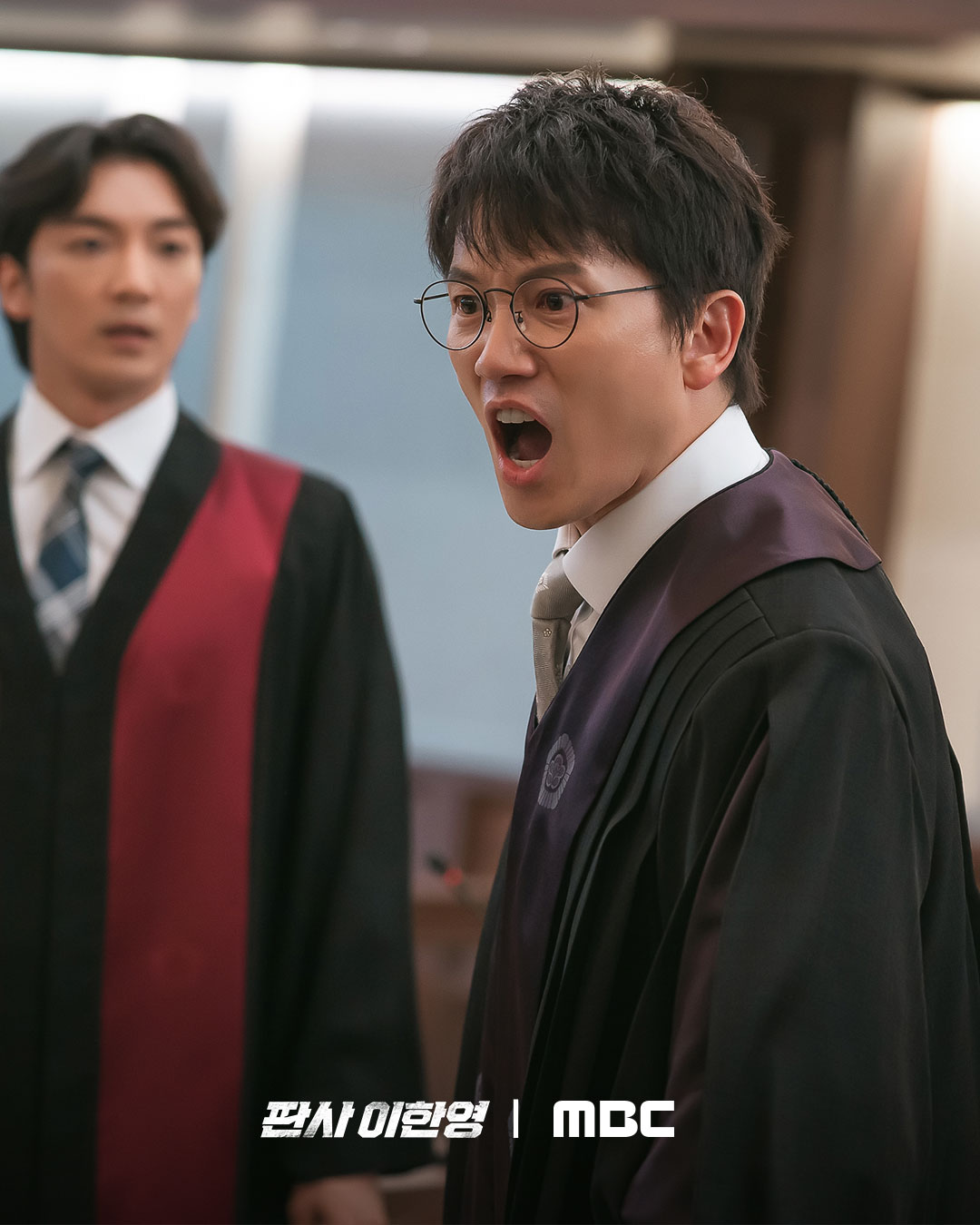
The newly released stills for the upcoming second episode offer a tantalizing glimpse into the raw intensity that awaits viewers. Lee Han Young, inexplicably returned to his judicial position, is seen back on the bench, adorned in the familiar black robe. However, his outward appearance belies a profound internal turmoil. The image of him, usually a paragon of calm and collected judicial authority, exploding in a fit of rage is jarring. He dramatically leaps over the bench, a symbol of the legal divide, to directly confront defendant Kim Sang Jin, portrayed by the talented Bae In Hyuk. This unprecedented act sends shockwaves through the courtroom, plunging it into instant chaos.
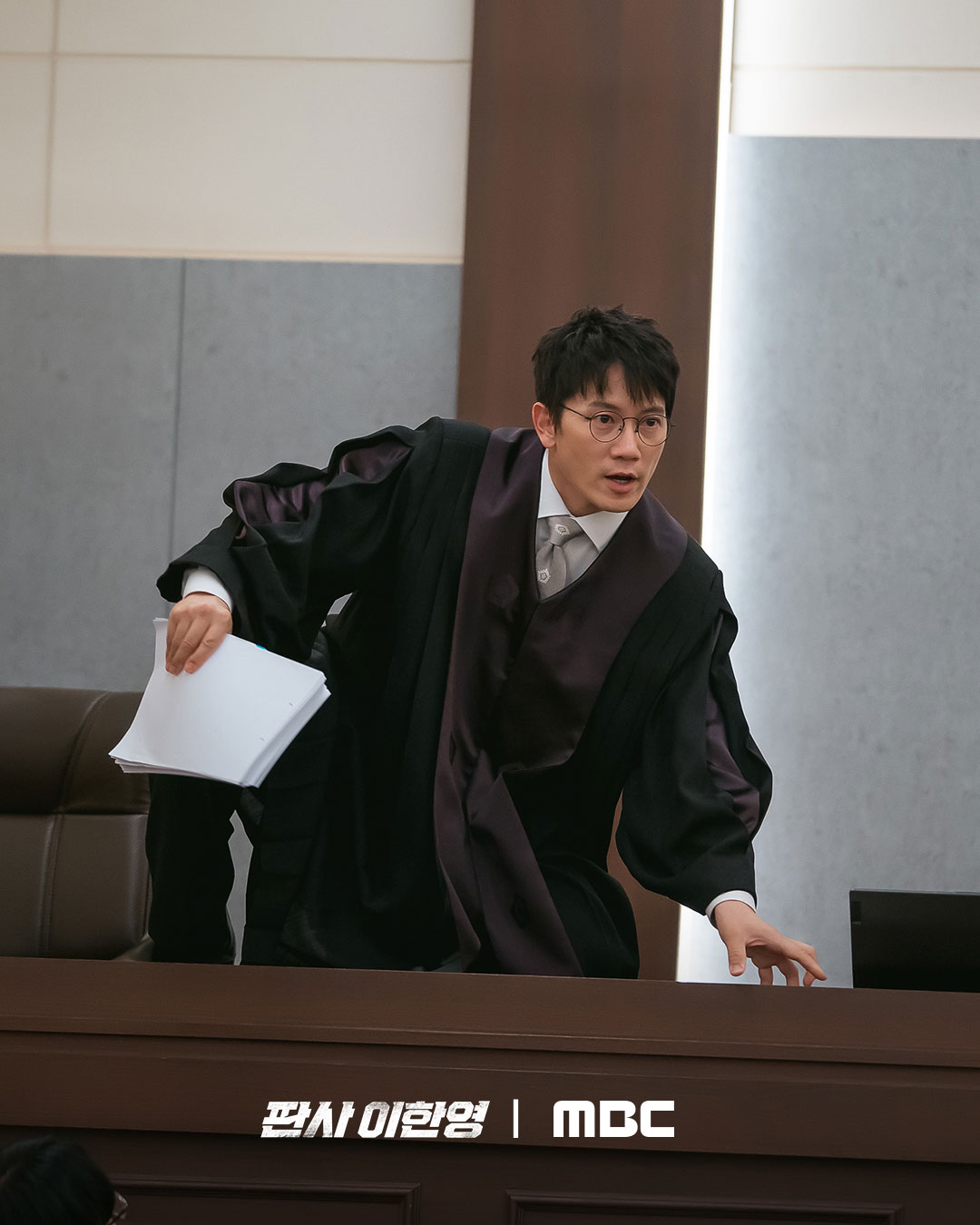
The visual evidence speaks volumes: the prosecutor, Park Chul Woo (Hwang Hee), and Kim Sang Jin himself are depicted with expressions of utter astonishment and disbelief. This isn’t just a loss of temper; it’s a visceral, uncontrolled eruption of emotion that suggests a deep, personal connection to the case or the defendant. What could possibly provoke such a usually composed and calculating individual to abandon all professional decorum? Is Kim Sang Jin directly linked to the unjust ruling that cost Han Young his mother? Or does this outburst represent the accumulated frustration and trauma of his past life, now manifesting in a raw, unfiltered manner? The drama masterfully builds anticipation around this pivotal moment, promising to unravel the complex motivations behind Han Young’s dramatic shift from a detached arbiter of law to a passionate, almost vengeful, seeker of truth.
This scene is not merely a dramatic highlight; it is a declaration. It signifies Lee Han Young’s complete break from his past self. The “slave” is no more. In his place stands a man consumed by a burning desire for genuine justice, unafraid to dismantle the very structures he once upheld, even if it means sacrificing his own professional standing or reputation. His actions suggest a radical approach, one where the pursuit of truth and moral rectification outweighs the strict adherence to legal formalities. This makes his character arc particularly compelling, appealing to audiences who crave narratives of profound personal transformation and a fight against overwhelming systemic corruption.
Ji Sung: The Master of Intensity and Internal Conflict
The choice of Ji Sung to portray the multifaceted Lee Han Young is nothing short of brilliant. Known for his exceptional range and his uncanny ability to convey profound internal struggles, Ji Sung is an actor who consistently elevates the material he works with. His extensive filmography is a testament to his versatility, featuring a roster of roles that often delve into the psychological complexities of the human condition.
Fans will recall his masterful portrayal of a character with Dissociative Identity Disorder in “Kill Me, Heal Me,” where he seamlessly transitioned between seven distinct personalities, earning critical acclaim and numerous awards. In “Defendant,” he captivated audiences as a prosecutor wrongly accused of murder, delivering a raw and emotionally charged performance that showcased his ability to convey desperation and resilience under immense pressure. More recently, in “Doctor John,” he played a brilliant but enigmatic anesthesiologist with a mysterious condition, again demonstrating his prowess in balancing intellectual sharpness with underlying vulnerability.
These roles, among many others, have cemented Ji Sung’s reputation as an actor capable of bringing depth and nuance to even the most challenging characters. His signature acting style often involves a subtle yet intense gaze, a controlled physicality that can erupt into powerful emotion, and a profound understanding of his characters’ motivations. For Lee Han Young, a character grappling with a corrupted past, a tragic loss, and a second chance at redemption, Ji Sung’s ability to portray this layered internal conflict is indispensable. His performance in “The Judge Returns” is anticipated to be another tour de force, leveraging his unique blend of charisma, vulnerability, and explosive dramatic power to bring Han Young’s arduous journey to life in a truly unforgettable way.
The Ensemble: Catalysts and Counterparts
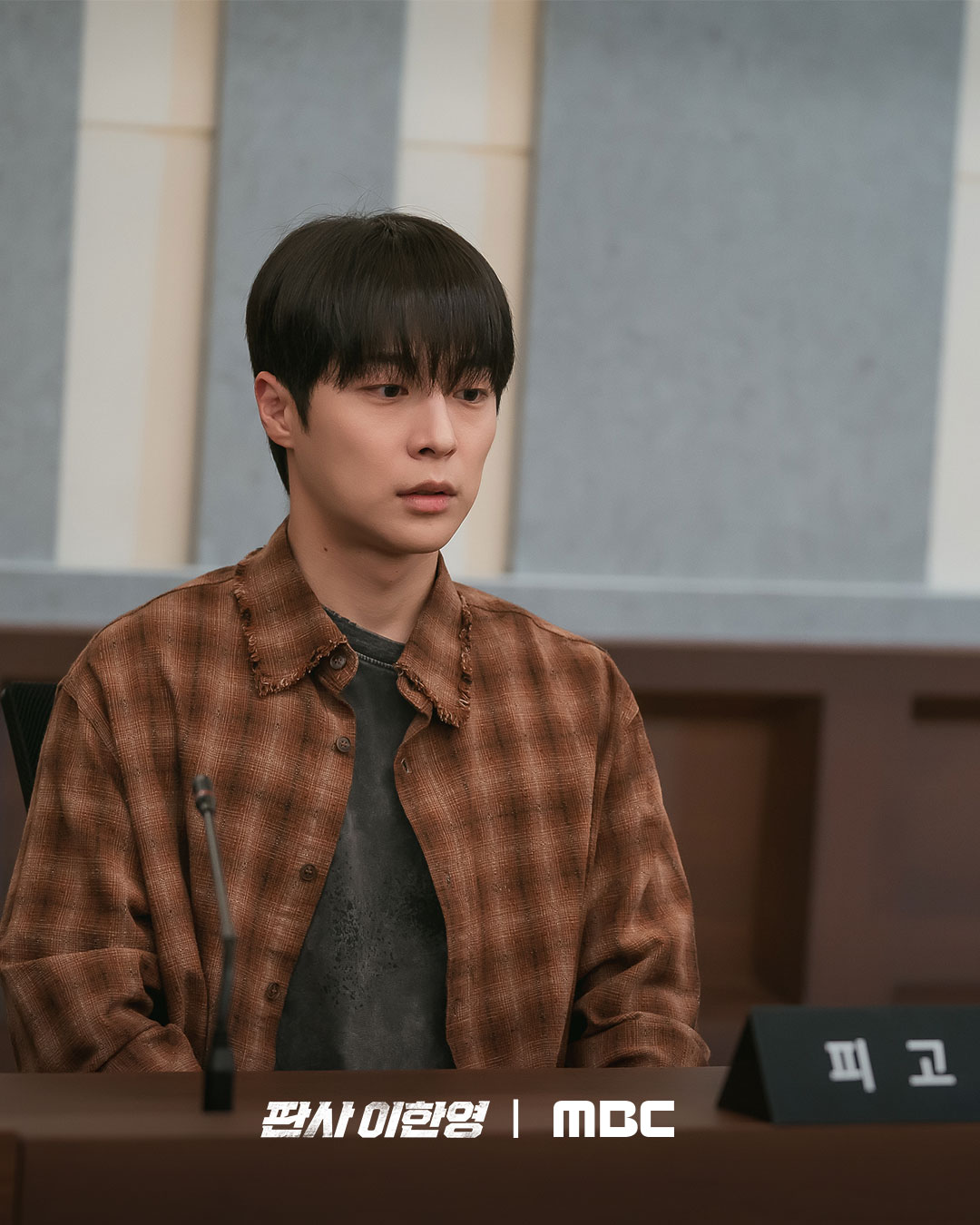
While Ji Sung commands the central narrative, the supporting cast plays a crucial role in shaping Lee Han Young’s journey and enriching the drama’s intricate tapestry. Bae In Hyuk, taking on the role of defendant Kim Sang Jin, is positioned as a critical figure in Han Young’s burgeoning crusade. His character is likely more than just a simple defendant; he could be a mirror reflecting Han Young’s past mistakes, a direct link to the Haenal Law Firm’s corruption, or even an innocent victim whose fate ignites Han Young’s fiery passion for justice. Bae In Hyuk, a rising star in the K-drama landscape, brings a fresh dynamic to the role, and his performance opposite Ji Sung is keenly awaited.
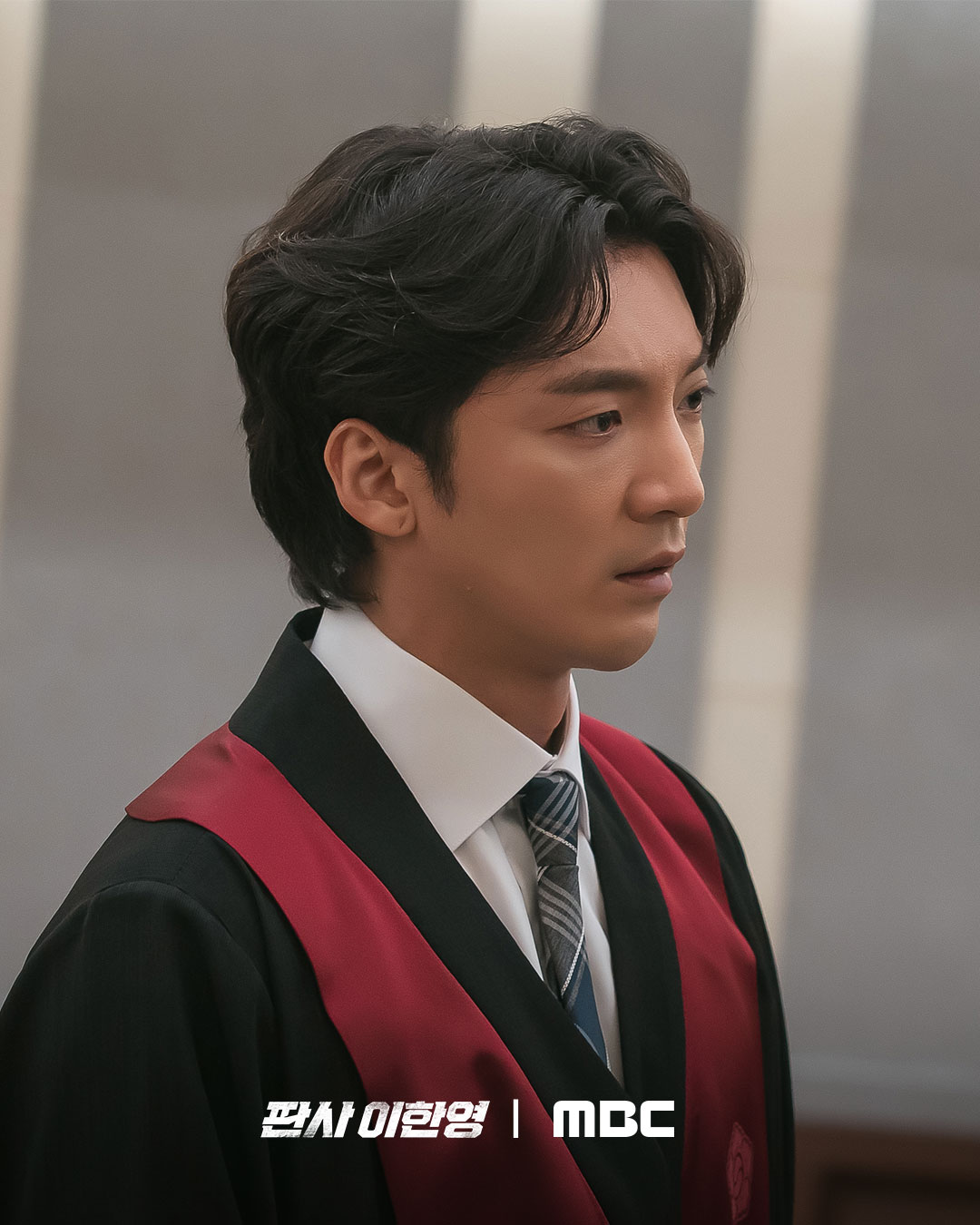
Hwang Hee, portraying prosecutor Park Chul Woo, represents the conventional legal system that Han Young is now actively challenging. Park Chul Woo’s shock at Han Young’s unprecedented behavior underscores the radical shift occurring within the courtroom. His character will likely serve as a moral compass or a pragmatic counterpoint to Han Young’s more impulsive, justice-driven actions. Will he become an ally, swayed by Han Young’s conviction, or will he stand as an antagonist, upholding the very system Han Young seeks to dismantle? The interactions between these characters are set to provide much of the drama’s narrative tension and moral complexity.
The shadowy presence of Haenal Law Firm also looms large. This entity is not just a collection of individuals but a symbol of entrenched power and systemic corruption. Its vast influence and willingness to manipulate the legal system serve as the primary antagonist against Han Young’s personal quest for justice. The drama promises to expose the insidious ways in which power can corrupt, and the immense courage it takes to stand against such a formidable, seemingly invincible force.
Flashes of the Past: The Reporter’s Gaze
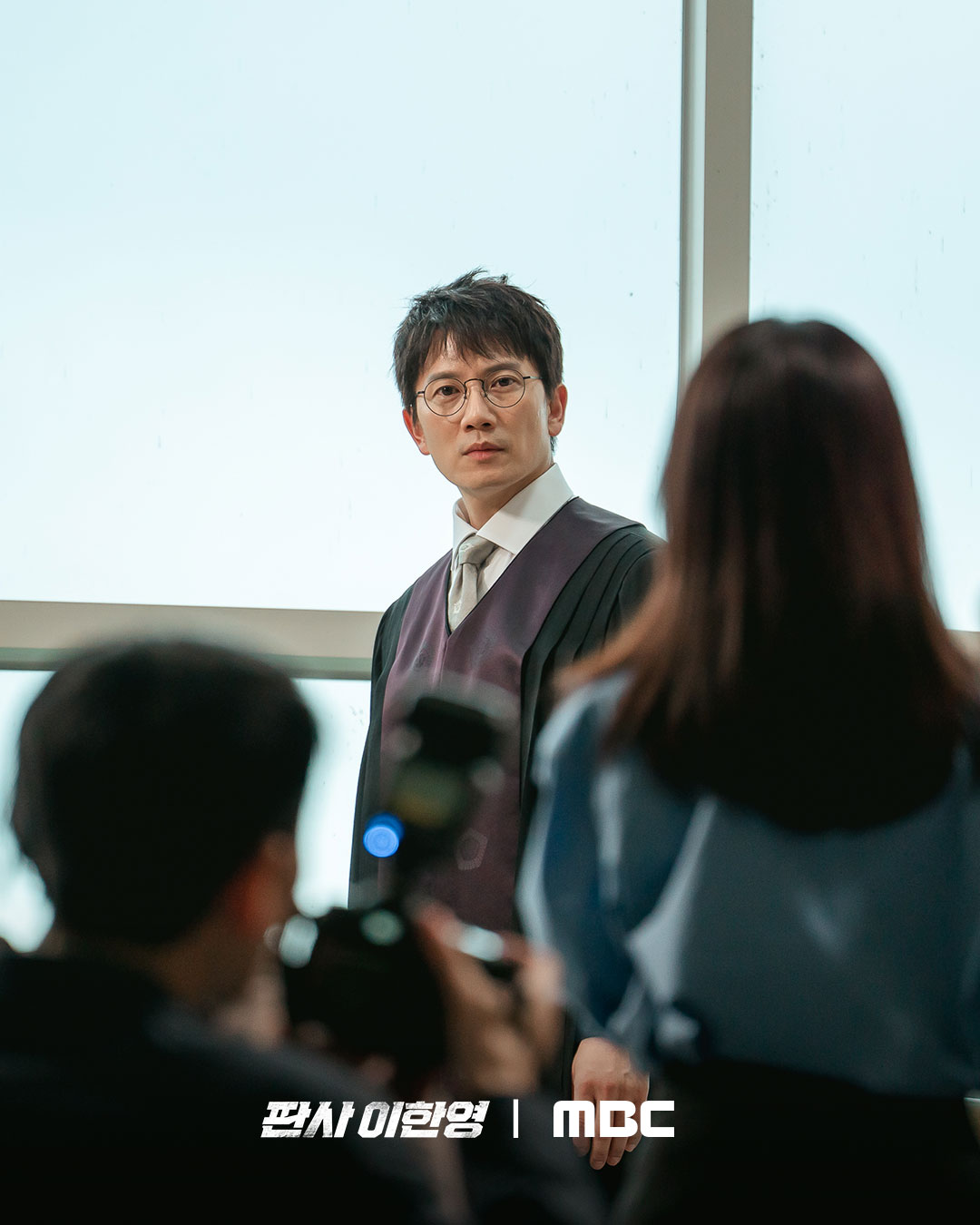
Beyond the courtroom drama, another intriguing development is teased in the upcoming episode. A still image captures Lee Han Young being swarmed by a chaotic throng of reporters, their camera flashes creating a blinding, disorienting spectacle. This sensory overload proves to be more than just a public relations nightmare; it acts as a powerful catalyst for Han Young’s fractured memory. Amidst the barrage of flashing lights, fragments of his forgotten past begin to resurface.
This narrative device adds another layer of mystery and psychological depth to the drama. What specific memories are triggered by this public scrutiny? Are they related to the unjust ruling, his mother’s death, or perhaps the circumstances of his time travel? The return of these memories is crucial for Han Young’s complete understanding of his past and present, potentially providing him with the missing pieces needed to effectively wield his second chance. It highlights the psychological toll of his journey, suggesting that the path to redemption is not just about changing future actions, but also confronting and integrating the traumas and mistakes of the past.
Beyond the Courtroom: Themes of Justice, Redemption, and Power
“The Judge Returns” is poised to be more than just a gripping legal thriller; it’s a profound exploration of timeless themes that resonate deeply with audiences, particularly those seeking narratives with strong moral foundations. At its heart lies the eternal struggle between justice and corruption. The drama unflinchingly portrays a legal system that can be manipulated by wealth and power, raising pertinent questions about who truly benefits from the law and the devastating impact on those caught in its unjust machinations.
The theme of redemption is central to Lee Han Young’s character arc. His journey from a morally compromised judge to a zealous advocate for true justice offers a compelling narrative of personal transformation. It speaks to the universal human desire for second chances and the hope that individuals can rise above their past mistakes to forge a more righteous path. This quest for redemption is made all the more potent by the personal sacrifice and trauma that fuel Han Young’s resolve, making his fight not just about legal principles but about healing deep personal wounds.
Furthermore, the drama delves into the corrupting influence of power, epitomized by the Haenal Law Firm. It exposes how powerful entities can exert control over individuals and institutions, creating a system where the scales of justice are perpetually tipped. Han Young’s rebellion is not just against specific individuals but against this pervasive, systemic corruption, making his fight a larger allegory for standing up against seemingly insurmountable odds. For a women-focused audience, these themes resonate powerfully, offering a narrative about resilience, moral courage, and the unwavering pursuit of what is right, even when faced with overwhelming opposition.
Don’t Miss the Unfolding Drama
With its high-stakes premise, complex characters, and the promise of Ji Sung’s riveting performance, “The Judge Returns” is quickly establishing itself as a must-watch drama. The upcoming second episode promises to be a pivotal turning point, as Lee Han Young’s explosive courtroom confrontation signals a radical new direction for his pursuit of justice.
To witness what drives Han Young to such an extreme display of emotion and to follow his thrilling journey of redemption, be sure to catch the second episode of “The Judge Returns” airing on January 3 at 9:40 p.m. KST. For those who wish to embark on this compelling narrative from the beginning, the first episode of the drama is available with subtitles on Viki.